REVIEW · AGRA
Agra 101 City Walk
Book on Viator →Operated by Agra Heritage Walks · Bookable on Viator
Agra, minus the traffic. This private city walk is a smart way to see parts of the city you’d usually skip when the Taj Mahal is the main event.
I love how the guide keeps things personal and photo-friendly, with help for better shots along the way. I also love that you get real Agra streets—spice markets, older neighborhoods, and even rooftop viewpoints—so the city feels lived-in rather than staged.
One thing to consider: this is walking. You’ll be on foot for about 3 hours, and the route includes rooftop climbs, so comfortable shoes matter.
In This Review
- Quick hits before you lace up
- Why a walking tour is the best way to see Agra beyond the Taj
- Starting at Jama Masjid: the meeting point that sets the tone
- Entering the Jama Masjid stop: stories that make the area make sense
- Rawatpara: the spice market stop that smells like history
- Fuvara: walled-city streets, older buildings, and inside views
- Gudri Mansoor Khan: the courtesan market story told with local place names
- Rawat Para Road: rooftop panoramas and meeting the neighborhood
- More Rawatpara: Kala Mahal and Mirza Ghalib’s birthplace
- Wrapping back at Jama Masjid: a compact tour that doesn’t feel rushed
- The guides: why the storytelling really matters
- Price and value: is $41.12 per person actually fair?
- When this walk fits best (and when it might not)
- Practical tips to make your 3-hour walk easier
- Should you book the Agra 101 City Walk?
- FAQ
- How long is the Agra 101 City Walk?
- Where does the tour start and end?
- Is this a private tour or shared with other groups?
- What can I expect to see during the walk?
- Are there admission tickets required for the stops?
- What’s included in the tour besides the guide?
- What time is the tour available?
- Do I need to book far in advance?
- What ticket type do I receive?
- Is free cancellation available?
Quick hits before you lace up
- Private group, your pace: You won’t be rushed with a crowd.
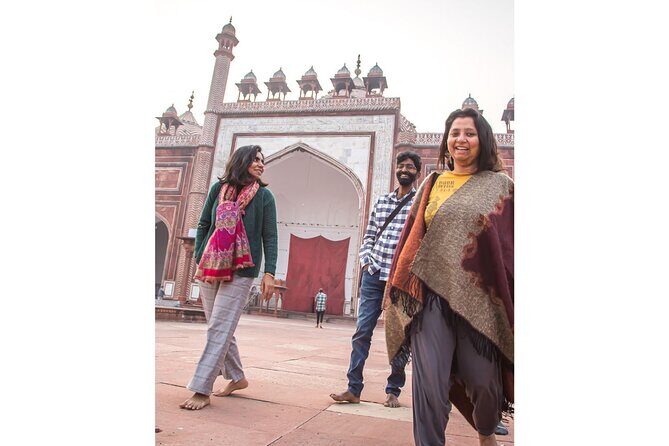
- Photo help built into the walk: Guides like Tahir, Arhaan, and Kaleem are known for guiding where to stand and how to frame pictures.
- Spice market + temples + trades: Rawatpara and nearby stops mix commerce, faith, and stories.
- Rooftop panoramas: You’ll climb up for city views from a local home area.
- Landmarks with local context: Jama Masjid is the anchor, but the talk connects it to daily life around it.
- Local snacks included: You get a taste of the neighborhood, not just the sightseeing.
Why a walking tour is the best way to see Agra beyond the Taj
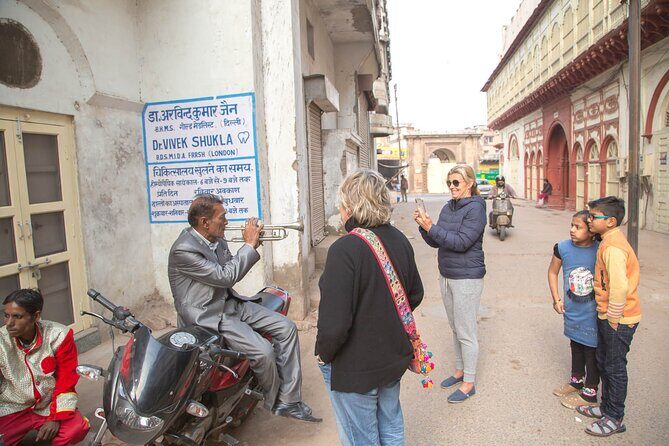
Agra can feel “one big monument” if you only do the headline sights. This walk is a fix for that problem. Instead of jumping from car to car, you slow down and read the city as you go.
What I like about this format is simple: walking lets your guide point out the small things—how markets work, why certain streets matter, and what’s still standing from earlier eras. You’re also free to pause, look longer at a facade, or ask one more question instead of timing everything to a bus schedule.
The price is also very hard to beat for what you get. At $41.12 per person for about 3 hours with a private guide and snacks, you’re paying for local knowledge and a route you likely wouldn’t build on your own.
You can also read our reviews of more walking tours in Agra

Starting at Jama Masjid: the meeting point that sets the tone
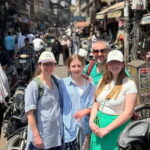
The tour meets at Jama Masjid, Agra. That matters more than it sounds. Starting at a major mosque gives you a strong “anchor” point, and it makes it easier to understand the older parts of Agra as you walk outward.
You’ll get a quick orientation before you start moving. The goal isn’t just logistics—it’s context: how the walk works, what you’ll see, and how your guide will explain each place as you reach it.
Then you go in and begin with stories. This first segment is where the guide usually sets the tone for the entire walk—calm, guided, and focused on how the city’s layers connect.
Entering the Jama Masjid stop: stories that make the area make sense

Jama Masjid is a Free admission stop on the route. That means you’re not burning your time or money on ticket counters before you even get to the interesting bits.
What you’ll get here is interpretation. Your guide’s job is to help you understand what you’re looking at and why it’s important in Agra’s bigger story. People also value the photo help on this kind of stop, and this tour is set up for that—your guide can assist you with taking pictures during key moments.
If you’re coming from a day that already included big sights, this start feels like a reset. It’s less “grand monument checklist” and more “how this city works.”
Rawatpara: the spice market stop that smells like history
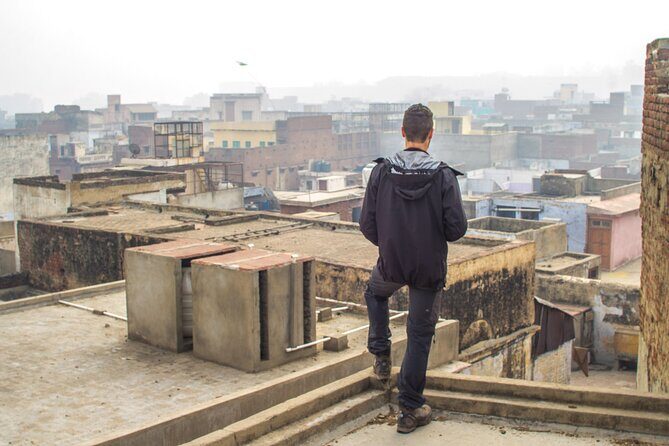
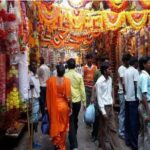
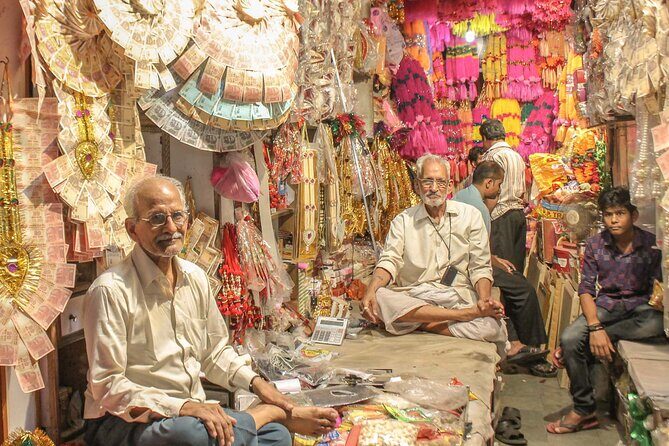
Next up is Rawatpara, a 15th-century spice market with deep trade roots. Even if you don’t buy anything, this is the kind of place that teaches you something fast: markets aren’t just backdrops here. They’re part of daily life.
You’ll also mix in more than spices. This stop includes medieval temples, and you’ll climb a rooftop as part of the experience. That rooftop moment is important because it helps you connect what you’re seeing at street level with how the neighborhood is arranged.
One practical note: spice markets can be visually intense. If you’re the type who likes slow looking, tell your guide. The private format means they can help you pace it—staying on script when you want stories, slowing down when you want time for photos.
Fuvara: walled-city streets, older buildings, and inside views
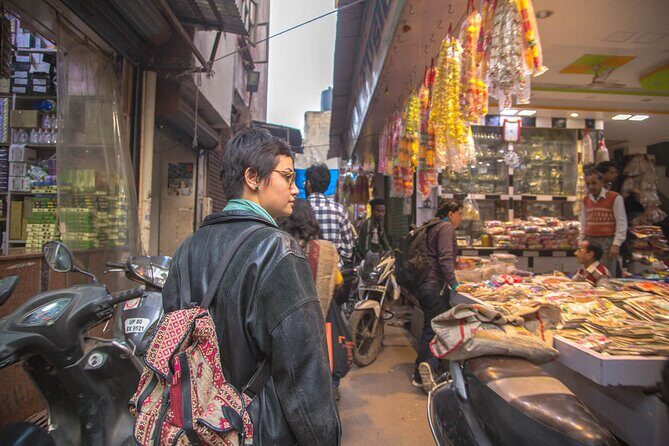
At Fuvara, you’ll pass by the historic walled city where you can still see 18th-century buildings. This is where the tour begins to feel like a proper neighborhood walk rather than a list of monuments.
You may also step into certain homes and temples to look from the inside, and you’ll visit an old marble shop along the way. That shop element adds a layer many “sightseeing-only” walks miss—work, craft, and trade in the city’s past and present.
This is also one of the stops where rooftop or doorway perspectives help a lot. Agra has a lot of surfaces—stone, carved details, older facades—and the walking pace makes it easier to notice them instead of rushing past.
You can also read our reviews of more city tours in Agra




Gudri Mansoor Khan: the courtesan market story told with local place names
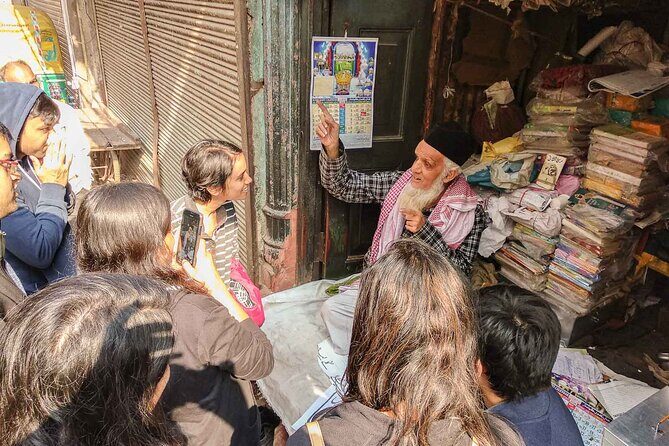
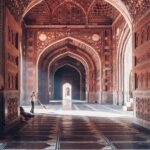
The route continues toward the Police Station Gudri Mansoor Khan area, which connects to the history of an erstwhile courtesan market inside the fort city. It’s an unusual detail, and that’s exactly why this stop works.
Your guide will give history at each stop, and here the stories help you understand that Agra’s identity wasn’t only Mughal grandeur. It also included social spaces, commerce, and complicated cultural life.
This part of the walk is a good reminder that cities aren’t just the “pretty parts.” The best local guides explain the full human story—where people worked, gathered, and lived.
Rawat Para Road: rooftop panoramas and meeting the neighborhood
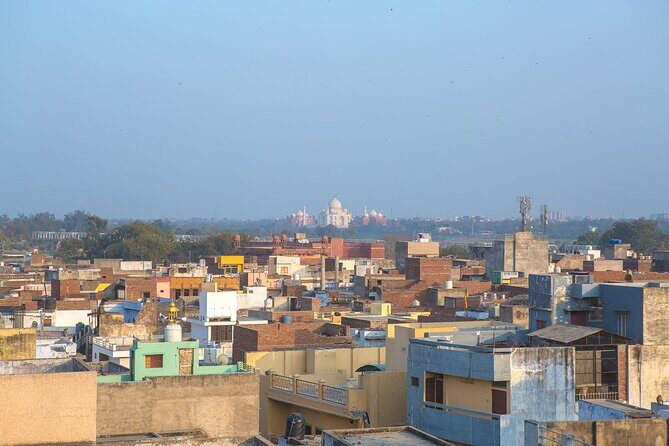
Then you shift into Rawat Para Road, entering a 15th-century locality. You’ll climb the rooftop of a local home for panoramic views—one of the most memorable moments on the walk.
After that viewpoint, your guide talks about how people live here and helps you interact with local people along the way. That interaction is where the walk earns its “authentic” reputation. You’re not only looking at buildings—you’re learning how the neighborhood breathes.
Practical tip: take a moment to breathe after the rooftop climb. Your camera will be ready, your eyes will be adjusting, and you’ll want a clean look at the city layout before the walk continues.
More Rawatpara: Kala Mahal and Mirza Ghalib’s birthplace
You return to Rawatpara for the Kala Mahal stop, connected to Mirza Ghalib, the famous Urdu poet. This is a highlight for literature lovers because it ties Agra to a cultural figure you might already know, but usually connect with other places.
You’ll also see beautiful facades of 18th-century bungalows in the area. Facades can sound like “just architecture,” but in a walk like this, the guide’s explanations make them feel like clues—what styles were popular, what wealth looked like in different eras, and how those details survived.
This is also a great part of the tour to ask questions. If you’ve been wondering why certain neighborhoods look the way they do, this is usually where your guide can connect the dots with stories that land.
Wrapping back at Jama Masjid: a compact tour that doesn’t feel rushed
The walk ends back at Jama Masjid. You also get a final short stop segment here, so you’re not suddenly scrambling to find your way back.
Because the total time is about 3 hours, it’s an easy fit on a day when you’re also visiting major sights. It’s a good “second half of the day” option if you want something calmer than a ticketed monument circuit.
And if you’re the type who likes to go back out later on your own, this tour is a helpful groundwork. After walking these streets, you usually get your bearings fast.
The guides: why the storytelling really matters
This tour’s best feature is the way guides tell the city’s story. In the feedback, guides like Tahir, Arhaan, and Kaleem stand out for creating an atmosphere with straightforward explanations and clear pacing.
You should expect:
- guidance that keeps the walk readable, not overcrowded with too many facts
- help for taking photos throughout the tour
- a personal touch that makes the route feel chosen, not random
If you’re worried about whether a walking tour will feel like a lecture, don’t. The structure here seems built to stay human—short story beats at each stop, time to look, and breaks when the route turns a corner.
Price and value: is $41.12 per person actually fair?
At $41.12 per person, this isn’t a “budget-only” option, but it also isn’t a premium Taj-sized price tag. For many people, the value is in what you’re not paying for and what you’re gaining.
You get:
- a private guide for roughly 3 hours
- local snacks included
- admission stops listed as free (so you’re not adding extra entry fees to the day)
- photo assistance and a route designed to make sense on foot
When you compare that to the cost of hiring a driver just to show you a few places, the math often favors walking plus a real local guide. You’re paying for the route logic and the human context—things that are hard to replicate if you’re wandering alone with only a map app.
When this walk fits best (and when it might not)
This is a strong pick if you want Agra in a way that feels closer to daily life. It suits couples, solo travelers, and anyone who feels a little tired of the “monument conveyor belt.”
It may be less ideal if you:
- have trouble with stairs or uneven walking (rooftop climbs are part of the route)
- prefer very short stops and hate any history talk
- want a full-day itinerary with lots of separate ticketed attractions
If you’re flexible and your main goal is “real Agra,” this works well.
Practical tips to make your 3-hour walk easier
Bring comfortable walking shoes—you’ll do more walking than a simple downtown stroll. Also bring a hat or sun protection, since you’ll be outdoors much of the time.
If you’re serious about photos, plan to use your phone or camera actively. Your guide can help you with picture timing and placement during key stops.
And when you’re offered a snack, take it. This is included for a reason: it’s one more way the tour turns into a neighborhood experience, not only a photo set.
Should you book the Agra 101 City Walk?
If your schedule includes the Taj Mahal and you want a second layer that feels more personal, I’d book it. This is one of those experiences where the value isn’t in seeing a single famous object—it’s in understanding how Agra’s older neighborhoods connect through markets, mosques, rooftops, and stories.
Book it if you like guides who speak plainly and help with photos, and if you enjoy walking long enough to feel like you’ve actually been somewhere. Skip it if rooftop climbs or active walking are a deal-breaker for you.
Either way, this tour is a smart use of a half-day, especially when you want Agra to feel like a city you can picture living inside.
FAQ
How long is the Agra 101 City Walk?
It lasts about 3 hours (approx.).
Where does the tour start and end?
It starts at Jama Masjid, Agra, Uttar Pradesh 282003, India, and it ends back at the same meeting point.
Is this a private tour or shared with other groups?
This is a private tour/activity. Only your group participates.
What can I expect to see during the walk?
The route includes stops such as Jama Masjid, Rawatpara (spice market), Fuvara, the Police Station Gudri Mansoor Khan area, Rawat Para Road (including a rooftop viewpoint), Kala Mahal tied to Mirza Ghalib, and then back to Jama Masjid.
Are there admission tickets required for the stops?
The listed stops show admission tickets as free.
What’s included in the tour besides the guide?
Local snacks are included with the walk, and your guide can help take photos of you during the tour.
What time is the tour available?
It runs daily from 8:00 AM to 5:00 PM.
Do I need to book far in advance?
On average, it’s booked 10 days in advance.
What ticket type do I receive?
You get a mobile ticket.
Is free cancellation available?
Yes. You can cancel up to 24 hours in advance for a full refund.