REVIEW · NEW DELHI
4-Days Golden Triangle Tour with Ranthambore Safari from Delhi
Book on Viator →Operated by Keeper Landwey · Bookable on Viator
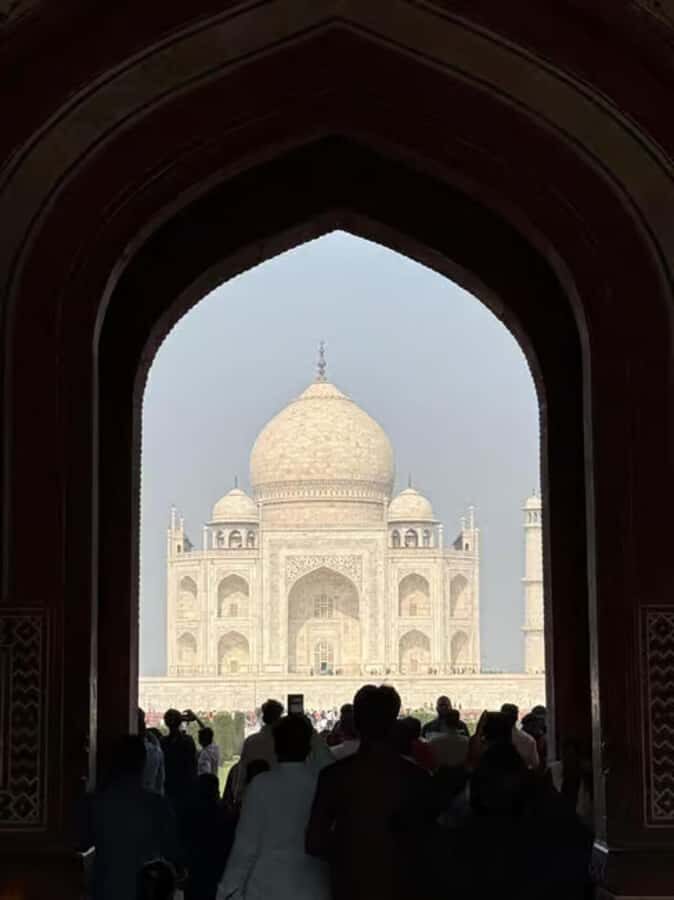
This four-day loop hits Delhi, Agra, and Jaipur, then throws in a Ranthambore safari for real wildlife drama. What makes it interesting is the mix: big Mughal landmarks early in the day, markets and mosques in Old Delhi, and then that early-morning sunrise Taj Mahal followed by tiger-spotting luck.
I like that you get a private air-conditioned car with a real guide for monuments, so you’re not stuck figuring things out on your own. I also like the safari setup: an English-speaking naturalist guiding you during the drive-and-scan time in Ranthambore. One drawback to plan for is that monument entrance fees are extra, and tiger sightings depend on conditions and luck.
In This Review
- Where this itinerary really shines
- Key points to know before you go
- Golden Triangle in 4 days: how the pace really works
- Delhi mornings: Bangla Sahib, Jama Masjid, Chandni Chowk, and the spice trail
- Agra Fort and the Baby Taj: the classic Mughal trio
- Ranthambore safari reality: your best chance comes from how the day is run
- Jaipur day: Jaigarh, Jal Mahal views, City Palace, Jantar Mantar, and Hawa Mahal
- The drive back to Delhi: expect an evening arrival
- Price and value: what you’re paying for, and what you still need to cover
- When the itinerary shifts: Tuesdays in Ranthambore and Thursday swaps
- Guides and driving style: why the human factor matters
- Should you book it? The quick decision guide
- FAQ
- FAQ
- Are monument entrance fees included in the tour price?
- Is the Taj Mahal visit at sunrise?
- What’s included for meals?
- How do you travel between Delhi, Agra, Ranthambore, and Jaipur?
- What kind of vehicle do you use for the Ranthambore safari?
- Do you get pickup from anywhere in the Delhi NCR area?
- What happens if Ranthambore is closed during monsoon season?
- When do you return to Delhi on the last day?
Where this itinerary really shines

The timing is tight, but the structure is smart: you do the heavy sightseeing days before you reach Jaipur’s hilltop forts and observatory. The other thing to know upfront is that Ranthambore closes every Tuesday from July 1 to September 30 due to monsoon, so the order can shift to protect your chance of going.
Key points to know before you go
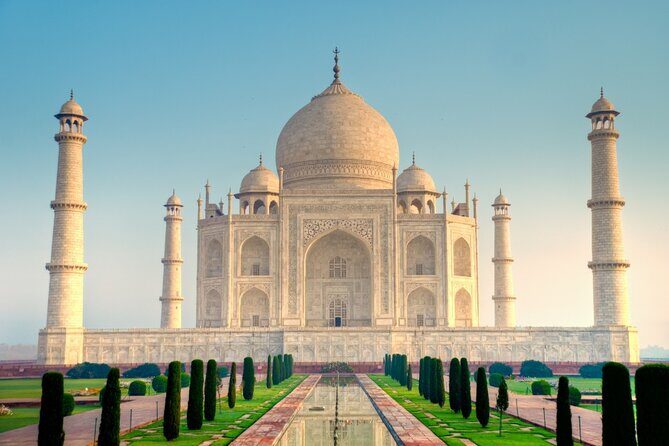
- Sunrise Taj Mahal visit: early start to catch the best light and fewer crowds.
- Private monument guides in Delhi, Agra, and Jaipur: you’ll get context, not just photos.
- Shared safari vehicle in Ranthambore: you’re out with others, not in your own private vehicle.
- Tiger spotting is not guaranteed: your best move is booking with flexible expectations.
- Three overnights across three cities: it’s a true multi-stop circuit, not a day trip.
- Entrance fees are separate: budget about $75 per person for monuments.
You can also read our reviews of more tours and experiences in New Delhi



Golden Triangle in 4 days: how the pace really works
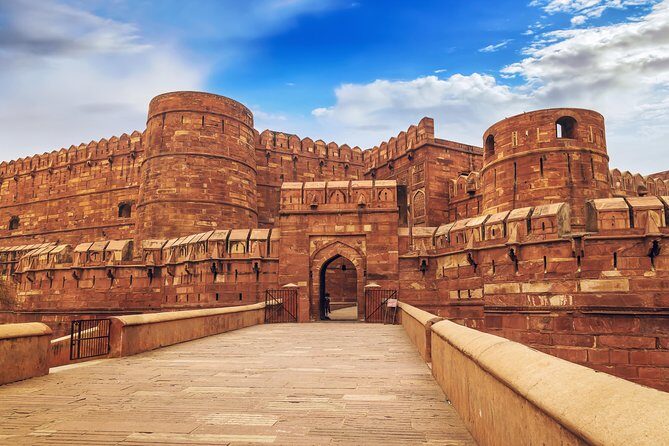
This is a classic Golden Triangle route, but sped up and organized around one big thing you can’t fake: a Ranthambore tiger safari. The plan is simple—go hard each day, drive overnight distances by schedule, and avoid “lost time” by having a driver and guide set up for you.
Expect early starts and packed days. Delhi begins with morning temple and mosque stops, then you’ll shift gears into Old Delhi lanes. Agra is built around the Taj Mahal sunrise experience, and Jaipur finishes with the best-known sights plus a long drive back to Delhi on day four.
If you’re the type who likes a clear order, this works well. If you want long free time every day, this may feel like more marching than wandering.
Delhi mornings: Bangla Sahib, Jama Masjid, Chandni Chowk, and the spice trail
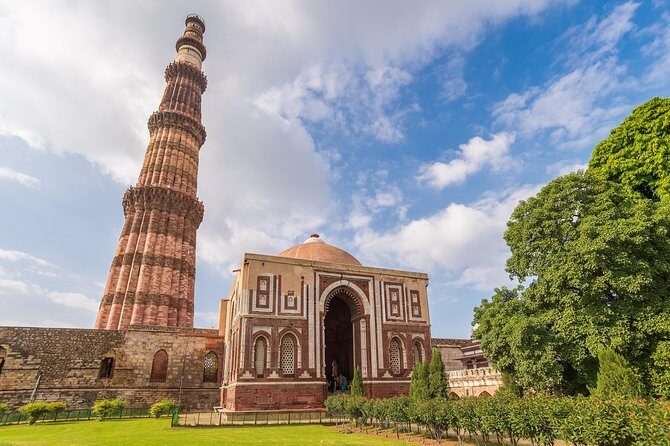
Day 1 starts with pickup anywhere in the Delhi NCR area (Delhi, Noida, Gurugram, Faridabad, or Ghaziabad), with flexible pickup windows between 7:00 AM and 11:00 AM. After that, your route is arranged to hit major landmarks before crowds thicken.
You’ll begin at Gurudwara Bangla Sahib, one of Delhi’s calmer spiritual stops, known for its golden dome and community kitchen. It’s a nice opener because it sets a quieter tone before the day turns into busy streets.
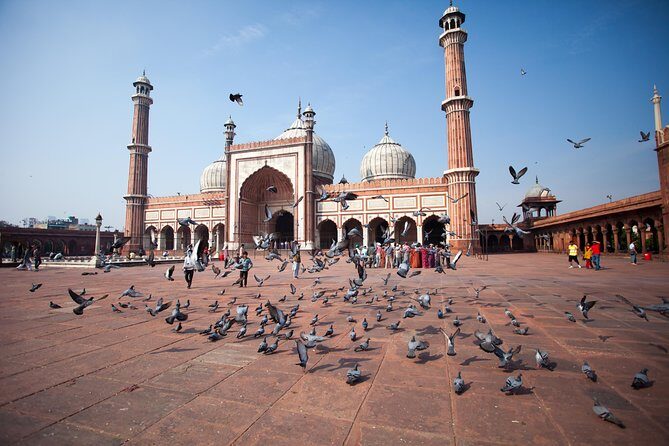
Next comes Jama Masjid, built by Shah Jahan. You’ll spend time in the grand courtyard and look up at the red sandstone domes and Mughal-style minarets. This is one of those places where a guide helps a lot—small details become a story instead of random architecture.
Then you’ll shift into Old Delhi style with a traditional tuk-tuk ride through Chandni Chowk, followed by a walk through Khari Baoli, Asia’s biggest spice market. I like this sequence because it mixes spectacle (the sights) with sensory detail (the spices), without trying to cram too many extra stops.
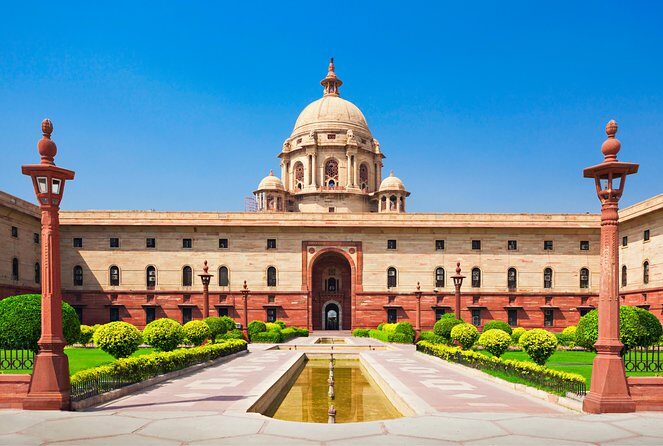
You’ll also pass major landmarks such as the Red Fort area and the 1921 Tomb of the Unknown Soldier with names carved for 13,300 Indian servicemen. Later on, you’ll visit Parliament House, Rashtrapati Bhavan, and end with Connaught Place before heading toward Agra.
One practical note: some monument entries are not included here, so you may pay during the day. The schedule still runs smoothly because the guide keeps the flow tight.
Agra Fort and the Baby Taj: the classic Mughal trio
Day 1 ends with a drive to Agra, with an overnight stay. Then Day 2 is built for the big one: the sunrise Taj Mahal.
The itinerary is sunrise for a reason. The Taj Mahal is stunning any time, but early light makes marble look more alive, and you avoid some of the midday grind. Afterward, you’ll head to Agra Fort, a UNESCO-listed Mughal fort with a mix of Indian and Islamic architecture.
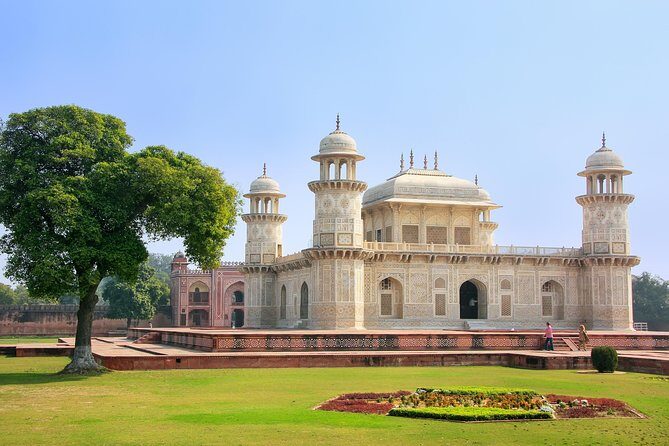
Then comes Itmad-ud-Daula, often called the Baby Taj, famous for its white marble and intricate pietra dura inlay work. This stop is a smart counterbalance: the Taj is the giant headline, and Itmad-ud-Daula gives you the “look closer” experience.
All three of these monuments have separate entry fees. Your tour price covers the guides, transportation, and the timed flow, but not the ticket costs. Budgeting for those fees is the simplest way to avoid a late-day surprise.
Ranthambore safari reality: your best chance comes from how the day is run
After Agra, you travel to Ranthambore and check in for the night so you can get an early start on the safari morning. Ranthambore’s timing matters because animals don’t show up on a schedule, and park conditions affect what you’ll actually see.
On Day 3, you’ll do a jungle safari in Ranthambore National Park for about 2 to 3 hours. The vehicle is described as shared—either a shared jeep or canter—while a trained naturalist provides English guidance during the drives. This is a real advantage because a good naturalist reads the terrain and explains animal behavior and habitat in a way you can actually use.
Here’s the truth you should plan around: tiger spotting depends on luck. Even when you do everything right, wildlife can stay hidden. The best mindset is to treat the safari as a nature search, not a guaranteed tiger show.
One more seasonal consideration: Ranthambore closes every Tuesday from July 1 to September 30 due to monsoon. During that period, only zones 6 to 10 remain open, and the itinerary may adjust if you book during those days. If you’re traveling in monsoon season, ask about your exact safari day so you’re not guessing.






Jaipur day: Jaigarh, Jal Mahal views, City Palace, Jantar Mantar, and Hawa Mahal
After the safari, breakfast comes first, then it’s a drive to Jaipur with time to settle in. Once you’re there, Day 4 is a full sights day—no slow museum day, more like a well-paced highlights route.
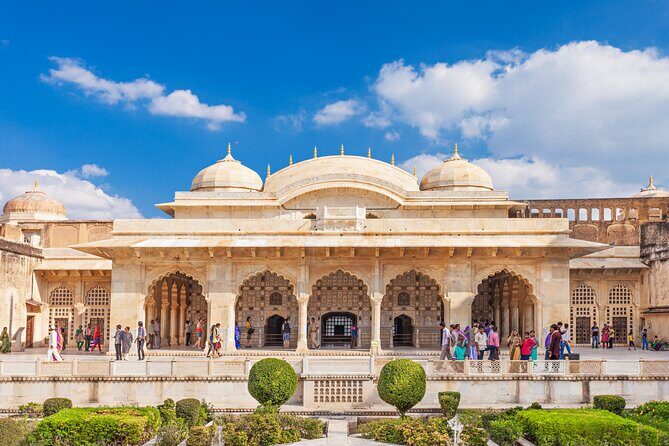
You’ll start with Jaigarh Fort, built in 1726 by Maharaja Jai Singh II to defend Amber Fort. The fort includes the world’s largest wheeled cannon, Jai—an impressive detail if you like military architecture and engineering.
Next is Jal Mahal, the palace sitting in Man Sagar Lake. You can’t enter, but it’s still worth it for photos and those postcard-style views from the lake setting.
Then you’ll visit City Palace of Jaipur, the former royal residence with Rajput and Mughal architecture. You’ll have time to explore courtyards, museums, and ceremonial halls, which gives you variety beyond just looking at buildings from the outside.
After that comes Jantar Mantar, a UNESCO World Heritage Site and one of the best-preserved observatories from the 18th century. It features 19 astronomical instruments built by Sawai Jai Singh II. If you enjoy smart design and old-school science, this is one of the stops that makes Jaipur feel more than just palaces.
Finally, you’ll see Hawa Mahal, the Palace of Wind. The five-storey façade with 953 windows was designed so royal women could observe street festivals while staying hidden. It’s a great way to end because it connects architecture with daily life—and it’s one of the most recognizable silhouettes in India.
You’ll pause for lunch at a local restaurant. Lunch and dinner are not included, so treat meals as part of your daily budget.
The drive back to Delhi: expect an evening arrival
On the last day, you’ll start in Jaipur and then begin the return drive to Delhi. The schedule notes a 5-hour drive back and an arrival around 9 PM. You can request a different drop-off timing if needed, but plan for a late finish.
If you’d rather not end in Delhi, the plan mentions you can be dropped at your hotel or airport in Jaipur instead. That only works if you coordinate your preference early, since the tour’s default is the Delhi return.
This late-day timing is the right kind of exhaustion: you’ve already packed in the major sights, and you’re mostly transferring back to your next step.
Price and value: what you’re paying for, and what you still need to cover
At $215 per person, you’re paying for a lot of structure: private air-conditioned car for transfers and sightseeing, 3 nights of accommodation (based on the star option you choose), breakfast for 3 days, private live guides at monuments, and the Ranthambore tiger safari in a shared canter/jeep setup.
You’re also covered for parking, tolls, fuel, and state taxes. That’s not glamorous, but it removes a bunch of small headaches.
What’s not included is equally important: monument entrance fees are about $75 per person. Lunch and dinner are also not included. If you hate surprise costs, you’ll want to budget for those fees before you go.
In short, this tour can feel like good value when you want a guided “big hit” itinerary with transport and hotel included. It’s less of a deal if you already have a guide or you only care about one city.
When the itinerary shifts: Tuesdays in Ranthambore and Thursday swaps
Two scheduling rules can affect your experience.
First, Ranthambore closes every Tuesday from July 1 to September 30. The itinerary is adjusted, and only zones 6 to 10 stay open during that season window.
Second, there’s a Thursday condition: if your tour begins on Thursday, the day order shifts so that the second day is spent in Jaipur, the third day in Ranthambore, and the fourth day in Agra. That matters if you’re trying to line up a specific day for sunrise Taj or if you’re timing around other plans.
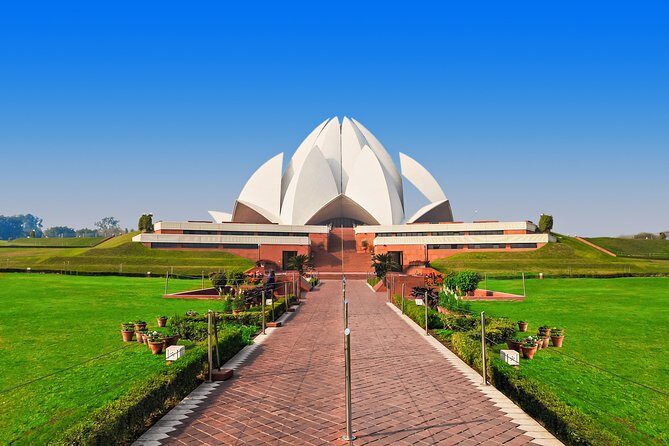
Also note: the Lotus Temple is closed every Monday. It’s not a listed stop on this route, but it can matter if you’re thinking of adding it.
Guides and driving style: why the human factor matters
One of the most praised parts of this kind of tour is how the guide explains what you’re seeing. I’d rather listen to a story than stand in front of a map, and this tour puts you with a guide at the monuments each day.
Names that have shown up as strong examples include Faizal for engaging Taj Mahal explanations, Sadiq for making the sunrise timing smooth, and Ali (sometimes spelled Eli in messages) for clear on-site guidance in Agra. Azhar U is also mentioned for being flexible with interests, which is useful on a tight schedule when you’d rather spend extra time on one detail.
On the driving side, families have specifically praised the coordination from Rajesh Singh and Parminder Singh as transporter support across the circuit. In real terms, good transport coordination means you arrive on time, move safely through traffic, and don’t lose your day to chaos.
Even if you don’t know the names ahead of time, the point is this: you should expect a guided approach, not a “here’s the ticket, good luck” situation.
Should you book it? The quick decision guide
Book this tour if you want:
- A 4-day plan that covers Delhi, Agra, Jaipur, and Ranthambore without planning logistics yourself
- A mix of sightseeing with guided context and a guided safari experience
- A sunrise Taj Mahal visit and a structured, efficient route
Skip (or modify) it if you:
- Can’t handle packed days and an evening return to Delhi around 9 PM
- Are very tiger-results dependent, since safari sightings are not guaranteed
- Don’t want to pay extra for monument entrance fees and meals
If you’re traveling with kids, this is still a workable fit because the itinerary includes short, varied stops in Delhi and the safari gives a clear activity focus. Just remember that early mornings are part of the deal.
FAQ
FAQ
Are monument entrance fees included in the tour price?
No. Monument entrance fees are not included and are listed as about $75 per person.
Is the Taj Mahal visit at sunrise?
Yes. The tour includes a sunrise Taj Mahal visit on Day 2.
What’s included for meals?
Breakfast is included for 3 days. Lunch and dinner are not included.
How do you travel between Delhi, Agra, Ranthambore, and Jaipur?
You travel in a private air-conditioned vehicle for all transfers and sightseeing.
What kind of vehicle do you use for the Ranthambore safari?
The safari is in a shared vehicle (shared canter, and the itinerary also references shared jeep/canter) with an English-speaking naturalist guiding the experience.
Do you get pickup from anywhere in the Delhi NCR area?
Pickup is offered from Delhi, Noida, Gurugram, Faridabad, or Ghaziabad, with pickup times between 7:00 AM and 11:00 AM.
What happens if Ranthambore is closed during monsoon season?
Ranthambore closes every Tuesday from July 1 to September 30. The itinerary is adjusted, and only zones 6 to 10 remain open during that period.
When do you return to Delhi on the last day?
On Day 4, you return to Delhi around 9 PM (and the schedule can be adjusted if you request different timing).