REVIEW · DHARAMSALA
Triund Trek & Snow Line Trek
Book on Viator →Operated by Tripills · Bookable on Viator
Triund is the kind of climb you remember. This two-day guided trek takes you up to Triund at a steady pace, with real time to look out over the Dauladhar ranges instead of rushing through as a same-day hike. What I like most is the built-in rhythm: trek, eat, rest, and then sleep at Triund so the experience is about the mountains, not the clock.
Two things I really like: camping gear is provided (tent, sleeping bag, mattress, and even a washroom tent), and meals are included so you’re not juggling snacks and planning while you’re on the move. The possible drawback is that groups can move at different speeds, and the trek will feel smoother if your guide manages pacing actively for slower hikers and maintains clear safety spacing.
If you’re choosing between a rushed day trip and an overnight, this format gives you the better trade. You’ll get that quieter “settle in” feeling at camp, plus a chance to enjoy Triund sightseeing and Snow Point views without treating them like a quick photo stop.
In This Review
- Key Highlights You’ll Feel on the Ground
- Why Triund and the Snow Line Trek Works Best Overnight
- Getting Started: McLeod Ganj to Bhagsu Waterfall and On to the Trail
- Day 1 Trek to Triund: Lunch Breaks, Evening Snacks, and the Slow View Play
- Triund Night: Tents, Sleeping Bags, and an Actual Camp Experience
- Day 2 Morning: Breakfast, the Return Trek, and Finishing Near Gallu Devi Temple
- Bhagsu Waterfall in the Evening: A Second Chance to See the Area
- Price and Value: What $28 Really Buys You Here
- Private Trek Comfort: Flexibility With Your Party
- Guide and Safety: The Pace Factor You Should Plan For
- What to Bring (So the Gear Provided Actually Works for You)
- Who This Trek Is Best For
- Should You Book Triund Trek & Snow Line Trek?
- FAQ
- What does the tour include for meals?
- Is camping gear provided?
- Where do I start the trek?
- Where does the tour end?
- How long is the trek?
- What sights are included?
- Is the trek private?
- What fitness level do I need?
- Is GST included in the price?
- What’s the cancellation policy if weather is poor?
Key Highlights You’ll Feel on the Ground
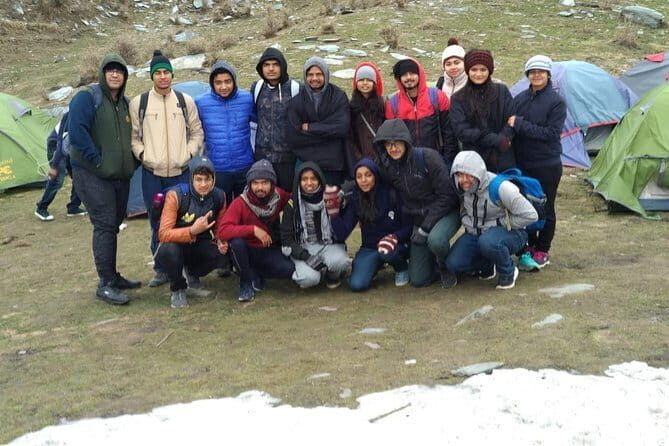
- Overnight at Triund gives you time to slow down and enjoy the view instead of racing down before dark
- Camping equipment included means you can travel lighter (tent, sleeping bag, mattress, washroom tent)
- All meals included cuts decision fatigue on route—lunch and snacks on the way, plus breakfast and dinner
- Professional guided trek keeps the route smoother, especially when conditions change
- Triund sightseeing + Snow Point helps you plan for “what you came for,” not just walking time
- Private trek for your party adds flexibility and a more personal feel than joining a big mixed group
Why Triund and the Snow Line Trek Works Best Overnight
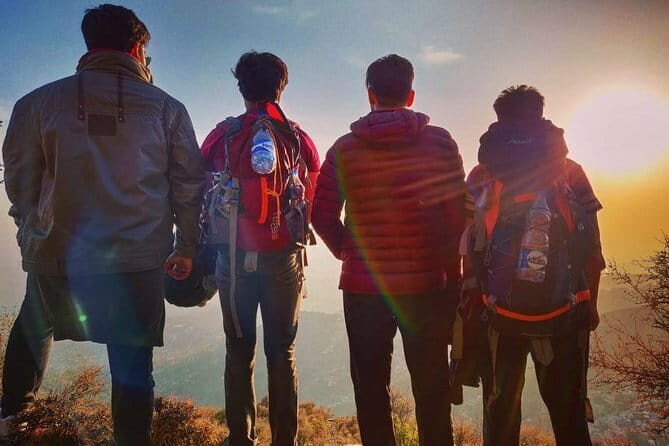
Triund Trek is popular for a reason: it’s one of the easiest “real trekking” options near Dharamsala that still delivers big mountain views. The catch is that many people try to do it in a single day, which can make everything feel rushed—especially once you factor in breaks, lunch, and the fact that the views are the main point.
That’s why this overnight plan makes sense. You’ll go up with a guide, eat along the way, and then actually spend the night at the Triund campsite. From a planning standpoint, it also spreads the effort across two days, so the trek feels like a journey instead of a one-day test.
And because the itinerary includes Triund Hill sightseeing with mention of the Dauladhar ranges and Snow Point, you’re not just hiking to “reach a place.” You’re hiking with a purpose: to look out, take in the perspective, and linger.
You can also read our reviews of more hiking tours in Dharamsala
Getting Started: McLeod Ganj to Bhagsu Waterfall and On to the Trail
You’ll start from McLeod Ganj in the morning area (the meeting point is listed there), then move toward the trek start near Dharamkot. Day 1 begins with an organized meet-up: you’ll connect with a representative who guides you during the trek.
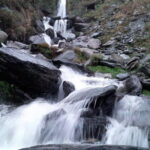
A key moment on Day 1 is the Bhagsu Waterfall stop. Even though the time shown for it is short, it sets the tone for the day—expect a quick sightseeing window before the main trekking begins. In practical terms, it’s a good place to mentally switch from town to trail: you’ll see the area, get your bearings, and then settle into walking mode.
One thing to keep in mind: the trek is for moderate physical fitness, so if you’re not used to steady uphill walking, treat this first segment as your warm-up. The itinerary is set up for a guided pace, with breaks built into it.
Day 1 Trek to Triund: Lunch Breaks, Evening Snacks, and the Slow View Play
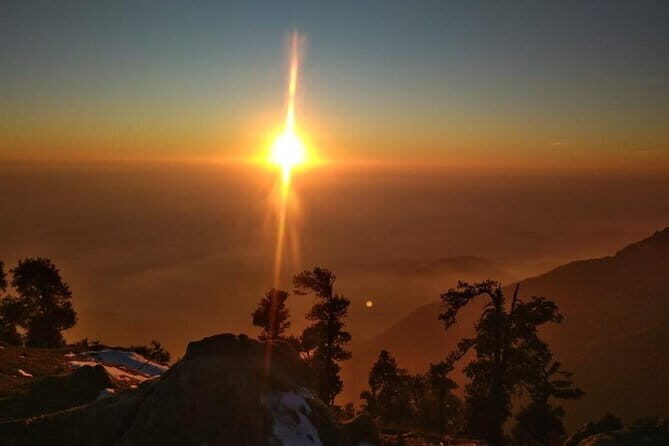
After you start trekking toward Triund, the day is structured around actual pauses. You’ll take a halt for lunch and evening snacks during the trek. That matters more than it sounds. On hikes, “I’ll just eat later” turns into energy dips and grumpy pacing. Having planned stops helps you keep a steady rhythm.
Then comes the big target: reaching Triund Hill and spending the night at the Triund campsite. The itinerary’s timing indicates a full day of trekking and sightseeing, which is realistic for a guided overnight climb where you’re also expected to enjoy the scenery.
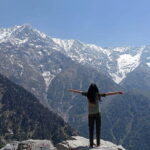
Triund Hill is where the experience shifts from exertion to payoff. You’ll have time for Triund sightseeing, including views over the Dauladhar ranges and the Snow Point area. Even if you’re not a trekking veteran, this is exactly the kind of payoff that makes the uphill effort worth it.
Potential drawback for Day 1: if your group has a mix of speeds, longer trail days can feel uneven. One piece of feedback I’d treat seriously is the idea that having stronger guide positioning (for example, a guide positioned at the front and another back) can improve safety and pacing when slower hikers are in the mix. If you know your pace is slower, it’s smart to flag that early so the guide can manage the group spacing.
Triund Night: Tents, Sleeping Bags, and an Actual Camp Experience
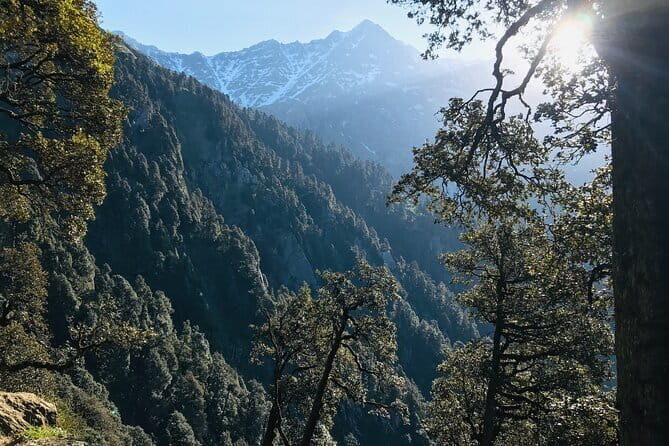
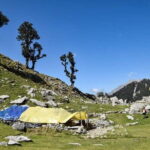
Dinner and overnight are part of the package, with dinner included on Day 1. The tour provides your campsite essentials: tent, sleeping bag, mattress, and a washroom tent. For a two-day trek at this price point, that’s a big part of the value.
Why this matters for you: when camping gear is handled, you’re not stuck figuring out what’s “good enough” for the mountains. You also won’t spend your money on rental items you might not need again. It’s one of the reasons this trek feels accessible if you’re traveling with limited packing space.
What you’ll do at camp is not complicated. You eat, settle in, and then you get the real benefit of overnight at elevation: the views don’t get swallowed by daylight schedules. You’ll have a different kind of quiet out there than you get on the trail during busy daylight hours.
A small consideration: even when the provided sleeping bag is included, you might still want a little extra warmth planning. The itinerary doesn’t specify temperatures, so I can’t promise conditions, but it’s smart to be ready for cooler air once you stop moving.
Day 2 Morning: Breakfast, the Return Trek, and Finishing Near Gallu Devi Temple
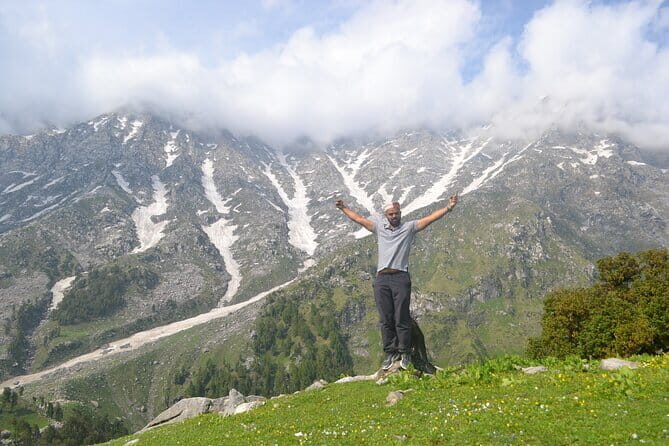
Day 2 starts with breakfast at the Triund campsite, then you’ll begin trekking back toward Dharamkot. The return trek is listed as taking about 8 hours, and you’ll aim to reach by evening.
This timing is important because it changes how you should think about the second day. Day 2 isn’t meant to be a quick “walk it off” recovery. It’s still a trek day, just on the descent and then winding down into sightseeing.
The tour ends near Gallu Devi Temple in Upper Dharamkot. That’s a convenient finishing point because it gives you a clear landmark for wrapping up—especially if you’re heading back toward McLeod Ganj afterward.
Bhagsu Waterfall in the Evening: A Second Chance to See the Area
After you return from the Triund trek, the itinerary includes Bhagsu Waterfall sightseeing for about 1 hour. This is a nice way to turn the day-end into something pleasant instead of just “drop off and leave.”
The practical win here: you don’t have to squeeze waterfall time into the hard part of Day 1. You get the main trekking experience first, then you add the waterfall as a relaxed buffer when your energy is coming back.
Price and Value: What $28 Really Buys You Here
At around $28 for a roughly two-day guided overnight trek, the value comes from the mix of “big costs handled” and “time saved.” You’re getting meals (breakfast, lunch, dinner) plus essential camping equipment (tent, sleeping bag, mattress, and washroom tent).
If you had to rent or buy those basics separately, that cost would usually push your total way higher. Even without calculating exact local rental prices, the structure is clear: the tour bundles the parts that tend to be annoying to plan and expensive to piece together.
Two small cost considerations:
- GST is not included, so your final bill may be slightly higher than the headline price.
- Extra trekking equipment like shoes and poles are not included, so you’ll likely need to bring those yourself if you want them (or use what you already have).
Also, the tour doesn’t include porter services for extra luggage. If you’re carrying more than you need, a porter option may come up—this is worth thinking about before you pack.
Private Trek Comfort: Flexibility With Your Party
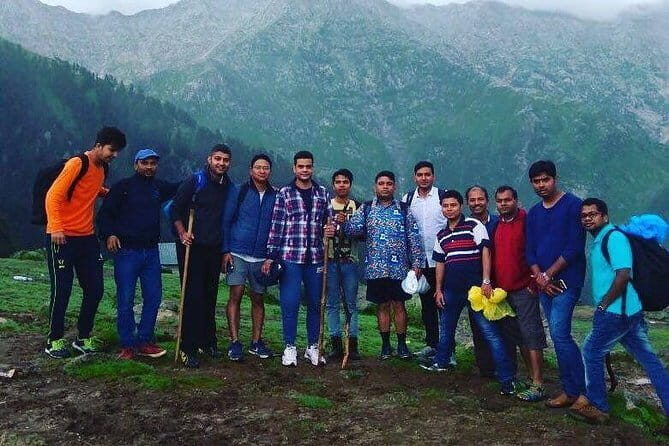
This is described as a private tour/activity for your party, which matters even if you’re traveling alone. Private doesn’t automatically mean “free of all logistics,” but it usually means your guide can adjust to your group’s pace more naturally than a standard multi-group schedule.
It also aligns well with the overnight setup. Overnight treks have moments where coordination helps—like timing meals, keeping everyone aware of camp setup, and managing trekking pace so you don’t feel rushed on the way back.
If you prefer a quieter, more controllable experience than joining a larger mixed group, this format fits.
Guide and Safety: The Pace Factor You Should Plan For
A professional guide is included, and that’s a key part of why this feels manageable. A guide helps with route clarity and pacing, and it reduces uncertainty when conditions change.
But pacing isn’t only about navigation—it’s also about the group’s movement speed. One concern that’s worth taking seriously is guide responsiveness for groups with mixed speeds. If your group size runs larger, you may want to ask (before you set off) how the guide will manage visibility and safety for the slower hikers—especially if the trek gets stretched out.
Practical advice: if you know you walk slower on uphill trails, tell your representative/guide at the start. That’s the best way to prevent the common scenario where faster hikers pull away and slower hikers feel pressure to speed up.
What to Bring (So the Gear Provided Actually Works for You)
Since the tour provides camp gear, you can pack more intelligently. You’ll still want your personal trekking basics, since extra trekking equipment (like shoes and poles) isn’t included.
A good packing approach:
- Comfortable trekking shoes you trust for uphill and downhill
- Layers for changing conditions at elevation (especially once you stop moving)
- Small essentials for breaks (you’ll have planned meals, but you may still want personal water habits)
- Any extra luggage you can avoid carrying yourself
Because you’ll be sleeping in a tent with a provided sleeping bag and mattress, you might want to bring your own personal comfort items, but the core camping setup is already handled.
Who This Trek Is Best For
This trek is a good match if:
- You want a guided overnight experience rather than rushing the climb in one day
- You like having meals and camping gear handled
- You’re traveling with a small group or prefer a private feel
- You enjoy viewpoint time, especially with Triund Hill sightseeing and Snow Point mentioned as part of the plan
It’s also suitable if you have moderate physical fitness and you’re comfortable with a two-day commitment that includes a return trek and a short sightseeing add-on.
It may not be ideal if:
- You can’t handle steady hiking over two days
- You strongly dislike group-style movement (even in private, you’ll be trekking in a coordinated way)
Should You Book Triund Trek & Snow Line Trek?
I’d book this if you want the straightforward, high-value version of the Triund experience: guided trekking, meals included, and camping gear provided, plus real time for Triund Hill views and Snow Point. It’s priced for accessibility, and the package covers the parts that usually make treks feel expensive or complicated.
I’d think twice only if you know you move slowly and you’re worried about being swept into a pace that doesn’t match you. If that’s you, ask about guide pacing and how they’ll keep the group together safely.
If you’re flexible on pace, comfortable with moderate trekking, and you’re aiming for views over speed, this is a very sensible way to do Triund.
FAQ
What does the tour include for meals?
Breakfast, lunch, and dinner are included.
Is camping gear provided?
Yes. The tour includes a tent, sleeping bag, mattress, and a washroom tent.
Where do I start the trek?
The tour starts in McLeod Ganj, Dharamshala, Himachal Pradesh, India.
Where does the tour end?
The trek ends near Gallu Devi Temple in Upper Dharamkot.
How long is the trek?
The duration is listed as approximately 2 days, with Day 2 taking about 8 hours and Day 1 including the trek up to Triund plus sightseeing time.
What sights are included?
Triund Hill sightseeing is included, including views over the Dauladhar ranges and Snow Point. Bhagsu Waterfall is also included with sightseeing time.
Is the trek private?
Yes, it’s a private tour/activity where only your group participates.
What fitness level do I need?
The tour is marked for travelers with a moderate physical fitness level.
Is GST included in the price?
No. GST (Goods and Services Tax) is not included.
What’s the cancellation policy if weather is poor?
There is free cancellation. If the experience is canceled due to poor weather, you’ll be offered a different date or a full refund. You can cancel up to 24 hours in advance for a full refund.