Old-city food tastes better when you have a guide.
This 2-hour Amritsar food walk takes you through narrow lanes off the tourist trail, with snacks and bottled water included so you can focus on eating and learning instead of hunting down menus. I like the fact it stays small group style (easy to ask questions), and I also like how the route is built around places that have kept serving the same kinds of food for generations. One watch-out: it runs on foot and works best when the weather is decent, since it’s scheduled for the evening and you’ll be in alleyways.
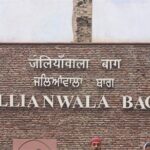
You’ll start at a big landmark tied to Sikh history—then move into market streets where your guide removes the stress of navigation. Guides like Ram or Ravish often add context as you go, so the food feels connected to the city instead of random stops. The only real drawback is that, with the focus on older local spots, the experience won’t feel like a curated modern food tour. It’s real old Amritsar, not polished Instagram-style dining.
In This Review
- Key things I’d circle before you go
- A 7:00 pm walk that turns markets into dinner plans
- Price and value: why $28 can actually be a deal
- Finding your tour: Maharaja Ranjit Singh sets the tone
- Stop 1: Katra Ahluwalia and its old-city maze streets
- Hall Bazaar: a major market stop that earns its time
- Guru Bazaar: gold and diamond market atmosphere after you’ve eaten
- Why small groups matter in old-city lanes
- The guide experience: history that ties to what’s on the plate
- What you should do before you start (simple, not fussy)
- Who this Amritsar food walk is best for
- Should you book Amritsar Food Walk With Hidden Gems?
- FAQ
- What time does the Amritsar food walk start?
- How long is the tour?
- How much does it cost?
- Where do I meet the guide?
- What’s included during the food walk?
- Is it a large group or small group?
- Do I need a paper ticket?
- What happens if weather is bad?
Key things I’d circle before you go
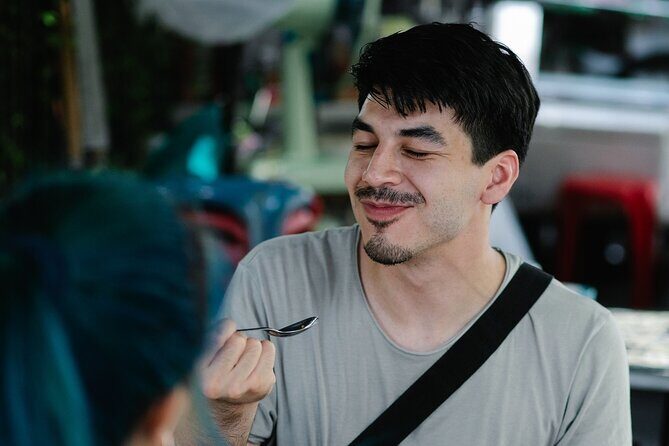
- Start at Maharaja Ranjit Singh so you can find the tour fast and set the scene right away.
- Katra Ahluwalia maze streets where you can see how the old city works on foot.
- Hall Bazaar as a major market stop with time built in (and admission included).
- Guru Bazaar for gold and diamond market energy as a final flavor of the city.
- Snacks plus bottled water included, which saves time and keeps the walk moving.
- Small-group feel with a tight participant limit for easier conversation in back alleys.
A 7:00 pm walk that turns markets into dinner plans

This tour is scheduled for an evening start at 7:00 pm, and it’s designed for a short, satisfying night out. The whole experience runs about 2 hours, and it keeps you moving so you’re not stuck waiting at long stretches or spending extra time figuring out where to go next.
What makes it work is the format. You get a guide leading you through old-city alleys and market areas, which means you can focus on tasting and listening. You’re also not paying for every snack along the way, since snacks and bottled water are included as part of the tour.
If you’re the kind of traveler who likes to eat local but hates wasting time chasing recommendations, this is a strong fit. It’s also a good option if you want to experience Amritsar’s food culture without committing to a full day.
You can also read our reviews of more walking tours in Amritsar



Price and value: why $28 can actually be a deal
At $28 per person, this food walk is priced like an activity, not a full sit-down meal. The value comes from a few practical pieces that add up.
First, you get multiple food stops rather than one restaurant with a single course. Second, you receive snacks and bottled water included, which reduces your out-of-pocket spending during the walk. Third, the guide is there to help you order or choose things you might not pick on your own in small lanes.
You also pay for convenience. In places like old-city Amritsar, navigating narrow streets can be a time sink, even if you’re good with directions. Having someone lead the way helps you use the short evening window efficiently.
If your travel style is “I want local food, quickly, and with context,” this price makes sense. If you only want one big meal or you dislike walking through markets, you might find it less worth it.
Finding your tour: Maharaja Ranjit Singh sets the tone
The meeting point is at the statue of Maharaja Ranjit Singh in the Town Hall area, identified by JVFH+GRF. If you’ve been to Amritsar, you already know the city’s Sikh heritage shows up everywhere, and this is a clear kickoff.
Starting at a landmark matters more than you might think. Old-city walking tours often hinge on “meet at X” clarity, and this one uses a fixed point tied to a famous figure. That means you can get oriented fast and start enjoying the walk instead of pacing the block.
The tour ends back at the meeting point. So you’re not dealing with a “drop-off” situation where you must re-navigate to get home.
Stop 1: Katra Ahluwalia and its old-city maze streets
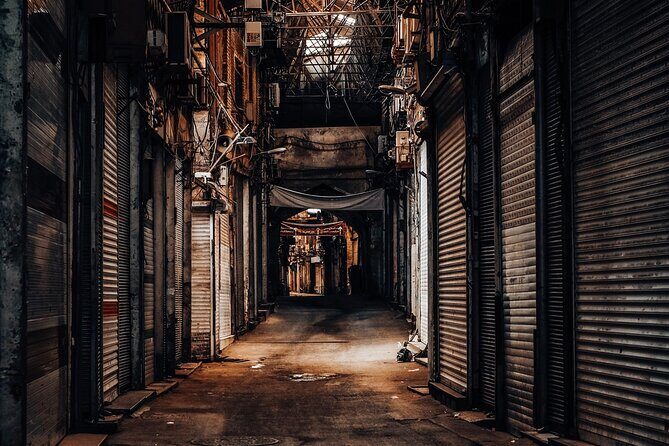
Your first big food-walk area is Katra Ahluwalia, right in the heart of the old city. This part of the route is built around narrow alleys that form a maze, so you’ll be glad you have a guide here. Without one, it’s easy to get disoriented or accidentally miss the lanes where the traditional spots cluster.
You’ll spend about 1 hour in this section. Admission is free here, so the cost is purely about time with the guide and eating at local stalls or hole-in-the-wall places.
What I like about a stop like Katra Ahluwalia is that it teaches you how the city moves. You get to experience how Amritsar’s food culture fits into daily life—shops, families, and long-running kitchens in tight street patterns. It’s not meant to feel like a food festival. It’s meant to feel like real street-level dining.
Possible drawback: alleyways can feel crowded, and you should go in ready for close quarters. If you’re someone who hates narrow spaces, plan to keep a calm pace and focus on the food and stories, not the roominess.
Hall Bazaar: a major market stop that earns its time
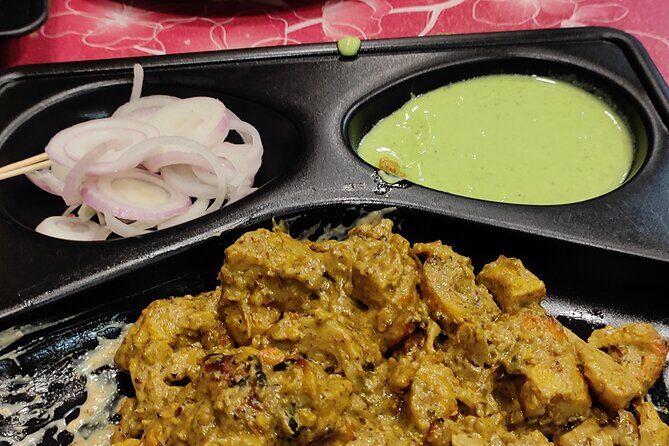
Next comes Hall Bazaar, which the tour describes as the city’s oldest and biggest market, dating back to the 1500s. You’ll spend about 50 minutes here, and admission is included.
This is a smart stop because it gives you a broader sense of Amritsar beyond the stalls you’re eating at. A market like Hall Bazaar isn’t just a backdrop—it’s where trade, daily errands, and local commerce all overlap. That means your food stops feel more grounded in the city’s rhythm.
You’ll get time to walk and notice how shops are arranged, which helps you understand why certain foods and snack styles remain popular. When vendors and customers keep showing up for decades, menu style doesn’t change overnight. Even if you’re not analyzing food trends, you’ll feel that continuity.
Practical note: markets can be lively and busy. If you get overwhelmed easily in crowds, you may want to mentally switch into “slow and steady” mode and let your guide set the pace.
You can also read our reviews of more food & drink experiences in Amritsar


Guru Bazaar: gold and diamond market atmosphere after you’ve eaten
The final market vibe is Guru Bazaar, described as North India’s biggest and oldest gold and diamond market. The tour folds this in at the end, after you’ve already built up an appetite (and probably a satisfied stomach).
This stop works well because it changes the energy. You’ve just spent time on food-first lanes, and then you move into a trade-focused setting where the city shows another side of itself. The contrast helps your brain connect Amritsar’s food culture with its broader local economy and long-standing business traditions.
You also get a nice flow: eat, wander, learn, then finish with the market identity. It makes the 2 hours feel more like a complete evening outing instead of only a sequence of snacks.
One consideration: if you’re not interested in shopping or market scenes, you might treat Guru Bazaar as a visual and cultural wrap-up rather than a “do something” stop.
Why small groups matter in old-city lanes
This tour is designed for a small group with a stated limit of eight people, and the activity also lists a maximum of 15 travelers. Either way, it’s clearly positioned as a more intimate walk than big-bus-style sightseeing.
Smaller groups help in practical ways. You’re easier to manage in narrow alleys, and you can actually ask questions while walking. It also makes it more comfortable when you stop at tight food spots where people may be squeezing past each other.
No-navigation is the hidden benefit. The tour specifically notes that you’ll be led through narrow back streets without worrying about directions. That matters because in old cities, getting lost is not just annoying—it can steal your eating time.
The guide experience: history that ties to what’s on the plate
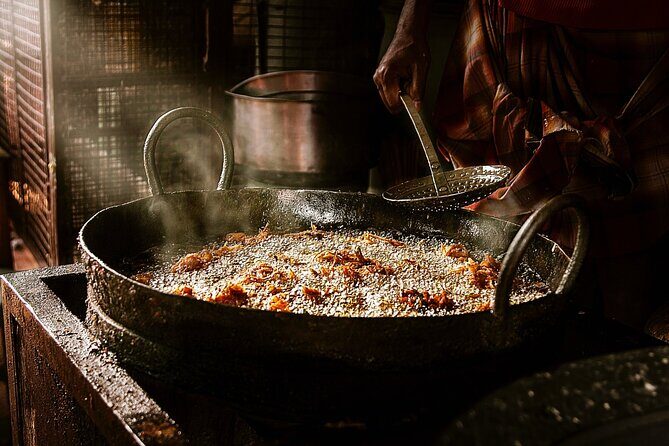
A big part of why this walk gets strong ratings is the guide storytelling. Guides like Ram and Ravish are highlighted for connecting the food with Amritsar’s past and explaining what you’re seeing while you eat.
That’s the right approach for a food walk. Food alone is fun, but local context turns it into a memory you can explain later. When the guide shares history while you’re actively tasting, it clicks faster than reading about it after the fact.
If you’re the type who loves asking questions—what this dish is, why it’s made a certain way, how the city supports these traditions—this format usually feels satisfying.
What you should do before you start (simple, not fussy)
Go hungry enough to enjoy multiple snacks, but don’t expect this to replace a full restaurant dinner. Since it’s snacks and bottled water included, you can save money and time, but you may still want a light plan for after the tour.
Wear shoes you trust on uneven or tight street surfaces. You’re walking through alleyways and market areas, so flexible comfort beats fancy.
Also, plan to be present. This kind of old-city food walk moves quickly and depends on attention. If you wander off mentally, you’ll miss the point of what the guide is doing—connecting the lanes to the food choices.
Who this Amritsar food walk is best for
You’ll likely enjoy this most if you want:
- Local food on a guided route, not a DIY hunt
- A short evening activity around 2 hours
- Market-side context, including major areas like Hall Bazaar and Guru Bazaar
- A group size that supports conversation, not a crowd shuffle
It’s also a great match if you’re visiting for the first time and want a fast way to see how the old city functions after dinner time—without committing to a full-day tour.
If you’re looking for a high-end dining experience or a quiet, sit-down meal, this is probably the wrong vibe. This is street-level Amritsar, guided and practical.
Should you book Amritsar Food Walk With Hidden Gems?
If your goal is more eating, less logistics, this is an easy yes. The price is reasonable for an evening program, especially because snacks and bottled water are included, and the route is structured to protect your time in the old city.
Book it if you like food plus local context, and you’re comfortable walking through narrow lanes and busy market areas for about 2 hours. Skip it if you want only one big meal, hate alley crowds, or you’re traveling in weather you don’t trust—since the tour depends on good conditions.
If you’re in Amritsar and want a night that feels connected to the city instead of separate from it, this is a strong bet.
FAQ
What time does the Amritsar food walk start?
The tour starts at 7:00 pm.
How long is the tour?
It takes about 2 hours.
How much does it cost?
The price is $28.00 per person.
Where do I meet the guide?
You meet at the Statue of Maharaja Ranjit Singh at Town Hall, Katra Ahluwalia, Amritsar (JVFH+GRF).
What’s included during the food walk?
Snacks and bottled water are included.
Is it a large group or small group?
It’s designed as a small-group experience with a limit of eight people, and the activity lists a maximum of 15 travelers.
Do I need a paper ticket?
No. The tour uses a mobile ticket.
What happens if weather is bad?
The tour requires good weather. If it’s canceled due to poor weather, you’ll be offered a different date or a full refund.