REVIEW · NEW DELHI
Temples, Bazaars & Food Tasting in Old Delhi with Female Guide
Book on Viator →Operated by THE LOST COMPASS · Bookable on Viator
Spices, temples, and a female guide with rhythm. This 3-hour Old Delhi tour is built around temple storytelling and real market scenes—Chandni Chowk to Khari Baoli, plus the silver lanes and a famous mosque. I especially like the food tasting mix (chai, samosa, pakora, curry, lassi) and how the guide connects places you’d otherwise just pass by. One thing to consider: you’ll be moving through tight, crowded streets, so comfortable shoes matter.
You also get that quick, “get your bearings fast” feeling without doing a marathon. Stops are short, but packed with context: Sikh, Jain, Hindu sites, and a major mosque, followed by a spice-and-bargain route that’s easy to understand in one sweep. For solo women, the biggest confidence boost here is the female guide experience and the careful, friendly energy that comes up again and again in the way this tour is run.
In This Review
- Key highlights worth your attention
- Old Delhi in 3 hours: what this route really gives you
- Starting with Chandni Chowk and its loud sense of place
- Sis Ganj Guru Dwara: a Sikh temple stop with a real-food detail
- Red Fort and the Hindu temple view from outside
- Jain temple time: Lal Mandir and the bird hospital stop
- Dariba Kalan and Naughara: silver street and the lane of nine houses
- Khari Baoli: Asia’s second-largest spice market in practice
- Fatehpuri Masjid: a major mosque, aged and central
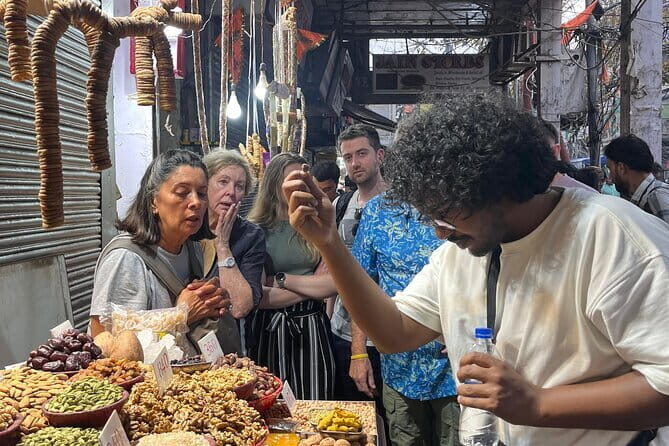
- Food tasting in Old Delhi: chai, samosa, pakora, curry, lassi
- Rickshaw rides and how you should dress for the streets
- Price and value: what $29 buys you here
- Who this tour suits best
- Should you book? My take
- FAQ
- How long is the Old Delhi temples, bazaars, and food tasting tour?
- Where does the tour start and end?
- What food is included in the tasting?
- Is there a rickshaw ride during the tour?
- Does the tour include temple visits and which ones?
- What if I have food allergies?
Key highlights worth your attention
- Female-guided route through Old Delhi’s most famous religious stops
- Four to five food tastes, including chai, samosa, pakora, curry, and lassi
- Khari Baoli spice market with strong, unmistakable aromas
- Jain temple visits that go beyond photos, including a bird hospital stop
- Short rickshaw rides that help you cover more ground without rushing
Old Delhi in 3 hours: what this route really gives you
This tour works because it’s not trying to be everything. It’s trying to make Old Delhi make sense. You start in Chandni Chowk, then you bounce between religious landmarks and nearby market streets. The time feels tight on paper, but the route is designed so each stop adds a new layer: trade, faith, everyday life, and what people eat while they do both.
The pace is quick—most stops are around 10 to 25 minutes—so don’t expect long museum-style explanations. Instead, expect crisp stories and useful context so you understand what you’re looking at while you’re looking at it. That matters in Old Delhi, where the sights hit fast and the lanes blur together if you’re moving solo.
You can also read our reviews of more food & drink experiences in New Delhi



Starting with Chandni Chowk and its loud sense of place
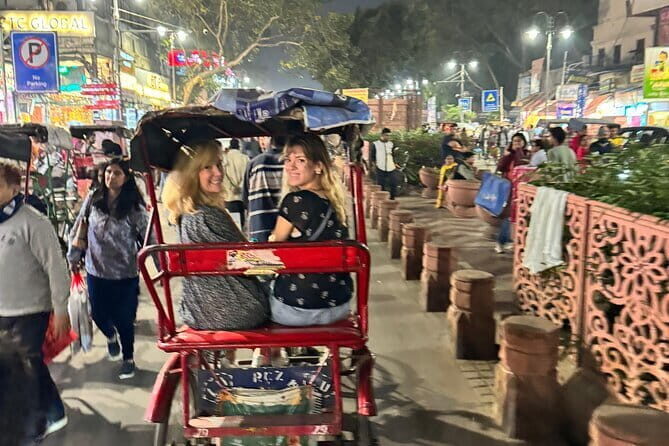
Chandni Chowk is a great opener because it tells you what Old Delhi feels like before you even reach a temple. You’re dropped into the famous lanes and market energy right away, with the focus on markets and charm rather than a single building.
What I like about starting here: you learn the rhythm of the area. You see how shopping happens in layers—small counters, eye-level displays, and constant movement—so later, when you hear about specific bazaars like silver or spices, it clicks faster.
Practical note: this start is sensory overload in a good way, but it can also be distracting. If you’re the type who likes to take photos from a steady spot, you may need to relax your expectations and let the street guide your framing.
Sis Ganj Guru Dwara: a Sikh temple stop with a real-food detail
Next comes Sis Ganj Guru Dwara, a beautiful Sikh site where the tour highlights culture and the daily life behind it. The standout detail is the mega kitchen, where food is served for free to huge numbers of people every day—around 12,000 to 15,000.
This isn’t included for trivia value. It gives you a window into the idea of community service that’s central to Sikh institutions. Even if you’re not religious yourself, it helps you read the place with respect instead of treating it like another photo stop.
One more thing: temple etiquette matters. Dress modestly and follow staff guidance on entry areas. You’ll get more from the visit if you come in ready to observe quietly when needed.
Red Fort and the Hindu temple view from outside
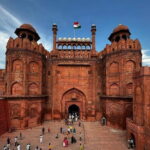
You’ll have a brief pass near the Red Fort and you can also see a Hindu temple from outside. This is a quick orientation moment. You don’t spend a long time here, but it adds scale: the fort presence helps you understand why Old Delhi became such a dense knot of communities, commerce, and faith.
Why this short stop is smart: it prevents the whole tour from bogging down in one major landmark. Instead, you keep momentum so the day stays market-and-temple focused.
If you’re hoping for a full interior visit, keep expectations aligned with what’s actually offered: this is about seeing and learning, not touring at length.
Jain temple time: Lal Mandir and the bird hospital stop
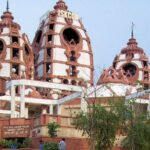
Then you shift into Jain territory with Lal Mandir Shri Digambar Jain Atishay Kshetra. Jain temples have their own mood—more quiet, more detailed, and often more intricate in how the structures and carvings catch your eye.
The highlight included here is the stop at the bird hospital inside. That detail turns a religious visit into something more practical and human. It also helps you understand that Jain communities often tie compassion and care into day-to-day religious life, not just architecture.
What to watch for: Jain sites can involve lots of visual detail. If your phone camera is your priority, you might miss some of the smaller elements the guide points out. Slow down for a minute when the guide directs your attention.
You can also read our reviews of more tours and experiences in New Delhi



Dariba Kalan and Naughara: silver street and the lane of nine houses
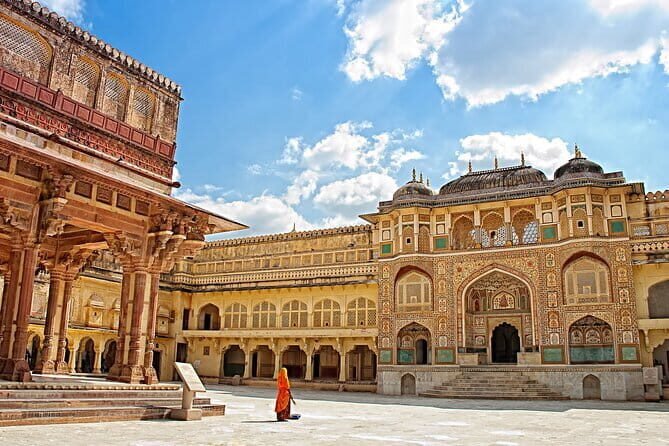
Dariba Kalan is famous for its silver market. You’ll pass through here—think of it as the “material culture” segment of the tour, where you see how Old Delhi’s trades evolve into distinct shopping streets.
After that, you head to Naughara, known as a row of nine houses, and you’ll explore a Jain temple located there. This portion is valuable because it shows the layered layout of Old Delhi. It’s not only big monuments; it’s also the lanes where communities live, shop, and worship close together.
If you’re short on time back home, this is the part that helps you feel like you saw more than just the headline sites. The lane format makes Old Delhi feel lived-in.
Khari Baoli: Asia’s second-largest spice market in practice
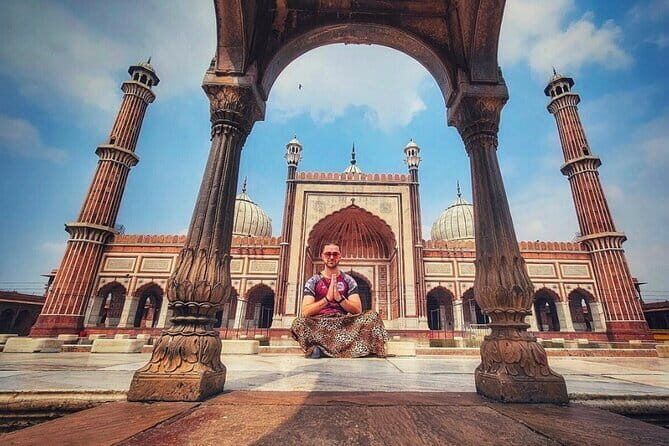
Khari Baoli is one of the best “sensory anchors” in the whole itinerary. It’s described as Asia’s second-largest spice market, and you’ll feel it immediately. The aroma can be strong, and it’s the kind of place where you understand why spices became central to this city’s economy.
This stop is also good for learning how to look. Don’t just treat spices like colorful clutter. Notice the different types, the way they’re displayed, and how different stalls feel like mini worlds.
Quick advice: if you have a sensitive nose or asthma triggers, consider that spice scents can be intense. The tour does say you can write in about food allergies, but it doesn’t specifically mention scent sensitivities—so if you’re sensitive, plan accordingly.
Fatehpuri Masjid: a major mosque, aged and central
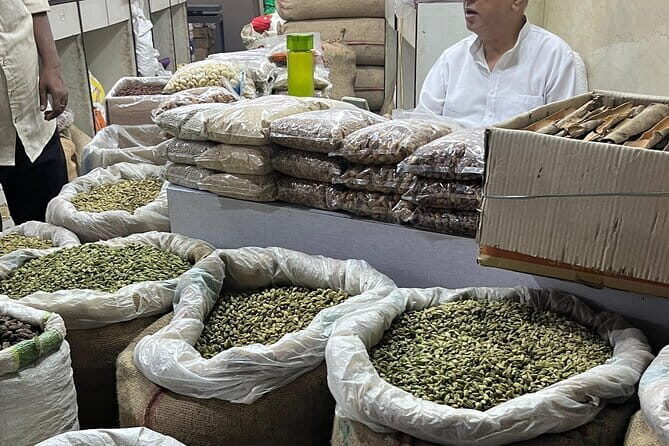
Finally, you end with Fatehpuri Masjid in the heart of Old Delhi. This is a 375-years-old mosque and it’s also noted as the 2nd largest mosque in its category in the tour details.
The value here is contrast. Earlier you’ve seen Sikh and Jain spaces, then Hindu context, then market lanes. Ending with a major mosque gives you a fuller view of Old Delhi’s faith landscape without making the route feel disjointed.
The stop is brief, so rely on the guide to point out the parts worth noticing rather than trying to memorize everything yourself while traffic and crowds press in.
Food tasting in Old Delhi: chai, samosa, pakora, curry, lassi
The food is a key reason this tour works, especially if you want Old Delhi flavor without guessing where to start. You get 4 to 5 food items that focus on classic street comfort: chai, samosa, pakora, traditional bread, plus a curry and lassi.
What I like about this mix:
- It covers both hot and cooling flavors (chai and lassi).
- It balances fried snacks (samosa, pakora) with something more filling (bread and curry).
- It gives you a taste of the city’s everyday eating, not just one fancy dish.
You’ll also get bottled water and coffee and/or tea. That helps because Old Delhi’s streets can wear you out faster than you expect, even in a short 3-hour tour.
Allergy heads-up: the tour notes that you should write about any food-related allergies. Do that early, not last minute, so the team can plan what you eat.
Rickshaw rides and how you should dress for the streets
You get rickshaw rides, which is a practical upgrade in a city of tight lanes. It helps you cover distance without constant walking, and it also keeps the tour feeling like Old Delhi rather than a series of quick waypoints.
That said, you’re still on the streets. Dress for comfort. Wear shoes you can walk in for a couple of hours without thinking about it, and keep your day bag light. With short stops and crowded crossings, the less you carry, the more you enjoy.
If you’re someone who hates heat or wants lots of breaks, this might feel a bit fast, since the whole tour is about momentum and short segments.
Price and value: what $29 buys you here
At $29 per person, the value comes from the mix, not just the individual sights. In a single outing you get:
- a guide
- multiple religious stops with context
- market time in key streets (spices and silver)
- rickshaw rides
- bottled water
- coffee and/or tea
- 4 to 5 food items
If you tried to recreate this on your own, you’d spend your time figuring out logistics, where to eat, and how to move efficiently between areas. This tour compresses that planning into a tight, guided loop.
One more value angle: the guide is part of the deal. In places like Jain temples and working kitchens, the details make the difference between a quick look and an actual understanding of what you’re seeing.
Who this tour suits best
This experience is a strong fit if you:
- want Old Delhi context quickly
- enjoy street markets and religious sites in the same day
- want a structured food tasting without hunting down stalls
- appreciate the reassurance of a female guide-led format
It’s especially good for first-timers who feel overwhelmed by how many neighborhoods and attractions exist at once. The route is designed to help you get oriented without turning your day into a checklist.
If you’re someone who needs long stops, quiet time, and slow pacing, you might feel the short durations. In that case, treat this as a sampler. You’ll likely want to come back for a longer visit to the places that catch your eye most.
Should you book? My take
If you’re trying to choose between seeing a single monument or getting the feel of Old Delhi’s street life, I’d pick this. You get more variety than a standard “one temple and one market” loop. The food tasting is practical, the religious stops add meaning, and the market route is easy to follow in a single 3-hour window.
Book it if you like the idea of being guided through the chaos with a plan. Skip it if you need long indoor time, slow pacing, or a mostly quiet experience. Old Delhi is never fully quiet, but this tour helps you handle it.
FAQ
How long is the Old Delhi temples, bazaars, and food tasting tour?
The tour lasts about 3 hours.
Where does the tour start and end?
It starts at Metro Station Lal Qila, Chandni Chowk, Delhi 110006, India, and ends back at the meeting point.
What food is included in the tasting?
You get coffee and/or tea, bottled water, and about 4 to 5 food items, including chai, samosa, pakora, traditional bread, curry, and lassi.
Is there a rickshaw ride during the tour?
Yes, rickshaw rides are included.
Does the tour include temple visits and which ones?
Yes. You’ll visit multiple religious sites, including a Sikh temple (Sis Ganj Guru Dwara), a Jain temple area (Lal Mandir Shri Digambar Jain Atishay Kshetra and another Jain temple at Naughara), and a mosque (Fatehpuri Masjid). You also see the Red Fort and a Hindu temple from outside.
What if I have food allergies?
If you have any food-related allergies, you should write to the tour team ahead of time so they can advise on what to do.