REVIEW · JAIPUR
Jaipur: Jhalana Amagarh Leopard Safari Park Guided Tour
Book on GetYourGuide →Operated by Parikshit Tour and travels · Bookable on GetYourGuide
Leopards in the wild are never routine.
This guided safari around Jaipur is all about conservation land in the Aravalli hills, where you ride through 23 sq km of open forest space looking for leopards and other wildlife. I like that it’s designed for education and animal welfare, not just sightseeing, and I also like that you get an English live tour guide while you’re searching.
Two things I’d call out right away: first, the park is serious about its mission, operating as a non-profit wildlife park managed with the Government Forest Department. Second, the chance to see leopards in a reserve forest near the city feels both thrilling and more authentic than a standard zoo visit. One big consideration: leopard sightings are not guaranteed, and the rules say money won’t be refunded if you don’t see one.
In This Review
- Why Jhalana Amagarh feels different from a typical Jaipur wildlife visit
- The quick essentials: where the safari starts and how long it lasts
- Key moments you should look for on the drive
- What the guided experience is really like once you’re inside
- The leopard spotting game: how odds are shaped on this route
- Other wildlife you can realistically expect besides leopards
- Price and value: what $36 buys you, and how to choose shared vs private
- How to pack and behave for better sightings
- Logistics you should sort before you go
- Who this safari suits best (and who should skip it)
- Should you book the Jhalana Amagarh Leopard Safari?
- FAQ
- How much does the Jhalana Amagarh Leopard Safari cost?
- How long is the safari?
- Where does the safari start and end?
- Is the safari guided, and what language is it in?
- Are leopard sightings guaranteed?
- What should I bring for better wildlife viewing?
- Do I need to send my passport for entry?
- Who should avoid this safari?
Why Jhalana Amagarh feels different from a typical Jaipur wildlife visit
Jhalana Amagarh Leopard Safari Park is close to Jaipur—so close that it’s effectively a city escape into a real reserve forest. The park covers 23 square kilometers, and it’s set up as a wide-open space where animals can live more like their wild counterparts than they would behind tight barriers.
It’s also built around conservation and education. You’re not just driving around hoping for a rare moment. The safari is guided, and you’ll learn what you’re looking at—leopards, but also the other species sharing the same habitat. The park aims to represent wild animals, with 500+ animals across its area, which helps explain why you may still see lots of movement even if a leopard stays hidden.
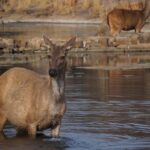
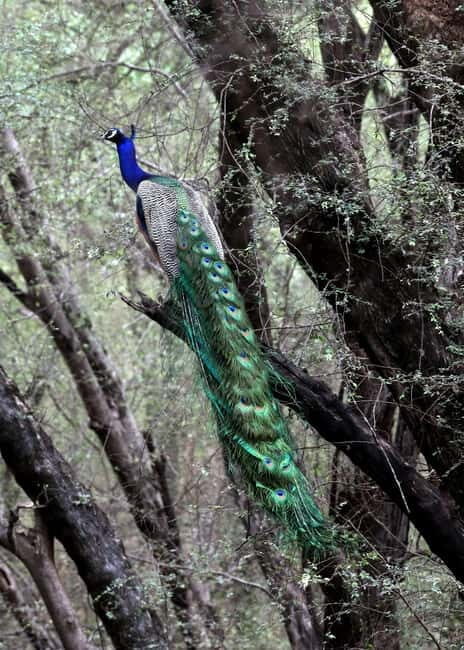
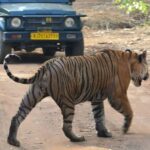
The wildlife here isn’t one-note. Alongside leopards, the park is home to animals such as jackals, nilgai, hyenas, jungle cats, spotted deer, wild boar, and birds including peacocks and migratory species. In practical terms, that means your safari experience is usually more than a single big moment—it’s about reading the habitat and catching activity where you find it.
The quick essentials: where the safari starts and how long it lasts
Your starting point is Amagarh Leopard Reserve. From there, you’ll do the wildlife viewing part inside the Jhalana Amagarh safari area, typically lasting about 2 to 2.5 hours.
There are two routes that are open for visitors. Which one you take can affect what you see, especially because leopards often stay out of view and rely on cover. Your timing can also shift. The safari start time may move by 1 to 2 hours depending on the season, so build in flexibility rather than locking yourself into a tight schedule.
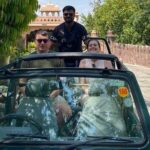
Transport is also part of the “expectation setting.” You’ll be using a sharing safari vehicle for the standard tour. If you choose a private leopard safari option, you’ll get a more tailored outing. Either way, expect a safari-style ride on forest roads, not a smooth highway.
Lastly, this is managed and operated by the Government Forest Department. The park also requests your passport details after booking for entry, so it’s not the kind of tour where you can show up casually at the last minute with only a phone screenshot.
You can also read our reviews of more guided tours in Jaipur



Key moments you should look for on the drive
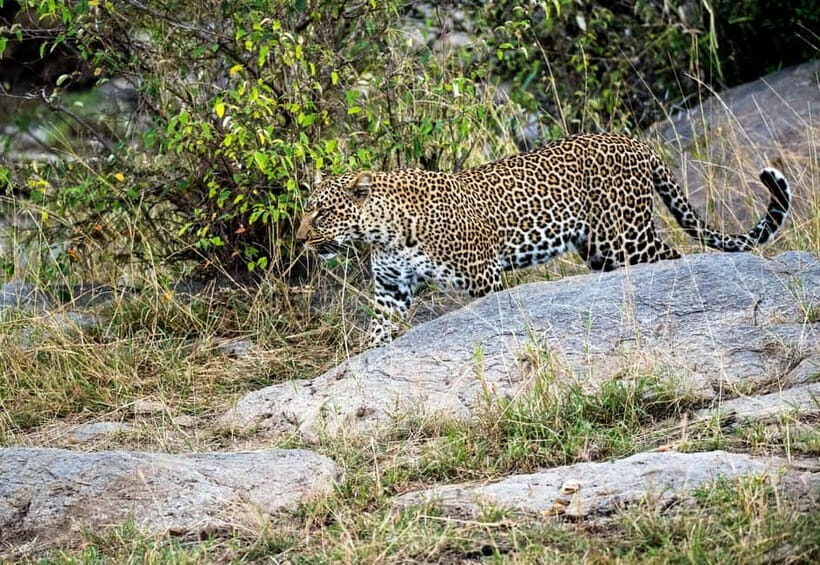
Leopard territory is in the tourism area: The park notes that only a portion of leopards have territory inside the tourism zones, which is why persistence matters.
You’re looking at habitat, not just animals: The guide helps you connect what you spot—tracks, movement, cover—with where a leopard might be.
Watch birds and smaller mammals too: Jackals, deer, and birds can give you clues that the area is active.
Other big cats may appear: The park lists jungle cats, plus hyenas, so your viewing isn’t limited to one species.
Routes matter: Two safari routes are open, so your exact route can shape your odds of spotting leopards.
What the guided experience is really like once you’re inside
Once you’re out in the reserve forest area, the safari becomes a mix of slow scanning and quick decisions. Your guide’s job is to help you interpret the setting—trees, open stretches, and the kinds of spots where leopards might feel safe enough to move. You’re riding through a system that used to be a reserve forest around Jaipur, and the park continues that focus on animals living in a more natural-feeling space.
You’ll be guided in English. That matters because you’ll get context for what you’re seeing, not just where the animals are. The park is also built around education and conservation, so the guide’s explanations are meant to make your sightings more meaningful—like understanding why leopards can be hard to spot even when they’re around, or why other animals show up when conditions are right.
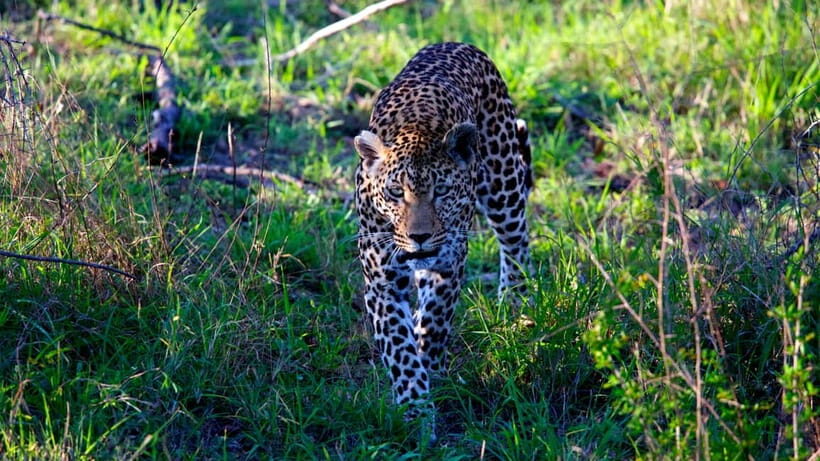
Your biggest mental shift should be this: treat the safari as wildlife viewing with leopard as the highlight, not as a guaranteed leopard tour. The rules are clear that you’ll want to manage expectations. Even with leopards present in the park, they may stay concealed or move through areas that don’t give you a clean view from the vehicle.
One more practical reality: this kind of safari is time-sensitive. If you’re on a shared vehicle, you may wait for the route to shift based on sightings, and then suddenly you’ll drive to a spot where someone reports activity. That’s part of how wildlife safaris work here.
The leopard spotting game: how odds are shaped on this route
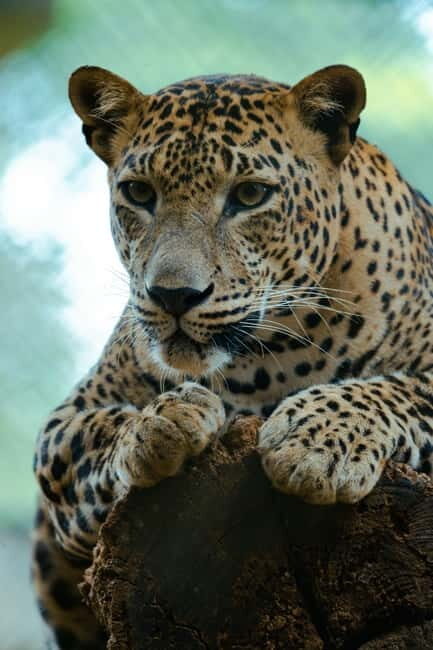
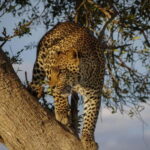
Jhalana Amagarh is known for leopards, and the park identifies a population in the area: 30–35 leopards overall, with 6–7 holding territory in the tourism area. That’s the best possible setup for leopard sightings, but it still doesn’t make the leopard appear on command.
What helps your chances is how you prepare and how you behave during the safari. Keep noise low. Don’t bounce around for photos. Give the guide a moment to get the group positioned. Wildlife viewing is often about small timing windows: the second you spot movement, the animal might be there for only a brief stretch before it disappears behind cover.
Also, there are no “missed opportunities” if you see other wildlife. A jackal appearing at the edge of a visible area, or birds settling into a spot, can mean the area is active. Sometimes leopard sightings come after that kind of activity. Other times, you may simply enjoy a strong wildlife mix without ever seeing the leopard up close—because the leopard is playing the longer game.
Be aware that the safari experience can include short drives within the route as guides reposition vehicles. If the day’s sightings are scattered, it can feel like a lot of moving for a few seconds of visibility. That’s not a deal-breaker, but it is something to expect when leopard sightings drive the on-the-ground decisions.
Other wildlife you can realistically expect besides leopards
Leopards are the headline, but your viewing day is likely to include other species, and that’s a big part of the value. The park lists animals such as:
- Jackals
- Nilgai (blue bull)
- Hyenas
- Jungle cats
- Peacocks
- Spotted deer
- Wild boars
- Resident and migratory birds
In plain terms, this means you’re not totally dependent on one animal to make the safari feel worth it. If the leopard stays out of sight, you may still get movement at a distance: deer stepping into open ground, birds calling and shifting, and other animals using the same terrain.
I also recommend paying attention to peacocks and birds. Bird activity can be constant in many reserves, and it helps you stay engaged while you wait for a possible mammal sighting. It’s also one way to make the safari feel less like dead time if the leopard doesn’t appear early.
Finally, remember that the park’s structure includes wide-open spaces rather than tight enclosures. That changes how you see wildlife. You might spot something only briefly, but the habitat tends to show more natural behavior than a purely fenced setting.
You can also read our reviews of more tours and experiences in Jaipur
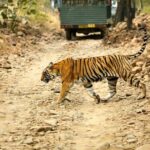

Price and value: what $36 buys you, and how to choose shared vs private
The standard price is listed at $36 per person for a 2.5-hour safari experience. That’s a fair price if you treat it as guided wildlife viewing with a real shot at leopards, but it’s not a fixed-feeling deal if you expect guaranteed leopard photos.
Here’s the value logic: you’re paying for three things at once—
1) access to a leopard-focused reserve area managed by the Government Forest Department,
2) guided wildlife scanning in English, and
3) safari transportation in a shared vehicle.
What can affect perceived value is whether your safari day delivers active wildlife. If leopards stay hidden, you’re still riding through a place with other animals, but the headline moment might be distant. And the rules say you won’t get a refund if leopards aren’t seen.
If you want a more controlled experience, you can choose a private leopard safari option. Private can help when you want fewer interruptions and a tighter group pace. You can also add hotel pickup and drop-off by AC car if you choose that option—useful if you’re managing time in Jaipur and don’t want to arrange transport separately.
One more practical money note: there are situations where costs can shift at arrival if the group plan changes. I’d treat any on-the-ground payment request seriously and ask for the exact reason before you pay anything extra.
How to pack and behave for better sightings
You don’t need a safari wardrobe, but you do need to blend in and keep things simple. The park recommends comfortable, neutral-colored clothing so you don’t visually stand out.
For gear, bring binoculars if you can. Camera is allowed, but avoid flash photography. Flash can disturb animals and it doesn’t help your long-lens focus anyway. If you’re planning on photographing wildlife, prioritize steady movement and patience over quick shots.
Behavior matters just as much as clothing. Keep noise levels to a minimum, and stay quiet when the guide is checking an area. If you’re tempted to talk loudly or stand up repeatedly to look around, you’ll lose prime viewing windows and you’ll make the whole group less likely to notice what’s happening.
Also note the rule: no smoking. It’s not only for safety—it helps keep the environment calmer for animals.
Lastly, if you get motion sick easily, consider eating lightly before the ride. Safari roads can be bumpy, and you don’t want your stomach to ruin your focus while you’re searching the trees for that one moving shape.
Logistics you should sort before you go
This safari runs through Parikshit Tour and Travels as the experience provider, but it’s the Government Forest Department that manages and operates the safari area. That’s good to know because it explains the structured entry rules and why the park is strict about wildlife conduct.
After booking, the park requests your passport for entry via WhatsApp or email. Don’t wait until the day of. Get it sent as soon as you’re asked, then double-check that your details are correct.
Start times can shift by 1 to 2 hours depending on season. So if you’re building a full Jaipur day, schedule your safari as your main event in that block of time. Don’t schedule tight museum transfers immediately after unless you’ve left buffer time.
And yes, you’ll want to plan for limited certainty. The rules state that money will not be refunded if the safari cannot take place due to bad weather, and also money will not be refunded if leopards are not seen. In other words: treat it like wildlife viewing with a real chance at magic, not like a fixed ticket to a specific animal moment.
Who this safari suits best (and who should skip it)
This tour is not suitable for:
- children under 8
- pregnant women
- people with back problems
If you’re traveling with any of the above considerations, you’ll want to choose a different activity with more comfortable seating and less movement.
Who it suits best is pretty clear. You’ll like it if you:
- enjoy guided wildlife viewing and learning what you’re seeing,
- can handle waiting for short wildlife moments,
- are flexible with route changes and start times, and
- don’t need a guaranteed leopard sighting to feel like you got value.
If you’re a photographer, bring binoculars and plan for distance sightings. If you’re traveling as a couple or with friends and you want the best odds for a calm experience, private can be worth it.
Should you book the Jhalana Amagarh Leopard Safari?
Book it if you want a guided, conservation-minded safari experience in the Aravalli foothills close to Jaipur, and if you’re okay with the real wildlife rule: animals control the timing. The chance to see leopards in a tourism zone, plus the mix of jackals, nilgai, hyenas, jungle cats, and birds, makes the outing feel like more than a one-animal gamble.
Skip it if you’re only interested in a guaranteed close-up leopard photo, or if you’re sensitive to bumpy rides and waiting. Also think twice if the idea of no refund for missed leopard sightings will stress you out.
If you do book, your biggest edge comes from simple choices: neutral clothing, low noise, patience, binoculars, and giving the guide room to reposition the vehicle when something gets spotted.
FAQ
How much does the Jhalana Amagarh Leopard Safari cost?
The price is listed as $36 per person.
How long is the safari?
The wildlife viewing portion runs about 2 to 2.5 hours.
Where does the safari start and end?
It starts at Amagarh Leopard Reserve and returns to Amagarh Leopard Reserve.
Is the safari guided, and what language is it in?
Yes, you’ll have a live tour guide in English.
Are leopard sightings guaranteed?
No. The information provided says money will not be refunded if leopards are not seen.
What should I bring for better wildlife viewing?
Binoculars are recommended for better viewing. Camera is allowed, but avoid flash photography.
Do I need to send my passport for entry?
Yes. After booking, you’ll need to send your passport details via WhatsApp or email for park entry.
Who should avoid this safari?
It is not suitable for children under 8, pregnant women, and people with back problems.