REVIEW · RISHIKESH
Sunrise Day Hike in Rishikesh
Book on GetYourGuide →Operated by Mapping The Himalayas, Rishikesh · Bookable on GetYourGuide
That early light is the whole point. A Kunjapuri sunrise day hike in Rishikesh mixes a temple-at-the-top feeling with a proper mountain climb, then lands you at Neer Waterfall on the way back down. I especially like the temple vibe at Kunjapuri Devi and the way the hike keeps moving through jungle and scenic stretches. The only real drawback: if clouds roll in (or rain messes with the sky), sunrise can be muted, so you’ll want to treat the hike itself as the main event.
You start pre-dawn with pickup from Tapovan or Ram Jhula, head up to the Kunjapuri area at about 1645 meters, and spend time at the ancient Kunjapuri Devi Temple (a Saktipeeth connected with Adi Guru Shankracharya). After breakfast, you descend and get your second nature hit at Neer Waterfall, with enough time to enjoy photos and the calmer moments in between.
In This Review
- Key things to know before you go
- Entering the Kunjapuri Temple sunrise experience (1645m and Garhwal views)
- Getting to the hill: pickup from Tapovan or Ram Jhula and a half-day rhythm
- The climb to Kunjapuri Devi: temple stairs, jungle time, and what to expect underfoot
- Sunrise at the top: how the view works (and why clouds still won’t ruin your morning)
- Neer Waterfall and the jungle walk back down: why the return is the real payoff
- What to pack (and what not to bring) for a smooth Kunjapuri morning
- Price and value check: what $54 includes for a Kunjapuri sunrise trek
- Should you book this sunrise day hike in Rishikesh?
- FAQ
- How long is the Sunrise Day Hike in Rishikesh?
- Where are the pickup and drop-off points?
- Is breakfast included?
- Does the price include transportation and a guide?
- Are hiking poles provided?
- Is this a private group tour?
- What languages do the guides speak?
- What should I bring?
- Who is this not suitable for?
- What restrictions should I know about?
Key things to know before you go
- Kunjapuri hill (1645m) + temple timing: You’re aiming for sunrise from the summit area.
- Neer Waterfall is part of the return plan: The second half is your payoff for the climb.
- Private group with an English-speaking guide: You get explanation, not just directions.
- Bring grippy hiking shoes: Loose rocks, and monsoon conditions in particular, can get slippery.
- Swimwear is worth packing: The schedule includes a chance to swim near the waterfall.
Entering the Kunjapuri Temple sunrise experience (1645m and Garhwal views)
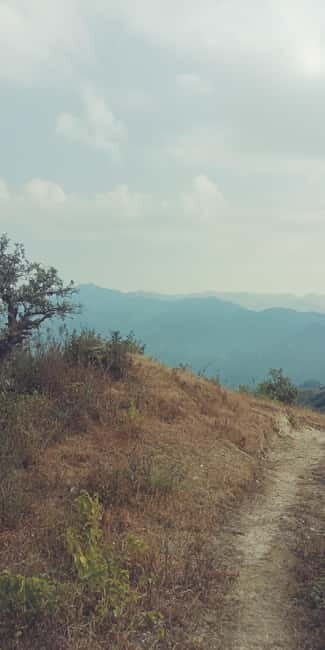
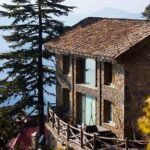
This hike is built around a simple idea: go high early, watch the sky change, then stay for the slower, more human parts of the morning. Kunjapuri Hill sits at about 1645 meters, and the summit area includes the Kunjapuri Devi Temple (kuñjā-pūrī / कुंजापुरी माता), described as an ancient Saktipeeth associated with Adi Guru Shankracharya. Even if you’re not chasing spiritual architecture, the setting matters because it adds meaning to the climb. You’re not just walking uphill; you’re arriving at a place people return to.
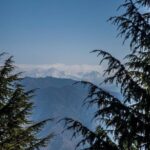
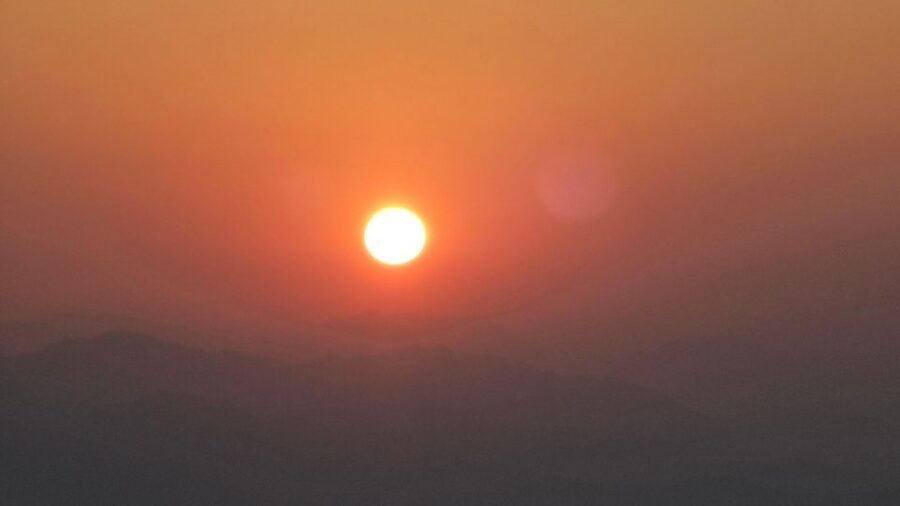
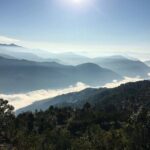
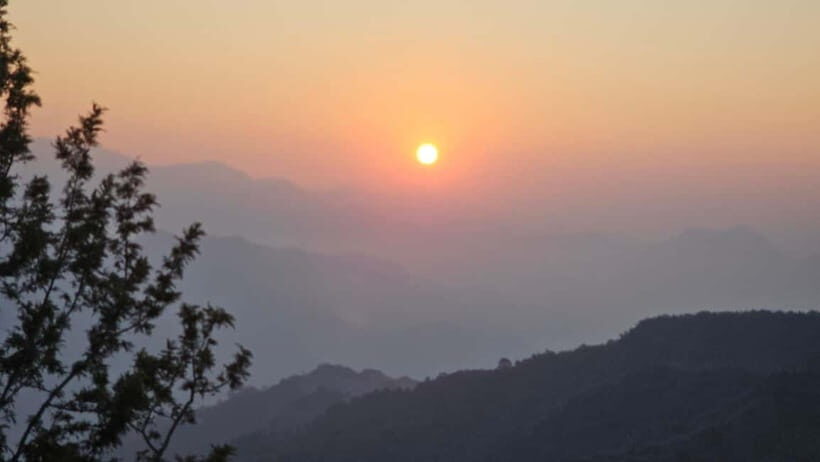
The views are another big reason people like this route. From the top, you can look toward the Garhwal Himalayas, and sunrise lighting tends to make distant peaks look sharper and more layered. When the weather cooperates, the colors across the sky are the kind of scene that makes you forget your watch.
That said, the sky is weather, not choreography. One of the most practical things I’d tell you: plan to be happy even if the sunrise is partially blocked. Your time will still include the guided temple visit, breakfast, and the scenic return with Neer Waterfall.
You can also read our reviews of more hiking tours in Rishikesh
Getting to the hill: pickup from Tapovan or Ram Jhula and a half-day rhythm
This is a 6-hour experience overall, and it runs on an early start. You get pickup from either Tapovan or Ram Jhula, and the trip is designed so you reach Kunjapuri before the main daylight action. That matters because sunrise timing isn’t just a “nice to have”—it shapes everything, from how early you leave to how you pace the climb.
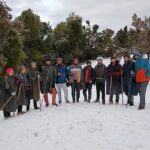
A private group setup helps here. Instead of getting swept into a crowd, you’re more likely to move as a unit with your guide. That’s handy on a route with stairs and rocky footing. You can also ask questions along the way—things like what you’re seeing on the slopes, what animals or plants might be around, and how to handle the descent safely.
One more practical note: you’ll be moving and you won’t be carrying a suitcase. The rules say no luggage or large bags, so plan to travel light. You’ll want your essentials accessible: shoes on, water/comfort items ready, and your camera ready for both the sunrise moment and the waterfall photos later.
The climb to Kunjapuri Devi: temple stairs, jungle time, and what to expect underfoot
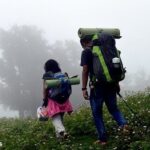
The hike starts before dawn and gradually shifts from road-and-vehicle calm to mountain exertion. Along the way, you’ll pass through lush greenery and get that early-morning feeling—quiet air, wildlife sounds, and the sense that you’re getting away from the town’s noise.
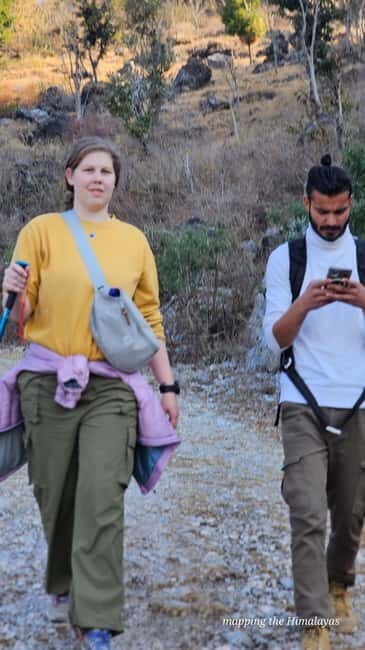
Once you’re near the temple area, you’ll tackle the more physical part: stairs and a rocky trail that can feel challenging if you don’t train your legs for uneven ground. Guides often set the pace, and they’ll point out details to keep the climb interesting. In past experiences on this route, guides such as Ankush, Sunil, and Manoj have been known for staying attentive on safety and sharing local stories about animals and plants. That kind of guidance helps because it turns a tough uphill into a guided, purposeful walk.
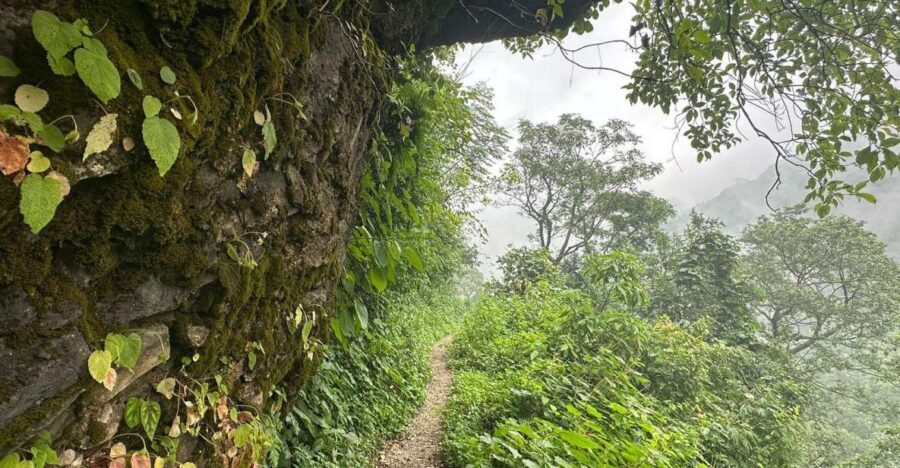
Here’s the non-glamorous truth that you’ll thank me for later: the stones can be loose, and in monsoon or wet conditions they can get slippery. So wear proper hiking shoes with grip, not smooth sneakers. If you show up unprepared, you can end up spending your energy managing footing instead of enjoying the view.
Also, keep your expectations flexible about the climb’s pace. The guide may adjust rhythm based on conditions, your group’s comfort level, and how the ground behaves.
Sunrise at the top: how the view works (and why clouds still won’t ruin your morning)
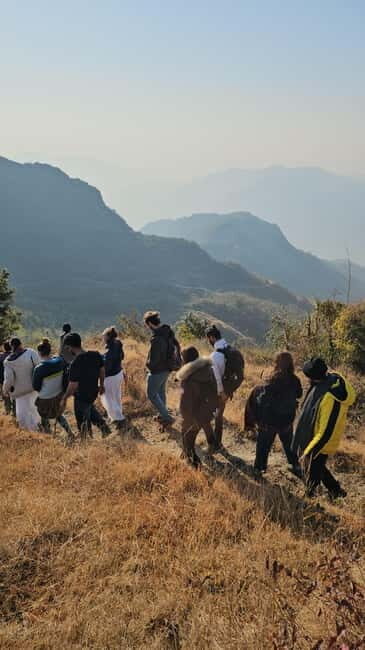
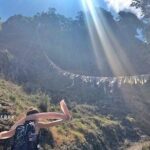
The main event is sunrise from the Kunjapuri summit area. You’ll arrive early enough to watch the sky shift colors, with Himalayan shapes sitting in the background as light grows stronger. This is one of those moments where silence feels normal. People tend to slow down and just watch.
But you’re not guaranteed a clear line of sight. Weather can block the sun, especially during the rainy season. When that happens, you still get something valuable: the mountain morning atmosphere and a strong hike with great photo opportunities even if the sun itself stays hidden behind clouds.
After sunrise, you’ll explore the surroundings and do time at the Kunjapuri Devi Temple, where the guided portion brings the place to life. Then breakfast happens before you head down. Breakfast matters here because it’s not just food—it’s a morale checkpoint that keeps your energy steady for the descent and the waterfall part.
If you’re a photographer, sunrise lighting can be fantastic, but don’t skip the “in-between” shots: temple details, the direction of morning shadows, and wide views from safe viewing spots. And if you’re not into photography, you’ll still enjoy the calm, the guided explanations, and the feeling of being on top before most of Rishikesh wakes up.
Neer Waterfall and the jungle walk back down: why the return is the real payoff
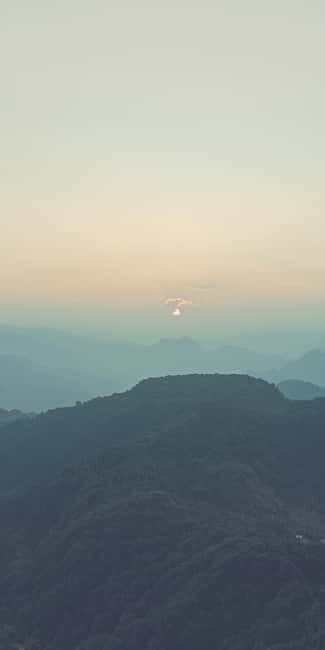
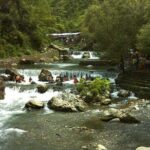
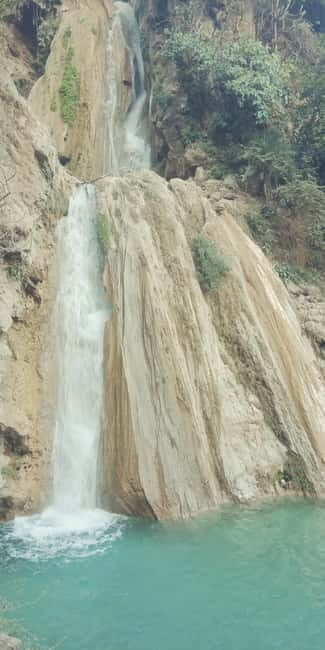
The route is designed so the descent isn’t just a tired shuffle. After breakfast, you go back down and you’ll reach Neer Waterfall—a natural stop that can feel like the reward for your effort. The waterfall is described as spectacular, and the best part is that it gives your body a chance to reset while you enjoy a fresh setting.
You’ll also get more “nature time” on the return. Highlights include a jungle walk, which means the trek doesn’t become purely technical after the sunrise segment. Instead, it keeps shifting between different types of scenery and sights—greens, sounds, and cooler air near the water.
Swimming is part of the plan, so bring swimwear and a change of clothes. Even if you don’t swim, you’ll likely want to stand near the water, enjoy the mist, and take a few photos where the light looks good. Just be smart about footing—water doesn’t make rocks safer.
This second half is also where guides earn their keep. A careful guide keeps the pace realistic, watches group members on slippery sections, and makes sure you don’t rush the descent just because the view looks close.
You can also read our reviews of more tours and experiences in Rishikesh


What to pack (and what not to bring) for a smooth Kunjapuri morning
This activity is simple, but your packing choices make a big difference on a rocky, early-morning trek. Here’s the list that’s actually useful:
Bring:
- Hiking shoes (grip is everything on loose rocks)
- Swimwear and a change of clothes for the waterfall area
- Camera for sunrise and waterfall photos
- Sunscreen and basic toiletries
- Toiletries in general for after-sun or post-water comfort
- Passport or a copy accepted
Leave/avoid:
- Luggage or large bags (not allowed)
- Alcoholic drinks in the vehicle
- Fireworks, explosives, and similar items
- Shoes indoors (temple rules)
- Red wine and nudity
A small but important practical tip: dress in layers. It’s often cooler before sunrise, and then it warms up as you climb and hike. You don’t want to overheat during the stairs.
If you’re traveling with a backpack, keep it compact. You’ll be happier and safer when your load is light and your footing is your focus.
Price and value check: what $54 includes for a Kunjapuri sunrise trek
At $54 per person for about 6 hours, this isn’t a “cheap and casual” hike. But it’s also not a luxury price tag, and that’s where the value comes in.
What you get included:
- Transportation (pickup from Tapovan or Ram Jhula, and drop-off back to Ram Jhula or Tapovan)
- An English-speaking guide (with Hindi also available)
- Breakfast
- Forest fees
- Hiking poles
That package turns the experience into something you can show up for without obsessing over logistics. Poles help a lot on descents, and breakfast reduces the chance you’ll feel wiped out before Neer Waterfall. Forest fees also matter—some treks feel half-supported until you realize fees aren’t included. Here, they are.
The main “cost” is effort: this isn’t the kind of hike you’d choose if you have low fitness. And it’s not a match for kids under 12 or for pregnant women. If you fit the requirements and show up with the right shoes, the price feels fair for a guided, structured half-day outdoors experience.
Should you book this sunrise day hike in Rishikesh?
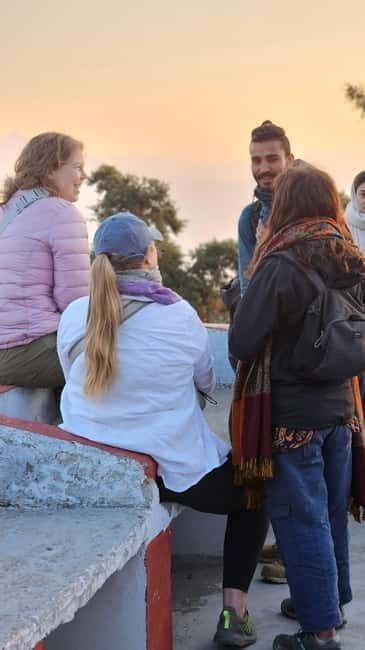
Book it if you want a real morning adventure with a clear reason to wake up early: sunrise from Kunjapuri hill, then temple time, then Neer Waterfall. It’s ideal for you if you like guided explanations, want a mix of stairs and nature, and you’re comfortable with a challenging trail segment.
Skip or rethink if any of these are true:
- You have low fitness and know long stairs and uneven rocks will stress you.
- You’re traveling with someone under 12, or you’re pregnant.
- You don’t have grippy shoes and you’re not willing to change plans to get proper footwear.
- You’re expecting the sunrise to be guaranteed. It’s a sunrise hike, but clouds and rain happen.
If you do book, treat the guide as part of the plan. On tougher ground, a good guide’s safety habits matter more than the perfect photo angle. And when you’re packing, prioritize shoes first, swim gear second, camera third.
FAQ
How long is the Sunrise Day Hike in Rishikesh?
The experience is listed as 6 hours total.
Where are the pickup and drop-off points?
Pickup is available from Tapovan and Ram Jhula. Drop-off is also at Ram Jhula and Tapovan.
Is breakfast included?
Yes. Breakfast is included as part of the morning schedule.
Does the price include transportation and a guide?
Yes. The package includes transportation and an English-speaking guide (with English and Hindi available).
Are hiking poles provided?
Yes. Hiking poles are included.
Is this a private group tour?
Yes. It’s a private group experience.
What languages do the guides speak?
The guide is available in English and Hindi.
What should I bring?
Bring swimwear, a change of clothes, a camera, hiking shoes, sunscreen, and toiletries. You’ll also need passport (a copy is accepted).
Who is this not suitable for?
It’s not suitable for children under 12, pregnant women, or people with low level of fitness.
What restrictions should I know about?
You can’t bring luggage or large bags. Alcoholic drinks in the vehicle are not allowed, and certain items like fireworks and explosive substances are also prohibited.