REVIEW · NEW DELHI
Private 4-Days Golden Triangle Luxury Tour From Delhi
Book on GetYourGuide →Operated by Travel India One Day · Bookable on GetYourGuide
Delhi-Agra-Jaipur can feel like chaos.
This private 4-day luxury route turns it into something you can enjoy: private guides with planned sight time, plus luxury hotel comfort between days. I especially like the early start for the Taj Mahal and the calm, no-rush flow of a dedicated driver. One consideration: entry tickets aren’t included, and some monument ticket desks may not take credit cards—so keep cash handy.
The best part is the pacing. You get a half-day intro to Delhi, then you slide into Agra for an out-of-the-way Taj morning, and finish with a full Jaipur day that hits the big sights without feeling like a checklist. You can also request adjustments to what you care about most, and the tour runs with private local guidance for each city.
If you want a smooth, upscale first taste of North India, this fits. If you prefer solo wandering with zero structure, you might find the guided timing limiting—especially on the Taj morning when the schedule is the point.
In This Review
- Key highlights worth your time
- How the Golden Triangle works in 4 days: Delhi to Agra to Jaipur
- Delhi’s Qutub Minar, India Gate, Lotus Temple, and the stepwell shortcut to the past
- Taj Mahal sunrise: the 2-hour guided visit before crowds fully arrive
- Agra Fort and the Baby Taj: where you slow down after the big one
- Jaipur’s Amber Fort plus Hawa Mahal: stepwell, cenotaphs, and the observatory
- Luxury hotels and private driving that keep your days sane
- The practical money issue: entry tickets and cash
- Guide handoffs, languages, and what support feels like
- Value check: pricing at about $8 per person for a private luxury-style route
- Should you book this Delhi-Agra-Jaipur luxury private tour?
- FAQ
- Is this tour private?
- What cities are included?
- How long is the tour?
- What is included in the tour price?
- Are monument entry tickets included?
- Are breakfast and hotel stays included?
- What time do you visit the Taj Mahal?
- What languages are available for the guide?
- What kind of vehicle will I ride in?
- What should I bring and know about payment for tickets?
- What if my plans change?
Key highlights worth your time
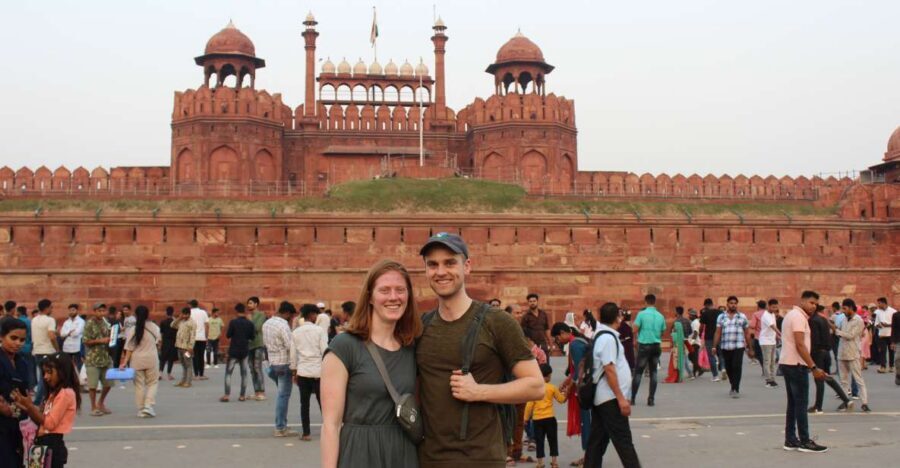
- Taj Mahal at sunrise with a guided visit before the worst crowds
- Battery bus ride from parking right up to the Taj Mahal area
- Amber Fort plus Hawa Mahal day with stepwell, cenotaphs, and observatory stops
- Private, air-conditioned vehicle sized to your group so you’re not crammed
- Hotel comfort with daily breakfast included in the hotel option
- New local guide per city so you get focused context where it matters
How the Golden Triangle works in 4 days: Delhi to Agra to Jaipur
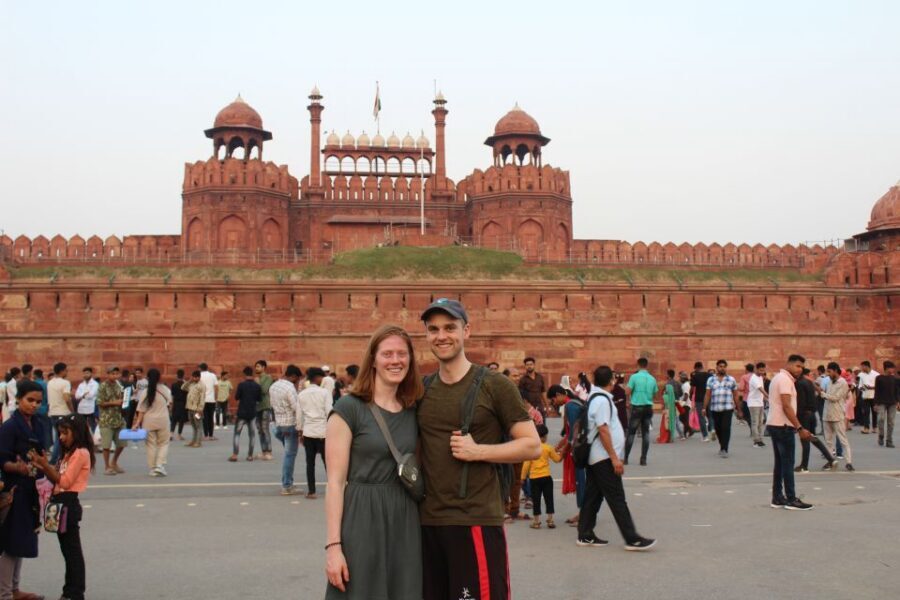
This tour is built around the classic Golden Triangle triangle-travel pattern: Delhi first, then Agra, then Jaipur. The big difference here is how the days are stitched together. You’re not relying on public transport or playing guesswork games with local schedules. Instead, you get a private air-conditioned vehicle and direct transfers between cities, which helps you spend your energy on the monuments.
In real life, that matters. Delhi traffic can eat hours fast, but a planned start and an expressway transfer make the day feel controlled. On the sightseeing sides, you also avoid the worst kind of tourist time-sink: arriving late, hunting for tickets, then losing most of your visit to lines. The tour’s rhythm is practical—morning monument blocks, then hotel downtime, then another monument block the next day.
One more useful detail: the plan allows customization. If you care more about architecture, gardens, markets, or viewpoints, you can ask to shift emphasis—within the structure of the route. It’s not a free-for-all, but it’s not rigid either.
You can also read our reviews of more private tours in New Delhi



Delhi’s Qutub Minar, India Gate, Lotus Temple, and the stepwell shortcut to the past
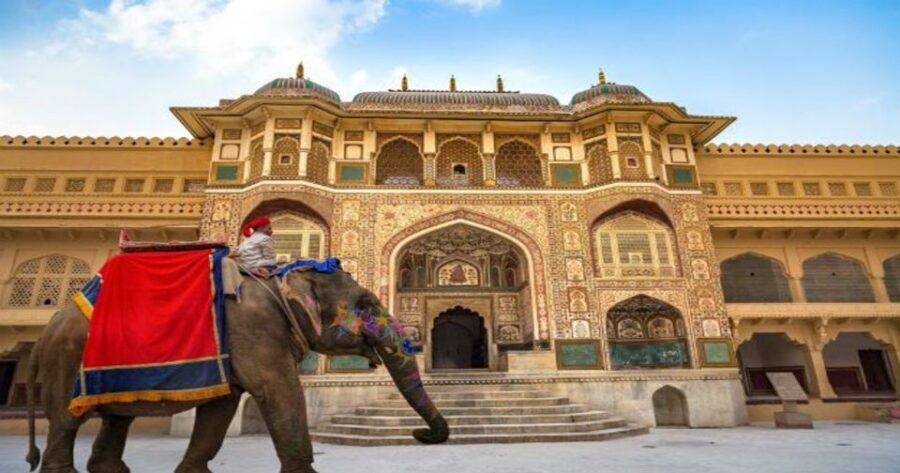
Your Delhi day is a half-day city-center loop, starting with pickup from your chosen location in Delhi, Noida, or Gurugram. Then you roll through some of the city’s landmarks that give you quick context for what came before the modern skyline.
Here’s what you’ll see and why each stop matters:
- Qutub Minar: This is where you get a sense of Delhi’s long architectural story. The tower was built by Qutub-ud-din Aibek, and it sets a tone for the rest of the day—stone, height, and old-world ambition.
- Lotus Temple (Bahai Temple): Even if you know nothing about it, the shape and light make it feel memorable. It also offers a contrast—Delhi isn’t only forts and tombs.
- India Gate: A simple visual anchor for the modern city’s layered identity.
- Agrasen Ki Baoli – Step Well: This is the kind of stop I love on first-time Delhi days. A stepwell feels calm and local, and it’s a nice break from the big-monument rush.
Along the drive you’ll also pass key government buildings like the Parliament House and the President’s Palace area. You’re not meant to linger there, but seeing them helps you understand how Delhi’s power center sits alongside older heritage.
By the end of the half-day, you head toward Agra (about 3.5 hours). That timing is intentional: it sets you up for the next day’s very early Taj Mahal start without burning your whole first day.
Taj Mahal sunrise: the 2-hour guided visit before crowds fully arrive
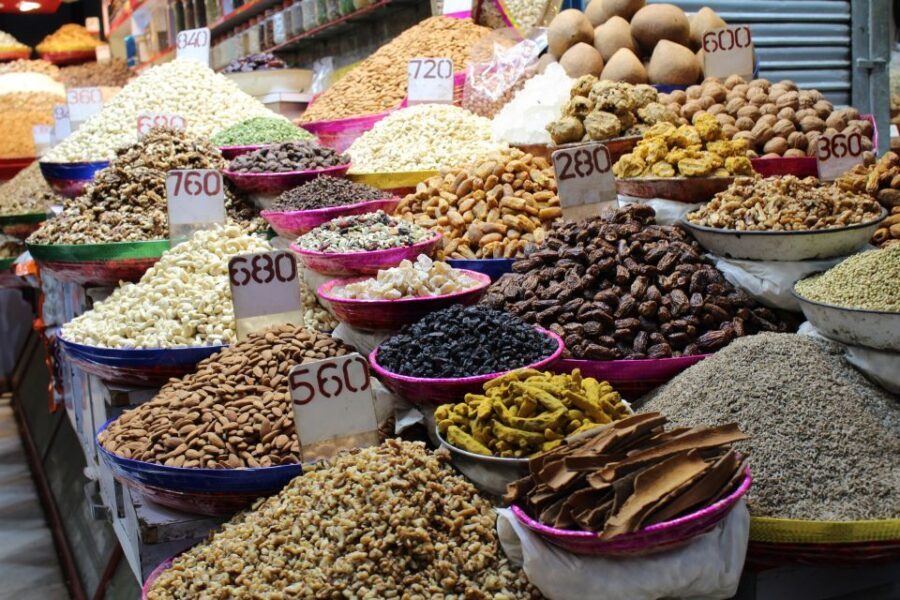
The Agra day is built around one major move: waking early for sunrise. The idea isn’t just romance—it’s logistics. The Taj Mahal looks best with morning light, and you’ll also have a better shot at a calmer visit before the busiest wave hits.
You’ll get a guided mausoleum tour for about 2 hours. This is ideal because the Taj can be impressive even if you don’t know the story. But with a guide, you start noticing details that turn the visit from wow to wow plus meaning—construction choices, symmetry, and the way the building holds light differently across the day.
You also get a battery bus ride from the parking area right up to the Taj Mahal monument area. That small convenience is a big deal here. You’re there early, you’re walking in heat and crowds later, and you don’t need extra fatigue before you even reach the main event.
If you like photography, the sunrise timing helps. The Taj’s colors shift with light angle, and early morning gives you those gradients without the midday harshness. Just bring sun protection—this is one of those places where you can feel fine at the start and then get reminded you’re in Rajasthan-level sun.
Agra Fort and the Baby Taj: where you slow down after the big one
Once the Taj day is out of the way, you pivot from the headline monument to two stops that many people rush past. This itinerary doesn’t rush them.
First up is Agra Fort. Forts can feel like stone walls unless you know what to look for. With a private local guide, you’ll get a better sense of how the fort functions in the city’s story. It’s also a great counterbalance to the Taj because it’s more about structure and defense than pure marble drama.
Then comes Itimad-ud-Daulah, often called the Baby Taj. People love the comparison, but the real win is its intimacy. The mausoleum is smaller, which means you can spend more time noticing the craftsmanship without feeling like you’re constantly fighting for space in the crowd. It’s a smart choice after the Taj because your eyes get to rest and reset.
After sightseeing, you transfer to Jaipur (about 5 hours). That drive is long enough that you’ll be glad you’re in a private vehicle rather than working through multiple ticket lines and transfers. When you arrive, you check in and let the day cool down.
Jaipur’s Amber Fort plus Hawa Mahal: stepwell, cenotaphs, and the observatory
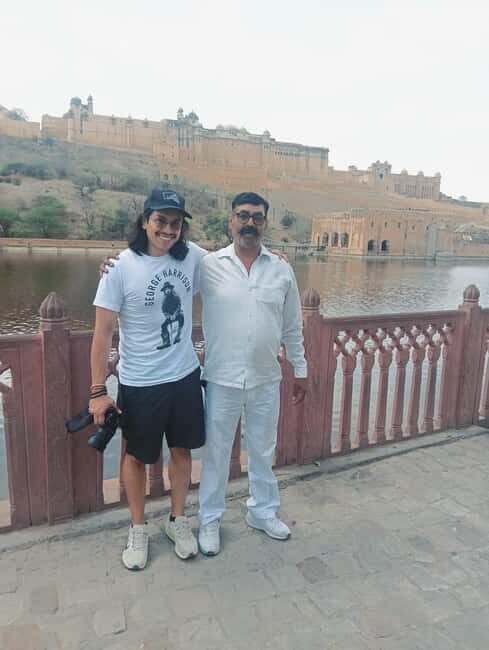
Day 3 is the Jaipur highlight day, and it’s packed—but organized. You start with Amber Fort, one of the best-known sights in the city for good reason. It’s big, scenic, and layered with architecture. The fort’s setting also helps: you’re not stuck staring at buildings in a flat city center.
Before you climb and explore the fort, there’s a stop that I think makes the day more interesting: Panna Meena ka Kund, an ancient stepwell with symmetrical staircases. Stepwells often feel like detours, but here it works as a visual warm-up. It also gives you a sense of how water and design shaped daily life.
Then you’ll see Jal Mahal. From the right angle it’s an easy photo, but more importantly it’s a palate cleanser between more intense heritage stops. After that, you visit Gatore ki Chhatriyan, known for its intricately carved cenotaphs. These smaller monuments reward slow looking, and they add texture beyond the big names.
Next is Hawa Mahal (Palace of the Winds). It’s one of those places where the famous exterior deserves the attention, but what you enjoy most is the structure—small openings, the design logic, and the sense of how the palace worked in its time. From there, you continue to the Jantar Mantar observatory and the Maharaja’s City Palace. Together, these stops help you understand Jaipur’s identity isn’t only about palaces. It’s also about science, planning, and power expressed through design.
In the evening you sleep in Jaipur, then on the last morning you head back toward Delhi.
You can also read our reviews of more tours and experiences in New Delhi






Luxury hotels and private driving that keep your days sane

The luxury part here isn’t only branding. It’s what it does to your stamina. With a 4-day plan that includes early mornings and long transfers, you’ll appreciate having a real hotel base rather than constantly changing locations or trying to figure out where to shower and regroup.
If you choose the hotel option, you get 3 nights accommodation plus daily breakfast. Rooms are typically set up for twin-sharing. If there are 3 people in a booking, rooms usually become triple-sharing by default. If 3 guests want 2 separate rooms instead, there can be an additional charge paid in cash—worth knowing before you assume everyone gets a private room layout.
Transportation is sized to your group:
- 1 to 2 people: a 4-seater sedan
- 3 to 4 people: a 6-seater wagon
- 5 to 10 people: a 10-seater minivan
That sizing matters when you’re doing long drives. It reduces the feeling of being stuck in the same awkward seat position for hours.
You’ll also get bottled mineral water during the journeys, and there’s a “personal care and attention” factor built into the experience. In practice, it means your driver and guides focus on getting you to the next stop on time, and not leaving you to figure out the small stuff.
The practical money issue: entry tickets and cash
Entry ticket costs for monuments are not included. Also, some monuments may not accept credit cards, so you’ll want to carry cash or ask the driver to find an ATM. Your guides can help you buy tickets, which removes a lot of stress.
This is the one area where a plan like this can surprise you if you’re used to ticket-included tours. Don’t wait until the last moment—carry a little cash so you don’t waste time on the day you’re already up early.
Guide handoffs, languages, and what support feels like
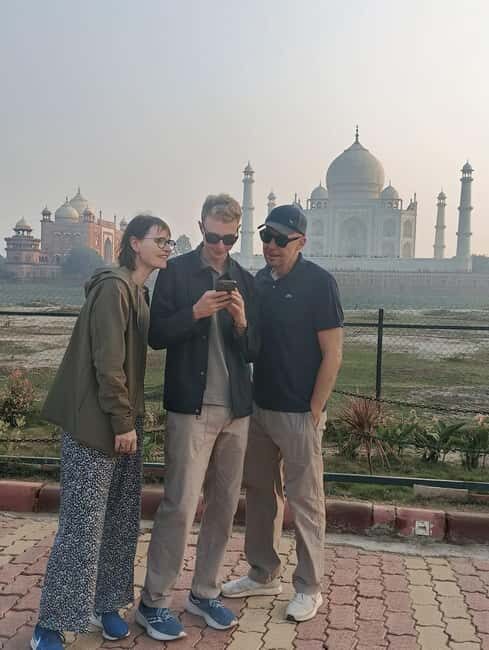
One underrated feature is the guide structure: you’ll be assigned new guides in each destination. That makes sense. Delhi needs different context than Agra, and Agra needs different context than Jaipur. You avoid the problem of one person trying to explain three very different places with uneven depth.
Language support is wide: English, Hindi, French, Japanese, Spanish, German, and Italian. That’s a genuine quality-of-life issue. When your guide can explain in your language, you pick up more than facts. You start understanding why a sight was built, how it was used, and what changed over time.
You’ll also work with a live tour guide through all sightseeing blocks, and your local guide can assist with ticket purchasing. That support shows up in day-to-day travel behavior: fewer awkward moments, less time scanning maps, more time looking at the real details in front of you.
Value check: pricing at about $8 per person for a private luxury-style route

The listed price starts around $8 per person, but here’s the reality check: the actual value depends on which option you choose, especially whether you include hotel stays and whether that price reflects a per-person starting rate. Also, monument entry tickets aren’t included.
Even so, the structure is what makes it feel like value:
- Private transportation in an air-conditioned vehicle for multi-city travel
- Private local guides for all sightseeing
- Luxury hotel comfort if you select the hotel option
- Battery bus support at the Taj area
- Pickup and drop-off at hotels or transport hubs
If you’ve ever tried to piece together Delhi-Agra-Jaipur with separate drivers, separate booking systems, and separate guide calls, you already know it adds up fast. This option is designed to stop the admin chaos. You pay for convenience, time, and context—and you get it in a format that still lets you customize based on your interests and schedule.
Should you book this Delhi-Agra-Jaipur luxury private tour?

Book it if you want:
- A structured 4-day plan that doesn’t drain your energy
- A Taj Mahal morning that focuses on timing and guided meaning
- A full Jaipur day that hits Amber, Hawa Mahal, and the observatory without feeling random
- Private guiding and private car comfort across long drives
Consider another approach if:
- You hate early mornings and very scheduled sightseeing blocks
- You want to control every detail yourself with zero guide input
- You prefer tours where monument tickets are automatically included (since here they aren’t)
If you do book, the smart move is simple: bring some cash for ticket purchases, wear comfortable shoes, and plan for sun. Then sit back and enjoy the part you actually came for—the monuments, without the travel stress.
FAQ
Is this tour private?
Yes. It’s a private group tour, with transportation by a private air-conditioned vehicle.
What cities are included?
The tour covers Delhi, Agra, and Jaipur.
How long is the tour?
It runs for 4 days, with an overall duration range listed as 2 hours to 4 days depending on availability and starting times.
What is included in the tour price?
Included items can include private tour service, optional hotel accommodation (3 nights) and daily breakfast (if you choose the hotel option), private air-conditioned transportation, private local guides, battery bus rides to and from the Taj Mahal parking area, hotel taxes, taxes and service charges, pickup and drop-off, mineral water during journeys, and personal care and attention.
Are monument entry tickets included?
No. Entry tickets for monuments are not included.
Are breakfast and hotel stays included?
They’re included if you choose the option that includes hotel bookings: 3 nights of accommodation and daily breakfast.
What time do you visit the Taj Mahal?
You’ll wake early to see a sunrise over the Taj Mahal, and you’ll have a guided mausoleum visit of about 2 hours before the crowds.
What languages are available for the guide?
English, Hindi, French, Japanese, Spanish, German, and Italian.
What kind of vehicle will I ride in?
A 4-seater sedan is used for groups of 1 to 2 people, a 6-seater wagon for groups of 3 to 4 people, and a 10-seater minivan for groups of 5 to 10 people.
What should I bring and know about payment for tickets?
Bring a passport or ID card. Some monuments may not accept credit cards, so it’s advised to carry some cash or ask the driver to find an ATM. Guides can help with ticket purchasing.
What if my plans change?
Free cancellation is available up to 24 hours in advance for a full refund, and there’s also a reserve now & pay later option.