REVIEW · NEW DELHI
Day Tour of Delhi: Old and New with Local Experts
Book on Viator →Operated by Akbran Tour · Bookable on Viator
Delhi feels less confusing when you move with a plan. This day tour strings together the big, iconic sights of Old and New Delhi with street-level moments that most first-timers miss. You start in a private, air-conditioned vehicle, then switch to a rickshaw for the part of the day that really shows you how people live, shop, and hustle.
I like this mix because it pairs major Mughal-era landmarks with Old City scenes around the walled lanes. You’ll get time at Humayun’s Tomb and Jama Masjid, and then later you’ll spend part of the day threading through Delhi traffic on foot and on a rickshaw.
One thing to consider: monument entry fees can be a bit mixed. The tour notes that some tickets are not included, while Jama Masjid is marked included, so you should plan a little extra budget and be ready to handle separate admissions.
In This Review
- Key Points You’ll Actually Care About
- The 7–9 Hour Old and New Delhi Loop (and Why It Works)
- From Modern Delhi to the Walled Old City Gates
- Humayun’s Tomb: Mughal Elegance with Time to Breathe
- Jama Masjid and Chandni Chowk’s Walled City Energy
- Qutub Minar and the Iron Pillar: Delhi’s Stone Evidence of Change
- India Gate to Raj Ghat: When History Feels Personal
- Rickshaw Time: The Narrow Streets and the Real Delhi Details
- Lotus Temple: A Calm Contrast Before You Return
- Price and Value: What $48 Buys You in a Day Like This
- What to Bring and How to Time Your Day Comfortably
- Who This Tour Suits Best
- FAQ
- What is the duration of the tour?
- Is hotel pickup and drop-off included?
- Is this tour private?
- Are monument entry fees included?
- What does the tour include besides sightseeing?
- What is not included in the price?
- Can I get a full refund if I cancel?
- Should You Book This Tour?
Key Points You’ll Actually Care About
- Hotel pickup and drop-off plus a private, air-conditioned minivan keeps transit from eating your whole day
- Humayun’s Tomb, Jama Masjid, Qutub Minar give you the headline Mughal sights with scheduled time on-site
- Old City rickshaw ride through winding side streets, with your pedaling rickshawalla driving you through real traffic and real life
- Raj Ghat and other ghats connect Delhi’s monuments to modern Indian history in a respectful way
- Chandni Chowk shopping lanes mean you’ll see market energy up close, including odd street specialties like laughing dentures
The 7–9 Hour Old and New Delhi Loop (and Why It Works)

This tour is built for people who want a lot of Delhi in one day without feeling lost. You’ll start in the morning with pickup, ride across the city with a guide, and then work your way from formal monuments to the louder, more human Old City. The overall time window is about 7 to 9 hours, which is long enough to get variety, but not so long that you feel like you’ve been trapped in a car all day.
What makes the pacing make sense is the shift in transport. You begin in a minivan, where you can cover ground and get bearings fast. Then the day turns into walking plus a rickshaw ride, so you can slow down and actually see street details, shop signs, and everyday routines.
The tour also uses contrast on purpose: modern landmarks and government-area scenery early on, then the dense walled Old City later, then back out toward reflective spaces at the ghats and a quiet stop at Lotus Temple. That sequence helps you read the city instead of just collecting stops.
You can also read our reviews of more tours and experiences in New Delhi.



From Modern Delhi to the Walled Old City Gates
You’ll get picked up in the morning from your Delhi hotel (or a location you choose), and travel by private air-conditioned minivan with a local guide. Early in the day, you’ll cover parts of the city most visitors skip, with a driving-style tour that helps you understand how Delhi is laid out.
On the drive, you’ll pass landmarks tied to Delhi’s present-day identity, including the India Gate area and the government zones. You’ll also see the Delhi Embassy Area, Connaught Place/Connaught Palace, and the main shopping district. It’s a useful setup: it gives you a framework for where everything sits before you hit the maze of Old Delhi.
Then you pass through the walled gates of Old Delhi, and the atmosphere shifts quickly. The air feels different, the streets get narrower, and the tour becomes more about moving through crowds and vendor-lined lanes. This is where the guide’s local knowledge matters most.
Humayun’s Tomb: Mughal Elegance with Time to Breathe

Humayun’s Tomb is scheduled as the first major stop, and for good reason. It’s one of the monuments that helps you understand how Mughal architecture developed into the style later associated with the dynasty. Even when you know nothing about architecture, the place communicates order: symmetry, carefully designed spaces, and a calm that feels almost surprising in a city this loud.
You’ll have about one hour here, which is a sweet spot. It’s enough time to walk the grounds, look for the main design lines, and still not feel rushed. If you enjoy visual details, this is also a stop where you can take your time with close-up observations rather than only snapping photos from one angle.
The drawback is simple: you’ll be outside and walking. Wear comfortable shoes and protect yourself from sun, since the tour recommends both.
Jama Masjid and Chandni Chowk’s Walled City Energy
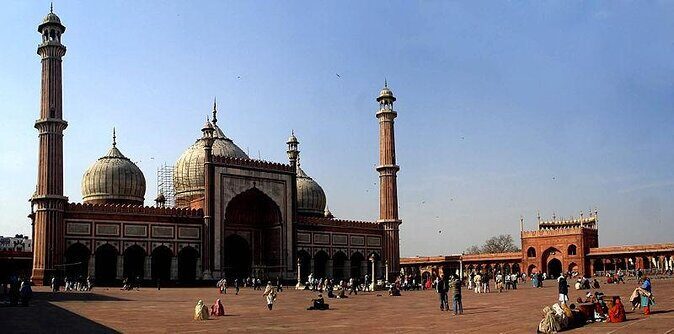
Next comes Jama Masjid, the large mosque built by Shahjahan. It’s timed for about 30 minutes, so treat it like a focused hit rather than a long sit-down visit. The scale is the point: you get that big, sweeping mosque atmosphere without losing the rest of your day to one stop.
After that, you’ll continue into the Old City’s heart around Chandni Chowk, sometimes described as Moonlight Square. This is market territory. You’ll see vendor-heavy streets and shop-lined lanes that feel designed for browsing, bargaining, and just watching daily life unfold at close range.
One of my favorite parts of this segment is the sheer variety of what you pass. The tour includes a detail about vendors you might see, including one retailer specializing in laughing dentures. That’s the kind of small, weird street knowledge you can’t plan from a guidebook, and it’s exactly why having a local guide walking you through matters.
Important note: the tour’s entry-fee situation can vary by monument. Jama Masjid is marked as having admission included, while other major sites are marked as not included, so don’t assume every ticket is covered the same way.
Qutub Minar and the Iron Pillar: Delhi’s Stone Evidence of Change
Qutub Minar is another headline stop, with about one hour on-site. It’s described as the tallest stone tower in India, and it’s tied to the early arrival and influence of Muslim rule in India. When you’re there, it’s a vertical reminder that Delhi’s layers aren’t just about dates on a timeline. They’re about power, engineering, and belief systems that shaped what got built and what got restored.
You’ll also encounter the Iron Pillar, noted as around 1500 years old. Even if you only spot it briefly during your route, the point is that Delhi has physical evidence from multiple eras stacked close together. It’s the kind of detail that makes the city feel less like separate tourist attractions and more like one continuous timeline.
A practical consideration: Qutub Minar is a walking and standing stop. If you’re sensitive to heat or crowds, plan on staying flexible. The tour’s general advice of comfortable shoes and sunscreen is spot-on.



India Gate to Raj Ghat: When History Feels Personal
You’ll pass India Gate, a war memorial arch, as a quick but meaningful transition between the grand monuments and the more reflective ghats. It’s not the kind of stop where you linger for long. Instead, it sets an emotional tone for the next part of the day: places connected to leaders and national moments.
Then comes Raj Ghat, the cremation site of Mahatma Gandhi. This is one of those locations where the visit is less about sightseeing and more about respect and context. You don’t need a deep political background to feel the importance of the space.
The tour also includes other ghats where famous Indian figures like Rajiv Gandhi and Indira Gandhi were cremated. Even if you don’t spend equal time at every ghat, the structure of the stop teaches you something important: in Delhi, history isn’t only in museums and books. It’s in the way public memory is built into sacred spaces.
If you want a tip for this segment, it’s simple: keep your voice low, slow down, and give yourself a moment to absorb what the place represents. It’s the emotional anchor of the day.
Rickshaw Time: The Narrow Streets and the Real Delhi Details

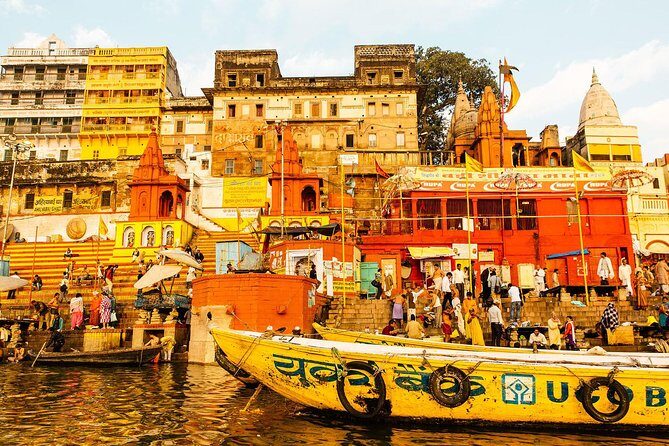
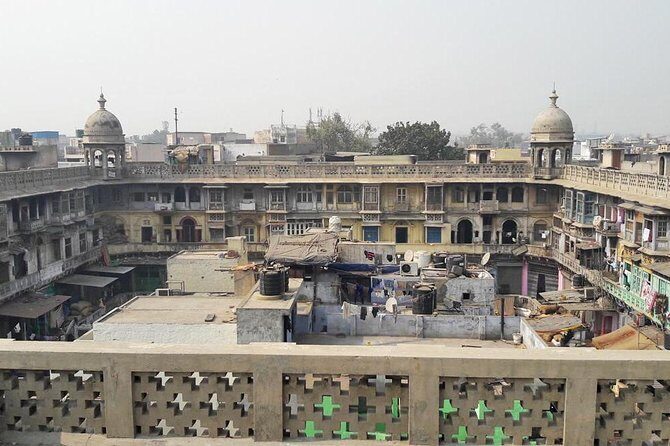
After the ghats, you hop on a three-wheeled rickshaw pedaled by the rickshawalla (rickshaw driver). This is where the tour shifts from monument time to street time. You’ll weave in and out of traffic and down hidden side streets, which is precisely the kind of experience that’s hard to replicate on your own without local guidance.
What I like here is the perspective change. From a vehicle, you see Delhi as a series of routes. From a rickshaw, you feel the city’s pace. You notice storefront layouts, the closeness of neighbors, and how people interact with street life in ways you usually miss when you’re just passing by in a car.
Also, this is where the tour’s promise of seeing parts of Delhi few tourists see becomes real. You’ll pass vendor-heavy streets and get that close, street-level view of daily commerce. It’s not only interesting; it’s practical too, because it makes the rest of your photos and memories make more sense.
Lotus Temple: A Calm Contrast Before You Return
Later in the day, you’ll explore Lotus Temple. The tour includes it as a stop to balance out the louder, denser parts of Old Delhi. This is a good choice if you want a little quiet after temples, crowds, and traffic.
Because the schedule only says explore (without a stated minute count), treat it as flexible time in a space that rewards walking slowly. If you’re a person who likes architecture and light, you’ll likely enjoy looking around rather than rushing.
Then you’ll return to your hotel or the original starting point, which keeps the day from spiraling into extra transport decisions.
Price and Value: What $48 Buys You in a Day Like This
At $48 per person, the value depends on what you want most: efficient coverage, local guidance, or a one-day mix of major sites plus Old City street time. This tour leans strongly into efficiency. You’re paying for pickup, a private air-conditioned vehicle, and a guide to connect all the pieces into a single day.
The bigger value win is not just the sites. It’s the transitions. Getting from modern areas to walled Old Delhi, then to the ghats, then to the rickshaw circuit is hard to stitch together smoothly on your own, especially without local knowledge of where crowds and streets slow you down.
Just don’t get caught assuming all admissions are bundled. The tour description says entrance fees are included, but the separate admission details show some monuments have admission tickets not included. Jama Masjid is marked as included, while Humayun’s Tomb and Qutub Minar are marked as not included. So when you budget, think of the $48 as covering the guide and transport, while you might pay monument tickets at some stops.
Food and drinks are not included either. That means you should plan to grab something on your own during the day. If you’re the type who hates hunting for a snack in a crowded market, consider eating earlier and keeping snacks simple.
What to Bring and How to Time Your Day Comfortably
The tour recommends comfortable walking shoes and sunscreen. I’d also treat this as a day for light layers, since you’ll be outdoors for multiple monuments and walking segments plus a street-level ride.
Carry what you need for tickets if some admissions aren’t covered. And think about your phone battery. You’ll be taking photos in several different settings: formal tomb architecture, a large mosque environment, a towering stone monument, reflective memorial spaces, and market streets.
If you’re not used to Old City crowds, give yourself a mental cue: expect stops to feel busy. The rickshaw ride and Chandni Chowk segment are where that busyness turns into the real experience.
Who This Tour Suits Best
This tour fits best if you want a guided day that connects Delhi’s two faces. It’s especially appealing if you like structure: a set route, scheduled time at key sites, and transport that prevents wasted hours.
You should strongly consider it if you:
- want to see major Mughal-era monuments without doing planning gymnastics
- enjoy street-level travel, including markets and vendor-lined lanes
- prefer a mix of large monuments and more reflective history at the ghats
- like learning with a local guide while still getting time to wander
It may be less ideal if you hate crowds and prefer quiet sightseeing only. Old Delhi and Chandni Chowk bring the energy, and the tour is designed to deliver that.
Also, keep an eye on timing. Pickup is part of the experience, and there’s a caution built into the overall reputation for this kind of day tour: if punctuality is critical for you, be ready at your pickup location and keep your expectations realistic for a city with traffic.
FAQ
What is the duration of the tour?
The tour runs about 7 to 9 hours.
Is hotel pickup and drop-off included?
Yes. You get hotel pickup and drop-off, and the pickup can be from your Delhi hotel or a location of your choosing.
Is this tour private?
It’s listed as a private tour/activity, meaning only your group participates.
Are monument entry fees included?
It’s mixed. The tour lists monument entry fees as not included, but Jama Masjid is marked as having admission included, while Humayun’s Tomb and Qutub Minar are marked as not included.
What does the tour include besides sightseeing?
You’ll have private air-conditioned transport and a local guide.
What is not included in the price?
Food and drinks are not included, and souvenir photos are available to purchase separately.
Can I get a full refund if I cancel?
Yes. You can cancel for a full refund if you cancel at least 24 hours in advance.
Should You Book This Tour?
If you want one day that covers the essentials of Delhi while still giving you time for the human street side of the city, I think this tour is a strong choice. You get major landmarks like Humayun’s Tomb, Jama Masjid, and Qutub Minar, plus a rickshaw ride through narrow streets and a visit to Raj Ghat that grounds the day in modern Indian history.
Book it if you like guided pacing, don’t mind crowds, and are okay paying some monument tickets separately depending on the stop. Skip it only if you want every admission included with zero surprises or if punctuality and strict timing are deal-breakers for you.