REVIEW · NEW DELHI
Old Delhi’s heritage, Spice market, Masala Chai & food sampling
Book on Viator →Operated by Discover Activities · Bookable on Viator
Old Delhi can feel like sensory overload, in a good way. This small-group tour takes you into the Chandni Chowk area with a calm plan and serious street-food payoff, guided by Jai Singh. I love the way you get multiple tastings that add up to a full meal, not random crumbs. I also like the built-in structure that helps you see landmarks without getting stuck in the city’s chaos. The one thing to consider: this is walking through busy lanes, so go with good shoes and a reasonable spice tolerance.
One more reason I think this works: the group stays small, with a maximum of 10 travelers, so you can actually ask questions and keep up. Pickup and drop are available for central Delhi hotels, which matters a lot in a city where travel time can balloon. The tour’s pace is designed for first-timers, especially if Old Delhi alone feels intimidating.
You’ll start near the Lal Quila area, then hop into the snack lanes of Kinari Bazar, continue into Chandni Chowk for a heavier North Indian dish, and finish with masala chai at the Fatehpuri Mosque area while you’re surrounded by the spice-market smell. And yes, you’ll ride a short cycle-rickshaw segment so you’re not doing 100% on foot.
In This Review
- Key highlights you’ll feel on day one
- Why Old Delhi feels like a sensory time machine
- The 5–6 hour rhythm: how the tour keeps you from burning out
- Lal Quila area and jalebi: start sweet, then start learning
- Kinari Bazar samosa lanes: a snack that tastes like a plan
- Chandni Chowk and chole bhature: the meal stop that makes it worth $65
- Fatehpuri Mosque and the spice market chai payoff
- Hotel pickup and small-group routes: the real logistics win
- Food sampling that adds up to a full meal
- What it’s like with Jai Singh guiding you through tight lanes
- Price and value: what $65 gets you in real life
- Practical tips so you enjoy the walk, not just survive it
- Should you book this Old Delhi heritage and spice tour?
- FAQ
- How long is the Old Delhi heritage, spice market, and food tasting tour?
- Is pickup from central Delhi hotels available?
- What food do I sample on the tour?
- Is the group small?
- Does the tour include a ride or transportation during the experience?
- Are entry tickets included for the stops?
- What if the weather is bad?
- Can I cancel for a full refund?
Key highlights you’ll feel on day one
- Small group (max 10) means less rushing and better attention from Jai Singh.
- Old Delhi street food as a full meal, with jalebi, samosa, chole bhature, and masala chai.
- A short cycle-rickshaw ride to break up the walk and help you cover more ground.
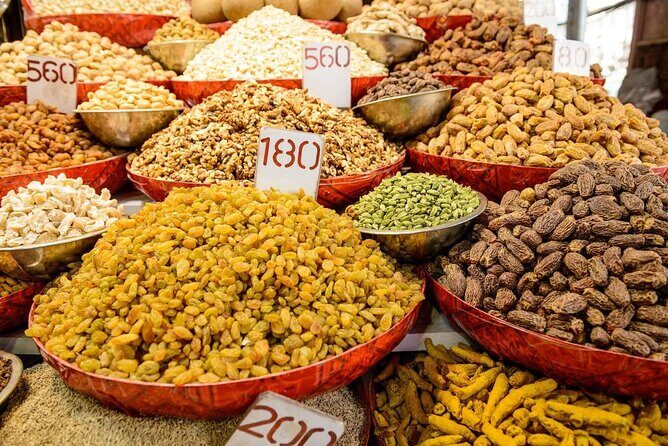
- Spice-market aroma at the finish, where masala chai is served amid serious spice hustle.
- Free admission tickets at the listed stops keeps the experience focused on food and walking, not fees.
Why Old Delhi feels like a sensory time machine
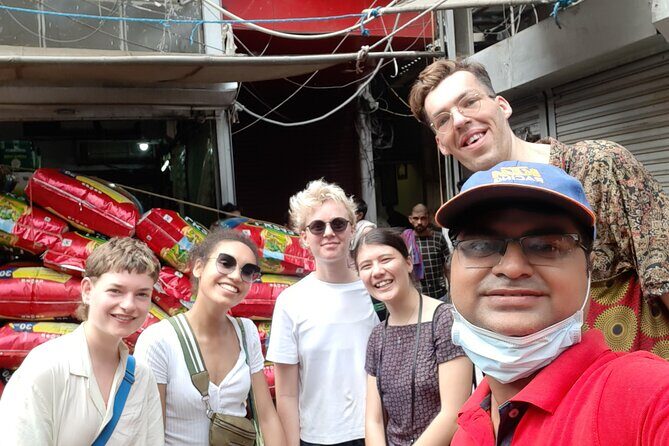
Old Delhi has a special kind of intensity. You don’t just look at it. You smell it, hear it, and taste it within minutes. That’s exactly why this tour format works so well: you’re not trying to “figure out” the maze on your own.
The best part is how the sights and flavors line up naturally. Old Delhi’s heritage lanes connect to markets that still operate in old-school ways. You get to see the kind of daily life that happens between monuments, not just the monuments themselves. And because you’re eating as you go, you’re always anchored in something concrete and enjoyable.
Also, the guide tone matters. People in the reviews consistently mention Jai Singh as kind, considerate, and able to make the walk feel manageable. That shows up in the way the route is paced: you’re moving through narrow streets, but you’re not being thrown into the deep end.
You can also read our reviews of more food & drink experiences in New Delhi


The 5–6 hour rhythm: how the tour keeps you from burning out
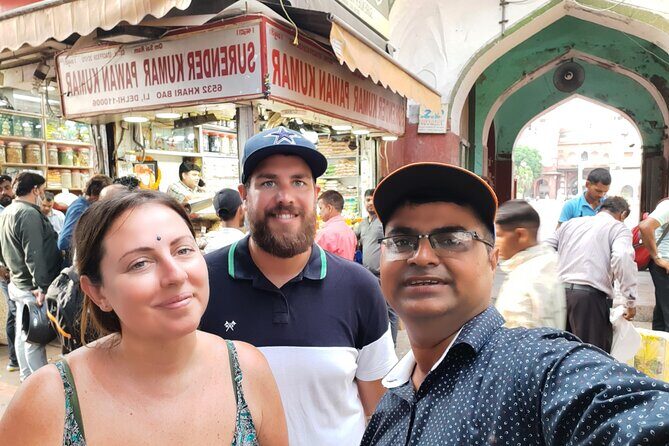
The tour runs about 5 to 6 hours, including hotel pickup and drop when you choose it. In real terms, that means you’ll have enough time to walk the core Old Delhi lanes, eat several tastings, and still end the day feeling like you learned something instead of just surviving a crowd.
The flow is simple:
- sweet to start (jalebi),
- savory snack next (samosa),
- a proper North Indian meal (chole bhature),
- then chai at the spice-market area.
That sequencing is smart. A first bite of jalebi helps you settle in. Samosas keep your energy up while you’re moving deeper into the market streets. Chole bhature is the stomach-filler, so you’re not running on empty through the end. Then you finish with masala chai, which feels like a palate reset after fried, spiced foods.
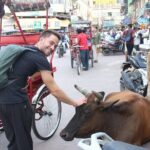
You’ll also have a short bicycle rickshaw segment during the experience. Even a brief ride helps when the streets get narrow and the foot traffic gets thick. It also gives you a quick “rolling perspective” so you’re not staring down at your feet the entire time.
Lal Quila area and jalebi: start sweet, then start learning
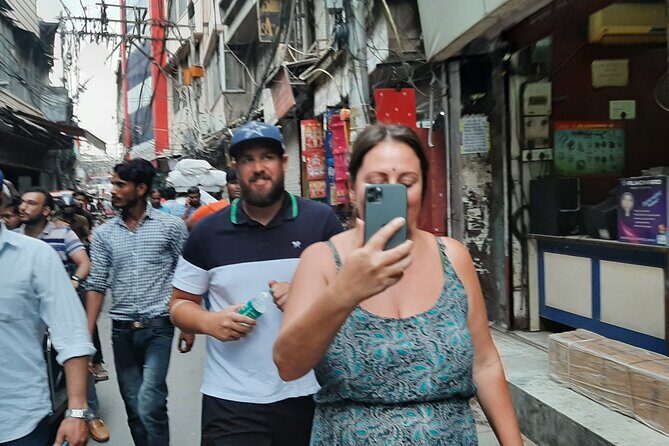
You’ll begin near the Lal Quila area, picked up from your hotel in central Delhi (or you’ll meet for pickup depending on your booking choice). Once you’re in the old-town zone, the first stop is where you taste jalebi.
Jalebi is a great opener because it’s unmistakably Indian street food, but it’s also easy to recognize and compare across stalls. It’s deep-fried, syrup-soaked, and pleasantly sticky. The taste hits fast, and it’s a comfortable first bite when you’re walking through a new, noisy part of the city.
This stop is also where you start getting oriented. Even without a formal “orientation talk,” the act of starting in a heritage area with your guide in front helps you learn how Old Delhi moves: who sells, who passes, where you stand, when you should step aside, and how alleys connect.
One practical note: the itinerary lists admission tickets for this stop as free, so your cost doesn’t creep upward with entry fees. You’re paying for guide time, route clarity, and food sampling.
Kinari Bazar samosa lanes: a snack that tastes like a plan
Next you head into Kinari Bazar, where you’ll try a samosa. This is one of those “small bite, big satisfaction” foods. The samosa is a triangular pastry filled with spiced vegetables or meat and served fried, and it works well while you’re walking.
Why I like this stop: samosa isn’t just a snack. It’s a signal. When you eat it here, you’re tasting food that belongs to the market’s rhythm. You get the sense of what locals grab between errands, not what restaurants plate for tourists.
Kinari Bazar can feel like a labyrinth. That’s exactly what you’re solving with this tour. With the guide, you don’t have to decide where to turn. You just follow the story of how the markets connect. And because you’re eating, you’re also less distracted by the stress of navigation.
There’s another value angle too. The tour keeps each tasting close enough that you aren’t constantly spending money and time on transport just to find the next bite. That’s real value in a city where “short rides” aren’t always short.
Chandni Chowk and chole bhature: the meal stop that makes it worth $65
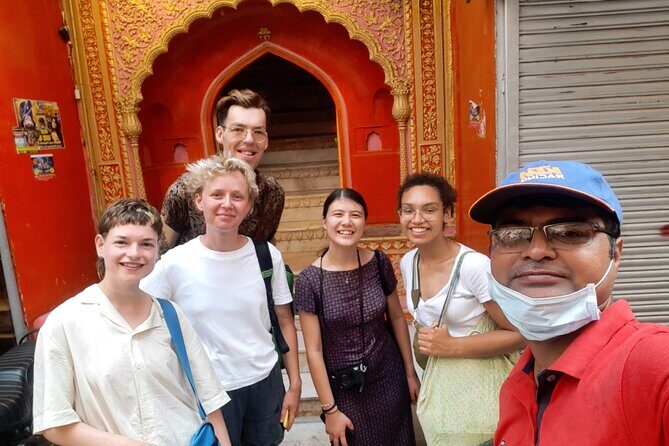
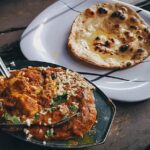
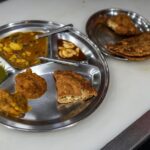
Then comes Chandni Chowk, and the tour shifts from snack tempo to meal tempo with chole bhature. This dish is hearty: spicy chickpeas (chole) paired with deep-fried, leavened bread (bhatura).
If you’ve ever worried that “street food tours” give you five bites and call it dinner, this is the fix. Chole bhature is substantial. It’s the kind of dish that lets you feel fed, not just curious.
This stop also helps you understand North Indian comfort food in a very practical way. You’re tasting something that would work for breakfast, lunch, or a casual meal at home. The spice level can vary by stall, but the dish itself is a classic anchor—so it gives you a meaningful baseline for what you’re tasting across the rest of Old Delhi.
The itinerary lists admission tickets for this stop as free, which keeps the focus on food and walking. And because Chandni Chowk is so famous, it’s also the stop where most first-timers would feel most lost without a guide. You get to experience it without trying to “solve” it in real time.
You can also read our reviews of more tours and experiences in New Delhi


Fatehpuri Mosque and the spice market chai payoff
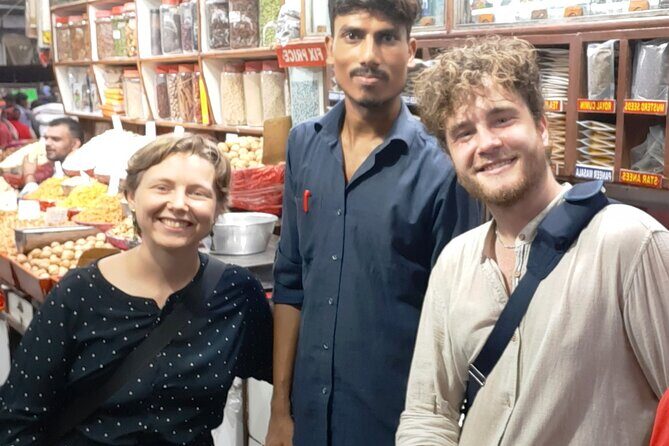
The final walk segment ends near Fatehpuri Mosque, and the tour highlight here is masala chai in an Asia-sized spice market setting. You get the tea, and you also get the smell—fragrant spices hanging in the air while you sit with your guide and take a breath.
This is a clever ending. After fried snacks and heavier food, chai works as a reset for your palate. It’s warm, spiced, and calming. Plus, this is where you finally slow down just enough to absorb what the spice market represents: not just a place to buy souvenirs, but a working marketplace tied to daily life.
The spice market moment also shows why the route matters. If you come to Old Delhi and just jump from monument to monument, you miss how spices shape taste. Here, you literally smell the ingredients behind what you’re eating.
And yes, you might notice how people talk about spices in this area—some guides and merchants make it feel like a science experiment. You’ll be in that zone, with your guide helping you make sense of what you see.
Hotel pickup and small-group routes: the real logistics win
In Delhi, logistics can be half the battle. This tour gives you an option to book transfers from central Delhi hotels, and it also includes hotel pickup & drop. If you’re staying in a central area, that’s a big time-saver and it reduces the stress of trying to reach Old Delhi on your own.
The tour also caps at 10 travelers. That matters because Old Delhi isn’t a place where you want a crowd-line of strangers moving at different speeds. A small group keeps the experience human. You can stop when you need to, ask a question, and not feel like you’re holding up fifty people.
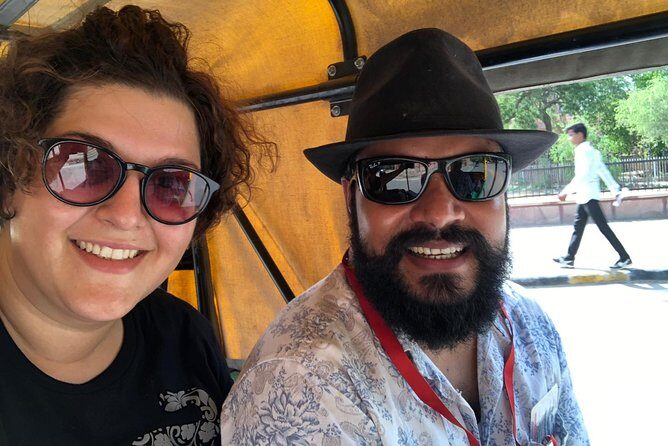
A detail I really appreciate from the format: there’s a short cycle-rickshaw ride. That’s a practical compromise between “all walking” and “too much vehicle time.” You still get local street context, but you reduce the amount of time you spend in traffic and long transfers.
Food sampling that adds up to a full meal
Here’s what you can expect to eat, in order:
- Jalebi to start
- Samosa during the market walk
- Chole bhature at Chandni Chowk as your main meal feel
- Masala chai at the end in the spice market area
The tour description also states that brunch meals are offered as per the tour description. Translation: you’re not buying your own food stop-by-stop. You’re sampling enough to feel like you ate a real meal.
Two tips to keep the experience smooth:
- Go in hungry enough for a main dish like chole bhature.
- If you’re sensitive to spice, tell your guide. The reviews highlight how Jai Singh adapts, including making sure the experience stays comfortable for clients with limited mobility. That signals you won’t be ignored if your needs change mid-walk.
One more consideration: you’ll be tasting fried foods and spiced foods in close succession. Even if you love street food, it’s still a lot of intensity in a few hours. Bring a “I’m here to eat” attitude, not a “just a snack” mindset.
What it’s like with Jai Singh guiding you through tight lanes
The name you’ll hear connected to this tour is Jai Singh, and the reviews consistently paint him as calm in noisy conditions and focused on keeping the walk easy to follow. People also mention he’s knowledgeable and accommodating, including helping clients with limited mobility.
That matters because Old Delhi requires a certain kind of street confidence. If you’re the type who gets flustered in crowds, a steady guide can be the difference between enjoying the markets and spending half the time lost or anxious.
I also like the storytelling angle. The tour isn’t only about food. It’s about context—how the heritage streets relate to the way markets function today. When a guide can explain what you’re seeing in plain language, you remember more than just the taste.
Price and value: what $65 gets you in real life
At $65 per person for about 5 to 6 hours, this is priced like a guided experience rather than a self-guided food crawl. The value comes from three things you don’t have to manage yourself:
- the route through complicated Old Delhi lanes,
- the guide’s pacing and context,
- and the fact that food sampling is part of the package.
You also get hotel pickup & drop (when you choose the central-hotel transfer option), plus a short cycle rickshaw ride, which helps reduce the amount of time you spend struggling through narrow streets.
So if your goal is to get a meaningful Old Delhi overview while eating a full spread, this price starts to make sense. If your goal is only to try one or two foods and you’re confident navigating markets alone, you might find a cheaper option. But for first-timers, or for anyone who wants the stress removed, the structure is the product.
Practical tips so you enjoy the walk, not just survive it
Old Delhi is friendly, but it’s not calm. A few grounded choices will help:
- Wear comfortable, grippy shoes. You’ll be on uneven streets and busy footpaths.
- Bring water if you tend to get thirsty fast. (The tour provides food and chai, but the streets can still feel hot and dry.)
- Plan to take photos quickly. When you stop for pictures, you can slow others down in tight lanes.
- If you want spices to take home, remember you’ll likely see a market culture built around buying. Go in with an idea of what you want, and don’t pressure yourself to buy everything.
Also, keep an eye on weather. The experience requires good weather, and if it’s canceled due to poor weather, you’ll be offered a different date or a full refund.
Should you book this Old Delhi heritage and spice tour?
I’d book it if you want Old Delhi the smart way: guided so you don’t get lost, and food-focused so you don’t leave hungry or disappointed. The biggest reasons are the full-meal tasting (not just a cookie-cutter sampler) and the fact that the route connects landmarks with what’s actually happening in the markets.
If you dislike walking, hate crowds, or want total control of every stop, this might feel a bit structured. But if you’re the kind of traveler who likes learning as you go, this tour offers a clean package: heritage streets, street-food sampling, chai at the spice market, and a small-group pace.
FAQ
How long is the Old Delhi heritage, spice market, and food tasting tour?
It runs about 5 to 6 hours.
Is pickup from central Delhi hotels available?
Yes. There’s an option to book transfers from central Delhi hotels, and hotel pickup & drop are included.
What food do I sample on the tour?
You’ll try jalebi, samosa, chole bhature, and masala chai as part of the experience.
Is the group small?
Yes. The tour has a maximum of 10 travelers.
Does the tour include a ride or transportation during the experience?
Yes. There’s a short bicycle rickshaw ride included.
Are entry tickets included for the stops?
The itinerary lists admission tickets for the listed stops as free.
What if the weather is bad?
The experience requires good weather. If it’s canceled due to poor weather, you’ll be offered a different date or a full refund.
Can I cancel for a full refund?
Yes. There’s free cancellation up to 24 hours in advance for a full refund, and changes within 24 hours aren’t accepted.