REVIEW · NEW DELHI
Old Delhi Photography & Food Tour with Rickshaw Ride to Masterji Kee Haveli
Book on Viator →Operated by Masterji kee haveli dot com · Bookable on Viator
Old Delhi tastes better from a rickshaw. This cycle rickshaw food-and-culture outing threads you through Old Delhi’s back lanes with a small group cap, plus photo help and local stories along the way.
I especially like the mix of street-food tastings with full meals. Breakfast, lunch, coffee or tea, and bottled water are all included, so you’re not constantly hunting for your next bite. I also like the “local friend” approach—on my watch list is a guide named Verun, who helped people connect the dots between what they ate and what life looked like nearby.
One possible drawback: Old Delhi lanes can feel cramped and a bit bumpy, and the walking-plus-rickshaw rhythm can wear you out if you expect smooth, easy pacing. Add in the fact that start and end times may shift for real-world reasons like traffic, weather, and road conditions.
In This Review
- Key Points Before You Go
- How This Tour Feels: Rickshaw Hops + Real Food Stops
- Price and Value: Why $53.62 Can Actually Make Sense Here
- Where You Meet (and How to Find the First Groove)
- Pasar Chandni Chowk: Your First Taste of Old Delhi Life
- Khari Baoli Spice Market: The 17th-Century Senses Hit
- The Food Part: More Than Snacks, Less Than a Food Marathon
- Where Masterji Kee Haveli Fits In (and Why It Matters)
- The Guide Makes It: Local Storytelling and the Name You’ll Remember
- What to Wear, Bring, and Plan Around (Simple, Not Fancy)
- Who This Tour Is Best For
- Should You Book This Old Delhi Photo and Food Tour?
- FAQ
- How long is the Old Delhi Photography & Food Tour?
- What’s the group size for this tour?
- What food and drinks are included?
- Do I ride in a rickshaw?
- What are the main stops?
- Where does the tour start and end?
- Is hotel pickup included?
Key Points Before You Go
- 10 travelers max means you get time to ask questions and talk, not just follow a line.
- Pasar Chandni Chowk kicks off the tour with a market-focused intro to daily Old Delhi life.
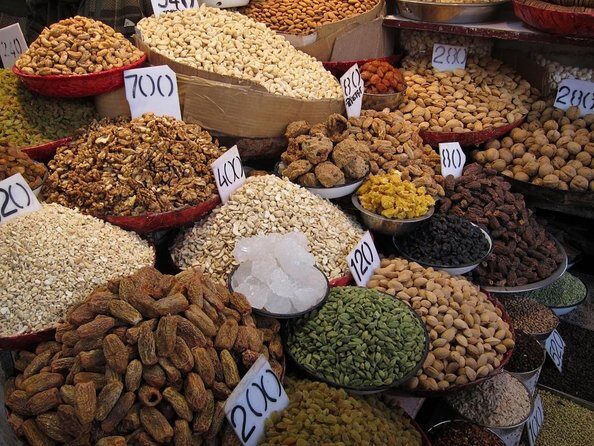
- Khari Baoli spice market is the big sensory stop, selling spices, nuts, herbs, plus items like rice and tea since the 17th century.
- Meals aren’t an add-on: breakfast, lunch, coffee/tea, and street-food tastings are built in.
- Your guide is also a photographer and storyteller, which helps you notice what’s worth photographing and why it matters.
- Bottled water is included, a simple detail that makes a big difference when you’re eating street food.
How This Tour Feels: Rickshaw Hops + Real Food Stops
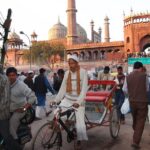
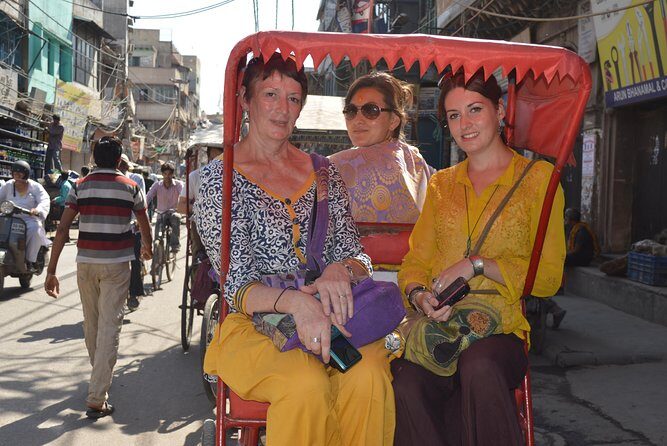
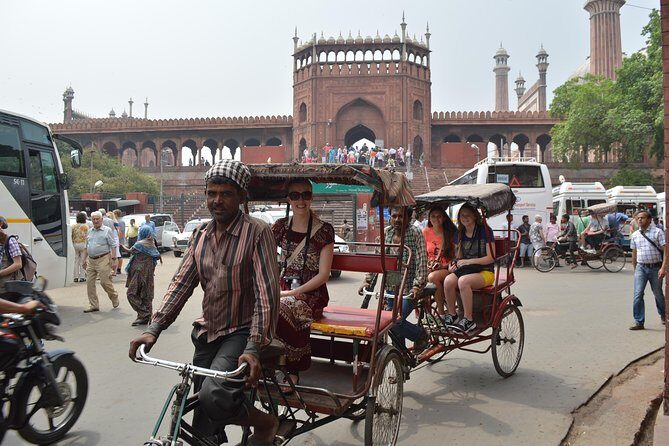
This tour works because it doesn’t treat Old Delhi like a theme park. You get around on a cycle rickshaw (and possibly an electric one on parts of the route), then you mix in short stretches on foot to see how people live and shop right at ground level.
The group size is capped at 10, so the pace doesn’t turn into the usual “move along, next photo, next stamp.” Instead, you can ask questions—about food, routines, or what you’re seeing—and your guide can actually respond. It’s also a tour with a practical mind: you’re offered bottled water, and you’re fed multiple times during the session.
If you’re the kind of traveler who gets restless on long walking tours, the rickshaw helps you keep your energy. If you hate “sit-down-only” tours, the street-food stops keep you engaged.
You can also read our reviews of more food & drink experiences in New Delhi

Price and Value: Why $53.62 Can Actually Make Sense Here
At $53.62 per person, this isn’t a cheap souvenir-price tour—it’s priced like a small-group food experience. The reason it can feel fair is that the inclusions are substantial: breakfast, lunch, street-food tastings, coffee and/or tea, bottled water, plus cycle/electric rickshaw rides, and all taxes and fees.
Think about what that means in practice. In Old Delhi, a “food tour” that only gives a few tastes can still leave you hungry. Here, you’re eating breakfast and lunch on the same day, and the street-food tastings are part of the plan rather than a bonus.
Also, the rides matter. Getting through busy lanes takes time and effort, and you’re not responsible for sorting transport on the fly. You’re paying for an organized route plus local guidance, which is often the difference between sightseeing and actually sampling what’s popular with locals.
Where You Meet (and How to Find the First Groove)
Your start point is Ajmere Gate Rd, Bazar Sirkiwalan, Chawri Bazar, Old Delhi (and the tour ends back at the same spot). That matters because it makes the session feel self-contained—you’re not dropped somewhere random and left to navigate solo.
This area is well within the pulse of Old Delhi, and you’ll likely spend more time surrounded by street life than at “controlled” viewpoints. The meeting point being near public transportation is handy if your plan includes taking the metro/bus first and then walking a bit.
Practical mindset: arrive a few minutes early, keep your phone charged for photos, and be ready for tight roads and lane turns. You’re stepping into a working market neighborhood, not a quiet museum district.
Pasar Chandni Chowk: Your First Taste of Old Delhi Life
Your first stop is Pasar Chandni Chowk. This is where the tour turns from travel logistics into street-level observation.
You’ll be guided by locals living in Old Delhi through Truly Old Delhi Locals. That local “permission” is underrated. Instead of treating the market like a backdrop, you get context for what you’re seeing—why certain items are traded, how people move through the area, and what daily routines look like at market hour.
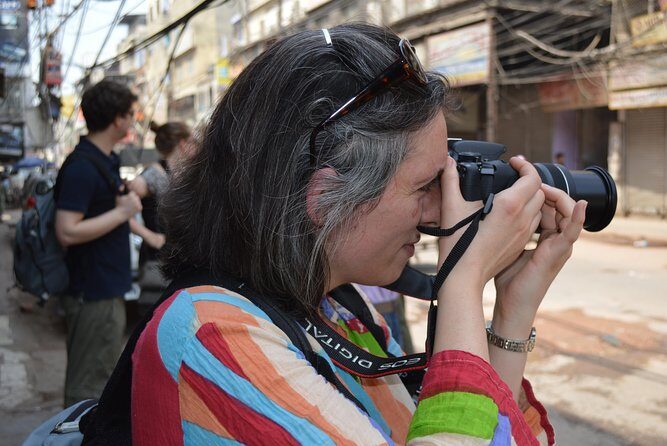
This is also where your photography component starts to make sense. When your guide is a local friend who works as a photographer (and storyteller), you don’t just take random street photos. You learn what’s worth framing and what details help the photo tell a story: faces, food prep, storefront routines, or product displays.
What to expect here: more sensory input than you’re used to—smells, noise, and lots of movement. You’ll want to keep a relaxed pace so you can actually notice the small stuff. If you’re the type who tends to rush, you’ll lose half the point.
Potential drawback: markets can be crowded, and your ability to move comfortably depends on the flow of people around you. If you prefer wide, quiet streets, this portion will feel intense.
Khari Baoli Spice Market: The 17th-Century Senses Hit
Next up is Khari Baoli, the spice market. This stop is the sensory headline: it’s Asia’s largest wholesale spice market selling spices, nuts, herbs, and also food products like rice and tea. It has been operating since the 17th century and sits at the western end of Old Delhi.
Here’s why I think this stop is worth the time. Spices aren’t just ingredients; they’re trade, flavor language, and culture rolled into one place. Seeing a market like this helps you understand why Old Delhi food tastes the way it does—because the supply chain is right there in front of you.
Expect an environment where products are layered and displayed with a no-nonsense wholesaler energy. You’ll likely notice how people shop efficiently: checking quantities, handling goods, and moving with purpose.
Photography tip, without overpromising: your guide’s photography experience can help you find angles where you can capture the market without making it feel like you’re barging into someone’s work. That’s a big deal in places like this.
Possible consideration: if you’re sensitive to strong smells, or you get overwhelmed by dense crowds, go steady. Take photos in bursts. Also, use the bottled water when you feel your energy dropping.
You can also read our reviews of more tours and experiences in New Delhi

The Food Part: More Than Snacks, Less Than a Food Marathon
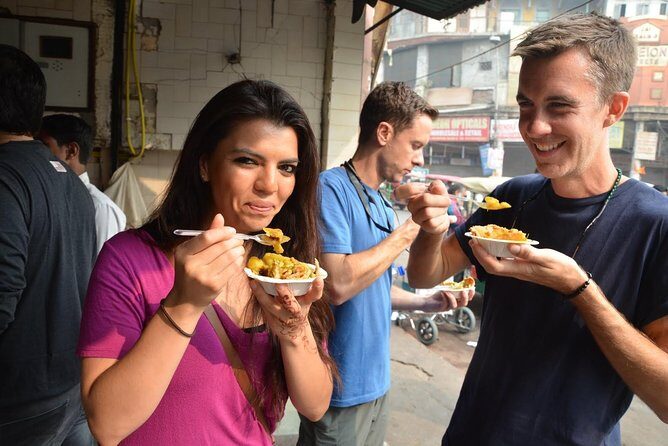
The heart of the tour is the food. You get street-food tastings and snacks included, plus breakfast and lunch. Coffee and/or tea are included too.
This structure is smart. It keeps the tour from turning into the typical “three tiny bites and a lecture” setup. Instead, you’ll get enough to feel satisfied. You can also pace yourself: if the first tastings hit hard (spices, textures, flavors), you’re not stuck until dinner.
Another practical win: bottled water is included, which makes it easier to stay comfortable. Old Delhi heat and activity can sneak up on you, and hydration becomes a silent tour quality booster.
What I like about the way it’s built: it’s food plus context. The guide’s job as a storyteller means you’re not just eating—you’re learning how these foods fit into daily life nearby.
One note: since the exact street items aren’t listed in the provided info, think of it as a guided sampler rather than a predictable menu. Your best move is to keep expectations flexible and be open to trying what looks popular and well-prepared.
Where Masterji Kee Haveli Fits In (and Why It Matters)
The tour title includes a ride to Masterji Kee Haveli, and that’s part of the experience you’re paying for. Even if you only get a snapshot rather than a long formal visit, it gives the day a cultural anchor beyond food markets.
Haveli experiences (traditional mansions) usually connect you to the way architecture, family life, and city history interacted in Old Delhi. In a tour like this, it’s especially useful because it adds structure: you’re not only eating in the street; you’re also seeing how the neighborhood’s identity formed.
Because the provided details don’t lay out a minute-by-minute stop schedule for the haveli itself, I won’t pretend there’s a specific timed program. What you can count on is that the haveli is included in the routing, and you’ll get a local guide’s framing around it as you move through the area.
The Guide Makes It: Local Storytelling and the Name You’ll Remember
This tour is described as being run by locals, with a “local friend” who also acts as story teller and photographer. That combination changes your experience in a tangible way.
You learn to look differently. Instead of treating everything as random scenes, you start connecting food with the neighborhood rhythms that create demand—where people eat, shop, and trade.
In one of the standout reviews, the guide is named Verun, and the feedback focuses on how much people learned while sampling the best foods. That lines up with the tour’s structure: you’re guided, not just fed.
If you like tours where you ask follow-ups—why something is made a certain way, how a shop functions, what locals do before and after market hours—this is your sweet spot.
What to Wear, Bring, and Plan Around (Simple, Not Fancy)
Old Delhi is not hard on your “travel fashion,” but it can be hard on your feet. Expect some walking plus rickshaw rides through tight lanes and changing road conditions. Bring comfortable shoes you can move in quickly.
Because street-food tastings are included, I recommend arriving ready to eat—don’t skip breakfast if you can help it. You’ll have breakfast on the tour anyway, and it keeps your energy stable for the rest of the day.
Bring a phone or small camera for photos, and use your guide’s help for photo timing. The tour is built around having a photographer guide, so use it.
One last etiquette note from the tour’s rules: the experience asks that you don’t offer tips. That’s not common in every tour, so it’s worth respecting. If you’re someone who normally tips guides, just keep it off the table here.
Who This Tour Is Best For
This tour is a strong fit if you want:
- A small-group feel (max 10) with room to ask questions
- Street food + local context, not just sightseeing snapshots
- A way to see Old Delhi without doing all the navigation yourself
- A day that includes breakfast, street tastings, lunch, and coffee/tea rather than leaving you hungry
It’s also good if you’re traveling with a friend or as a couple and want a guided route that still feels personal.
You might consider a different option if you:
- Have very low tolerance for crowded market areas
- Expect long, seated museum-style stops
- Want an exact, written menu you can plan meals around (this experience is more guided tasting than a fixed menu)
Should You Book This Old Delhi Photo and Food Tour?
I’d book it if your main goal is to eat well while getting real context fast. The value equation is strong because you’re paying for food, beverages, rides, and a local guide in one bundle—not piece by piece.
I’d also book it if you care about photography but don’t want to wander aimlessly looking for subjects. A guide who’s part photographer can steer you toward shots that make sense in a working market setting.
But if you’re fragile with crowds, or you want slow, spacious sightseeing, the Old Delhi market energy may feel like too much. In that case, you’ll probably prefer a calmer route.
If you’re on the fence, here’s my deciding question: do you want Old Delhi through the lens of food markets and spice trading, guided by locals with a small-group vibe? If yes, this is a solid bet.
FAQ
How long is the Old Delhi Photography & Food Tour?
It’s listed as approximately 4 hours.
What’s the group size for this tour?
The tour has a maximum of 10 travelers.
What food and drinks are included?
You’ll get breakfast, street food tasting, lunch, and coffee and/or tea. Bottled water is also included.
Do I ride in a rickshaw?
Yes. The tour includes cycle and/or electric rickshaw rides.
What are the main stops?
The stops include Pasar Chandni Chowk and Khari Baoli (the spice market).
Where does the tour start and end?
It starts at Ajmere Gate Rd, Bazar Sirkiwalan, Chawri Bazar, Old Delhi, and ends back at the same meeting point.
Is hotel pickup included?
Hotel pickup and drop-off are not included, though they may be organized for an additional cost paid directly.