REVIEW · NEW DELHI
Delhi By Cycle & Old Delhi
Book on Viator →Operated by DelhiByCycle · Bookable on Viator
Old Delhi on a bicycle is a fast way to learn the city’s rhythm. This tour is built around the simple idea that bikes can slip into lanes cars can’t touch, so you get close to everyday Delhi scenes near Chandni Chowk and the UNESCO-listed Red Fort. Along the way, your guide weaves street-level details with stories tied to Shah Jahan’s world, plus a chai break and breakfast stops that feel more local than tour-deal usual.
Two things I really like: you ride early, when the air is cooler and the streets feel more manageable, and you get a story-forward guide setup (including an extra co-guide for help and safety). One thing to think about first: Old Delhi roads can be narrow and chaotic, so the ride is best for people who are comfortable following instructions and staying alert around traffic.
In This Review
- Key Highlights You Shouldn’t Miss
- Morning Start at DelhiByCycle: Where the Ride Begins
- How Two Wheels Help You Reach What Cars Can’t
- Turkman Gate: A Start at the City’s Royal Entry Points
- Chawri Bazar: Market Energy With a History Layer
- Gadodia Market Rooftop: Spice-Market Stories and Mosque Details
- Pasar Chandni Chowk: Street-Food Fame, Religious Corners, and Wedding Shopping
- Red Fort Area: UNESCO-Level Sights Without the Traffic Trap
- Jama Masjid and Shah Jahan’s Shadow: Stories That Land in Real Places
- Included Perks That Actually Change the Ride
- Safety and Comfort: What to Expect on Narrow Old-Delhi Lanes
- Who This Tour Fits Best (and Who Might Want Something Else)
- Price, Group Size, and Timing: Getting the Best Value
- Should You Book Delhi By Cycle and Old Delhi?
- FAQ
- How long is the Delhi By Cycle and Old Delhi tour?
- Where is the meeting point?
- What attractions will we see?
- What’s included in the price?
- Is transportation to and from the meeting point included?
- Is the tour suitable for kids?
- Can I get a refund if I cancel?
Key Highlights You Shouldn’t Miss
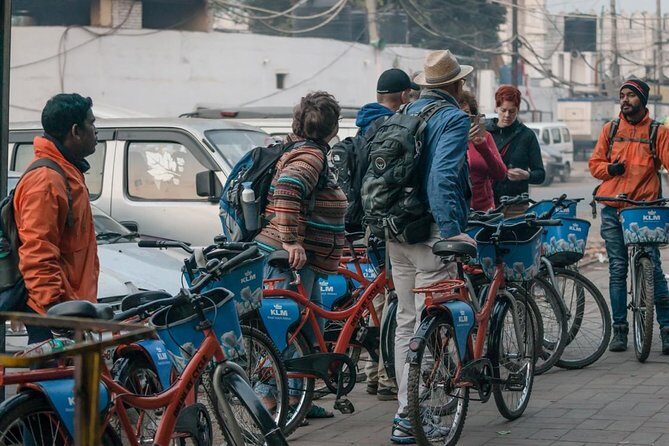
- Early start through Old Delhi so you’re not fighting peak traffic
- Chai break + breakfast in lesser-known spots during the ride
- Big-name sights with local access near Chandni Chowk and the Red Fort area
- Shah Jahan stories tied to what you see instead of dry facts
- Two-guide setup for safety (helmets are included too)
- Small groups with a maximum of 20 people
Morning Start at DelhiByCycle: Where the Ride Begins
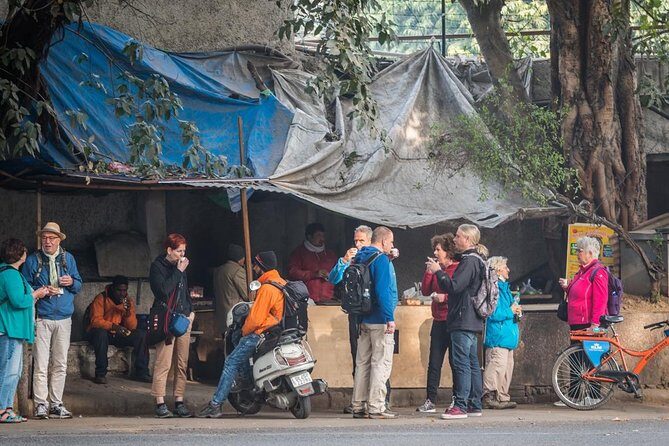
The tour kicks off with a very practical early meeting. You’re expected at Delhi By Cycle’s meeting point—Street 4B, Ansari Rd, Daryaganj (New Delhi 110002)—by 6:30 am to meet your guide, get your cycle, and do a quick briefing before you roll.
I like the timing because it changes the whole mood. Old Delhi is crowded later, but in the morning you get a clearer view of the streets, the shop rhythms, and the way people actually move—walk, bargain, stack goods, sip tea—before the day gets loud. You also get a short, focused experience overall: plan on about 3 to 4 hours from start back to the same meeting point.
This is also the kind of tour where a mobile ticket and group setup matter. You’re dealing with a set schedule, a group ride line, and meeting logistics that work best when everyone is on time.
You can also read our reviews of more cycling tours in New Delhi



How Two Wheels Help You Reach What Cars Can’t
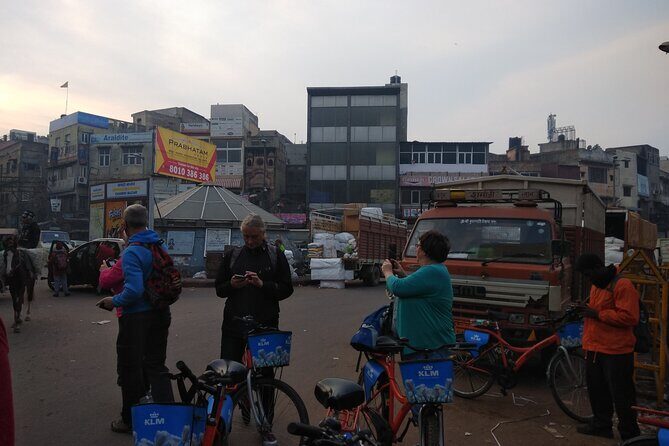
Delhi’s traffic is not subtle. On a bike, you don’t magically avoid every challenge, but you can access parts of the city that feel impossible on foot or car tours—especially around older lanes where movement is tight and winding.
Here’s what makes that difference valuable for you: you’re not just looking at monuments from the outside. You’re seeing the “in-between” stuff—market edges, entry points, and daily commerce corridors—so the sights connect to real street life. That connection is what makes this tour feel more like understanding a neighborhood than checking boxes.
The included helmets and the presence of an awesome co-guide are part of why this works. One guide leads the story and pace; the second helps with practical safety and support. In the guidance, it’s clear the team expects you to listen, keep your attention on the road, and use common-sense bike behavior.
Turkman Gate: A Start at the City’s Royal Entry Points
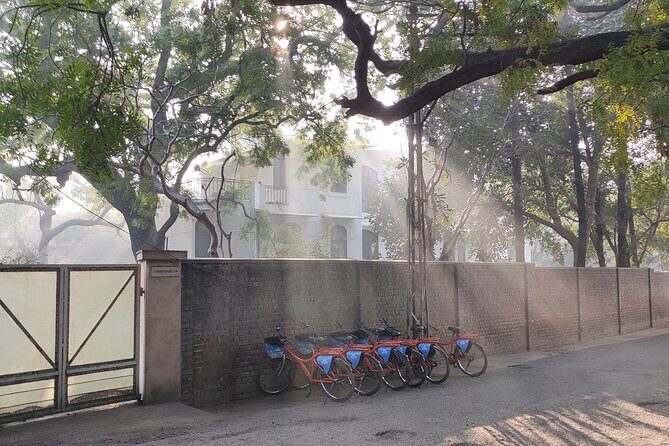
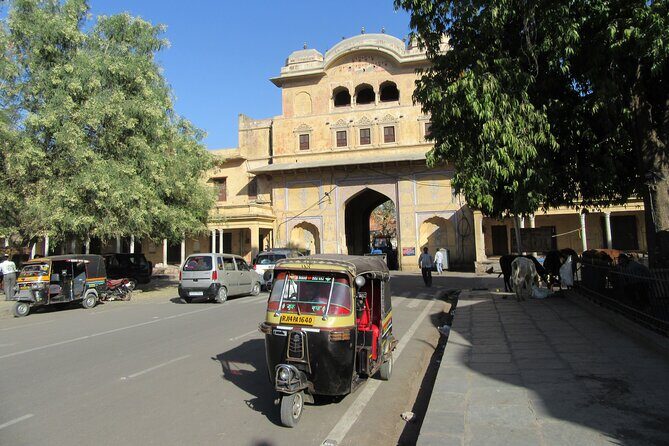
Your ride begins with a quick stop at Turkman Gate, an ancient gateway that once served as one of the entry points to the royal city. This is a short moment—just long enough to reset your thinking about where you are.
I like gate stops like this because they frame the city like a system. Delhi wasn’t built as one straight monument line. It’s a set of entrances, transitions, and corridors. Once you understand that, the rest of the ride makes more sense.
Practical note: since it’s early, you’ll likely still be getting used to your bike position and the ride spacing. Keep your energy calm here. This is where you set your rhythm for the rest of the morning.
Chawri Bazar: Market Energy With a History Layer
Next up is Chawri Bazar, an old market area known for constant motion. It also has a layered past, shifting roles over time—from being a meeting place to a red-light district and now a very crowded center by evening.
Why this matters on a cycling tour: you’re not reading history on a sign. You’re watching how commerce still shapes the streets. The market is a living timeline—people trade, vendors call out, goods move, and the neighborhood keeps reorganizing itself around demand.
This stop also gives you something many walking tours miss: the pace. Old Delhi isn’t quiet. Even when you’re standing still, you feel the push of daily activity. If you’re the type who gets impatient with long stops, this one is probably a good length because it stays tied to the ride.
Gadodia Market Rooftop: Spice-Market Stories and Mosque Details
One of the most memorable segments for this kind of tour is when you get a slightly different view. At Gadodia Market, you’re near a rooftop setting in the middle of the spice market area.
This is where the storytelling gets more specific. You’ll hear about the stories of spices, Old Delhi life, and the Fatehpuri Mosque. It’s a compact stop, but it’s well designed. Standing higher—even briefly—helps you “read” the chaos below: the flow of people, the narrow corridors, and how trade clusters in visible ways.
If you’re sensitive to smells or crowds, this is the moment to mentally prepare. Spice markets can be intense. You might find it helpful to go in with realistic expectations: you’re not getting a quiet museum moment. You’re getting the real street texture, and that’s the point.






Pasar Chandni Chowk: Street-Food Fame, Religious Corners, and Wedding Shopping
Then you reach Chandni Chowk, specifically the Pasar section, a road famous for everything from street food to shopping and religious places across several faiths.
This stop is why the word “access” matters. Chandni Chowk is the kind of place where being stuck behind crowds can kill the experience. On a bike with a guide, you can see more of what makes the street iconic: how the canal story fits into the area’s evolution into a major shopping hub, how different faith sites sit side by side, and how the street pulls together daily eating, wedding shopping, and general bustle.
Two practical things to keep in mind here:
- You’ll want to keep your eyes up and your plan simple. This is not a “slow wandering” moment.
- Expect stops that balance photo moments with movement, because otherwise the crowds will swallow the ride.
If you care about understanding why a street becomes famous, this is a good place to focus. You’re not only looking at buildings. You’re watching why people keep returning.
Red Fort Area: UNESCO-Level Sights Without the Traffic Trap
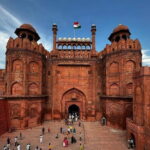
One of the top attractions you’ll hit is the UNESCO-listed Red Fort area. The key value here is how you reach it within the flow of the morning rather than treating it as a separate, isolated block.
When tours focus only on the major monument, you can miss the “why” behind the place. Here, the guide’s context ties Shah Jahan’s story to the streets and entry points you’re riding through. The result feels more connected: you understand how power and city planning show up in real geography.
This segment also tends to be where people appreciate the pacing. You’re not stuck negotiating with heavy traffic. You’re already on the move, using the ride line and guidance to keep momentum.
Jama Masjid and Shah Jahan’s Shadow: Stories That Land in Real Places
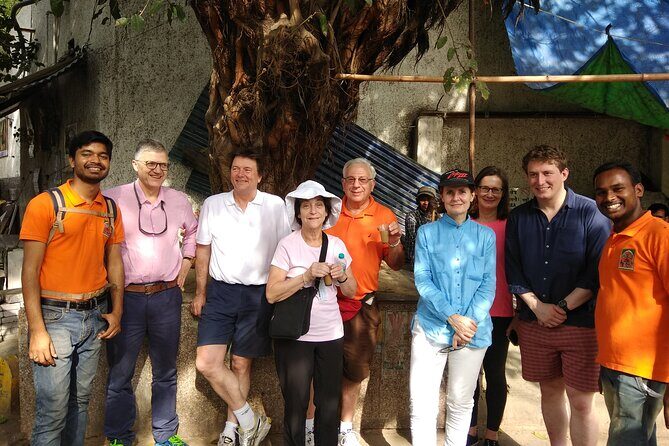
Your route also includes Jama Masjid as one of the major sights, and the guide shares insight into the life of Shah Jahan. Even if you’re not a hardcore history fan, the way this works can help the information stick.
Here’s why: Shah Jahan’s legacy isn’t just an abstract timeline. It’s tied to the feel of the city—major religious sites, major thoroughfares, and the way spaces reflect authority. Hearing the story while you’re passing the places where it played out makes the “facts” feel less like memorization and more like understanding.
You’ll also notice something from the guide style across the examples of leaders like Krishna, Faiz, Shivam, Mukesh, Ashutosh, Jehu, and Ujjwal: the best ones focus on clarity and pacing. In particular, Ashutosh is described as patient and a strong storyteller, while other guides like Shivam and Mukesh are praised for keeping people safe even when traffic feels busy.
Included Perks That Actually Change the Ride
This tour isn’t just a “bike rental with a route.” It includes a set of extras that matter for comfort and value:
- Chai (tea) break: You’re out early, and tea helps reset energy mid-ride.
- Breakfast at hidden places in Old Delhi: You get food in small, local-feeling stops rather than only standing around markets.
- Water bottle: Helps you avoid the common morning-tour problem of running short.
- Helmets: A real safety plus on tight lanes.
- Amazing guide stories + co-guide for help & safety: The two-person structure improves the ride experience.
On value: $30 per person for a 3 to 4 hour guided cycle with helmet, water, chai, and breakfast is usually a fair deal for Delhi. You’re paying for access plus interpretation plus logistics—because you’re not just getting from A to B. You’re learning how to see the city while moving through it.
Safety and Comfort: What to Expect on Narrow Old-Delhi Lanes
Let’s be honest. Old Delhi lanes are not made for bikes, and morning traffic can still look chaotic. The good news is the ride is designed around guidance and control.
You’ll want to go in with a few practical habits:
- Keep your focus on the road and follow the group spacing.
- Use your bike’s basics confidently (and don’t hesitate to ask if something feels off).
- Wear clothing that fits a conservative setting, since dress is expected to be moderate for Old Delhi.
One more comfort point: this is a small-group ride with a maximum of 20 travelers. Smaller groups tend to move smoother on tight streets and keep the guide’s attention where it’s needed.
Who This Tour Fits Best (and Who Might Want Something Else)
I’d put this tour high on the list if you want:
- A morning activity that shows Old Delhi beyond big-ticket monuments
- A guided story approach with Shah Jahan themes
- A ride that gives you street-life context around Chandni Chowk and the Red Fort area
It’s also kid friendly, as long as children are with parents or guardians. So if you’re traveling with older kids who can handle active street conditions and instruction-following, it can work well.
I’d think twice if you:
- Struggle with busy street navigation or get nervous around traffic
- Want long, slow walking time in one place (this ride is about moving and seeing more, not lingering for hours)
Price, Group Size, and Timing: Getting the Best Value
At $30 per person, the price makes sense when you look at what’s included: helmet, water, chai, breakfast, and a guide plus co-guide. If you were to do a comparable morning plan with food stops and guided interpretation on your own, you’d likely spend more once you factor in time, coordination, and local guidance.
This tour is typically booked about 26 days in advance on average, and it caps at 20 people. If your dates are fixed, booking earlier is usually smart so you get the slot you want.
Should You Book Delhi By Cycle and Old Delhi?
Book it if you want a high-impact Old Delhi morning that connects street life to major sights like Chandni Chowk, Jama Masjid, and the Red Fort area—while you travel the way locals might imagine daily life moving. The guide-led storytelling, chai break, and breakfast at smaller local spots give it weight beyond the ride itself.
Skip it or choose a different format if you dislike busy streets, need a very relaxed pace, or want a mostly indoor, museum-style experience. This ride asks for attention, but the setup is designed to keep you supported.
If you’re ready to trade a little quiet for a lot of real atmosphere, this is a strong way to see Delhi.
FAQ
How long is the Delhi By Cycle and Old Delhi tour?
It runs for about 3 to 4 hours.
Where is the meeting point?
The meeting point is Delhi By Cycle Meeting Point, Street 4B, Ansari Rd, Daryaganj, New Delhi, Delhi 110002, India.
What attractions will we see?
You’ll visit areas including Turkman Gate, Chawri Bazar, Gadodia Market, Chandni Chowk (Pasar Chandni Chowk), and you’ll also reach major sights such as the Red Fort and Jama Masjid.
What’s included in the price?
The tour includes an amazing guide, an awesome co-guide for help and safety, chai (tea) break, breakfast at hidden places in Old Delhi, a water bottle, and helmets.
Is transportation to and from the meeting point included?
No. Transport to and from the meeting point is not included.
Is the tour suitable for kids?
Yes, it’s kid friendly, but children must be with parents or guardians.
Can I get a refund if I cancel?
You can cancel for a full refund if you cancel up to 24 hours in advance of the experience start time. If you cancel within 24 hours, there is no refund.