REVIEW · JODHPUR
Jodhpur Bluecity Heritage Walking Tour
Book on GetYourGuide →Operated by Jodhpur Walks · Bookable on GetYourGuide
Jodhpur’s Blue City is best seen on foot. This 2-hour walk is built for slow wandering through tight lanes, blue-painted homes, and story-filled corners you’d miss on your own. What I like most is how the guide connects the streets to real life and local meaning, and how the walk is shaped for photos—so you get time to stop and shoot rather than just shuffle onward.
One thing to consider: you’ll be walking for about two hours on uneven, narrow streets. Bring comfortable shoes and plan for sun exposure, especially around the mid-walk stretch near Pachetia Hill.
In This Review
- Key takeaways before you go
- Meeting at Clock Tower and getting your bearings fast
- The long stretch around Pachetia Hill
- Blue-painted lanes and murals you’ll actually notice
- Temples, stepwells, and quieter neighborhood corners
- Clock Tower Market and how to browse without getting lost
- Chai breaks and snack moments (with realistic expectations)
- Your guide matters: English, Hindi, and story-led walking
- Photography tips for blue alleys (what to do with your camera)
- Who this tour suits best in Jodhpur
- Price and value: why $9 can be a smart deal
- Should you book the Jodhpur Blue City Heritage Walking Tour?
- FAQ
- Where do we meet for the Jodhpur Bluecity Heritage Walking Tour?
- How long is the tour?
- What is the price?
- What’s included in the tour?
- What is not included?
- What languages are available for the guide?
- Is it a private tour?
- What should I bring?
- Are there entry fees included for any site?
Key takeaways before you go
- Clock Tower meeting point under the clock: easy to find, and a natural start for orientation
- Photo-friendly pacing: the guide builds in time for pictures from key viewpoints
- Blue City details: bluewashed lanes, murals on houses, and the stories behind them
- Offbeat stops: hidden temples, stepwells, and small artisan-style workshops
- Snack and chai opportunities: you get breaks for local flavors without a full meal
- Local shop pointers: guidance for textiles, spices, and jewelry along the route
Meeting at Clock Tower and getting your bearings fast
Your walk starts at the Clock Tower just under the clock. That matters more than it sounds. In the Old City, one wrong turn can send you into lanes that all look similar, and it’s easy to lose the thread of where you are. Starting here gives you a reference point right away, so the rest of the Blue City feels like a connected route instead of random wandering.
In the first parts of the walk, you typically get short guiding segments that help you read the area—how neighborhoods sit, where the main lanes run, and where side streets branch off. You’re not stuck listening for long stretches. It’s more like: a bit of context, then movement, then another quick reset so you don’t miss the key visual cues.
Also, the tour includes bottled water, which is a small detail but genuinely useful in the Rajasthan heat. And since the tour is a private group, you can ask practical questions on the spot without waiting for the “whole group” pause.
You can also read our reviews of more walking tours in Jodhpur



The long stretch around Pachetia Hill
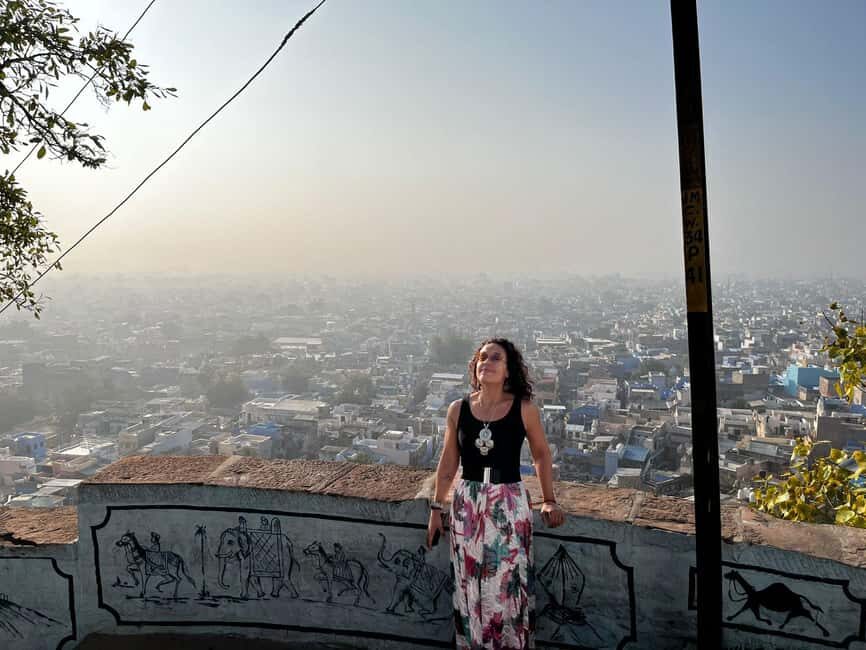
The heart of the route is the time spent at Pachetia Hill (about 70 minutes). This is where the walk tends to slow down. The reason is simple: views and angles in the Blue City can be a big part of what you came for, and hill-adjacent stops give you better perspective over lanes and rooftops.
Expect a mix of walking and short stops for photos. Guides on this route have a habit of helping people frame the shots—standing where the blue walls and house façades line up well, and pointing out lanes that look great even if they seem plain from the street.
A practical note: the ground can feel uneven, and you’ll want stable footing. The tour’s main recommendation is comfortable shoes, and I agree. If you’re tempted to wear fashion sneakers with thin soles, don’t. Save them for museums later. Here, you want grip.
Blue-painted lanes and murals you’ll actually notice
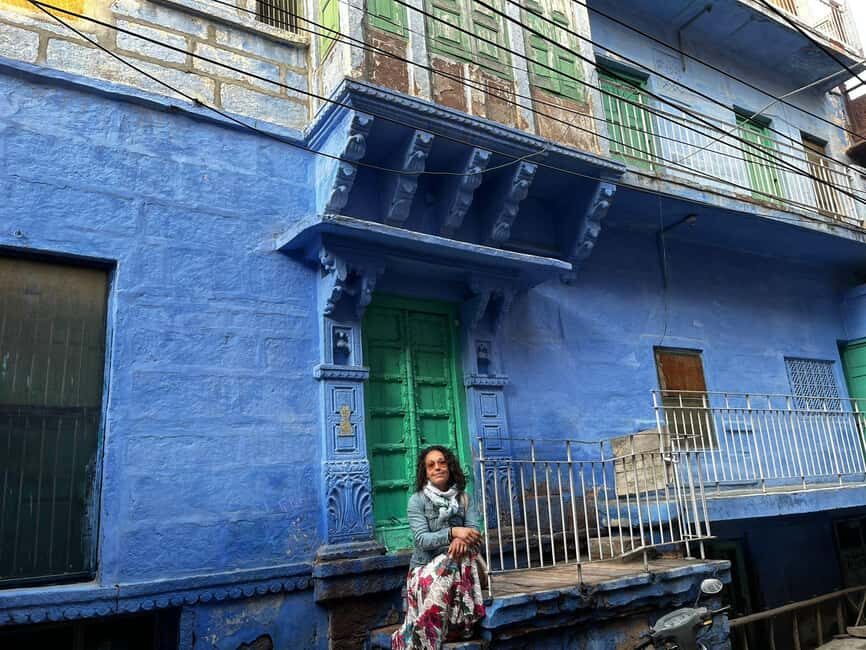
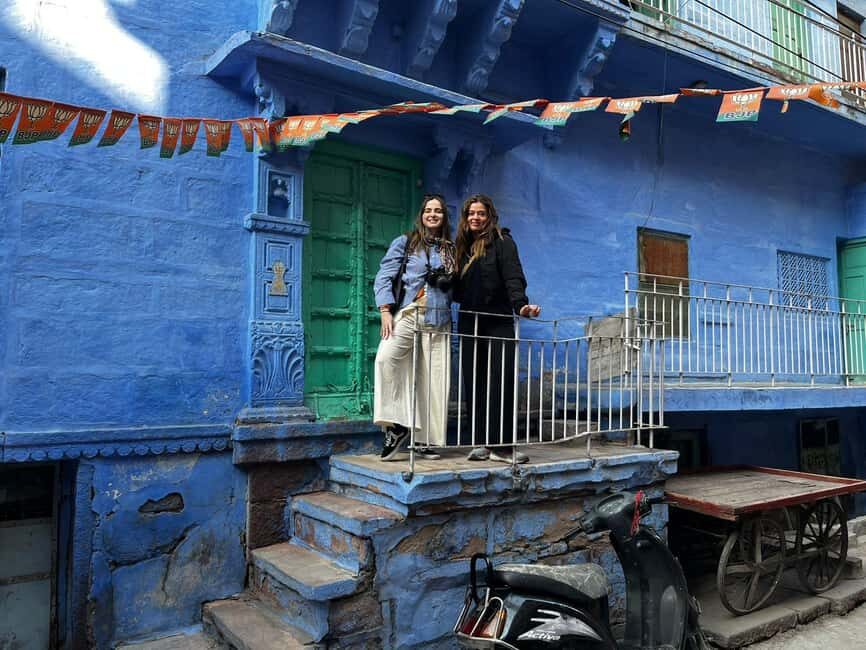
The Blue City gets described so often that it can feel like a cliché. But on this walk, the “blue” isn’t just a color—it’s a way to read the neighborhood. You’ll move through maze-like alleys with blue-painted houses, and you’ll have a chance to notice wall details and murals that give each lane a personality.
One of the most praised parts of this tour is the focus on why the walls are painted blue and what those choices signal in local tradition. Your guide can link that to the architecture and everyday life you’re seeing right now, which makes the color feel less like a photo filter and more like a living habit.
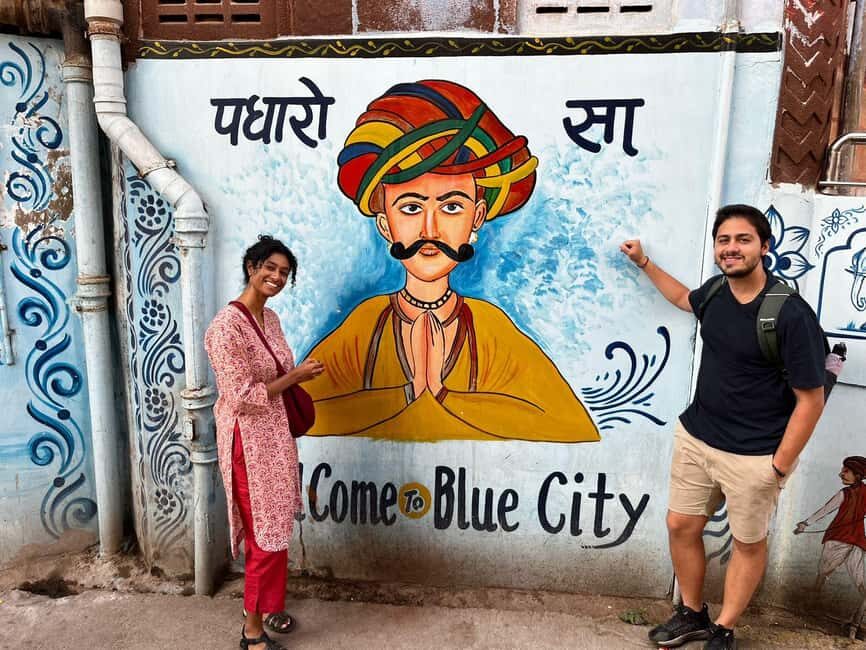
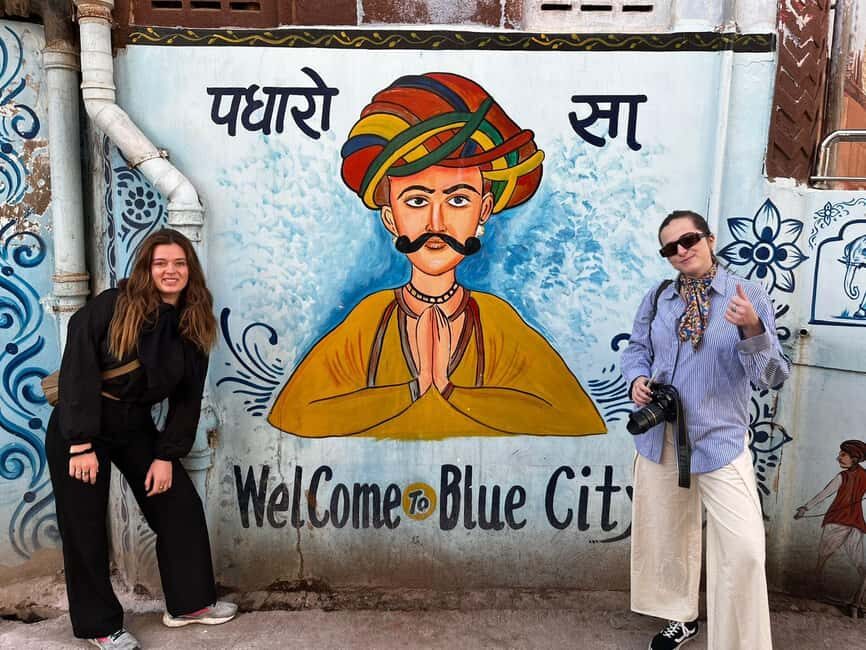
You’ll also see how art and community identity show up at street level: painted patterns, symbols, and decorative touches that look small from a distance but become memorable up close. If you like wandering for details, this is your kind of route.
Temples, stepwells, and quieter neighborhood corners
A big goal here is getting out of the main tourist flow. The walk is designed to take you into hidden-temple and stepwell-adjacent areas, plus smaller neighborhood sections where daily life feels closer to the ground.
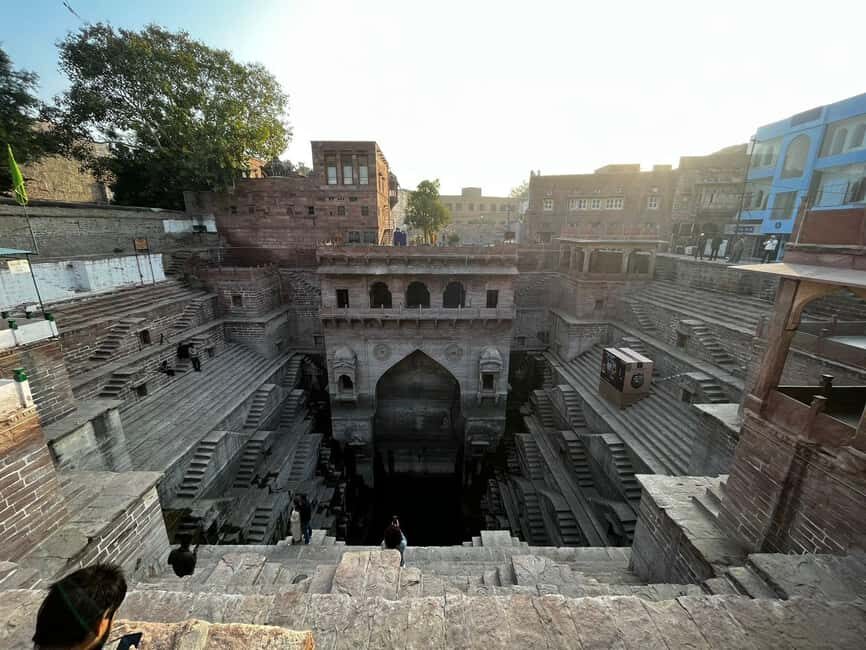
Some of the tour’s most memorable stops described in guide stories include ancient stepwells and small artisan-style workshops. These aren’t just “check the box” sites. The value is in the context: what the spaces were for, how people use them, and how the city’s layered history still shows up in the streets.
There’s also a gentle realism to these moments. In many heritage walks, you only hear about monuments. Here, you spend more time on the spaces between them—where you can actually sense the city’s rhythm. It’s especially good for solo travelers who want more than a selfie at a famous wall.
Clock Tower Market and how to browse without getting lost
Clock Tower Market is the one clearly stated entry/admission item included with the tour. Meeting near the clock sets you up to understand what you’re walking toward, and the market stop adds a human, practical layer to the Blue City story.
This isn’t just a shopping detour. It’s a chance to watch commerce and everyday trade in motion: stalls, signage, and the feel of the market lanes that connect the Old City’s neighborhoods. You also get something useful from a good guide here: where to look for quality textiles, spices, or jewelry, and how to avoid wasting time on the most obvious trap options.
Guides on this route have also been praised for recommendations tied to real purchases—textiles, spices, and jewelry pointers that make your browsing more confident. If you’re the kind of traveler who wants souvenirs but hates touristy chaos, this market portion can hit the right balance.
You can also read our reviews of more historical tours in Jodhpur




Chai breaks and snack moments (with realistic expectations)
Meals aren’t included, so don’t expect a sit-down lunch from this tour. But you can look forward to time breaks where masala chai and local snacks often come up as part of the experience.
Multiple guides associated with this walk have been described as stopping for chai or helping people try small local bites—things like bundi ladu, Mirchi bada, and sweets such as Ghewar or Kachori, plus other street-food favorites. Think of it as taste-with-context, not a full food tour.
If you’re traveling with older kids or you simply get snacky during the walk (you’re not alone), these stops can keep energy up without turning the outing into a restaurant schedule. Just remember to budget separately if you decide to buy anything extra at stalls.
Your guide matters: English, Hindi, and story-led walking
This tour runs with a live guide in English or Hindi, and the guide’s role is bigger than “point and explain.” The best moments come from the way the guide weaves stories—history, local customs, and lesser-known street narratives—into what you’re seeing right now.
In guides mentioned for this experience, names like Rahul, Gajender, and Vikram come up often. They’re praised for friendly delivery, punctual starts, and for helping people find photo angles without making you feel rushed.
If you care about real interpretation (why a place looks the way it does, not just what year it was built), this tour is the right format. A walking pace gives you time to ask follow-ups, and the private-group setup means you’re not stuck waiting your turn.
Photography tips for blue alleys (what to do with your camera)
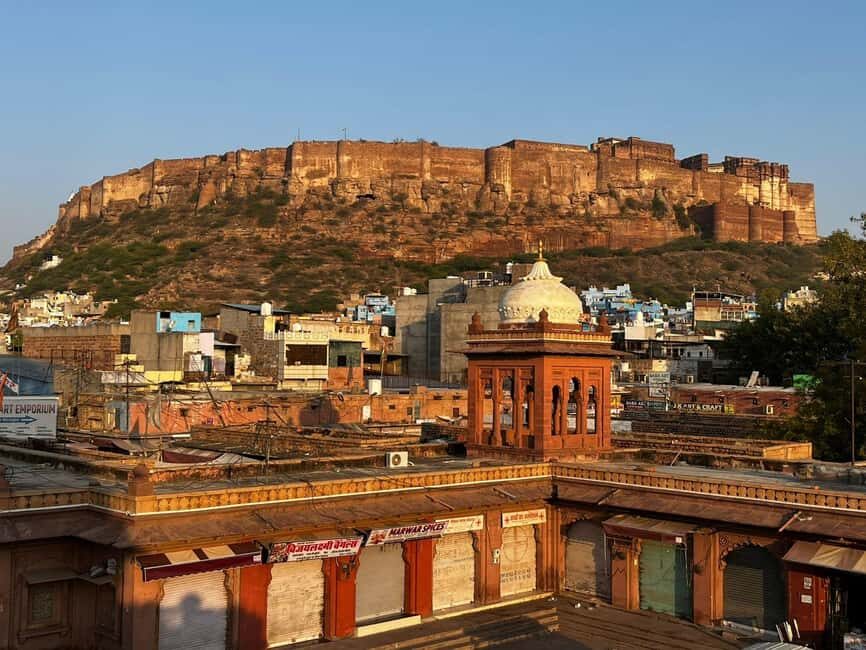
Bring a camera—seriously. The tour is set up for photos: bluewashed lanes, murals, and viewpoints around Pachetia Hill tend to produce great images, and guides are often called out for helping people take better shots.
Here are practical ways to use that photo time well:
- Wear shoes that let you stop quickly without slipping; it’s easier to frame shots when you’re not worried about footing.
- Plan for bright sun—bring sunscreen and a hat so you’re comfortable enough to stay out for the longer photo segment.
- When your guide points out a viewpoint, take a second before shooting. Blue lanes can look similar. Give your eyes a beat, then shoot a few angles.
The tour’s value isn’t only that there are photo opportunities. It’s that the pacing tends to protect them. You’re not constantly dragged forward when the good light hits.
Who this tour suits best in Jodhpur
This is a strong fit for:
- First-time visitors who want the soul of Jodhpur, not just a checklist
- Solo travelers who want friendly conversation and local context
- Small groups who prefer personal attention instead of a crowded tour bus vibe
- Families with older children who can handle steady walking on narrow lanes
It’s less ideal if you:
- Don’t like walking on uneven streets
- Get uncomfortable in direct sun for long stretches
- Need frequent long rests (this is designed as a two-hour walk)
If you’re the type who loves going slow and watching everyday life, you’ll likely feel in your element.
Price and value: why $9 can be a smart deal
At $9 per person for a 2-hour guided walking tour, the value is mostly in what’s included. You’re getting:
- A local guide
- Bottled water
- Entry/admission for Clock Tower Market
- A route designed around Blue City streets and photo stops
For the money, you’re not paying for a car ride or a long itinerary. You’re paying for the human brain that helps you see the city: street meaning, local context, and practical direction through the maze of lanes.
Is it a bargain? In most cases, yes—especially compared with tours that charge far more for shorter time or fewer meaningful stops. The only real cost you might add is snacks or small purchases if you choose them.
Should you book the Jodhpur Blue City Heritage Walking Tour?
Yes, I’d book it if your goal is to understand the Blue City as a lived place—through blue lanes, murals, temples, and the stories a good local guide can connect to everyday life. It’s short, affordable, and built for photos without turning the day into a sprint.
Skip it only if you dislike heat and narrow streets, or if you want a heavy schedule of major monuments. This walk is more about the neighborhood feel than landmark tourism, and that’s the point.
FAQ
Where do we meet for the Jodhpur Bluecity Heritage Walking Tour?
You meet at the Clock Tower, just under the clock.
How long is the tour?
The tour duration is 2 hours.
What is the price?
The price is $9 per person.
What’s included in the tour?
The tour includes a guided walking tour, a local guide, bottled water, and entry/admission for Clock Tower Market.
What is not included?
Meals and transportation to the starting point are not included.
What languages are available for the guide?
The tour offers a live guide in English and Hindi.
Is it a private tour?
Yes, it is listed as a private group.
What should I bring?
Wear comfortable shoes. A camera is recommended for photo opportunities, and sunscreen plus a hat are recommended due to sun exposure.
Are there entry fees included for any site?
Yes. Entry/admission for Clock Tower Market is included.