REVIEW · JODHPUR
Private Jodhpur Blue City Walking Tour with Guide
Book on Viator →Operated by Deepak tour and transport · Bookable on Viator
The blue city is best on foot.
This private Jodhpur tour keeps it simple: you get a private vehicle between key sights, then a guided walk where you’ll actually spot the famous blue façades and old-town street life. I especially like the built-in samosa snacks and tea/water, which turns “just sightseeing” into an easy morning or afternoon you can handle. One thing to plan for: even with the rides, you still walk through older lanes, so wear comfortable shoes and expect some crowds in the busiest market areas.
What makes this work well is the guide. You don’t spend your time guessing directions or figuring out which stepwell detail matters. Guides I heard about by name—like Prabhat, Rajesh, Nahendra, and Yogesh—are the kind of people who help you connect what you’re seeing to Jodhpur’s story. With pickup/drop-off and a 2 to 3 hour pacing, it’s a solid way to fit a “best of” day into a tight itinerary.
In This Review
- Key points to know before you go
- A smart way to see Jodhpur’s Blue City in only 2–3 hours
- Your route: from Sardar Market’s clock tower to Pachetia Hill views
- Sardar Market and the Ghanta Ghar clock tower (your big first landmark)
- Toorji Ka Jhalra stepwell: the stop that rewards slow looking
- Navchowkiya narrow lanes: blue-house street scenes without the guesswork
- Kunj Bihari Temple: a meaningful stop in quieter interiors
- Ranisar and Padamsar lakes: calm water views near the Mehrangarh area
- Pachetia Hill: the viewpoint finish for blue-house spotting
- Why the private-vehicle setup is more than comfort
- The guide factor: storytelling you can feel in the streets
- Snacks, tea, and water: included breaks that prevent the slump
- Price and value: $10 for a guided old-city highlight route
- Who this tour is best for (and who might want something else)
- Tips to make the most of it
- Should you book the Private Jodhpur Blue City Walking Tour?
- FAQ
- FAQ
- How long is the Private Jodhpur Blue City Walking Tour?
- Is hotel pickup and drop-off included?
- What’s included during the tour besides the guide?
- Are admission tickets included for the sights?
- Is this a private tour or shared group?
- Do I need to tip the guide?
- What happens if the weather is bad?
Key points to know before you go
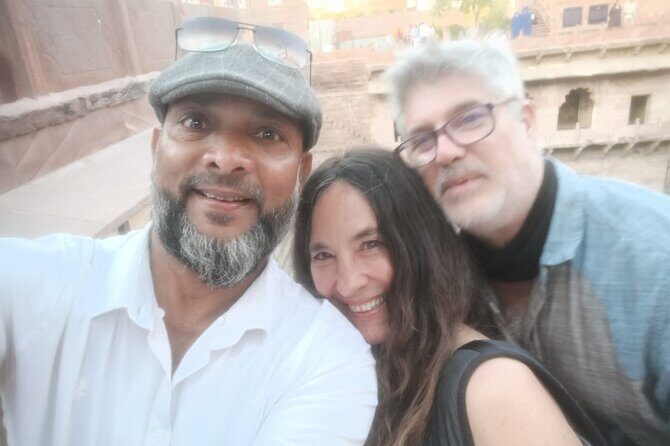
- Private vehicle + guided walking means you move smart, not strung out and lost in maze-like streets
- Sardar Market to Pachetia Hill covers the clock tower, blue lanes, stepwell, temples, and lake views
- Toorji Ka Jhalra is a standout stop, with a restored stepwell brought back to view after drainage and cleanup
- You get admission where it counts at several major sites, so you’re not constantly stopping for tickets
- Tea/coffee and bottled water keep the tour comfortable for a 2–3 hour window
- Photos are easier when your guide helps you find the best angles in the old city lanes
A smart way to see Jodhpur’s Blue City in only 2–3 hours
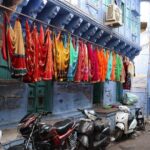
Jodhpur’s Blue City reputation is real, but the best version of it isn’t just a quick photo stop. It’s the feel of narrow lanes, local life near markets, and those clusters of blue-painted houses that appear and disappear around corners. This tour is built for that experience. You get short rides between sights, then focused walking where you’ll actually understand what you’re looking at.
The biggest “value” here is not the price tag—it’s the structure. When you’re on your own, you can easily waste time backtracking or missing the landmarks that anchor the whole old-town area. With a local guide, you move in a logical route and learn the why behind what’s in front of you.
Also, this is a private format. Your group stays together, so it’s easier to keep a steady pace for photos and explanations instead of watching everyone drift off in different directions.
You can also read our reviews of more walking tours in Jodhpur

Your route: from Sardar Market’s clock tower to Pachetia Hill views
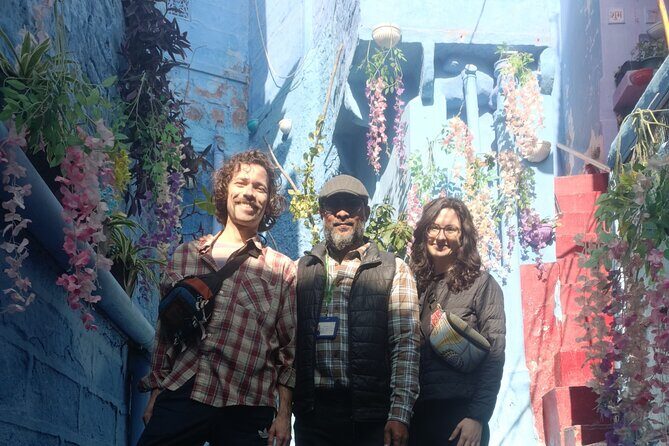
This tour works like a highlight reel, but it still gives you time at each stop. Expect roughly 20 to 45 minutes per main location, plus walking time inside the old lanes.
A quick “what you’re doing” flow:
- Start in the city center area around Sardar Market and the famous Ghanta Ghar clock tower
- Head to Toorji Ka Jhalra, the stepwell that’s famous for its carved details
- Walk through Navchowkiya, where narrow lanes reveal blue-house streets and market scenes
- Visit Kunj Bihari Temple tucked into quieter interiors
- Continue to the Ranisar and Padamsar lakes behind the Mehrangarh area
- Finish with Pachetia Hill for city views, often best near sunrise/sunset
Even if you only have one day (or half a day) in Jodhpur, this gives you a real cross-section: monuments, everyday streets, and viewpoint energy.
Sardar Market and the Ghanta Ghar clock tower (your big first landmark)
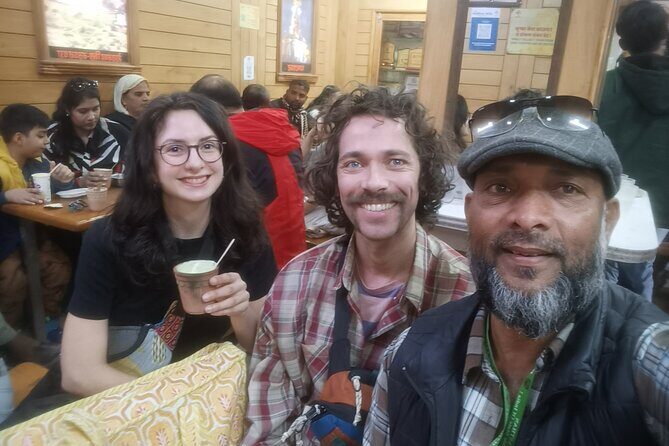
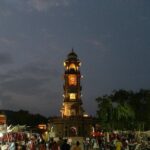
You begin at Sardar Market, anchored by Ghanta Ghar, the clock tower built by Maharaja Sardar Singh about 200 years ago. It’s one of those places that quickly gives you orientation. You can stand near it and feel how Jodhpur’s old center is organized around major public landmarks.
What I like about starting here is the momentum. By the time you move on, your brain already has a mental map: this is the central pulse of the old city. It’s also a good place for photos because the clock tower creates a clear focal point, and nearby market activity shows you the city’s everyday rhythm.
Practical note: market zones can be busy, so keep your phone/camera accessible but don’t stop in the tightest areas where foot traffic bottlenecks.
Toorji Ka Jhalra stepwell: the stop that rewards slow looking
If you care about architecture that makes you pause, this is a top moment. Toorji Ka Jhalra dates back to the 1740s, built by Maharaja Abhaya Singh’s queen. For nearly a century it was submerged, and then drainage, cleanup, and restoration work brought it back into view.
The reason stepwells matter in places like Rajasthan is simple: they’re engineering plus social life. You’re not just looking at a pretty structure—you’re seeing how communities managed water in a hot, dry climate. In this case, the restoration has uncovered carved details, and that’s where the “walk closer” value kicks in. A guide can help you notice which features you’d otherwise miss at a distance.
Time-wise, you get about 30 minutes here with admission included, which is usually enough to take a careful look without feeling rushed.
Navchowkiya narrow lanes: blue-house street scenes without the guesswork
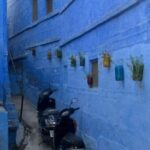
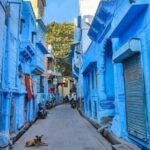
Next comes the walking segment through Navchowkiya. This is where Jodhpur starts feeling like a place you live in, not just a place you pass through. The lanes are tight, and your route shapes what you see. Turn one way and you get one angle of blue facades; turn another way and suddenly the market comes alive.
This part is also where a guide makes a real difference for photos. People often think the blue houses are only about color, but it’s the geometry—arches, walls, and street perspective—that makes the pictures work. A local guide helps you time your stops and choose where to stand.
You’ll spend about 45 minutes here, and admission for this section is free. The tradeoff is that you’ll be walking, so keep that pace comfortable. If the heat is intense, you’ll want water breaks and a relaxed stride.
You can also read our reviews of more guided tours in Jodhpur



Kunj Bihari Temple: a meaningful stop in quieter interiors
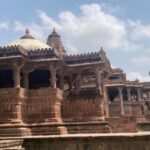
At Kunj Bihari Temple, you get a different mood: less open-market energy and more of the calm you expect from a sacred space. The temple was built in 1847 by Maharaja Vijay Singhji to remember his deceived son Sher Singh, who died young.
I like this stop because it adds meaning beyond sightseeing. The story tied to the temple gives you context for why people care for these places, and it also balances the route. After markets and a stepwell, a temple stop gives your senses a reset.
You’ll have around 30 minutes here, and admission is included.
Because it’s a temple, dress respectfully. Even if you’re only there briefly, act like you belong in the space, not like you’re just filming a backdrop.
Ranisar and Padamsar lakes: calm water views near the Mehrangarh area
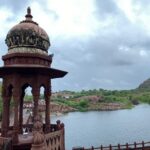
Then it’s back outside into open air for the Ranisar and Padamsar lakes, two adjoining lakes built over 500 years ago. They sit near Fateh Pol and behind the Mehrangarh Fort area, which gives you an instant connection between the old city and the fortscape.
What to look for here is the setting. Lakes in Indian cities are more than scenery: they’re part of how neighborhoods organize and remember their geography. Even if the water view isn’t what you imagined, the lake area is still useful because it offers breathing room and a different perspective from the dense lanes.
This is about 30 minutes, with admission included.
Pachetia Hill: the viewpoint finish for blue-house spotting
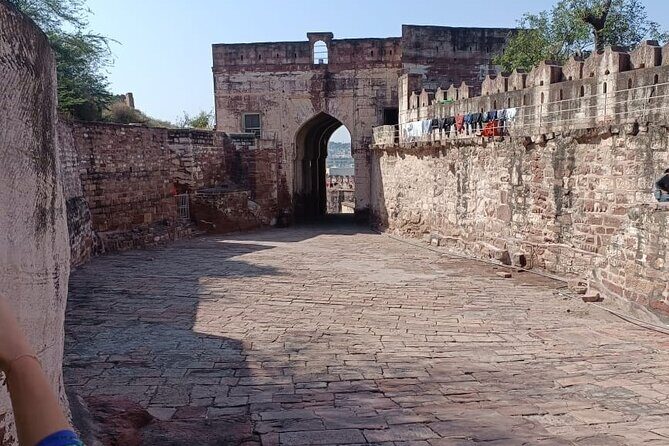
The last stop is Pachetia Hill, where you get the “wow, now I see the city” effect. It’s known for some of the best views over Jodhpur, and it’s especially valued for sunrise and sunset timing when the rooftops and blue houses catch the light.
You only spend about 20 minutes here, so treat it like a quick but important closing scene. Arrive ready to stand still, look around, and take photos without running off to the next angle every 10 seconds.
If you like viewpoints but hate slow tours, this timing is a good compromise. You don’t lose your whole evening; you still get the city picture in your head.
Why the private-vehicle setup is more than comfort
On paper, this tour is a walking tour with stops. In real life, the private transport between stops is what makes it actually work for most schedules.
Here’s what it solves:
- Less time wasted in transit, so you can keep your attention on the sights
- Better pacing when the lanes get tight and crowded
- Easier timing for photo stops without turning the day into a sprint
A walking-only approach can be amazing, but it assumes you already know where you’re going. This tour removes that burden, which is especially helpful if it’s your first time in Jodhpur or you’re trying to avoid decision fatigue.
The guide factor: storytelling you can feel in the streets
The reviews tied to this experience consistently point to guides who communicate well and make the route make sense. Names like Prabhat, Rajesh, and Nahendra come up with descriptions like upbeat, helpful, and good at answering questions on history and what you’re seeing. Yogesh is another guide name associated with walking the older lanes and explaining daily life and local customs.
So what should you expect from a good guide here?
- Help spotting the best blue-house angles in tight streets
- Context for why landmarks exist where they do
- Answers when you ask practical questions as you walk
If you want more than a photo walk, pick this kind of guided format. The value is in the connections, not just the stops.
Snacks, tea, and water: included breaks that prevent the slump
One of the simplest perks is included refreshment. You get samosa snacks plus bottled water, and you also have coffee and/or tea. That matters more than it sounds. In old cities, walking plus sun plus stairs can wear you down fast, and having a planned break keeps the experience enjoyable instead of drifting into survival mode.
I also saw mention of guides adding extra local bites like kachori alongside the samosa. I can’t promise every guide will do the same, but the key point is this: the tour is not just “walk, walk, walk.” It includes a pause built into the plan.
Price and value: $10 for a guided old-city highlight route
At $10 per person, this is priced for accessibility. The value comes from what’s bundled together: a local guide, pickup and drop-off from your hotel, private transportation, and admission tickets for multiple key stops.
A lot of tours like this look cheap until you add the real costs: tickets at major sights, guide time, and transportation. Here, several admission charges are covered, and you’re also getting snacks and a drink.
Is it free of tradeoffs? No. It’s still only 2 to 3 hours, so it’s selective. You won’t cover everything in Jodhpur. But if your goal is to see the essentials and get a guide-led route that helps you understand the city, the price feels fair.
Tip: bring cash for a tip if you feel your guide earned it. Tips aren’t listed as included.
Who this tour is best for (and who might want something else)
This tour suits you if:
- You want a first-day Jodhpur plan with minimal navigation stress
- You like guided context, not just a checklist of monuments
- You want blue-house photos but don’t want to chase them alone
- You’re traveling with limited time and need a 2 to 3 hour fit
You might choose a different format if:
- You prefer ultra-slow wandering with fewer scheduled stops
- You’re hoping for a full deep dive into one site (this is a highlight route)
- You dislike any walking through older lanes, even if the route is paced
Tips to make the most of it
- Wear comfortable shoes with grip. The old lanes can be uneven.
- Bring a hat and sunscreen. Even in a short tour, the sun adds up.
- Ask your guide one question at each main stop. The route gives you built-in chances to learn.
- If you want the best photos, plan to pause where your guide directs you, especially in Navchowkiya. Perspective does the work.
Weather matters too. The experience requires good weather, and if conditions are poor, you’ll be offered another date or a refund.
Should you book the Private Jodhpur Blue City Walking Tour?
I’d book this if you want a confident, guided way to see Jodhpur’s essentials without wasting time. The mix of big landmarks (Ghanta Ghar), deep local craft and architecture (Toorji Ka Jhalra), lived-in streets (Navchowkiya), a story-based temple, lake-area views, and the final city panorama from Pachetia Hill creates a full-feeling day in just a few hours.
The two biggest reasons it earns repeat value are the private guide and the built-in comfort items—transport plus snacks and drinks. If you like your travel with less stress and more meaning, this one is easy to recommend.
FAQ
FAQ
How long is the Private Jodhpur Blue City Walking Tour?
It lasts about 2 to 3 hours.
Is hotel pickup and drop-off included?
Yes. Pickup and drop-off from your hotel are included.
What’s included during the tour besides the guide?
The tour includes private transportation, samosa snacks, bottled water, coffee and/or tea, and all taxes/fees/handling charges.
Are admission tickets included for the sights?
Admission tickets are included for Sardar Market (Ghanta Ghar), Toorji Ka Jhalra, Kunj Bihari Temple, and the Ranisar Padamsar Lakes. Navchowkiya and Pachetia Hill are listed as free.
Is this a private tour or shared group?
It’s private. Only your group participates.
Do I need to tip the guide?
Guide tip is not included, so you’d plan on tipping if you want to.
What happens if the weather is bad?
The experience requires good weather. If it’s canceled due to poor weather, you’ll be offered a different date or a full refund.