REVIEW · JODHPUR
Blue City Heritage Walks Jodhpur
Book on Viator →Operated by Blue City Heritage Walks Jodhpur · Bookable on Viator
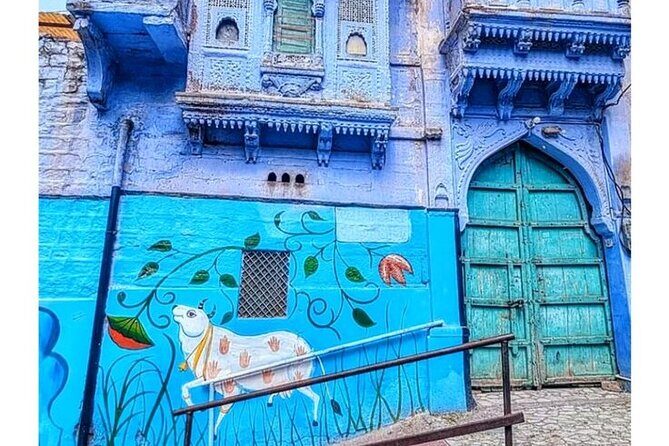
Jodhpur looks different at sunrise. This private Blue City heritage walk is led by the city’s only female guide, with story-first storytelling that brings everyday life into the mix, not just royal monuments. The route threads through blue-painted lanes, old-school bazaars, quiet temples, and historic water spots you can actually photograph.
I like that the walk is built around connection—you’ll get context for why places matter to locals, and Sabiha Sheikh’s English and relaxed humor make the facts easy to hold onto. You’ll also end with a simple homemade vegetarian breakfast at a local family home, which turns the day from sightseeing into something warmer. One thing to consider: it’s a 3 to 4 hour morning walk starting at 7:00 am, and the experience requires good weather, so plan accordingly if you’re not keen on early starts.
In This Review
- Quick reasons this Blue City walk is worth your morning
- Why a female-led Blue City heritage walk feels different
- A practical tip before you go
- Hitting the right neighborhoods fast: Clock Market meeting point at 7:00 am
- Stop 1: Toorji Ka Jhalra stepwell (rose-red sandstone, photo-friendly)
- What to watch for
- Stop 2: Ranisar and Padamsar Lakes (historic water conservation, old city scale)
- Possible drawback
- Stop 3: Shri Gangshyam Ji Maharaj Mandir (Krishna temple, 18th-century devotion)
- How to get the most from this moment
- Stop 4: Navchowkiya crossroads (1 hour of real old-city life)
- A consideration
- Stop 5: Sardar Market (built in the era of Maharaja Sardar Singh)
- Why this matters for value
- The homemade vegetarian breakfast finish (warm, practical, and local)
- What you should expect
- Private touring style: what it changes for your day
- Value check: what you pay ($32.62) and what you get for it
- Who should book this walk (and who might prefer something else)
- Should you book Blue City Heritage Walks Jodhpur?
- FAQ
- How long is the Blue City Heritage Walk?
- Where does the tour start?
- What time does the tour begin?
- Is this a private tour or a group tour?
- Who leads the tour?
- What stops are included in the walk?
- Are admission tickets required for the listed stops?
- Is breakfast included?
- What is the price per person?
- What is the cancellation policy?
Quick reasons this Blue City walk is worth your morning
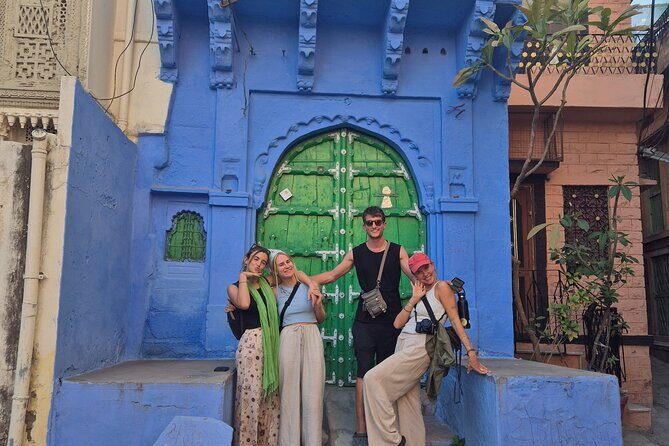
- Sabiha Sheikh’s guided storytelling that connects the blue lanes to real life, not only kings and palaces
- Toorji Ka Jhalra stepwell at a prime photo time window (sunrise or sunset)
- Old-city water history at Ranisar and Padamsar lakes, part of Jodhpur’s conservation system
- Faithful local stops like a historic Krishna temple (18th century) and everyday-life crossroads (Navchowkiya)
- Sardar Market as living bazaar culture, not a staged tourist stop
- Homemade vegetarian breakfast with a local family to cap it off
Why a female-led Blue City heritage walk feels different
Jodhpur’s old city can be visually loud even when it’s quiet. Blue walls pop, streets twist, and it’s easy to wander without understanding what you’re seeing. What I like about this tour is that it treats the city like a story you can follow step by step, with a guide who has a human, grounded way of explaining the past.
Sabiha Sheikh is the named guide in many of the traveler notes you provided, and the pattern is consistent: she communicates clearly, keeps the pace relaxed, and focuses on heritage you can sense—music in the bazaar, devotion at the temple, the practical logic behind water structures. The fact that this is a private tour matters here too. When you’re with only your group, you can ask questions without feeling like you’re slowing down a big pack.
You can also read our reviews of more city tours in Jodhpur



A practical tip before you go
Bring light layers. Even if you’re starting at 7:00 am, Rajasthan mornings can shift quickly, and the walking pace is steady for a few hours.
Hitting the right neighborhoods fast: Clock Market meeting point at 7:00 am
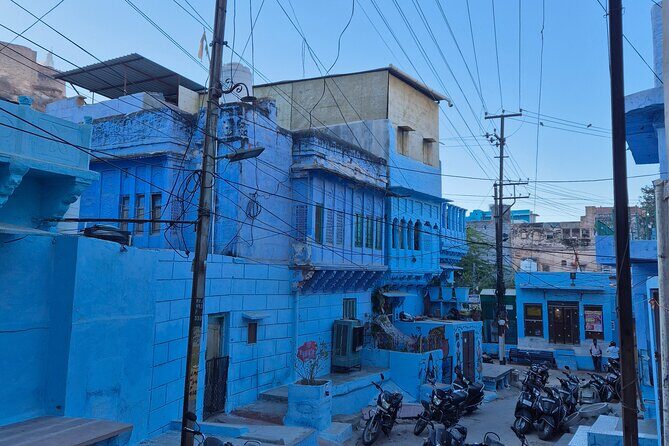
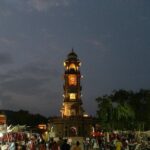
You meet at Clock Market (Ghantaghar Market), near the Clock Tower. The start time is 7:00 am, and the tour ends back at the meeting point.
This early start helps in two ways. First, you’re in the old city while streets still feel manageable. Second, it puts you in the right time window for places like Toorji Ka Jhalra, described as perfect for sunrise or sunset photos. If you’ve ever tried to capture architectural details in harsh midday light, you know the difference.
Because it’s private and your guide can tailor the flow to your group, you won’t be stuck rushing through photo stops or waiting for everyone else to keep up.
Stop 1: Toorji Ka Jhalra stepwell (rose-red sandstone, photo-friendly)
The walk begins at Toorji Ka Jhalra, a stepwell built from rose-red sandstone. Stepwells in Rajasthan aren’t just pretty architecture. They’re engineering for daily life—places that managed water and community gathering in one.
This stop lasts about 15 minutes, and there’s no admission ticket listed for it. The time is short on purpose: you get enough to look closely at the carved structure, take photos, and let the space do its job. If you like details—angles, symmetry, worn surfaces—this is the kind of stop that rewards a slower look.
What to watch for
Go for the edges and the vertical geometry. From a few spots you’ll see different patterns in the stonework, especially in softer morning light.
You can also read our reviews of more historical tours in Jodhpur




Stop 2: Ranisar and Padamsar Lakes (historic water conservation, old city scale)
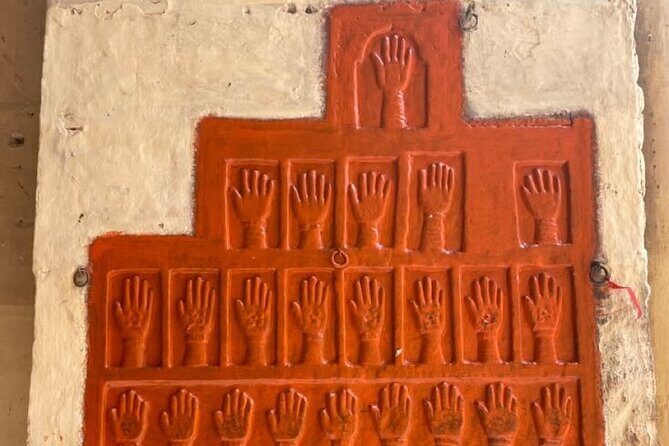
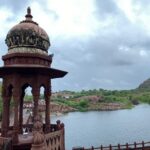
Next up are the Ranisar Padamsar Lakes, two adjacent lakes in the heart of old Jodhpur. These were built centuries ago as part of the city’s water conservation system during the royal era. Today, they help define the neighborhood’s rhythm and layout.
Again, the schedule gives you about 15 minutes here, with admission ticket free. I like this stop because it explains something practical. Jodhpur’s heritage isn’t only about buildings; it’s also about how people solved survival needs—water, shade, access.
Even if you’re not a “water history” person, these lakes help you understand why stepwells and water infrastructure are so central in Rajasthan city planning. It makes the rest of the tour click.
Possible drawback
If you want every stop to be a long, sit-down experience, this one may feel like a quick hit. But the timing works well because you still keep momentum through the old city.
Stop 3: Shri Gangshyam Ji Maharaj Mandir (Krishna temple, 18th-century devotion)
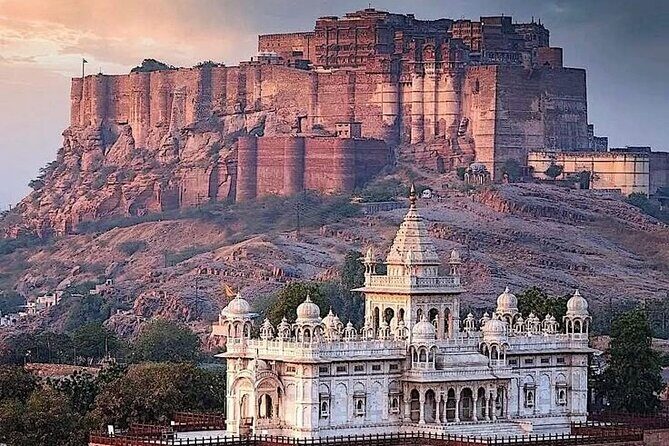
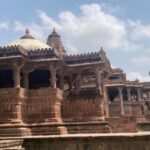
Then you reach Shri Gangshyam Ji Maharaj Mandir, a historic Krishna temple in Jodhpur. It was built in the 18th century, and it’s described as a long-standing center for Vaishnav devotion.
This is another 15-minute stop with admission ticket free. The value here isn’t just seeing the temple structure—it’s how the guide frames devotion as part of the city’s daily calendar. In a place like Jodhpur, you’ll often notice how religion and routine are intertwined. A good guide helps you spot that without turning it into a lecture.
How to get the most from this moment
Look for how people move through the space and what they do before you. If you’re unsure about temple etiquette, follow what locals do, and keep photos respectful.
Stop 4: Navchowkiya crossroads (1 hour of real old-city life)

Now the tour shifts from monuments to the in-between spaces: Navchowkiya. This isn’t treated as a single sight. It’s described as a microcosm of old Jodhpur—one crossroads that reflects how people live, trade, and move.
You’ll spend about 1 hour here, with admission ticket free. This is where the tour feels most like walking with a local friend rather than checking boxes. You get the sights, sounds, and smells of traditional Rajasthan in a way that a main attraction often can’t match.
I think this hour is also why the walk is worth it even if you’ve seen photos of the Blue City before. You’re not just looking at blue walls. You’re watching the city operate.
A consideration
Crossroads are active. If you’re sensitive to crowds or prefer quieter streets, bring patience and keep a slower pace with the guide.
Stop 5: Sardar Market (built in the era of Maharaja Sardar Singh)
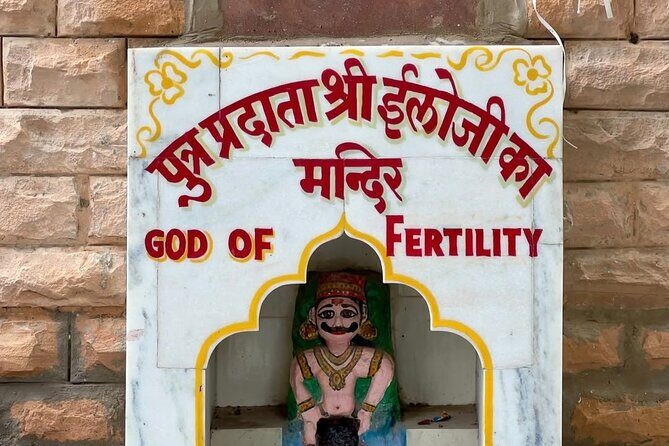
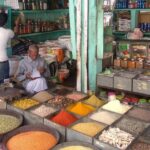
The last major stop is Sardar Market, built during the reign of Maharaja Sardar Singh. The description frames it as one of Rajasthan’s oldest, busiest, and most atmospheric bazaars—a living thread connecting Jodhpur of kings to Jodhpur of today.
You’ll have about 1 hour here, with admission ticket free. This is where you get that classic market experience: people negotiating, daily needs on display, and the sense that the bazaar existed long before visitors showed up with cameras.
Why this matters for value
A lot of city walks end at a view. This one ends in commerce and culture—where you can buy small gifts, snack on local foods later, or simply observe how the neighborhood sustains itself.
The homemade vegetarian breakfast finish (warm, practical, and local)
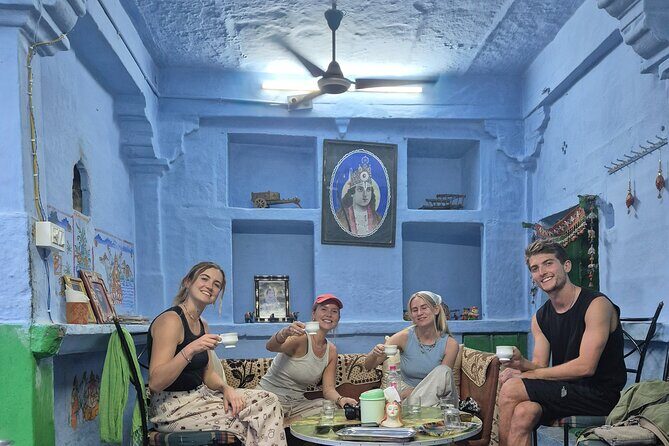
The tour concludes with a simple homemade vegetarian breakfast at a local family home. This is a major part of the overall value, because it shifts the tour from outside-looking-in to inside-a-little.
It’s also the kind of meal that’s hard to replicate on your own without knowing who to ask. In the notes you provided, travelers highlighted Sabiha’s network for arranging breakfast and even safe transport if needed. That matters because old Jodhpur can be maze-like, and a guide reduces friction.
What you should expect
This isn’t positioned as a fancy restaurant stop. It’s a small local home experience. If you’re looking for a polished, Western-style café vibe, you might find it more humble than you expect. If you want to feel what hospitality looks like in daily life, you’ll likely appreciate it.
Private touring style: what it changes for your day
Because this is a private tour/activity, only your group participates. That helps in several real ways.
- You can set your own pace at the stepwell and temple stops, instead of being pulled along.
- You can ask questions about what you’re seeing—why blue is used, how water systems shaped the city, or what religious spaces mean.
- If your energy dips, you’re not stuck keeping up with strangers.
In the traveler notes you shared, Sabiha’s attentiveness also comes through. One solo traveler described her as caring when the traveler felt sick during the trip. Nobody can promise you’ll need extra help, but it’s comforting to know the guide’s role includes genuine human support, not just scripted talking points.
Value check: what you pay ($32.62) and what you get for it
At $32.62 per person, this is not a budget “drop-in” activity, but it also isn’t priced like a fancy full-day tour. For the money, you’re getting:
- A 3 to 4 hour guided heritage experience in central old Jodhpur
- Multiple ticket-free stops listed in the route (stepwell, lakes, temple, and key old-city areas)
- A homemade vegetarian breakfast at the end
- A named female guide (Sabiha Sheikh) with English ability highlighted in the provided traveler feedback
- A private format that keeps the day from feeling crowded or rushed
If you’re staying in Jodhpur for a short time, the tour’s structure helps you sample the essentials: historic water architecture, a temple context, and market-and-street life. It’s a strong use of half a morning when you don’t want to spend your day trying to piece together what everything means.
Who should book this walk (and who might prefer something else)
This tour is a great fit if you:
- Want the Blue City experience with context, not just photos
- Like walking tours where the guide explains the “why,” especially around heritage and daily life
- Appreciate a female-led guide and a comfortable, respectful pace
- Are looking for an ending that includes local hospitality, not only another photo stop
You might want to choose a different format if you:
- Prefer late starts and don’t want to commit to 7:00 am
- Dislike weather-dependent plans (the tour requires good weather)
- Want only major monuments, since part of the route is intentionally focused on everyday crossroads and bazaars
Should you book Blue City Heritage Walks Jodhpur?
I’d book it if you want a Jodhpur morning that’s more than sightseeing. The combination of stepwell + temple + old-city crossroad + market, plus a homemade vegetarian breakfast, is good value for the time. And with Sabiha Sheikh leading, the vibe you’re signing up for is warm, human, and practical—exactly what you need to understand why this city’s blue lanes feel alive, not just painted.
If you’re in Jodhpur for just a day or two, this is a smart anchor experience. If you have more time, you can also ask for separate private guided visits to Jodhpur’s major monuments, which the provider says can be arranged on request.
FAQ
How long is the Blue City Heritage Walk?
It runs for about 3 to 4 hours.
Where does the tour start?
The meeting point is Clock Market (72WF+28P), on Clock Tower Rd, in Ghantaghar Market, Jodhpur.
What time does the tour begin?
The start time is 7:00 am.
Is this a private tour or a group tour?
This is private. Only your group will participate.
Who leads the tour?
The tour is offered with the city’s only female guide, and Sabiha Sheikh is the named guide referenced in the information you provided.
What stops are included in the walk?
The route includes Toorji Ka Jhalra stepwell, Ranisar Padamsar Lakes, Shri Gangshyam Ji Maharaj Mandir, Navchowkiya, and Sardar Market.
Are admission tickets required for the listed stops?
Admission tickets are listed as free for each of the stops in the itinerary.
Is breakfast included?
Yes. The walk concludes with a simple homemade vegetarian breakfast at a local family home.
What is the price per person?
The price is $32.62 per person.
What is the cancellation policy?
You can cancel for a full refund if you cancel up to 24 hours in advance. If it’s canceled due to poor weather, you’ll be offered a different date or a full refund.