The Pink City has a way of getting under your skin. This walk, called Once Upon a Time in Jaipur, swaps the usual monument checklist for stories that live in daily life. You’ll hear about faith, caste, and community while moving through old lanes, temples, and bazaars where shopkeepers, priests, bangle makers, and chai sellers do their everyday work.
I especially like the focus on real street-level Jaipur (not just photo stops) and the fact that it’s guided with a friendly, personal style, with guide Deepak showing up repeatedly in reviews as warm, funny, and easy to be around. One thing to consider: it starts early at 7:30am, and temple visits mean you’ll want long sleeves and long pants plus shoes that are easy to remove.
You also get the small-but-important “how-to” stuff. There’s guidance around temple etiquette, carrying water, and asking permission before taking photos of people. Expect smells of incense and spices, lots of street sound (scooters, vendors, bells), and even the chance to spot the jumping monkeys that locals mention across rooftops.
If your ideal Jaipur day is quiet, minimal walking, and zero market chaos, this tour might feel like a bit much. If you want the city in motion, it’s a strong fit.
This is a private tour for just your group, and it runs about 2 hours 30 minutes back to the starting spot. The included snack helps, but plan your morning food accordingly since breakfast and transport aren’t included.
In This Review
- Key highlights worth your time
- Why this Jaipur walk is about people, not monuments
- Johri Bazaar and the back lanes you’ll want to revisit
- 7:30am start at Sanganeri Gate: timing and pacing that matter
- Temple etiquette, shoe rules, and the head-nod you’ll see everywhere
- What you get for $34: value check for snacks and a private guide
- The vibe: how the guide experience comes through (Deepak’s style)
- Small realities: garbage corners, street texture, and how to handle them
- Quick checklist before you set off
- Who this tour is best for
- Should you book Once Upon a Time in Jaipur?
- FAQ
- How long is the Jaipur walking tour?
- What time does the tour start, and where does it meet?
- Is the tour private?
- What’s included in the price?
- What should I wear and bring for temple visits?
- Can I take photos of people during the walk?
- Is transportation included?
- What happens if the weather is bad or I need to cancel?
Key highlights worth your time
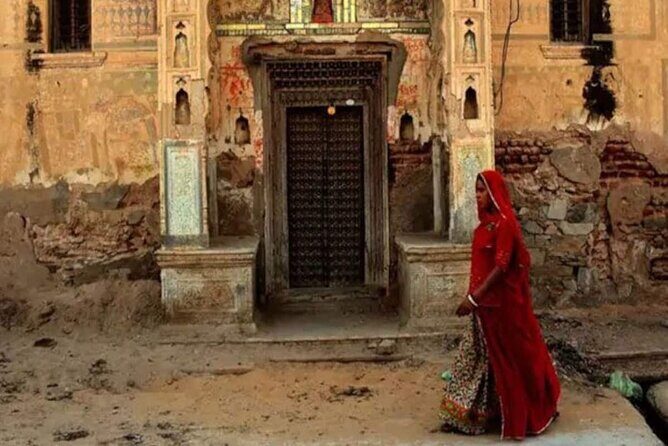
- Story-first walking route: less monuments, more everyday meaning behind the lanes
- Johri Bazaar energy: jewelry, trade streets, and the craft behind the shine
- Temple etiquette included in real life: long sleeves, remove shoes, and respectful photography
- A guide who sets the tone: Deepak is repeatedly described as kind, funny, and confident
- Short morning adventure: about 2.5 hours, ending back at the gate you started from
Why this Jaipur walk is about people, not monuments
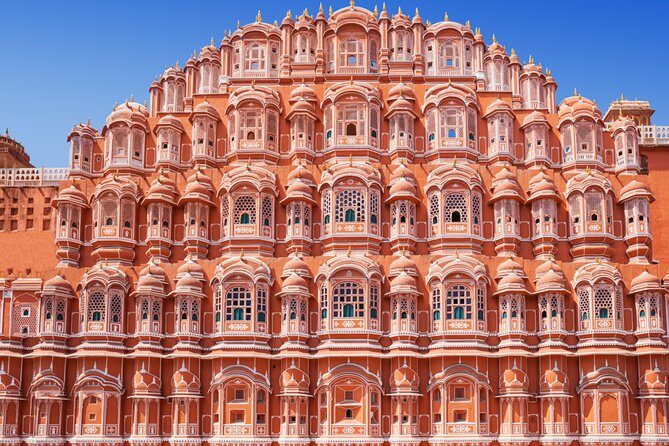
If you’ve seen Jaipur’s big sites already (palaces, forts, painted walls), you’ll still find plenty here. The point of Once Upon a Time in Jaipur is to show you how beliefs, traditions, and social rules still shape the street—who works where, how people worship, and what everyday rituals look like at normal time, not during a tour schedule.
I like that this tour treats the city like a living system. You’re not just told what something is; you’re guided toward understanding why it matters. Expect topics like faith in practice, community identity, and how caste and tradition influence daily life. Even if you don’t catch every detail, you’ll feel the logic of how the old city functions.
There’s also a practical benefit: you learn to read the streets. When temples ring, shops sell the same craft by hand, and lanes funnel people toward daily needs, you start understanding Jaipur without needing a guidebook to interpret every corner.
You can also read our reviews of more walking tours in Jaipur



Johri Bazaar and the back lanes you’ll want to revisit
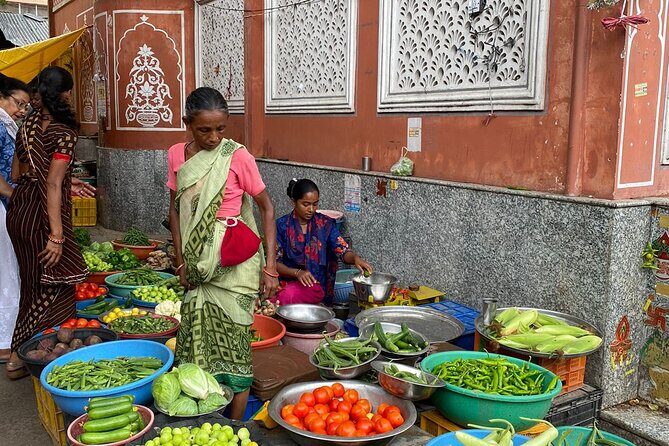
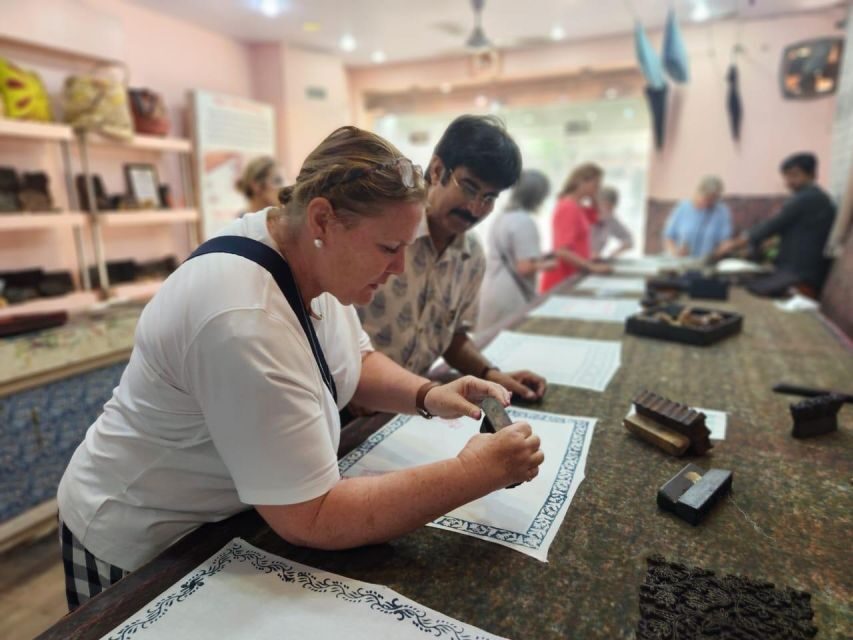
The tour centers on old trading lanes, and Johri Bazaar is the anchor point. This area is strongly associated with jewelry and the work behind it, and it’s exactly the sort of place where Jaipur becomes more than scenery. You’ll pass spaces where artisans and sellers do their jobs in real time—small movements, quick conversations, and the rhythm of trade.
What you’ll likely notice:
- The city’s craft culture isn’t separated from daily life. Jewelry, bangles, and other goods show up where people live and worship nearby.
- The streets are crowded in a way that feels purposeful, not random. Lanes guide you to the right kind of shop, the right kind of temple, the right kind of service.
- You’ll get stories tied to place, not just descriptions of buildings.
From the guide’s storytelling style (again, Deepak is repeatedly mentioned), you’ll likely hear how these trades connect to older beliefs and community roles. That’s what turns the walk into more than sightseeing: it gives you context so the chaos makes sense.
7:30am start at Sanganeri Gate: timing and pacing that matter
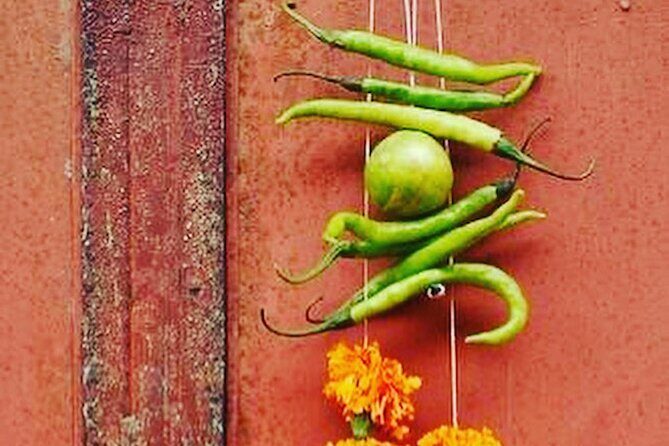
You meet at Sanganeri Gate in the Pink City, and the walk starts at 7:30am. The route runs about 2 hours 30 minutes, ending back at the meeting point. That early start is not random. In Jaipur, mornings are simply when you can move comfortably through the old city without feeling cooked before you even begin.
Because it’s a walking tour and you’ll be near temples and markets, pacing matters. Plan for steady movement, not a relaxed stroll where you stop every five minutes for photos. The upside: you’ll cover more ground while the city still feels fresh and more manageable.
Also, since it’s private (only your group), you don’t have to share the guide’s attention with strangers. That usually makes a difference for questions, photo pacing, and tailoring how much time you spend in busier lanes.
One more practical note: the meeting point is near public transportation, which helps if you’re building the rest of your day around the tour.
Temple etiquette, shoe rules, and the head-nod you’ll see everywhere
This walk includes temple time, so the clothing guidance isn’t optional. You’re advised to wear long pants and long sleeves. You’ll also want shoes that are easy to remove, since temple visits often require it.
Here’s what I’d do to make this easy:
- Wear one layer you can handle in warm weather (long sleeves can still work if breathable).
- Bring socks you’ll be comfortable walking in after shoe removal.
- Carry a small water bottle. You’re told to bring one, and you’ll be glad you did.
There’s also a fun cultural detail you should be ready for: the Indian head-nod can mean yes, no, or maybe, depending on context. If you’re expecting one rigid meaning, you’ll get confused. The tour sets you up to handle it with less stress, so you can focus on the stories and the street scenes.
And photography etiquette is part of the real deal here. You’re instructed to ask permission before taking a picture of a person. That’s respectful, and it also keeps things smooth with vendors and locals.
Finally, there’s a note about monkeys—specifically jumping monkeys across rooftops. You might not see them, but you should be aware they can be part of the old city soundtrack and scenery.
What you get for $34: value check for snacks and a private guide
The price listed is $34.04 per person, with a mobile ticket. You’ll also get snacks included, and the time on foot is about 2.5 hours.
Here’s how I’d think about value:
- You’re paying for a guided walk that’s built around local stories and access to everyday spaces, not a bus tour hopping from one highlight to another.
- The private format matters. If you’re traveling as a pair or small group, a private guide often feels like better spending than squeezing into a large group with rushed stops.
- The included snack is small, but it’s useful on a morning start when you may not have eaten yet.
What’s not included is also important. Breakfast isn’t included, so don’t assume you’ll be fed enough to skip morning plans. Private transportation also isn’t included, meaning you’re responsible for getting to the meeting point and leaving afterward.
If your goal is to experience Jaipur’s “real daily life” (trade streets, temple routines, shop-floor culture) rather than only monuments, this price makes sense. If you only want major sights with minimal walking, you’ll probably feel it’s better spent elsewhere.






The vibe: how the guide experience comes through (Deepak’s style)
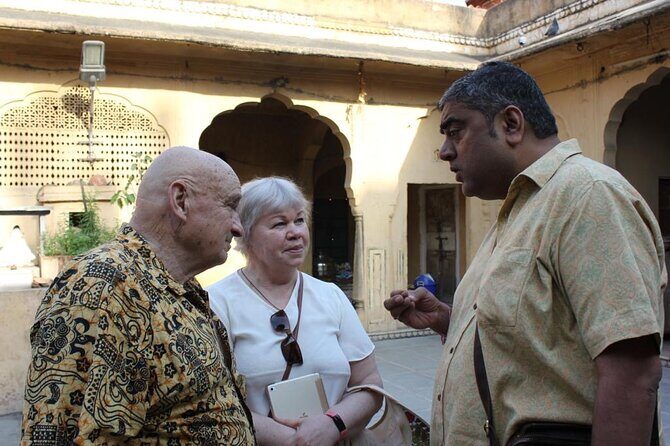
The tour is guided, and a name that shows up repeatedly in feedback is Deepak. The themes are consistent: he’s described as warm, kind, and funny, and as someone who makes you feel at ease while sharing details about old city life.
That tone matters more than people think. Old city tours can feel heavy if the guide talks like it’s a lecture. Here, the storytelling approach is meant to feel like conversations—laughter, listening, and learning what’s behind the daily routines you see in the lanes.
The walk also seems to include more than just markets and temples. Reviews mention stopping in places like a school and visiting temples that feel tucked away rather than obvious from the main streets. Even if you don’t know exactly what the route will cover on your date, the structure is designed to help you connect the dots between crafts, community life, and faith.
Small realities: garbage corners, street texture, and how to handle them
One of the most honest notes in the info is that you may come across dirty streets of garbage corners. That’s not an indictment of Jaipur; it’s simply the reality of older, densely used neighborhoods where waste management can look uneven.
So how should you respond?
- Don’t let it ruin the day. Treat it like part of the lived texture of the city.
- Keep your expectations grounded. This isn’t a polished historic district curated for visitors.
- Stay mindful where you walk. You’ll be in lanes where the ground can be uneven or messy.
If you’re the type who gets stressed by street conditions, you might find it hard to stay in the mood. If you’re curious and flexible, these moments can actually make the stories feel more real.
Quick checklist before you set off
Before you leave your hotel, I’d pack and plan for these items:
- Long pants and long sleeves for temple stops
- Shoes that are easy to remove
- A water bottle (bring one)
- A mindset for street smells and sound: incense, spices, vendor calls, scooters
- Patience and respect for photography: ask permission before taking photos of people
Also, since this is a walking tour through active market areas, keep your phone charged enough for maps and photos, but don’t let it pull you out of conversation time.
Who this tour is best for
This is a strong choice if you:
- Want Jaipur beyond the big sights, with daily life and belief systems at the center
- Like walking tours that feel conversational, not robotic
- Enjoy markets, craft work, and seeing people working—jewelry and bangle culture included
- Prefer a private experience where you can ask questions without feeling rushed
It’s less ideal if you:
- Hate early mornings or long walks
- Have trouble with basic temple etiquette requirements (long sleeves/pants and shoe removal)
- Want a very clean, minimal-stimulation experience at every step
Should you book Once Upon a Time in Jaipur?
Book it if you’re ready for Jaipur as a living city, not a checklist. For $34.04, you get a 2.5-hour private morning walk, snacks included, and a guide-centered story format that brings the old lanes to life. The fact that Deepak is repeatedly described as kind, funny, and knowledgeable is a good sign that the experience is meant to feel human, not like a script.
Skip it if your travel style is all about big-ticket monuments, minimal walking, or you want zero street mess. This walk is designed for people who can handle real lanes and want to understand the city’s rhythms from the inside.
If you’re in doubt, think of it this way: you’re buying context. In a city like Jaipur, that context is often what turns a memorable trip into a meaningful one.
FAQ
How long is the Jaipur walking tour?
It runs for about 2 hours 30 minutes.
What time does the tour start, and where does it meet?
It starts at 7:30am and meets at Sanganeri Gate, Pink City, Jaipur, Rajasthan 302003, India.
Is the tour private?
Yes. It’s listed as a private tour/activity, so only your group participates.
What’s included in the price?
Snacks are included.
What should I wear and bring for temple visits?
You’re advised to wear long pants and long sleeves. You should also wear shoes that are easy to remove for temples. Bring a water bottle.
Can I take photos of people during the walk?
You should take permission before taking a picture of a person.
Is transportation included?
No. Private transportation is not included.
What happens if the weather is bad or I need to cancel?
The experience requires good weather. If it’s canceled due to poor weather, you’ll be offered a different date or a full refund. You can cancel for a full refund up to 24 hours in advance of the experience start time.