REVIEW · CITY TOURS
Pink City Cooking Class
Book on Viator →Operated by Pink City Cooking Class · Bookable on Viator
A Jaipur cooking class can be more than dinner. This one is built like a real home kitchen lesson, with hands-on teaching and warm family-style hospitality from Chef Dimple and Bunty.
I especially like the clear, step-by-step guidance (so you are not just watching), and the fact that a lot of the flavors come from the class’s own farm produce. The only watch-out: it’s vegetarian-focused, so if you want meat-heavy dishes, this won’t match your goal.
Expect a 2–3 hour experience in a clean, spacious kitchen where you cook multiple recipes and finish by eating what you made. You also get bottled water for guests, filtered water for cooking, and an easy way to repeat the results later with a provided recipe e-book / e-doc. One more consideration: the experience runs with good weather in mind, so plan flexibility if conditions are poor.
In This Review
- Key highlights worth planning for
- A Jaipur home kitchen, not a showroom cooking class
- What you actually cook: Rajasthani-style vegetarian staples
- The 3-hour flow: from welcome to cooking to eating
- Farm-fresh ingredients and filtered water: small details, big payoff
- Recipes you can actually use at home
- Getting there: the address is clear, but do arrive early
- Price and value: what $27.90 buys you in real terms
- Who should book this class (and who might not love it)
- A quick, honest decision check
- FAQ
- How long is the Pink City Cooking Class?
- Is the class vegetarian?
- What dishes will I learn to make?
- Does the class provide water or cooking ingredients?
- Will I get recipes to take home?
- How big are the groups?
- Where does the class start?
- Should you book Pink City Cooking Class?
Key highlights worth planning for
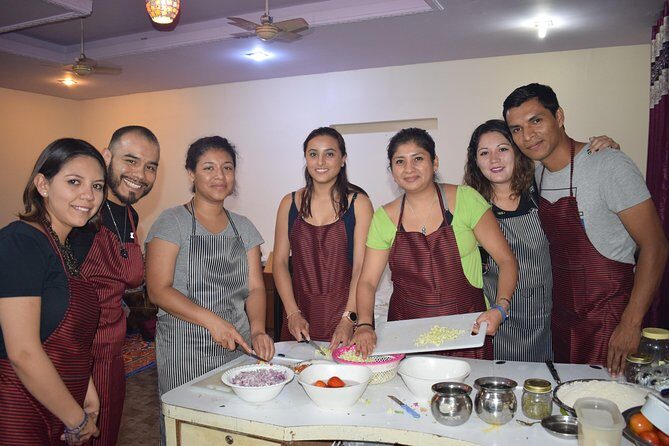
- Chef Dimple and Bunty teach in a home-style setup with lots of patient, practical instruction
- You cook multiple vegetarian dishes plus basics like roti/chapati and jeera rice
- Farm-sourced vegetables and masala are part of the ingredient story
- Spice levels can be adjusted to fit your group’s comfort
- You get recipes to take home so the class doesn’t end when you leave
- Small groups (max 15) make it easier to ask questions and get hands-on time
A Jaipur home kitchen, not a showroom cooking class
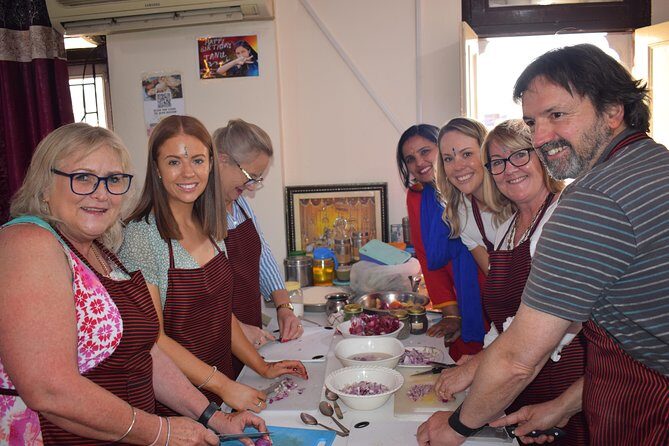
Pink City Cooking Class is located in Jaipur at 17-A, Manu Marg, Amer Rd, Govind Nagar West, Brahampuri, Jaipur, Rajasthan 302002. The meet-up is in a residential setting, and that changes the feel fast. Instead of a loud demo stage, you’re in a working home kitchen where people cook for real life, not just for show.
A big reason this class works is the human side. Chef Dimple brings the “this is how we do it at home” energy, and Bunty is the kind of teacher who sticks with you through the steps—patient, clear, and passionate about Indian food and culture. You will likely find it easier to follow the process when someone explains what to do next, not just what the finished dish should look like.
The kitchen setup also gets praised for being spotlessly clean. That matters more than you might think. When the prep station is tidy and the tools are ready, you spend less time hunting and more time cooking.
This isn’t a huge tour either. The group size tops out at 15, so you are not lost in a crowd. If you’ve ever tried a cooking class where you can’t reach the stove or you’re too shy to ask questions, this small size is a real quality-of-life upgrade.
What you actually cook: Rajasthani-style vegetarian staples
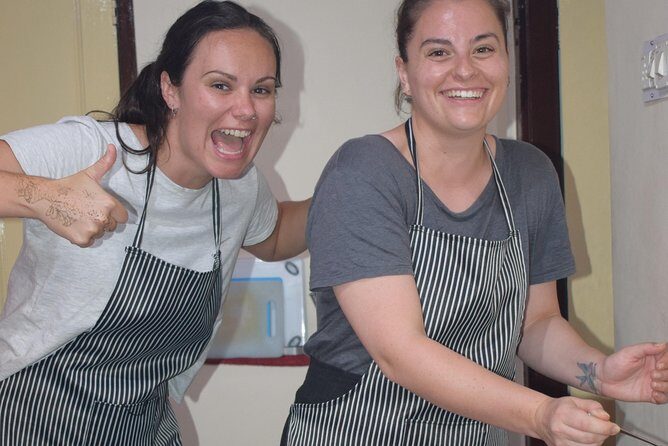
This is a vegetarian Indian cooking class, and that’s not a vague label. You’ll be guided through dishes that sit at the heart of everyday North Indian and Rajasthani cooking.
From the dishes repeatedly referenced in the experience details and the class reviews, you can expect a mix that often includes:
- Roti or chapati (the foundational flatbread skill)
- Dal (lentil cooking, the backbone of many Indian meals)
- Pakoras (savory fritters, often made with spiced vegetables)
- Paneer curry (a common, rewarding vegetarian protein)
- Jeera rice (cumin rice that teaches seasoning you can reuse later)
- Masala chai (the tea that smells like the whole neighborhood back home)
One review highlights that you learn Rajasthani dishes and techniques that form the base for a lot of Indian cuisine. That is the smart angle here. Even if you forget the exact recipe, the techniques—how you build spice flavor, how you time cooking steps, and how you balance seasoning—stick with you.
Also, the class is not rigid. Your hosts can adjust the spice level to the group’s taste. That’s a practical detail that makes the experience feel designed for you, not just for someone else’s palate.
The 3-hour flow: from welcome to cooking to eating
The class runs about 3 hours (roughly 2–3 hours), and it’s paced so you do real work, not just a short task and then a long wait.
Here’s what the experience feels like, based on how the class is described:
- Warm welcome and kitchen setup
You arrive and get settled into the home’s kitchen and dining space. The tone is friendly—more like joining someone’s family meal prep than attending a formal workshop.
- Hands-on cooking with expert guidance
Chef Dimple and Bunty walk you through steps with easy-to-follow instructions. In plain terms: they show you what to do, then you do it, and they correct the small stuff before it becomes a big problem.
- Build flavors step by step
The class is designed around learning the logic of Indian cooking. You’ll practice how spices and ingredients work together, and you’ll get tips that help you understand why something tastes right.
- Make chai while you cook (and chat while it brews)
Masala chai is a frequent highlight. You get a chance to learn how it’s made, not just to sip it. Plus, it’s a natural pause where conversation about Indian food and life in Jaipur comes up.
- Sit down and enjoy what you made
After cooking, you eat. Several reviews point out that the food is delicious and that the experience includes time to relax and enjoy the meal you built with your own hands.
There’s also a cultural thread running through the class. Even when you are focused on the food, the hosts share insights into Indian culture and daily life in Jaipur, which makes the experience feel more grounded than a typical “cook and leave” activity.
Farm-fresh ingredients and filtered water: small details, big payoff
The ingredient story is one of the best parts of this class. You’re told that masala and vegetables come from the hosts’ own farm, and that the kitchen uses filtered water for cooking, with bottled water provided for guests.
Why should you care? Because these are the kinds of choices that affect both taste and comfort:
- Fresh produce changes the cooking outcome. Spices bloom better, vegetables hold their flavor, and you get a final dish that tastes like it should.
- Filtered water for cooking is a practical quality signal in any kitchen. It supports consistent results, especially for things like rice and chai.
- Bottled water for guests means you do not have to think about water logistics during the class.
In a city like Jaipur, it’s easy to get food that’s good but inconsistent. This class tries to make the consistency part of the lesson—so you learn the method, not just how to survive a one-off meal.
Recipes you can actually use at home
A cooking class is only worth it if you can recreate it later. Pink City Cooking Class gives you a recipe e-book (and you may also receive recipe content in an e-doc after the class, depending on how your session is handled).
That matters because most people don’t remember every ingredient measurement after the excitement fades. Having the steps and recipes written out gives you a way to make the dishes again without guesswork.
From the reviews, people repeatedly mention getting the recipes for the dishes they prepared, plus extras beyond what they cooked in the session. That’s a nice bonus if you want to keep practicing Indian vegetarian cooking after your trip ends.
Getting there: the address is clear, but do arrive early
The start point is listed as 17-A, Manu Marg, Amer Rd, Govind Nagar West, Brahampuri in Jaipur. The experience is also described as near public transportation, which helps if you don’t want to rely only on taxis.
Two practical tips:
- Use the exact address and plan a little extra time so you’re not rushing while you’re trying to find a residential lane.
- Bring your mobile ticket and keep it accessible when you arrive. The class uses a mobile ticket format.
Because this is a home kitchen location, you’ll enjoy it more if you arrive calm. The vibe depends on timing, and cooking classes don’t wait for late arrivals.
Price and value: what $27.90 buys you in real terms
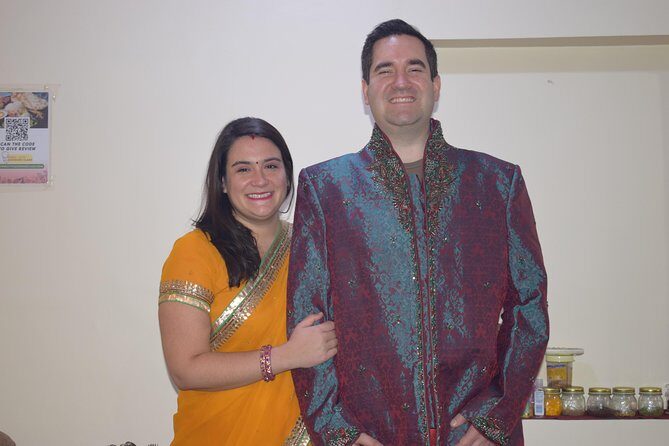
At $27.90 per person, this class is priced like an accessible cultural activity, not a luxury workshop. But the value isn’t just the price tag. You get several things bundled in:
- Small-group format (max 15) so you get attention
- Real hands-on cooking with guidance, not a passive experience
- Multiple recipes you can apply afterward (roti/chapati, dal, pakoras, paneer curry, jeera rice, chai are common examples)
- Bottled water + filtered water support during cooking
- Recipe e-book / e-doc so you can repeat the dishes at home
Also, because it’s vegetarian, it’s a strong fit for many dietary preferences without forcing substitutions. If you eat vegetarian already, you’ll spend your time learning technique rather than converting ingredients.
The only value mismatch is for people who only care about meat-based dishes or who want a purely “touristy” activity with outdoor sightseeing every few minutes. This class is about the kitchen, the meal, and the food culture behind it.
Who should book this class (and who might not love it)
This is a great choice if you:
- Want authentic vegetarian Indian cooking taught with patience
- Like learning the basics that power many dishes (spice logic, bread dough, rice seasoning)
- Prefer a smaller, home-style group where questions feel welcome
- Want both a meal and a take-home recipe plan for later
- Are craving a calmer break from the streets—this is a controlled, food-focused space
It may not be the best fit if you:
- Need a meal plan built around non-vegetarian dishes
- Want cooking instruction but also dislike adjusting spices to match a group’s comfort (though you can typically choose your level)
- Prefer a fully outdoor or sightseeing-heavy itinerary (this is largely a kitchen experience)
One more practical note: the experience is described as requiring good weather. Since it’s based at a home kitchen location, it might not be affected in a dramatic way, but weather can still affect how operations run. If you’re visiting during a volatile season, keep your schedule flexible.
A quick, honest decision check
If you’re torn, here’s how I’d decide:
- If you want to leave Jaipur with skills you can reuse in your own kitchen, book it.
- If you want a sit-down cultural food moment with real cooking and real hospitality, book it.
- If you’re only looking for a short photo stop or you hate the idea of vegetarian cooking lessons, skip it.
For the money, the combination of hands-on instruction, farm-sourced ingredients, and take-home recipes is what makes this class feel worth it. It’s not just about eating something tasty. It’s about understanding how to make the tasty parts yourself.
FAQ
How long is the Pink City Cooking Class?
It’s about 3 hours approximately, with descriptions noting the hands-on experience runs around 2 to 3 hours.
Is the class vegetarian?
Yes. The class focuses on vegetarian recipes and vegetarian Indian cuisine.
What dishes will I learn to make?
The class teaches multiple Indian dishes. Commonly mentioned examples include roti/chapati, dal, pakoras, paneer curry, jeera rice, and masala chai.
Does the class provide water or cooking ingredients?
Cooking is described as using filtered water, and bottled water is provided for guests. Masala and vegetables are described as coming from the hosts’ own farm.
Will I get recipes to take home?
Yes. You receive a recipe e-book, and you may also receive recipe information after the class in an e-doc format.
How big are the groups?
The experience has a maximum group size of 15 travelers.
Where does the class start?
The meeting point is listed at 17-A, Manu Marg, Amer Rd, Govind Nagar West, Brahampuri, Jaipur, Rajasthan 302002.
Should you book Pink City Cooking Class?
I’d book it if your idea of a great Jaipur day includes cooking something real, learning why the food tastes the way it does, and leaving with recipes you can follow later. The standout strengths here are the clear step-by-step teaching, the warm home feel from Chef Dimple and Bunty, and the practical extras like recipes to take home and farm-based ingredients.
If you’re craving meat-centered dishes or you want nonstop sightseeing, look elsewhere. But if you want a genuinely useful cultural experience built around vegetarian Indian cooking, this is a smart pick.