REVIEW · NEW DELHI
Golden Triangle Private Tour in India for 5 Days and 4 Nights
Book on Viator →Operated by Imminent India(Everything For Travel) · Bookable on Viator
Old Delhi wakes you up fast, and the Taj at dawn seals it. This 5-day private Golden Triangle route strings together Delhi street life, Agra’s biggest white-marble moment, and Jaipur food and skills you actually use at home. I like that it mixes iconic sights with hands-on time, not just photo stops.
Two things I especially like: major entrances are included for Taj Mahal, Mehtab Bagh, Amber Fort, and City Palace, and the day-to-day plan is kept tight with private, air-conditioned transport and pickup help. One thing to think about before you book: several big stops have admissions listed as not included (like Red Fort and Jama Masjid), and the tour also includes an elephant ride at Amer Fort—great for some people, but not for everyone.
In This Review
- Key highlights worth the price
- Golden Triangle in Five Days: what the schedule really feels like
- Arrival Day in New Delhi: Old Delhi by rickshaw plus the best skyline stops
- Red Fort (2 hours, admission not included)
- Jama Masjid (30 minutes, admission not included)
- Chandni Chowk + the rickshaw ride (1 hour, admission free)
- Raj Ghat (30 minutes, free)
- Rashtrapati Bhavan, India Gate, and Akshardham (all free)
- Lotus Temple (1 hour, free; closed on Mondays)
- Agra after breakfast: Mehtab Bagh and the Agra Fort area
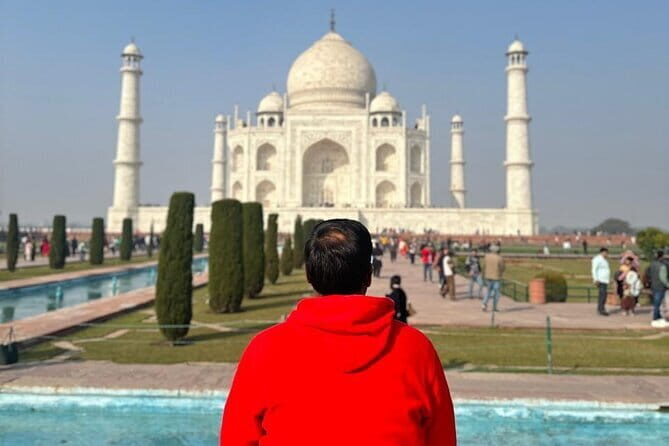
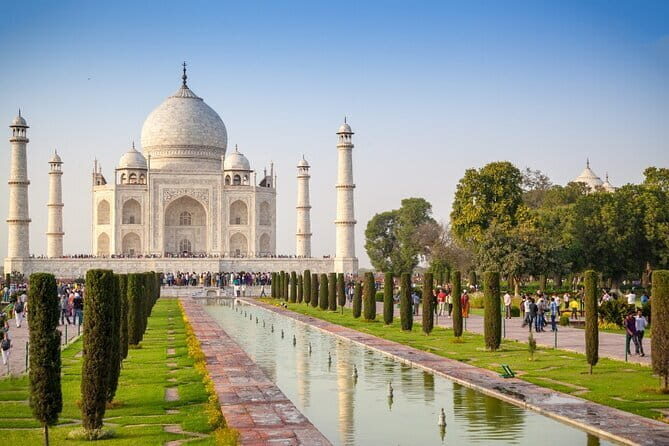
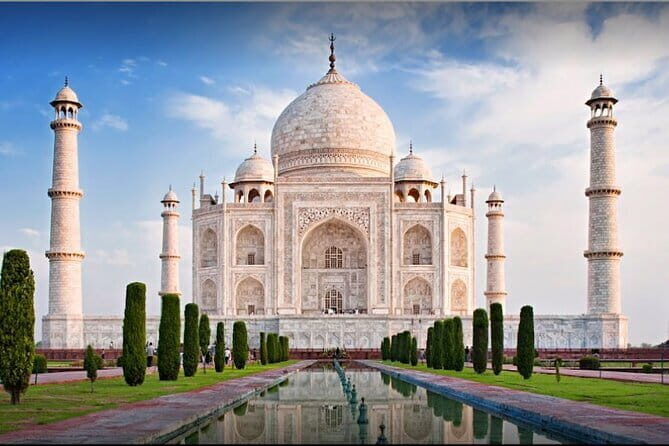
- Taj Mahal at sunrise: the moment your whole trip points to
- Jaipur first day: Patrika Gate, Birla Mandir, and market time that feels like a mission
- Patrika Gate (20 minutes)
- Birla Mandir (30 minutes, admission not included)
- Tripolia Bazaar and Johari Bazaar style shopping (1 hour)
- Bapu Bazaar and Nehru Bazaar for block prints and jootis (1 hour)
- Amber Fort plus City Palace and Hawa Mahal: fort views and big Jaipur icons
- Amber Fort (2 hours, entrance included) + elephant ride
- Jal Mahal viewpoint (30 minutes)
- City Palace (2 hours, entrance included)
- Hawa Mahal (30 minutes, free)
- Day 5 in Delhi: yoga, cooking class, and a long ride home
- Price and value at $335: what’s included, what isn’t, and how to budget
- Should you book this Golden Triangle private tour?
- FAQ
- What is the cost and length of this Golden Triangle private tour?
- Does the tour include pickup in New Delhi?
- Is this tour private or shared with other people?
- Are entrance fees included for the major monuments?
- What extra experiences are included besides sightseeing?
- How many breakfasts are included?
- Are tips included in the tour price?
Key highlights worth the price
- Old Delhi rickshaw ride through narrow lanes in Chandni Chowk
- Taj Mahal at sunrise timing with admission included (and closed on Fridays)
- Included entrances for Taj Mahal, Mehtab Bagh, Amber Fort, and City Palace
- Jaipur cooking class + 1-hour yoga session built into the experience
- Amber Fort elephant ride included at Amer Fort
- Light and sound option at Akshardham (optional during Day 1)
Golden Triangle in Five Days: what the schedule really feels like

This is a classic Golden Triangle loop—Delhi to Agra to Jaipur and back to Delhi—with 4 nights built into the rhythm. The upside is momentum: you’ll see the headline sights plus a few extras without having to plan much. The trade-off is time pressure. It’s a program designed to keep moving, so you’ll want to travel light and accept a brisk pace.
You get private transportation in an air-conditioned vehicle, and you’re not sharing your group with strangers. That matters in India, where waiting for connections can eat hours. With a private setup, your driver and representative can keep the flow smooth, especially on long drive days.
Also check the calendar. The Taj Mahal is noted as closed on Fridays, and the Lotus Temple is closed on Mondays—those closures can shift the feel of your days.
You can also read our reviews of more private tours in New Delhi


Arrival Day in New Delhi: Old Delhi by rickshaw plus the best skyline stops

Day 1 is built around Old Delhi energy and a handful of major landmarks. You start with a welcome from your representative at the airport, who meets you with a personalized name placard—simple, but it knocks out the usual arrival stress. From there, the day becomes a smart mix of Mughal landmarks, market chaos, and calm memorials.
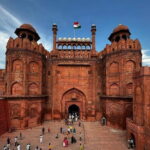
Red Fort (2 hours, admission not included)
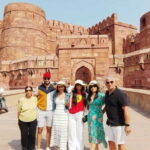
Red Fort is your first big Old Delhi stop. You’ll get a substantial window—about 2 hours—which is good because this fort needs time to register. Admission isn’t included, so budget for that add-on if you want to go inside.
Practical note: since admission is extra, don’t treat this as a freebie stop. If your goal is maximum culture per day, plan a little money for entrance fees early.
Jama Masjid (30 minutes, admission not included)
Next is Jama Masjid, described as one of India’s largest mosques, built in 1656 by Shah Jahan. This is a quick, iconic stop—about 30 minutes—and it works best if you’re okay with a short visit rather than a slow one.
Again, admission is not included. If you’re the type who hates surprise expenses, treat Day 1 as the day when extras might hit.
Chandni Chowk + the rickshaw ride (1 hour, admission free)
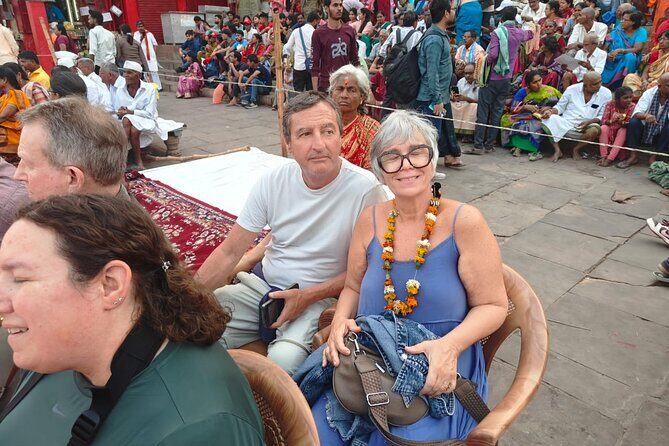
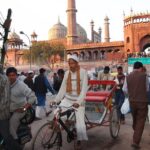
This is where the tour shifts from monuments to street life. You’ll ride through Chandni Chowk in a traditional rickshaw, through narrow lanes where shops and street food crowd in close. It’s not just a ride—it’s a way to get your bearings fast in Old Delhi.
I like that the tour gives you a full hour here. That’s enough time to soak it in without feeling rushed.
You can also read our reviews of more tours and experiences in New Delhi




Raj Ghat (30 minutes, free)
Then you get a breather at Raj Ghat, Gandhi’s memorial. It’s peaceful and garden-like, which helps balance the earlier market intensity. You’ll appreciate this more if you’re coming off a long travel day.
Rashtrapati Bhavan, India Gate, and Akshardham (all free)
The schedule then hits three major points that show different sides of Delhi:
- Rashtrapati Bhavan (30 minutes): monumental architecture and the seat of power.
- India Gate (30 minutes): a war memorial with the Amar Jawan Jyoti flame.
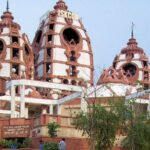
- Swaminarayan Akshardham (1 hour): an architectural temple complex, with an optional light and sound show.
Akshardham can be a lot of sensory input after Old Delhi. If you’re sensitive to crowds or lights, keep the optional show in mind and choose based on energy level.
Lotus Temple (1 hour, free; closed on Mondays)
You end with Lotus Temple, known for its flower-like design and calm atmosphere. It’s listed as closed on Mondays, so if your dates fall on a Monday, you’ll want a plan B. If it’s open for you, it’s a strong way to finish Day 1—quiet, photo-friendly, and easy to enjoy.
Agra after breakfast: Mehtab Bagh and the Agra Fort area
Day 2 starts with breakfast, then you head to Agra. The drive and site time are packaged together as a long block (about 6 hours), so plan for a full day rather than expecting a relaxed start.
Mehtab Bagh is the listed focus. It’s associated with the view of the Taj Mahal from across the river, tied to Shah Jahan’s plan for that sightline. Even when you’re not standing at the exact “sunset view” moment, the location has a purpose: it frames the Taj in a different way than the main approach.
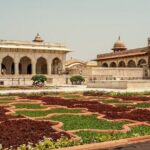
The description also mentions Agra Fort along with this stop. With entrance included for this segment, you avoid the common Agra problem of paying for key sights at the door.
What to watch: travel days in India can feel longer than they look on paper. This is one of those days where you’ll feel the hours in your body—especially if you’re sensitive to road time.
Taj Mahal at sunrise: the moment your whole trip points to

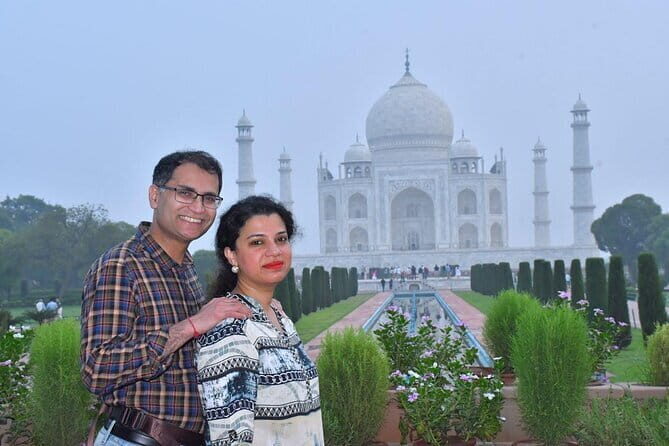
Day 3 begins early with the Taj Mahal. It’s listed as 1 hour with entrance included, and it’s the centerpiece. The tour description calls out the ethereal sunrise glow—this is the kind of timing that changes how the building feels. At dawn, the white marble tends to read softer and more alive than in midday glare.
Important calendar detail: the Taj Mahal is noted as closed on Fridays. If your travel dates land on a Friday, you’ll want to confirm how the itinerary adjusts.
After the Taj visit, you’ll have breakfast at your hotel, then you drive to Jaipur. That drive is listed as about 5 hours, so Day 3 is a full crossover day. The good news is you’re not doing this on your own. Private transport keeps the handoffs controlled.
Jaipur first day: Patrika Gate, Birla Mandir, and market time that feels like a mission

Once you arrive in Jaipur, the itinerary mixes quick stops, a temple pause, and shopping neighborhoods. The goal is clear: you get a first look at Jaipur’s look and street-level culture, without turning it into endless wandering.
Patrika Gate (20 minutes)
Patrika Gate is basically a visual breather. It’s an ornate gateway with hand-painted murals and a big photo appeal. It’s short—about 20 minutes—which is right. You don’t need an hour here to enjoy it.
Birla Mandir (30 minutes, admission not included)
Then comes Birla Mandir Temple, also known as Laxmi Narayan Temple. It’s described as a modern white marble temple with carvings and a peaceful feel, and your stop is about 30 minutes. Admission is noted as not included, so again: expect at least a few paid entrances beyond the included ones.
Tripolia Bazaar and Johari Bazaar style shopping (1 hour)
In the evening, you shift into markets starting with Johari Bazaar for jewelry, especially Kundan and Meenakari designs. Tripolia Bazaar follows, with items like lac bangles and brassware suggested by the description.
This is the kind of market stop where you’ll get more out of it if you come with a shopping intention. If you want jewelry or bangles, have a rough budget in your head before you start comparing.
Bapu Bazaar and Nehru Bazaar for block prints and jootis (1 hour)
Day 3 closes with Bapu Bazaar for block-printed fabrics, plus textiles and handicrafts, and it ends with Nehru Bazaar for jootis (traditional footwear). It’s practical shopping time, not just wandering.
The only downside is fatigue. After a Taj dawn and a 5-hour drive, evening markets can feel fast. Pace yourself and don’t try to buy everything.
Amber Fort plus City Palace and Hawa Mahal: fort views and big Jaipur icons
Day 4 is the heavy hitters in Jaipur’s old royal area. You start with Amber Fort, then you do a scenic water-palace viewpoint, and finish with two central palace landmarks.
Amber Fort (2 hours, entrance included) + elephant ride
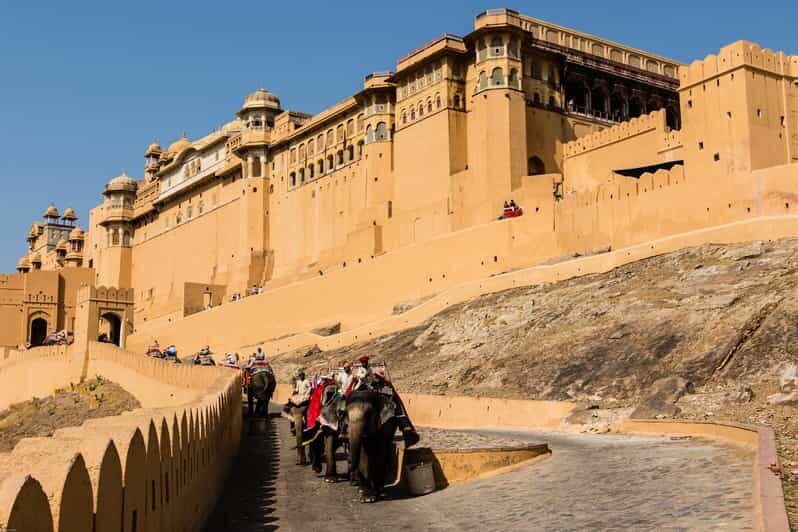
Amber Fort is a UNESCO World Heritage site, and it’s listed for about 2 hours. The tour description notes it as a formidable hilltop fort with Rajput architecture blending Hindu and Mughal styles.
Here’s a key program detail: the experience package includes an elephant ride at Amer fort. That can be a memorable add-on, but it’s also a deal-breaker for some people. If you’re unsure about elephant rides, decide before you get to the fort. It’s easier to opt out in planning than in the moment.
Jal Mahal viewpoint (30 minutes)
Next is Jal Mahal, the Water Palace in Man Sagar Lake. Entry to the palace isn’t permitted, but you can admire it from the lakeside. This is an easy stop—about 30 minutes—that adds a visual pause between bigger monument blocks.
City Palace (2 hours, entrance included)
Then you visit the City Palace, described as the residence of the former Maharaja of Jaipur. It’s about 2 hours and includes the palace complex’s Mughal-Rajasthani blend, courtyards, and gateways.
I like this stop because it slows things down just enough. After markets and big forts, City Palace can feel like the moment where architecture and function click.
Hawa Mahal (30 minutes, free)
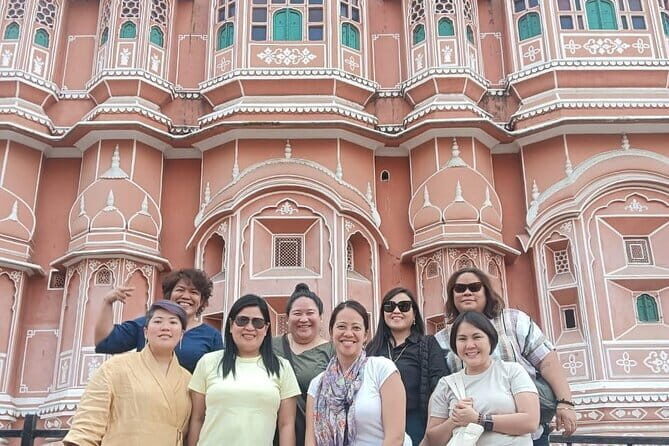
You end with Hawa Mahal, the Palace of Winds. It’s famous for its five stories and 953 small windows (jharokhas). The stop is about 30 minutes, so it’s more of a landmark walk-by and quick look unless your guide expands the time on site.
If your legs feel tired, prioritize seeing the exterior views from different angles. The iconic face is where your time matters most.
Day 5 in Delhi: yoga, cooking class, and a long ride home
Day 5 mixes two cultural activities—a 1-hour yoga session and a cooking class—before breakfast and the return to Delhi. The itinerary lists a 7-hour return window, so treat this as a full travel day, not a light wrap-up.
This is where the tour shifts from sightseeing to “how do I keep India with me?” Cooking classes do that best. You’ll learn traditional recipes linked to Indian cooking, and the goal is practical: take skills home, not just pictures. Yoga then gives you a calm reset, helpful if the prior days have felt nonstop.
If you’re sensitive to schedule-heavy travel, this final morning can be a lifesaver. It gives you something restful to do right when you might otherwise just rush to the airport.
Price and value at $335: what’s included, what isn’t, and how to budget
At $335 for 5 days / 4 nights, this tour looks priced for people who want structure and a strong hits list without running logistics themselves. The value comes from a few big cost centers being handled.
Included items that matter:
- Air-conditioned vehicle and private transportation
- Rikshaw ride in Old Delhi
- Cooking class
- 1-hour yoga session
- Elephant ride at Amer fort
- Entrance fees included for Taj Mahal, Mehtab Bagh, Amber Fort, and City Palace
- Breakfast (4 times)
Not included items to plan for:
- Admission tickets for stops marked as not included (like Red Fort and Jama Masjid, and Birla Mandir)
- Personal expenses
- Tips/Gratuities to guide and driver: listed as USD 3 per person per day
What this means for your wallet: even though major entrances are covered, you should still expect a few add-on tickets on top of the headline price. If you want to be strict with spending, build a small buffer for those un-included admissions.
What this means for your comfort: private transport and included breakfasts reduce decision fatigue. You’re not guessing what to eat and how to move between regions. That’s worth something when you’re doing the Golden Triangle in a short window.
Should you book this Golden Triangle private tour?
I’d book it if you want a first-timer friendly Golden Triangle plan with high-impact sights, plus two experiences that aren’t just watching: cooking and yoga. It’s also a good fit if you like your days structured, because the itinerary is organized around specific time blocks rather than loose suggestions.
I’d think twice if any of these matter to you:
- You hate paying extra for admissions on major stops (several are not included).
- You dislike elephant rides, since it’s part of the program.
- You’re hoping for a slow travel pace. This itinerary moves quickly, so you’ll be trading free time for a bigger checklist.
Finally, check the calendar for Taj Mahal (closed Fridays) and Lotus Temple (closed Mondays). If your dates hit those closures, you’ll want confirmation of how your guide handles substitutions.
If those considerations work for you, this tour is a solid value way to get the Golden Triangle experience without turning the trip into a full-time job.
FAQ
What is the cost and length of this Golden Triangle private tour?
The price is $335 and the duration is 5 days (about 4 nights).
Does the tour include pickup in New Delhi?
Yes. A representative meets you at the airport and you’ll be identified with a personalized name placard.
Is this tour private or shared with other people?
It is private. Only your group participates.
Are entrance fees included for the major monuments?
Entrance fees are included for Taj Mahal, Mehtab Bagh, Amber Fort, and City Palace. Some other stops list admission tickets as not included.
What extra experiences are included besides sightseeing?
The package includes a rickshaw ride in Old Delhi, a cooking class, a 1-hour yoga session, and an elephant ride at Amer fort.
How many breakfasts are included?
Breakfast is included 4 times during the tour.
Are tips included in the tour price?
No. Tips/gratuities for the guide and driver are listed as USD 3 per person per day.