REVIEW · NEW DELHI
Full Day Old Delhi Food, Heritage, Cultural experience&visit Masterji Kee Haveli
Book on Viator →Operated by Masterji kee haveli dot com · Bookable on Viator
Old Delhi can feel like sensory overload. This small-group tour is built to tame the chaos with street-food tasting and smart stops that connect markets, religion, and daily life. You’ll move through lanes you’d likely miss on your own, then end with a traditional meal at Masterji Kee Haveli.
I like that the group is capped at ten people, so you’re not shouting over crowds. I also like the plan includes multiple meals and drink breaks—breakfast, street snacks, lunch, and an early dinner at the haveli—plus rides in a cycle/electric rickshaw format.
One consideration: it’s a long day (about 6 to 7 hours) with walking in busy areas, and there’s no hotel pickup, plus a real dress code for places of worship (no shorts; women need knees and shoulders covered).
In This Review
- Key points to know before you go
- Old Delhi, paced for real life (not a checklist)
- Start at Ajmere Gate: what your morning needs
- Pasar Chandni Chowk (the wedding market): how Old Delhi commerce works
- Khari Baoli Spice Market: your nose does half the tour
- Gurdwara Sis Ganj Sahib: culture you can’t fake
- Kinari Bazar and Dariba Kalan: the maker side of Old Delhi
- Rickshaw rides that keep the day doable
- Masterji Kee Haveli: the meal setting that turns the day into a memory
- What’s included (and why the value feels fair)
- Who this tour suits best
- Quick read: should you book this Old Delhi food heritage day?
- FAQ
- How long is the Old Delhi food, heritage, and cultural experience?
- Where does the tour start and end?
- Is hotel pickup included?
- What food and drinks are included?
- How large is the group?
- What transport will I use during the tour?
- What should I wear for temple visits?
Key points to know before you go
- Max 10 people keeps the pace human and makes it easier to ask questions
- Food at several points: breakfast, street tastings, lunch, and an early Haveli dinner
- Chandni Chowk + wedding and jewelry lanes give you a clear picture of Old Delhi commerce
- Khari Baoli Spice Market is the big sensory stop, known for wholesale spices and herbs
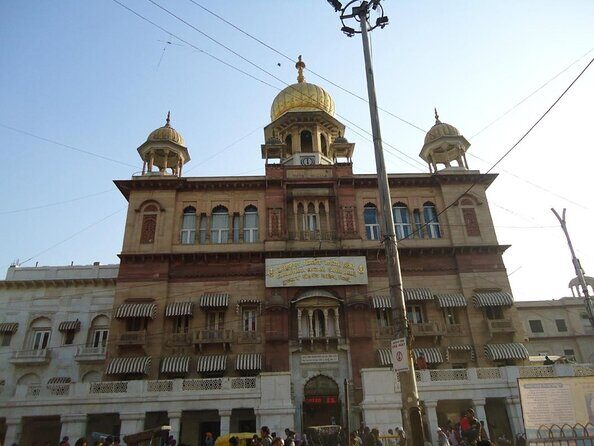
- Gurdwara Sis Ganj Sahib adds cultural context with a stop at a historic Sikh site
- Photo album included so you can save the best moments without hunting for good shots
Old Delhi, paced for real life (not a checklist)
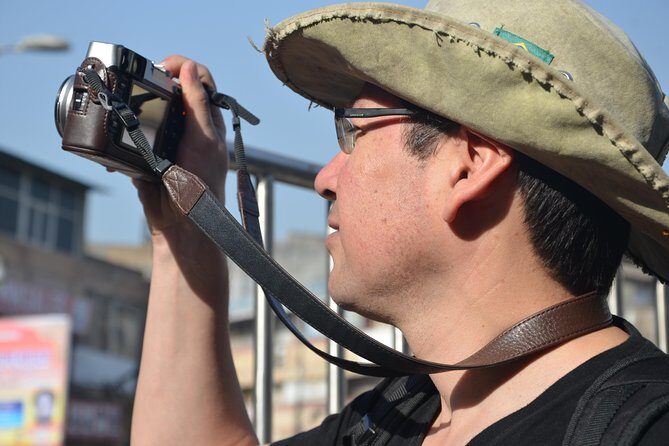
If you’ve ever stood at a busy intersection in Old Delhi and wondered where to even start, this tour’s format helps. Instead of trying to cover everything, you focus on a tight loop of key neighborhoods—then add the “how this place works” details through a local friend-storyteller style guide.
I especially like that this is meant to feel personal. Past guides named in reviews include Varun, Vivian, Raj, and Anju, and the common theme is that you’re treated less like a customer and more like someone getting local orientation. That matters in Old Delhi, because the city rewards attention: how people shop, what they carry, what streets are for, and why certain markets cluster together.
Your group stays small (up to ten), and that keeps you from being swallowed by the crowd. It also means the tour can move at a practical pace that fits most people, rather than rushing everyone on a tight schedule.
You can also read our reviews of more food & drink experiences in New Delhi


Start at Ajmere Gate: what your morning needs
The tour starts at 8:30 am at Ajmere Gate Rd, Bazar Sirkiwalan, Chawri Bazar area (Old Delhi). It ends back at the meeting point, so you’re not forced into awkward mid-day reroutes or long end-of-tour commutes.
There’s no hotel pickup and drop-off, so you’ll want to build a little extra buffer into how you get there. If you’re coming from central Delhi, allow time for traffic and for the fact that Old Delhi roads can be confusing even when you have a map.
A practical tip: wear comfortable shoes. This is a moving day with market lanes and temple access. Also check the dress expectations ahead of time. For places of worship and selected museums, you’ll need no shorts, and for women, knees and shoulders must be covered.
Pasar Chandni Chowk (the wedding market): how Old Delhi commerce works

Your first major stop is Pasar Chandni Chowk, often called the Wedding market. This is one of those Old Delhi areas where the shopping isn’t random—it’s organized around life events. You’ll walk through wholesale and local bazaars and see established merchants dealing in items tied to bridal trousseaus, including bridal shoes and other wedding gear.
What I like about starting here: it gives you a frame for everything else you’ll see. Old Delhi isn’t just “historic buildings and monuments.” It’s also an active business district where people come for specific needs and rely on local networks.
You’ll also get a feel for the rhythm of the area: narrow lanes, lots of bargaining energy, and shopfronts built for regular trade. If you only see the famous sights, you miss this part. This stop helps you understand why locals keep coming back.
Possible drawback: this can be visually intense and busy right away. If you’re sensitive to crowds, go slow, keep water handy, and let your guide lead the way rather than drifting into side lanes on your own.
Khari Baoli Spice Market: your nose does half the tour
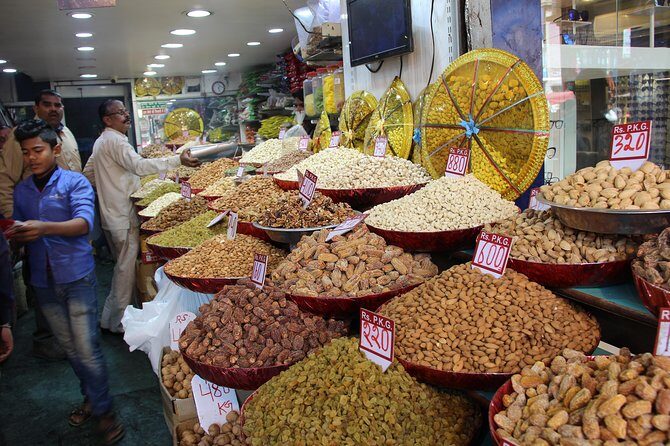
Next up is Khari Baoli, the spice market. It’s described as Asia’s largest wholesale spice market, selling spices, nuts, herbs, and food products like rice and tea, with origins going back to the 17th century.
This is one of the most practical stops on the day because it turns the abstract idea of Indian spices into something you can actually experience. You see (and smell) how spices are traded at scale—more like a wholesale hub than a decorative market for tourists.
The biggest payoff here is sensory, not souvenir-based. Even if you don’t plan to buy anything, you’ll understand what people mean when they talk about layers of flavor. And if you are interested in cooking, this is the kind of place where you can ask questions about what’s used for what.
Timing note: this stop is fairly short (about 30 minutes), so it’s not a shopping marathon. Treat it as your “baseline spice stop,” then use lunch and dinner to notice flavors later.
Gurdwara Sis Ganj Sahib: culture you can’t fake
You’ll visit Gurudwara Sis Ganj Sahib, one of the nine historical gurdwaras in Delhi. It was first constructed in 1783 by Baghel Singh Dhaliwal to commemorate the martyrdom site of the ninth Sikh Guru, Guru Tegh Bahadur.
This stop adds a layer that food tours often skip: the living religious culture behind the neighborhood. You’re not just moving through markets for snacks—you’re also seeing how community and faith shape daily life in Old Delhi.
The dress code really matters here. Go prepared so you’re not scrambling for a workaround at the last second. No shorts, and women should cover knees and shoulders.
Consideration: this stop is about 30 minutes, so it’s enough time to understand the setting, but not enough to make it a deep, quiet meditation experience. Think of it as cultural orientation you’ll carry with you for the rest of the day.
You can also read our reviews of more tours and experiences in New Delhi

Kinari Bazar and Dariba Kalan: the maker side of Old Delhi
After the temple stop, you shift back into markets—but markets with a different job.
First is Kinari Bazar, described as a wholesale retail market focused on embroidery items: lace, thread work, embellishment, borders, stonework, gold/silver work, and garlands. If you’ve ever wondered how outfits get finished with the details that look “too perfect to be real,” this is where that craft ecosystem shows up.
Then you head to Dariba Kalan, a 17th-century street in Old Delhi also known as Chandni Chowk. Here, many shops trade in gold, silver, diamond, and costume jewellery, and some also deal in authentic items like ittar (perfume).
What I like about putting Kinari Bazar and Dariba Kalan close together: you get a maker’s map. These streets show how different parts of the same wedding-and-festive economy connect—fabric and decoration one place, jewellery and finishing touches another.
Possible drawback: if you’re mainly chasing food and street energy, the jewellery and embroidery focus might feel slower. But for me, this is one of the values of the tour: it explains what’s behind the visible celebration.
Rickshaw rides that keep the day doable
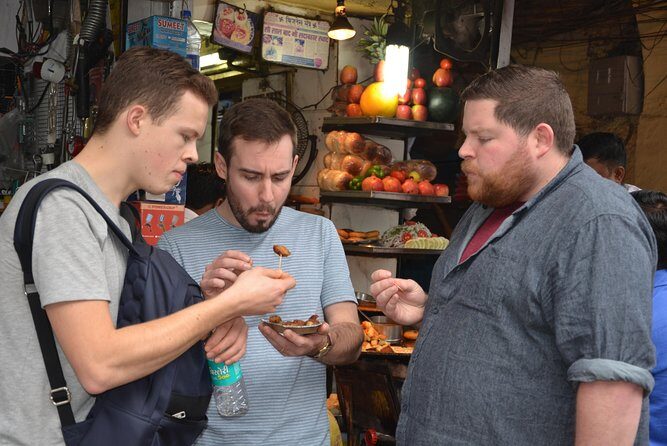
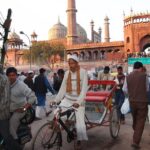
Old Delhi walking can get long fast. That’s why the transport choices matter. This tour includes cycle and electric rickshaw rides (and the overall description references rickshaw riding as part of the experience), so you’re not stuck doing every meter on foot.
I like rides like this in dense areas because they help you reset. You still feel like you’re part of the street world, but you can catch your breath and keep your attention on the guide’s explanations.
Also, the ride time helps the tour fit a realistic day length. With about 6 to 7 hours, this balance is what makes the plan work without exhausting everyone.
Masterji Kee Haveli: the meal setting that turns the day into a memory
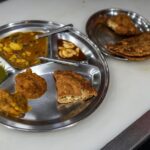
The highlight meal happens at Masterji Kee Haveli—described as one of the last standing havelis in Old Delhi. You’ll have an early dinner at the haveli, plus lunch earlier in the day, and you’ll also get breakfast to start.
What makes this stop valuable isn’t only the food (though included meals help a lot). It’s the change of pace and the “context moment.” After market lanes, temple space, and spice sensory overload, a haveli meal gives you a place to sit, digest, and connect the story pieces.
One of the strong signals from reviews is how people remember the lunch at the haveli. That’s usually the moment when a tour earns trust: when it’s not just snacks on the move, but an actual sit-down meal that feels like part of the culture, not an afterthought.
If you want photos, you’re in luck: the tour includes a complimentary online photo album filled with photographer-snapped mementos. That takes pressure off you to chase perfect shots while also eating and walking.
What’s included (and why the value feels fair)
At $141.25 per person for a 6 to 7 hour small-group outing, the value comes from the built-in coverage. This isn’t just “a guide walks you around and you pay for everything else.”
Included items listed:
- Breakfast
- Street food tasting
- Tea/coffee/lassi, plus bottled water
- Lunch
- Dinner early meal at the haveli
- Cycle/electric rickshaw rides
- A local friend cum story teller cum photographer
- Online photo album
- All taxes, fees, handling charges
What I like here is the mental convenience. You’re not budgeting for every drink, snack, and transit hop during a day when Old Delhi prices and menus can feel unclear. You also get more time for the experience rather than constant decision-making.
Not included: hotel pickup/drop-off. That’s the main “you handle it” piece. Everything else is handled in the price.
Who this tour suits best
This is a strong fit if you:
- Want Old Delhi food and culture in one day without planning routes yourself
- Prefer a small group (up to ten) over a large bus-style tour
- Like market stories—how shopping works, how crafts connect, and how religious sites fit into the neighborhood
- Want included meals so you don’t spend the day constantly checking what to eat and where
It may be less ideal if you dislike crowds or long market walking, because the day includes multiple busy bazaars and a couple of market-focused stops.
Quick read: should you book this Old Delhi food heritage day?
If your goal is to see Old Delhi as a working city—markets, spices, faith, and food—this is a smart way to do it. The small group cap, multiple included meals, rickshaw breaks, and the Haveli dinner setting make the day feel full without being random.
Book it if you’re excited by street-level detail and you want a guide who can explain what you’re seeing in plain terms. If you’re extremely short on time or you want a slow, museum-style pacing with minimal walking, you might find the market rhythm a bit much.
FAQ
How long is the Old Delhi food, heritage, and cultural experience?
It runs for about 6 to 7 hours.
Where does the tour start and end?
It starts at Ajmere Gate Rd, Bazar Sirkiwalan, Chawri Bazar, Old Delhi and ends back at the same meeting point.
Is hotel pickup included?
No. Hotel pickup and drop-off are not included.
What food and drinks are included?
You get breakfast, street food tasting, tea/coffee/lassi plus bottled water, lunch, and an early dinner meal at Masterji Kee Haveli.
How large is the group?
The tour has a maximum of 10 travelers, and the small size is part of the experience.
What transport will I use during the tour?
You’ll include rides such as cycle and electric rickshaw during the day.
What should I wear for temple visits?
A dress code is required for places of worship and selected museums: no shorts, and for women knees and shoulders must be covered.