REVIEW · AMRITSAR
Amritsar Heritage Walk: “Back in Time”
Book on GetYourGuide →Operated by WalkandExplore · Bookable on GetYourGuide
Amritsar on foot is a history lesson. This Amritsar Heritage Walk: Back in Time strings together partition-era context and today’s street life, starting outside the Partition Museum and then moving into older corners of the city. Expect a guided route that mixes big names like Jallianwala Bagh with smaller, easy-to-miss lanes where daily life keeps going.
I really like how the guide turns stop-to-stop facts into people-and-places storytelling. On several walks, Hardik keeps things moving with trivia, architectural notes, and practical local insight, and you get the narration in Hindi, English, or Punjabi. I also like the contrast built into the route: a solemn memorial day alongside temple walls with fresco artwork, craft work, and market streets like Guru Bazaar, Kathia Bazaar, and Maisewan Bazaar.
One thing to plan for: it’s a walking tour, and some parts may feel long on hot days or in bad weather. Also, entrance fees and camera charges inside monuments aren’t included, so you’ll want a little extra cash just in case.
In This Review
- Key highlights at a glance
- Stepping into Amritsar’s past, one street at a time
- Starting outside the Partition Museum: why the route begins there
- The old city streets: architecture, daily life, and good trivia
- An ancient Hindu temple stop with fresco artwork
- The 150-year workshop and early industry in action
- Narrow lanes toward Baba Bohar: where the city slows down
- Jallianwala Bagh: the 1919 story, handled with care
- Markets: Guru Bazaar, Kathia Bazaar, and Maisewan Bazaar
- Baba Bohar Tree and the calmer corners
- Who your guide should be: what to look for on the day
- Price and logistics: is $18 good value?
- My best advice for getting the most out of the walk
- Is this walk for you? The quick fit check
- Should you book Amritsar Heritage Walk: Back in Time?
- FAQ
- Where does the tour start?
- How much does the Amritsar Heritage Walk: Back in Time cost?
- What places are included in the walk?
- Are entrance fees included?
- What languages do the guides speak?
- What is the cancellation policy?
Key highlights at a glance
- Partition Museum start: a quick grounding in the 1947 upheaval before you step into older Amritsar.
- Temples + fresco walls: an ancient Hindu temple stop with visible wall artwork.
- Early industry site: a visit to the 150-year Workshop tied to the early Industrial Revolution.
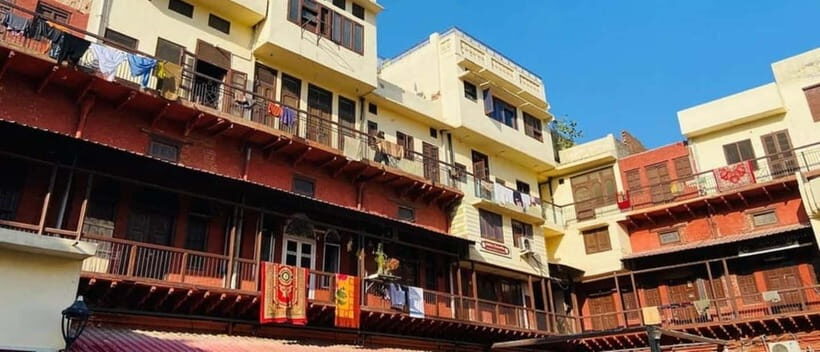
- Baba Bohar back alleys: narrow lanes that feel like a time machine rather than a checklist.
- Jallianwala Bagh memory: a focused walk through the 1919 tragedy and remembrance.
- Market power: guided time in Guru Bazaar, Kathia Bazaar, and Maisewan Bazaar, with tips for bargaining.
Stepping into Amritsar’s past, one street at a time
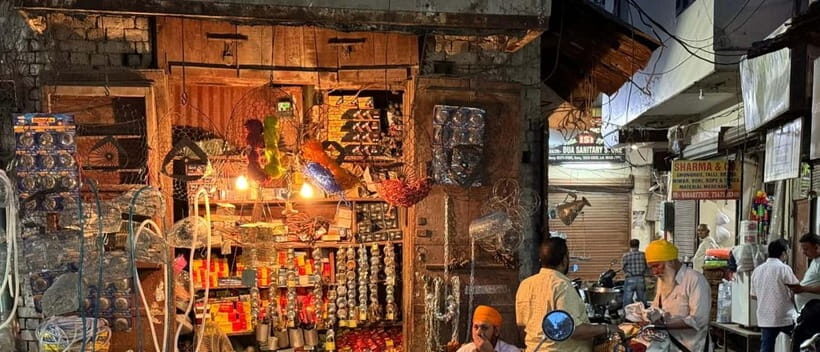
This walk works because it doesn’t treat Amritsar like a museum you sprint through. Instead, it builds a trail where history explains what you’re seeing right now: old facades, religious spaces, workshops, and the shopping streets where people still trade daily.
With 8–10 heritage and historic places on the route, you get more than photos. You get explanations for why certain buildings and street patterns exist, and how religion and trade shaped the city. The guide’s job is to connect the dots, and the best part is how often the route shifts mood—serious memorial to market chatter in the same day.
If you only have a day (or even just a couple of hours), this kind of guided circuit is a smart use of time. It also helps if you’re not sure how to navigate old Amritsar on your own—street-by-street context is where the value really lives.
You can also read our reviews of more walking tours in Amritsar



Starting outside the Partition Museum: why the route begins there
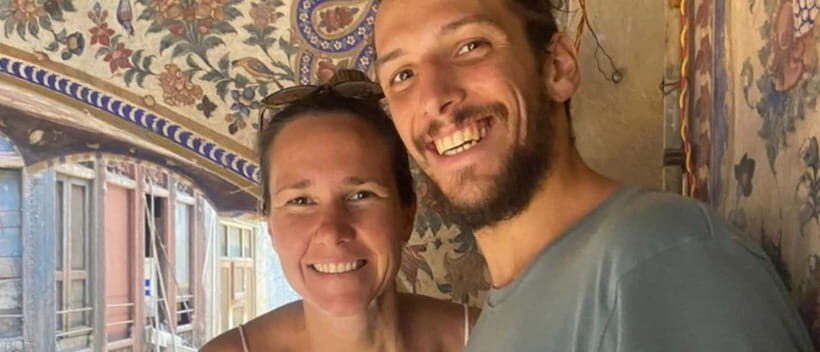
Most heritage walks in India begin with temples or forts. This one begins outside the Partition Museum, and that choice matters. You’re given a look at how the 1947 partition affected everyday families, not just big political headlines.
That context changes how you read the rest of the city. Once you understand that modern Amritsar grew in the shadow of massive disruption, the older neighborhoods feel less like “old buildings” and more like places that had to keep rebuilding their lives and routines.
It’s also a practical reset. The museum area is a clear starting point, and it gives you an anchor before the walk gets into narrower lanes and more layered historical sites.
The old city streets: architecture, daily life, and good trivia
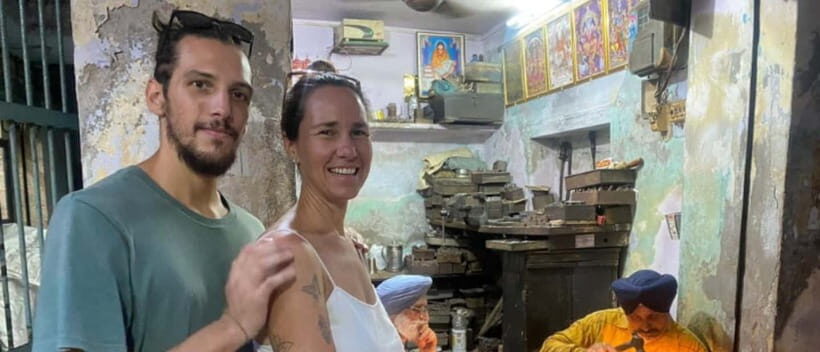
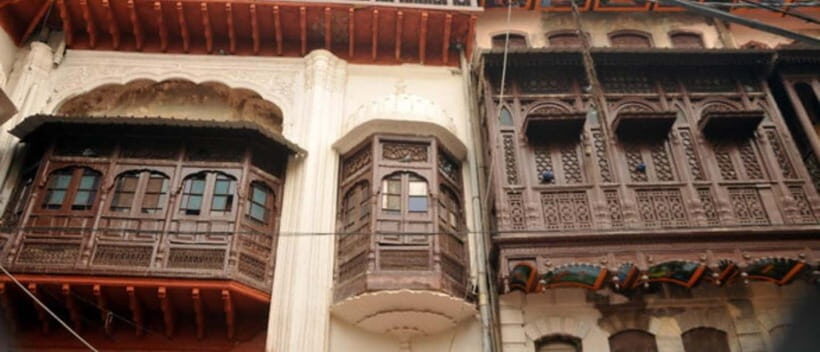
After the initial grounding, the tour moves through heritage streets where the guide shares history and local life facts. This is where you’ll appreciate a good storyteller, because the route is mostly on foot and you’re moving past small details.
You’ll likely notice how architectural influences and street design hint at different periods and communities. And you’ll probably hear little real-world notes—how locals shop, how artisans work, and how everyday routines fit beside religious and historic spaces.
One of the most praised parts of this walk is the storytelling style. Guides like Hardik are described as staying engaging the whole time, with fun facts that make the city feel less intimidating and more legible. If you like learning while walking, this is the part you’ll feel most.
An ancient Hindu temple stop with fresco artwork
One stop on the route is an ancient Hindu temple, notable not just for its location but for the artwork on the walls. Fresco artwork can be easy to miss when you arrive without context—so having someone point out what you’re looking at helps a lot.
This is also a reminder that “heritage walk” doesn’t only mean colonial memorials and old government buildings. Amritsar’s identity is also religious and artistic, and this temple stop shows that in a direct, visual way.
Tip: if you’re traveling with a camera, keep in mind that camera charges inside monuments aren’t included. Even if you don’t end up paying for every site, plan your budget so you’re not surprised at the doorway.
The 150-year workshop and early industry in action
The route includes a visit to a 150-year Workshop connected to the early Industrial Revolution. That’s a big contrast from temple walls and memorial gardens, and it’s one reason the tour feels like more than one theme stitched together.
Industrial history in India isn’t always explained clearly on short visits. Here, the workshop stop gives you a tangible sense of how workspaces and techniques shaped craft and urban growth. You’re not just hearing abstract timelines—you’re standing near places where hands-on making mattered.
If you like history that has texture—tools, work rhythms, trades—this is likely to be one of the more memorable stops.
You can also read our reviews of more historical tours in Amritsar


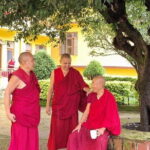

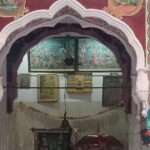

Narrow lanes toward Baba Bohar: where the city slows down

One of the strongest “feel” elements of the tour is the movement through narrow old alleys toward Baba Bohar. You don’t just see a landmark; you experience the approach.
These tight lanes change your pace. It’s harder to rush, and you notice details: building facades, small thresholds, and the way people move through space. That’s where a guide is worth it. On your own, it’s easy to walk past lanes that look similar. With guidance, they become meaningful.
You’ll also get a sense of how Amritsar’s old-town layout influences daily life—what’s visible from the street, what sits behind it, and how communities cluster around key spaces.
Jallianwala Bagh: the 1919 story, handled with care
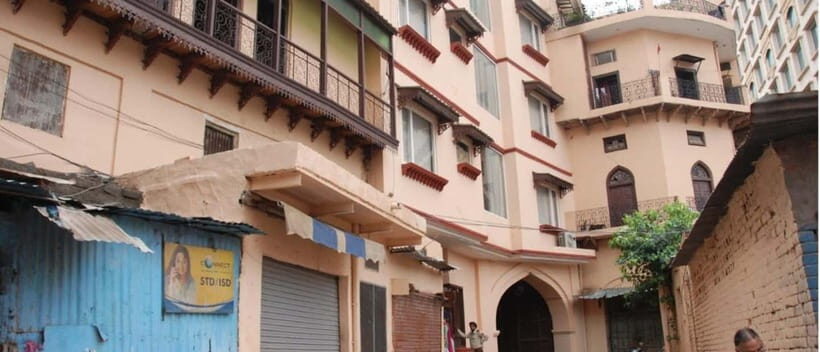
No Amritsar heritage walk is complete without Jallianwala Bagh. This part is not there for a scenic pause. It’s a solemn visit tied to the tragic events of 1919, and the guide frames it with remembrance, bravery, and resilience.
This is where the tour’s balance really shows. You move from markets and workshops into a space that asks for quieter attention. A good guide helps you avoid treating the memorial like another stop on a photo list.
If this subject hits close to home, plan a little extra mental space. Don’t stack another appointment immediately afterward. Let the meaning land.
Markets: Guru Bazaar, Kathia Bazaar, and Maisewan Bazaar

The tour spends real time in market streets, including Guru Bazaar, Kathia Bazaar, and Maisewan Bazaar. This isn’t a drive-by look. You’re guided through the kind of shops where you can actually get a sense of how trade works.
You’ll see traditional crafts, jewelry, spices, and local foods. The guide often encourages conversations with artisans and helps you spot what’s worth asking about. That’s especially valuable if you’re not sure how to bargain or what’s fair.
Practical note: the tour includes tips for bargaining and saving money, which is helpful in markets where prices can shift depending on how you ask. If you want to shop, come with a list (not a mood), and the guide can help you target the right stalls.
Food-wise, one of the nice aspects here is that you get recommendations for local places you might not feel comfortable trying alone. For example, a local lunch stop is part of the experience, and people have reported getting something like a kulcha for about 70 rupees there.
Baba Bohar Tree and the calmer corners
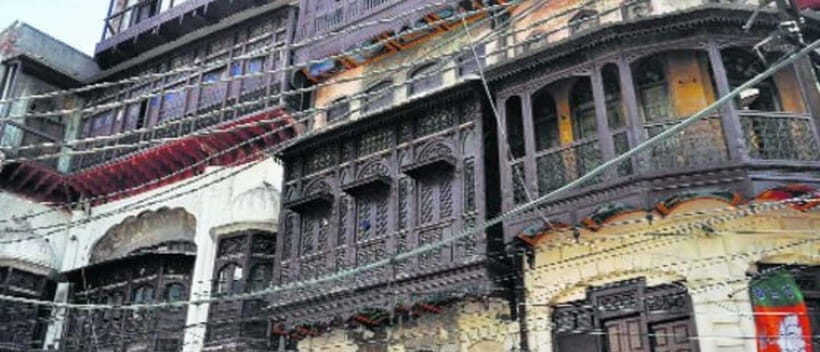
Along with the alleys, you’ll encounter Baba Bohar, and the walk steers you toward the experience of the tree as part of the city’s memory and rhythm. Trees like this can be anchors in older cities—meeting points, shaded breaks, and silent witnesses to daily life.
Some versions of the route also include quieter extras such as an ashram stop or old-school institutions like a university building, plus craft-focused areas. The exact mix can vary by day and guide, but the theme stays consistent: history you can see and walk through, not just read about.
If you prefer a route that doesn’t move like a stopwatch, this section is where the tour often feels most human.
Who your guide should be: what to look for on the day
A recurring name you’ll see associated with this experience is Hardik. Multiple accounts praise his ability to keep you engaged with trivia, explain architectural influences, answer questions, and even handle day-of issues like bad weather with smart rerouting to indoor stops.
In one case, Prarit is noted as delivering a detailed, friendly walk that made the city feel more than “just another place.” That matters because a heritage walk lives or dies by interpretation.
When you meet your guide, pay attention to two things:
- Do they explain what you’re looking at (not just where you’re going)?
- Do they help you understand daily life in the same breath as the memorial and the temple?
If the answers are yes, you’re in for a very worthwhile walk.
Price and logistics: is $18 good value?
At $18 per person, this tour is priced for the kind of guided walking circuit where you’re paying for interpretation and route intelligence, not just admission to sites.
You’re getting:
- 8–10 heritage/historic stops
- Storytelling in Hindi, English, and Punjabi
- Help with bargaining and money-saving
- Time in markets plus narrow lanes and local-area atmosphere
What isn’t included is also clear: entrance fees to monuments and camera charges inside monuments aren’t part of the price. So your real total may be a bit higher depending on what you want to photograph and which sites require paid entry.
Timing: at least one person described the walk as about two hours, so it’s a good half-day option. If you’re planning a packed schedule, keep some buffer for weather and for the markets, where shopping can stretch time.
Weather reality: Amritsar can run hot, and storms happen. One guest described thunder and lightning storms, with the guide still meeting them and shifting to indoor spots to stay dry. That’s a big comfort factor—this is not a tour that disappears the moment the sky turns.
My best advice for getting the most out of the walk
To make this experience feel worth every step, do a little prep:
- Wear shoes you can walk in for a couple of hours comfortably.
- Bring small cash for market purchases and any monument entry fees.
- If you have gift shopping targets, tell your guide early so you can shop with less wandering.
Also, set expectations for pace. A heritage walk like this is not a quiet museum tour. It’s street life. You’ll be moving past working neighborhoods, and that’s exactly the point.
If you’re a solo traveler, this kind of guided structure helps a lot—one account notes extra care for safety checks and help organizing transport when a taxi pickup went wrong. Even if you’re not worried, it’s nice to know support is there when things go sideways.
Is this walk for you? The quick fit check
This tour fits best if you:
- Want to understand Amritsar beyond the big headlines
- Like walking with explanations and clear stop-by-stop context
- Plan to see Jallianwala Bagh but also want markets, temples, and workshop history in the same outing
- Appreciate a guide who talks to you (trivia, architecture notes, and history tied to daily life)
It’s not ideal if you:
- Hate walking and want lots of sitting time
- Only care about places with fixed ticket entry fees (because some costs aren’t included)
- Need long, unstructured free time in markets without guidance
Should you book Amritsar Heritage Walk: Back in Time?
I’d book it if you want a guided route that makes Amritsar legible quickly—partition context up front, then a mix of temple art, early industry, narrow lanes toward Baba Bohar, and the solemn stop at Jallianwala Bagh. At $18, you’re paying for the guide’s storytelling and local route knowledge, which is exactly what turns a city walk into something you’ll remember.
Book it with a small cash buffer for entrance fees and possible camera charges, and wear comfortable shoes. If you do that, you’ll get the kind of day where serious history and everyday Amritsar both feel real.
FAQ
Where does the tour start?
The tour starts outside the Partition Museum.
How much does the Amritsar Heritage Walk: Back in Time cost?
The price listed is $18 per person.
What places are included in the walk?
The walk includes Jallianwala Bagh, historic streets, old alleys toward Baba Bohar, market areas such as Guru Bazaar, Kathia Bazaar, and Maisewan Bazaar, plus an ancient Hindu temple with fresco artwork and a 150-year Workshop connected to the early Industrial Revolution.
Are entrance fees included?
No. Entrance fees to monuments are not included.
What languages do the guides speak?
The storytelling is offered in Hindi, English, and Punjabi, depending on your convenience.
What is the cancellation policy?
You can cancel up to 24 hours in advance for a full refund.