REVIEW · NEW DELHI
Spiti Valley Group Tour From Delhi
Book on Viator →Operated by Go 360 · Bookable on Viator
Spiti starts with a midnight bus. This 9-day group tour takes you from Delhi into the high, stark world of Spiti Valley—often called Little Tibet—with monasteries, tiny border villages, and that big-sky night at Chandratal. You’re moving fast, but the route is built around iconic stops, not random pit stops.
I like two things a lot: first, the trip keeps the logistics off your plate with a trained group leader, an experienced local driver, and round-trip Volvo between Delhi and Shimla. Second, the “big moments” are spaced out—Tabo/Dhankar monasteries, Key Monastery murals, and a camp night at about 14,000 ft. One drawback: expect long travel days and triple-sharing stays, plus entrance fees are not included for monasteries and viewpoints.
In This Review
- Quick hits: what makes this Spiti route worth your time
- Price and value: what $510.66 buys you (and what it doesn’t)
- Your start in Delhi: meeting point and the midnight pickup reality
- Day 1 to Shimla: overnight travel, morning reset, and why it works
- Day 2: Kinnaur Valley to Sangla and your first taste of border country
- Day 3: Baspa River area, Chitkul, and reaching Kalpa’s Kinnaur Kailash viewpoints
- Day 4: Crossing into Spiti via rugged roads and Nako Lake
- Day 5: Tabo Monastery, Dhankar Monastery, and the run to Kaza
- Day 6: Langza Buddha, Hikkim’s highest post office, Komic’s motorable village, and Key Monastery
- Day 7: Chicham Bridge and Chandratal Lake camp night under the Milky Way
- Day 8: Wake up in the camps and drive back to Manali
- Day 9: Morning arrival in Delhi and the end of the loop
- How the operation feels on the ground: organization, food, and safety
- Small things that will make your trip smoother
- Who this tour suits best
- Should you book this Spiti Valley Group Tour From Delhi?
- FAQ
- What time and where do I meet the group in Delhi?
- How do I get from Delhi to Shimla?
- What’s included in the tour price?
- Are entrance fees included?
- What kind of accommodation will I have during the trip?
- Is there any emergency medical support?
- Does the weather affect the tour?
Quick hits: what makes this Spiti route worth your time
- 10 PM Delhi meetup and an overnight start that gets you into the mountains sooner
- Round-trip Volvo from Delhi to Shimla so you don’t have to sort intercity transport
- Tabo and Dhankar monastery visits paired with Kinnaur-to-Spiti driving
- Key Monastery + Langza/Komic/Hikkim stops for classic Spiti culture and scenery
- Chicham Bridge and Chandratal camp night with stargazing under the Milky Way
- First-aid kit and oxygen cylinder arrangement in an emergency
Price and value: what $510.66 buys you (and what it doesn’t)
At $510.66 per person for an ~9-day loop, the value is mostly in how much is bundled. You get:
- Tempo traveller transport for the days covered by the itinerary
- Volvo bus tickets from Delhi to Shimla and back
- A group leader and local driver for route know-how and on-the-ground decisions
- Lodging on a triple-sharing basis (hotels, homestays, or camps depending on the night)
- Breakfast (6) and Dinner (6)
- A first-aid kit plus arrangement of an oxygen cylinder for emergencies
What’s not included matters for budgeting: entrance fees and tips. Also, the route is weather-dependent. If conditions are poor, the tour may be rescheduled or refunded—so you should plan for some flexibility in your travel calendar.
In plain terms, you’re paying to remove most of the “figuring it out” stress. If you love driving your own schedule and you’re comfortable planning independently, a private car might feel better. If you’d rather show up, follow a strong route, and spend your energy on monasteries and views, this price can make sense.
You can also read our reviews of more tours and experiences in New Delhi.


Your start in Delhi: meeting point and the midnight pickup reality
The plan begins with a 10 PM meetup at the Volvo pickup stand area near Majnu ka Tila. The activity’s listed meeting point ends up being Kashmiri Gate ISBT (Maharana Pratap Kashmiri Gate) near Yudhister Setu—and the tour ends back at that same meeting point. Do yourself a favor: confirm the exact pickup spot and landmark the day you book, because “near” in Delhi can still mean a short but annoying walk with luggage.
Group size is kept to a maximum of 24 travelers, which is big enough to meet people but small enough that the tour doesn’t feel like cattle class.
Also: you’ll get a mobile ticket, so keep your phone charged and easy to access.
Day 1 to Shimla: overnight travel, morning reset, and why it works
Day 1 is the long one. You’re starting at night, then reaching Shimla around 7 AM on Day 2. The purpose of this structure is simple: you gain altitude and distance quickly, without losing an entire day to intercity transit.
When you arrive, you can freshen up and then begin the drive south-west into Kinnaur territory. If you’re someone who hates feeling rushed, you’ll still feel the schedule—but the flip side is you get actual mountain time sooner, which matters a lot in Spiti.
Day 2: Kinnaur Valley to Sangla and your first taste of border country
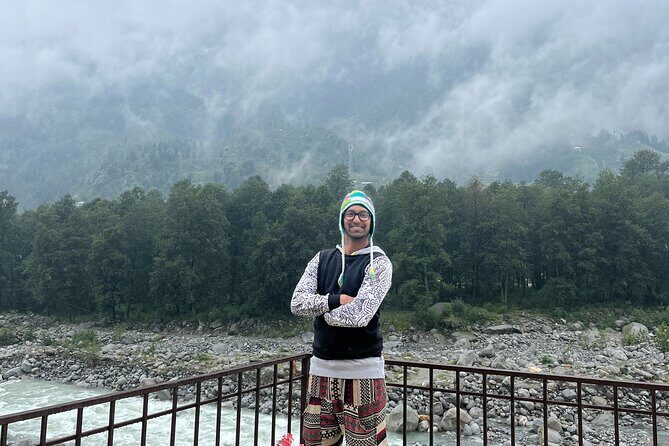
Day 2 sets the mood with a scenic drive from Shimla toward Sangla (around 200 km). Even before you hit the Spiti segment, Kinnaur’s roads start teaching you the rhythm of this region: big bends, sudden viewpoint pull-offs, and short windows where you’ll want your camera ready.
That first overnight in Sangla is a useful breather. You’re not just changing locations—you’re adjusting to thinner air and colder evenings. If you travel with layers, you’ll feel smarter almost immediately.
Day 3: Baspa River area, Chitkul, and reaching Kalpa’s Kinnaur Kailash viewpoints
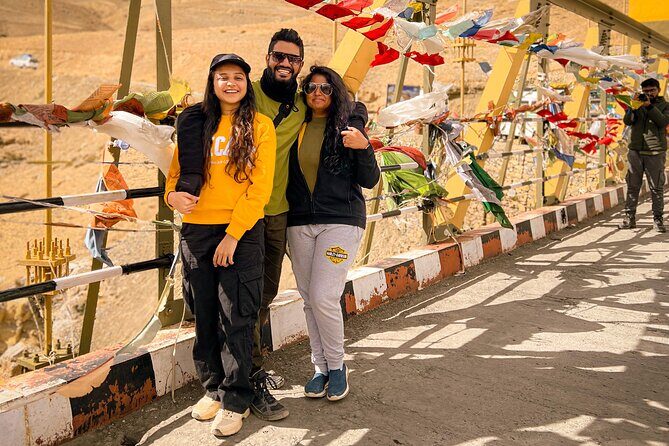
Day 3 mixes river scenery and village scale. There’s morning exploration near the Baspa River, plus a stop in Chitkul, described as the last inhabited village near the Indo-Tibetan border.
Then the day keeps rolling toward Kalpa, with views of the Kinnaur Kailash range. Kalpa is one of those places where just standing around for a bit feels like part of the plan. You’ll get dinner and an overnight stay there, which is key because the next day brings the bigger crossing into Spiti.
A small practical note: Chitkul-style villages are more about being there than ticking off attractions. Wear shoes you trust on uneven ground.

Day 4: Crossing into Spiti via rugged roads and Nako Lake
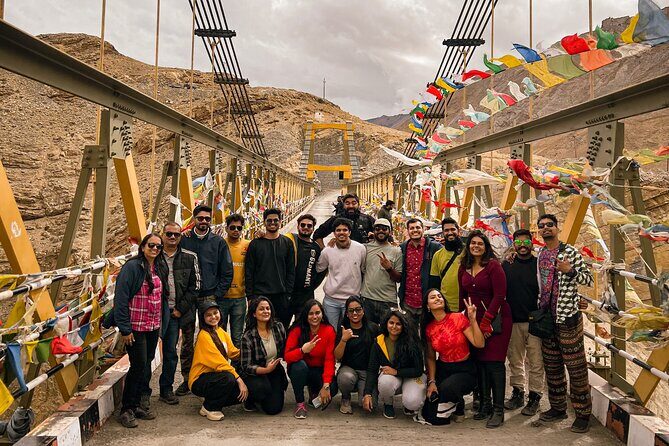
Day 4 is your “you’re really here now” day. You depart early toward Tabo, and the drive includes crossing rugged Kinnaur terrain into Spiti Valley.
On the way, there’s a stop at Nako Lake. This matters because Nako isn’t just a photo spot—it’s a psychological marker. The scenery shifts, the air feels sharper, and you start seeing why Spiti is often described as a world apart.
You arrive at Tabo in the evening and sleep there. Note: Day 4’s entrance-related line says admission not included, which is your reminder to budget for monastery entry fees when you’re planning your own daily spending.
Day 5: Tabo Monastery, Dhankar Monastery, and the run to Kaza
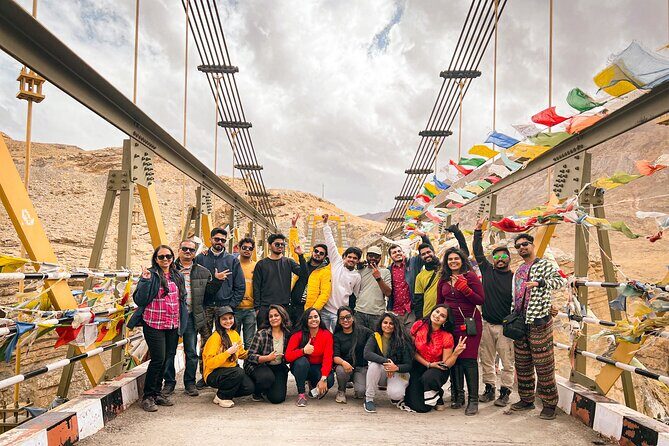
Day 5 leans heavily into monasteries and classic Spiti geography. You’re visiting Tabo Monastery, described as the oldest in Spiti, and also heading to Dhankar Monastery, known for its cliff-top setting.
The day also includes Hikkim as part of the route. Hikkim shows up again later too, but here you’ll get your first feel for how high-altitude living turns into a tight, creative kind of routine—Post office, small buildings, and steep paths rather than big-city conveniences.
By evening, you arrive in Kaza for the night. Kaza is your base for the more concentrated monastery-and-village exploring that follows.
Day 6: Langza Buddha, Hikkim’s highest post office, Komic’s motorable village, and Key Monastery
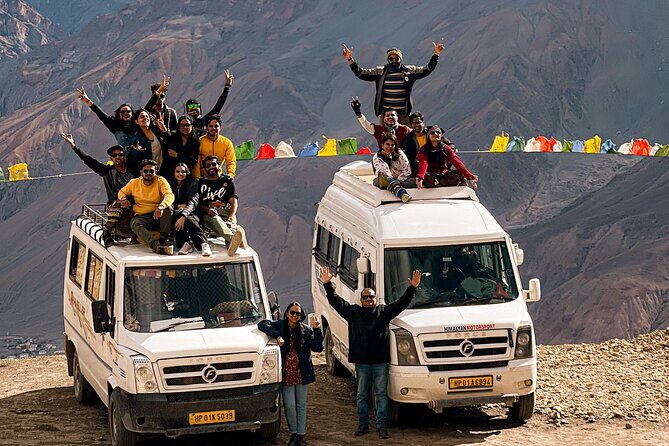
Day 6 is one of the best-paced “Spiti checklist” days, but it doesn’t feel like a factory line if you pace yourself.
You’ll visit:
- Langza, with a 35 ft Buddha statue
- Hikkim, described as the world’s highest post office
- Komic, described as the world’s highest motorable village
Then the day ends with Key Monastery, featuring 1000-year-old murals and thangkas. This is the kind of stop where you’ll want to slow down. Murals and thangkas can look overwhelming if you rush, and the point here isn’t to count details—it’s to sit with the fact that art like this has outlasted centuries of harsh weather and isolation.
If you’re traveling as a couple or a small friend group, this is also a great day to do a few short walks separately and meet back at the group timing, just to avoid everyone feeling “herded.”
Day 7: Chicham Bridge and Chandratal Lake camp night under the Milky Way
Day 7 is your big payoff. After breakfast, you head out early to Chicham Bridge, described as Asia’s highest suspension bridge, then continue to Chandratal Lake at about 14,000 ft altitude.
Chandratal is where the scale hits you. You’re getting a lake that feels remote and a night sky that’s built for stargazing. The tour includes a camp stay under the Milky Way, and dinner is included.
Two practical thoughts so you’re not miserable:
- Cold at altitude is real, even if you’re warm during the day. Pack warm layers you can breathe in (no need for fashion, just comfort).
- Bring something to help you with the camp evening. Even small items—water, a headlamp, a warm hat—make the night smoother.
This day is also why many people book Spiti as a once-in-a-while trip. The experience isn’t just the lake. It’s the shift from daytime road travel to nighttime stillness.
Day 8: Wake up in the camps and drive back to Manali
Day 8 starts with waking up at the camp, then breakfast, followed by the drive back to Manali, reaching around 4 PM.
This is a long road day, but the value is that you’re getting the “full arc” of the trip: mountains, monasteries, then a practical exit route that puts you into a more livable base town.
At Manali, it’s essentially the farewell day—time to stretch your legs, eat something low-effort, and mentally decompress before the final return to Delhi.
Day 9: Morning arrival in Delhi and the end of the loop
On Day 9, you return to Delhi in the morning. The tour ends back at the meeting point.
This is the moment where the trip can feel like it both flew by and lasted forever. If you want to get the most out of your memories, start sorting photos right away, while route details are still fresh. Spiti has a habit of blending visually if you wait too long.
How the operation feels on the ground: organization, food, and safety
Across the tour’s reputation, the strongest theme is that the planning and execution are handled in a smooth way. People talk about the itinerary running properly and the overall service feeling organized from start to finish.
On a practical level, that matters because Spiti doesn’t forgive chaos. When roads, timings, and meal stops are managed well, you can spend your energy on what you came for: monasteries, villages, and those wide Himalayan skies.
You also have built-in emergency support: a first-aid kit plus an oxygen cylinder arrangement if something goes wrong. It’s not there so you worry all day. It’s there so you’re not stranded if altitude or health issues hit.
And yes, food gets mentioned positively too. Breakfast and dinner are included multiple days, so you’re not constantly searching for meals in remote areas. Still, you may want to budget for lunches since only breakfast and dinner are listed as included.
Small things that will make your trip smoother
A few practical tips based on how this route actually runs:
- Pack layers. The trip swings between road temperature in Kinnaur/Manali-side zones and cold nights at altitude.
- Plan your walking. Village visits can mean uneven ground and short climbs to viewpoints.
- Expect vehicle time. Tempo traveller days plus the overnight Volvo mean you’ll spend hours in transit. This is normal for Spiti.
- Budget entrance fees. Since they’re not included, carry some cash for monasteries and paid viewpoints.
- Bring power. Camp nights and cold conditions can drain your phone faster than you expect.
Who this tour suits best
This Spiti Valley group tour is a good match if you want:
- A guided route that hits the core monasteries and viewpoints
- Little-decision travel, especially if it’s your first time in this region
- A mix of culture and altitude: Tabo, Dhankar, Key Monastery, plus Chandratal camping
- A manageable group size (max 24) with the chance to meet other people
It may be less ideal if you hate long car days, need private rooms, or you’re very sensitive to cold and altitude without much patience.
Should you book this Spiti Valley Group Tour From Delhi?
If you want Spiti’s highlights without building a full plan from scratch, this tour is a strong candidate. The bundled value—Volvo transport, tempo traveller, meals, and even an oxygen cylinder arrangement—means you can focus on the experience rather than logistics.
I’d book it if your priority is monastery culture plus a real high-altitude night at Chandratal, and you’re okay with triple-sharing and a busy schedule. I’d skip or switch to a more flexible option if you want slow travel, private accommodation, or you’re not comfortable budgeting for entrance fees and staying warm on camp nights.
FAQ
What time and where do I meet the group in Delhi?
You meet at the Volvo pickup stand near Majnu ka Tila at 10 PM. The listed meeting point for the activity is Maharana Pratap Kashmiri Gate ISBT near Yudhister Setu (Kashmere Gate), and the tour ends back at the meeting point.
How do I get from Delhi to Shimla?
The tour includes Volvo bus tickets from Delhi to Shimla and back, as part of the overall itinerary.
What’s included in the tour price?
Inclusions include triple-sharing stays (hotels/homestays/camps), tempo traveller transport for the itinerary days, Volvo tickets (Delhi–Shimla round trip), an experienced local driver and group leader, a first-aid kit with an oxygen cylinder arrangement, breakfast (6) and dinner (6).
Are entrance fees included?
No. Entrance fees and tips are not included.
What kind of accommodation will I have during the trip?
You’ll stay on a triple sharing basis in hotels, homestays, or camps, depending on the night.
Is there any emergency medical support?
Yes. The tour includes a first-aid kit and an oxygen cylinder arrangement in case of emergency.
Does the weather affect the tour?
Yes. This experience requires good weather. If it’s canceled due to poor weather, you’ll be offered a different date or a full refund.