REVIEW · AMRITSAR
Amritsar Food Tour
Book on GetYourGuide →Operated by WalkandExplore · Bookable on GetYourGuide
Amritsar tastes better on foot. This 3-hour food walk is built to show you how daily life in Amritsar connects to food—through local dhabas, street shops, and restaurant counters—and through a guide who explains what you’re eating and why it matters. You’ll get a mix of classic Punjabi favorites, learn the story behind items, and even hear simple recipe ideas as you go.
The only real catch is that you should come ready to eat and walk. With transfers between stops by walking, rickshaw, or tuk-tuk, the pace still means you’re sampling a lot—so if you don’t handle spice or big portions well, plan accordingly.
In This Review
- Key things I’d bet you’ll like
- How This Amritsar Food Tour Fits Your First Day Perfectly
- A quick reality check on the pace
- The 8–10 Food Bites That Make It Worth the $25
- Why you’ll probably leave with better ordering skills
- Inside the Stops: Dhaba, Restaurant, and Street-Shop Styles
- Dhaba-style bites for hearty Punjabi comfort
- Street-shop foods for fast flavor and fun
- Restaurant counters for consistent classics
- The Guide’s Stories and Recipes: Why It’s More Than Eating
- Look for guides like Hardik or Prerit
- Transfers Between Stops: Walking, Rickshaw, or Tuk-Tuk
- A practical tip for comfort
- Hygiene and Confidence: What to Expect from the Selection
- Who This Tour Suits Best (And Who Should Rethink It)
- Quick Value Check: Is $25 a Good Deal Here?
- Should You Book This Amritsar Food Tour?
- FAQ
- Where is the meeting point?
- How long is the tour?
- How much does it cost?
- What’s included in the tour price?
- How many food items will I try?
- Is the tour private or shared?
- What’s the cancellation policy?
Key things I’d bet you’ll like
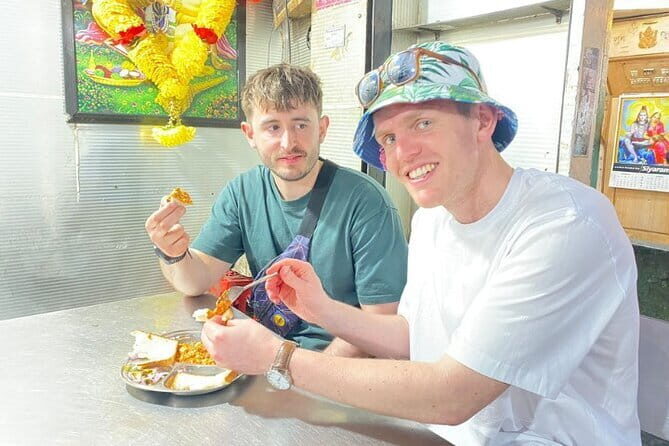
- 8–10 different local food stops across dhabas, restaurants, and street shops
- Storytelling in Hindi, English, and Punjabi, tuned to your comfort
- Food history + how-to moments, including recipes for what you’re tasting
- Transfers between eating points, so you spend time eating instead of hunting
- Bargaining and money-saving tips so you can keep your budget under control
How This Amritsar Food Tour Fits Your First Day Perfectly
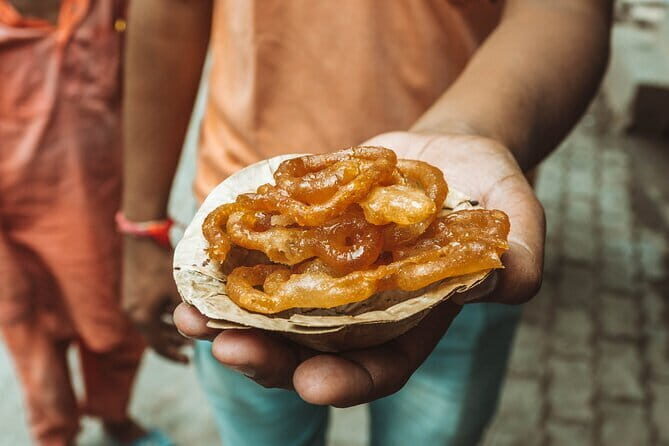
If you only have a short window in Amritsar, this tour is one of the easiest ways to get oriented. In a few hours you’re not just eating—you’re learning how the city thinks about comfort food, street snacks, and full-on Punjabi meals.
I like that the tour is designed around local life rather than a checklist of famous dishes. The guide helps you connect flavors to ingredients, spices, and everyday habits, so the food doesn’t feel random. And because it’s private and guided, you can ask questions on the spot instead of guessing from menus.
You can also read our reviews of more food & drink experiences in Amritsar



A quick reality check on the pace
This isn’t a slow sit-down dinner tour. You’ll move between multiple eating points, sample several items, and keep your camera handy because some of the food looks as good as it tastes. If you’re easily overwhelmed by crowded streets or spice levels, go in with the right expectations.
The 8–10 Food Bites That Make It Worth the $25
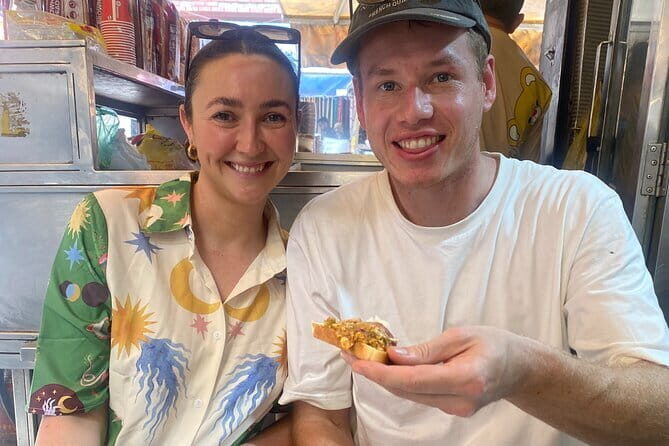
At $25 per person for about 3 hours, the value is in the structure: you’re buying guided selection, food, and movement between stops. The math is simple—most meals in the city cost enough that paying for a guided sampling route can feel like a bargain if you’re trying a lot at once.
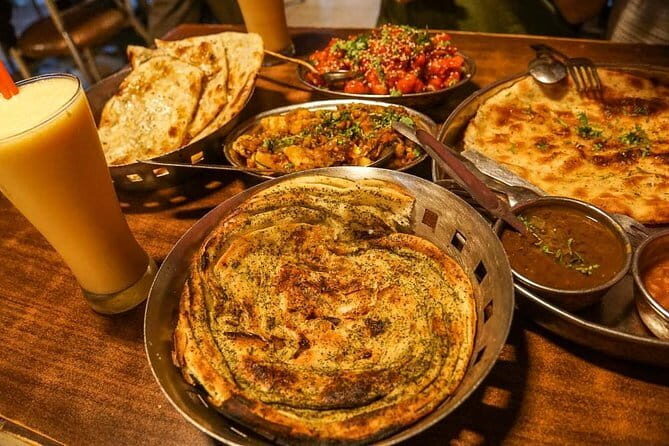
The tour is built around authentic Punjabi variety, and the examples that show up again and again are the classics:
- Lassi (often singled out as outstanding)
- Chole-puri (a favorite pairing for savory, spicy, filling comfort)
- Kulchas (including types like nutri kulcha in past groups)
- Chota puri (including versions with spicy carrot elements)
- Paneer bhurji (creamy, spiced curds)
- Gur ka halwa (sweet finish energy)
- Bun maska dipped in chai (a street-food-style treat)
You’ll also see the tour’s goal in how it mixes drinks, breads, mains, and sweets. That matters because Punjabi cuisine isn’t just about one dish. It’s about combinations: hot and cold, crunchy and soft, spicy and cooling.
Why you’ll probably leave with better ordering skills
A big advantage of sampling this way is that you learn what to order again during the rest of your stay. Once you understand what the ingredients are doing—spice heat, tang, sweetness, and dairy balance—you can choose your own meals with confidence instead of pointing at photos.
Inside the Stops: Dhaba, Restaurant, and Street-Shop Styles

This tour doesn’t treat every food spot as the same. The guide brings you to a mix of places—dhaba-style counters, street shops, and restaurant stops—so you taste not only the dish but also the local approach to serving it.
Here’s what that means for you at each type of stop:
You can also read our reviews of more tours and experiences in Amritsar
Dhaba-style bites for hearty Punjabi comfort
Dhaba-style food tends to lean toward big flavor and satisfying textures. When you’re eating something like chole-puri or paneer bhurji, the point is comfort and spice balance, the kind of meal people actually want after a long day. The tour’s advantage is that you don’t have to navigate what’s best—you follow the guide.
Possible drawback: if you’re sensitive to spice or oil, dhaba-style dishes can be rich. Tell your guide if you want things milder.
Street-shop foods for fast flavor and fun
Street stops tend to be where you get the most immediate hits of flavor. The bun maska dipped in chai is a perfect example of why: it’s simple, familiar, and still feels special in the way it’s served. You also tend to see more variety in snack-size portions here, which is helpful on a sampling route.
Restaurant counters for consistent classics
When the tour shifts to a more stable restaurant setup, it usually means you can focus on the dish itself without worrying about chaos. Kulchas and lassi fit this category well because you want the bread texture and drink consistency to be on point.
The Guide’s Stories and Recipes: Why It’s More Than Eating

Food tours often stop at taste. This one adds context in a way that helps you remember what you ate and how to find it again.
You can expect:
- Stories and history behind food items
- A recipe-style explanation for how the food is made (at least at a practical level)
- Conversation that connects ingredients, herbs, and spice logic to the final flavor
This is also why the guide’s language matters. The tour offers storytelling in Hindi, English, and Punjabi, so you can get real meaning instead of half-understanding with a language barrier.
Look for guides like Hardik or Prerit
In past tours, guides such as Hardik and Prerit have been praised for picking places that feel both authentic and clean, plus for history lessons mixed right into the eating. That combination matters because it turns the experience into something you can carry beyond the street corner.
Transfers Between Stops: Walking, Rickshaw, or Tuk-Tuk
You’re going from one eating point to another, and you don’t have to plan the logistics. The tour includes transfers by walking, rickshaw, or tuk-tuk depending on the route.
For you, that means two things:
- You spend less time trying to locate the next shop.
- You get small city-route moments—seeing how locals move between markets and food points.
A practical tip for comfort
Wear shoes you can walk in. Even with transfers, you’re still sampling around the city and you’ll want stable footing, especially if sidewalks get crowded.
Hygiene and Confidence: What to Expect from the Selection
One reason people recommend this tour is trust. The guide carefully chooses places that serve authentic food while keeping hygiene standards in mind. That’s a big deal in any food-focused trip, because you’re trying multiple dishes in a short time.
Also, you get helpful guidance for spending wisely. The tour includes tips for bargaining and saving money, which helps you not overpay if you want to repeat a dish later.
Who This Tour Suits Best (And Who Should Rethink It)
This tour is a great fit if:
- you want your first-day foundation in Amritsar cuisine
- you like learning why food tastes the way it does
- you’d rather follow a local guide than gamble on ordering blindly
- you want a mix of street snacks and classic Punjabi meals
It might be less ideal if:
- you can’t handle spicy food or heavy, dairy-rich flavors
- you want only light snacks rather than multiple full items
- you dislike walking and moving frequently, even with transfers
Quick Value Check: Is $25 a Good Deal Here?
For $25 and 3 hours, you’re getting more than food. You’re paying for:
- a guided route across multiple types of eateries
- storytelling and practical explanations
- transfers between stops
- a private group experience
If you try to do this on your own, you’ll spend time searching, and you might still end up with inconsistent picks. Here, the structure is the value.
Should You Book This Amritsar Food Tour?
Yes—if you want a smart, no-stress way to taste Amritsar and learn how to order confidently for the rest of your trip. The best reasons to book are the 8–10 authentic food samples, the guide’s story + recipe explanations, and the fact that you’re moving between stops without having to figure out transport yourself.
Skip it only if spice and quantity are deal-breakers for you, or if you’d rather shop slowly instead of sampling quickly.
FAQ
Where is the meeting point?
You meet outside of McDonald’s.
How long is the tour?
The tour lasts 3 hours.
How much does it cost?
It costs $25 per person.
What’s included in the tour price?
Food and beverages, storytelling in Hindi/English/Punjabi, transfers from one eating point to another, local life experience, and tips for bargaining and saving money.
How many food items will I try?
You can expect 8–10 different authentic local food items.
Is the tour private or shared?
It’s a private group.
What’s the cancellation policy?
You can cancel up to 24 hours in advance for a full refund.