REVIEW · JAIPUR
From Jaipur: Ranthambore Tiger Safari Day Trip with Transfer
Book on GetYourGuide →Operated by Dishika Travel · Bookable on GetYourGuide
Ranthambore is a long day, done right. What makes this trip exciting is the mix of a Jaipur-to-forest transfer and a guided tiger-reserve safari where you’re watching wildlife in their real habitat. I like that the route gives you a full day of natural sights, not just a quick drive-by. I also like that the safari is guided by a professional naturalist, so you’re not just staring at trees and hoping. The one drawback: tiger sightings aren’t guaranteed, and the safari timing/zone you get can’t be picked by you.
You’ll spend the morning heading out of Jaipur and into Rajasthan’s countryside before you hit Ranthambore National Park. Once you arrive, the day shifts gears fast: you’re in open 4×4 vehicles with good visibility, moving through dry deciduous forest, grasslands, and lakes where tigers are frequently spotted—especially around Padam Talao and Rajbagh Lake. I like the practical feel of it: real logistics, real viewing, and a guide who helps you make sense of what you’re seeing. Still, if your only goal is guaranteed tigers, you’ll want to manage expectations from the start.
If you’re traveling with family or you want a straightforward wildlife day without arranging tickets and transport yourself, this can work well. You’re also getting historical flavor inside the park with the Ranthambore Fort visit layered into the day. The consideration I’d flag: jeeps and canters are shared, and that can affect comfort and what kind of viewing you end up with.
In This Review
- Key things to know before you go
- Jaipur to Ranthambore: the long transfer that shapes the day
- Safari vehicles and what you can realistically expect
- Inside Ranthambore: lakes, forests, and the fort stop
- The guide and naturalist: why commentary matters
- Time on the clock: a 12-hour day with shifting rhythms
- Price and value: is $82 reasonable for this kind of day?
- What to bring (and what to plan mentally)
- Who this Ranthambore day trip suits best
- Should you book? My take on the decision
- FAQ
- How long is the Ranthambore day trip from Jaipur?
- Where do you get picked up in Jaipur?
- What’s included in the tour price?
- Are meals included?
- What type of safari vehicle do you ride in?
- Is a tiger sighting guaranteed?
- Do I need to send passport details before the safari?
- Is the safari canceled/refunded if weather is bad?
- Is the tour suitable for people with mobility impairments?
Key things to know before you go
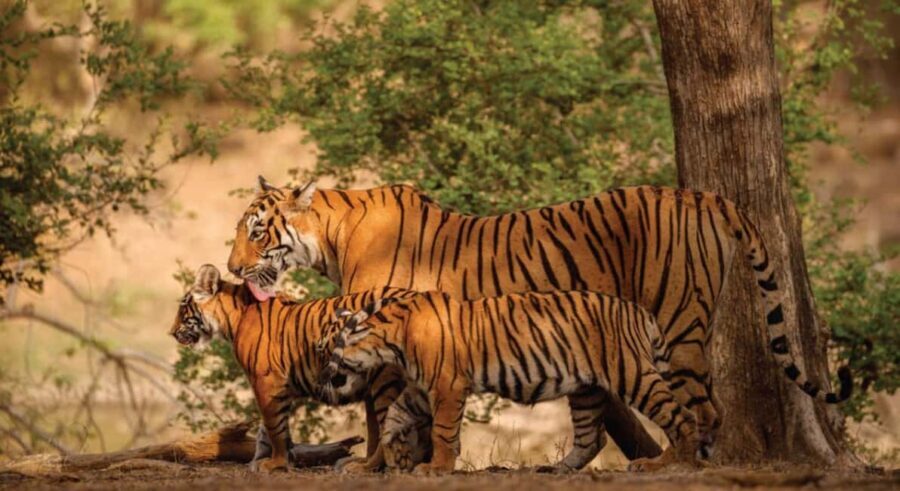
- Tiger reserve, not a zoo: sightings are possible, never promised.
- Open-air visibility: you’ll ride in open 4×4 jeeps or canters for better viewing angles.
- Padam Talao and Rajbagh Lake areas: the park’s frequent tiger spots are part of the safari planning.
- Guided by a naturalist: you’ll get context on behavior and species beyond just spotting shapes.
- Ranthambore Fort inside the park: it adds an old-Rajasthan beat to the wildlife focus.
- Vehicles are shared: jeeps (up to 6) and canters (16–20) both move as part of the wider safari system.
Jaipur to Ranthambore: the long transfer that shapes the day
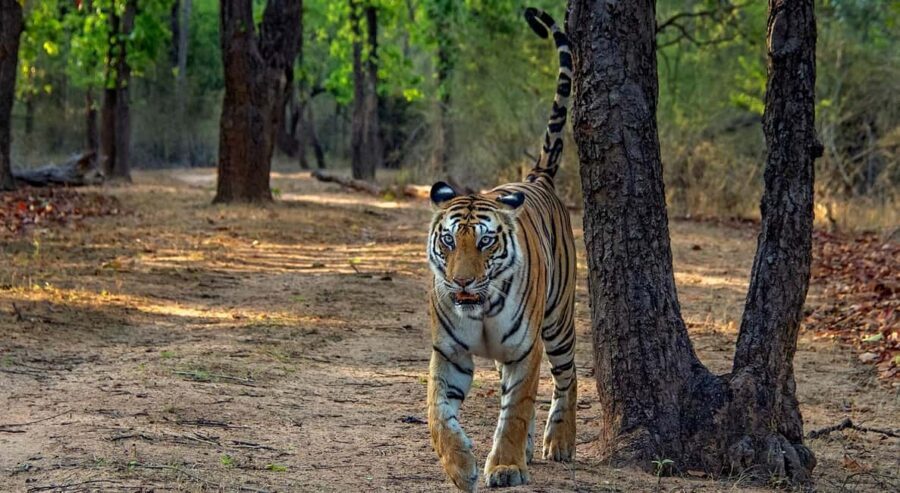
This is a true day trip, so the first half is all about getting from Jaipur into Ranthambore without fuss. You’ll start with pickup from your chosen Jaipur location, and then you’re on a private air-conditioned vehicle for about 3–4 hours each way. On paper it sounds simple, but in reality it matters: you’re not just “leaving”; you’re building your whole experience around a set safari schedule.
Along the way, you’ll pass through Rajasthani villages and countryside. It’s not about fancy scenery stops or curated photo stops. It’s more like: get comfortable, hydrate, and let the drive set your brain in wildlife mode. I like doing this because by the time you reach the park, you’re ready to pay attention—sound, tracks, and movement—rather than still thinking about check-in and timing.
One small practical note: there’s complimentary bottled water for the journey, but meals aren’t included. Plan on eating before pickup if you can, or bring something simple that fits your stomach and energy level. A long drive plus waiting for safari slots can turn hunger into impatience fast.
You can also read our reviews of more tours and experiences in Jaipur

Safari vehicles and what you can realistically expect
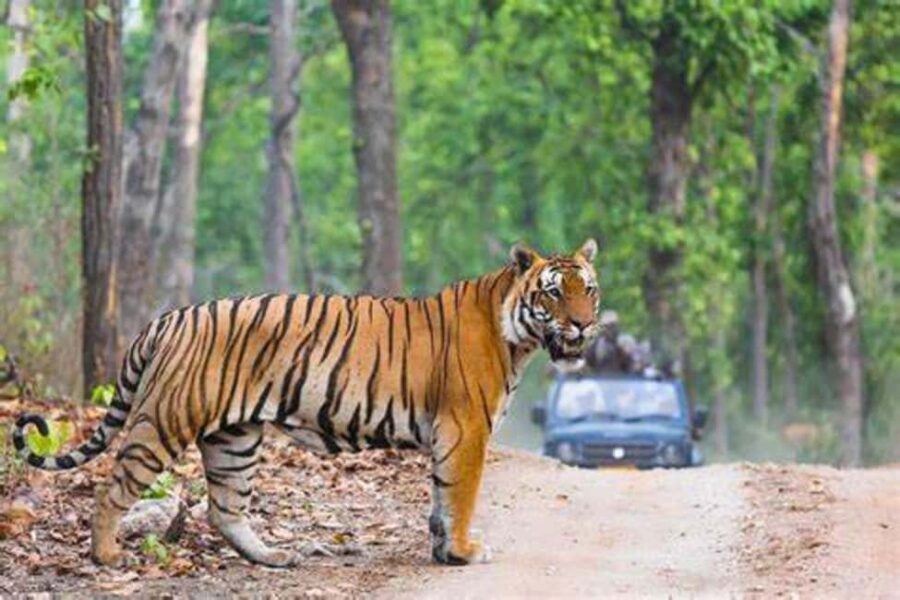
Here’s the heart of the experience: you ride in an open 4×4 jeep or canter for your wildlife safari. The important detail is that you don’t get to control the vehicle type or the exact viewing setup. Jeeps can carry up to 6 guests, while canters carry 16–20 guests and are shared with other visitors. That affects comfort, your ability to frame shots, and how quickly your guide can spot and react to movement.
In Ranthambore, your odds come from two things:
1) the guide and naturalist reading the habitat and timing, and
2) the fact that this is a tiger reserve with wildlife patterns that don’t run on your schedule.
You’ll drive through lush dry deciduous forests, grasslands, and lakes. That variety is what makes the park interesting. Tigers aren’t just in one dramatic postcard place. They can move along edges of cover, cruise around water sources, and use the same landscape features repeatedly.
The safari is also structured around known hotspots, including areas near Padam Talao and Rajbagh Lake. If you’re hoping to see Bengal tigers, those names are worth remembering. But I want you to hear it plainly: this is a tiger reserve, not a zoo, so sightings are never guaranteed.
You also may see other wildlife—leopards, wild boars, deer (including sambar and spotted deer are mentioned), plus birds. And yes, you might still see monkeys too; they can be part of the ecosystem near human areas like Jaipur and sometimes around park areas as well. The key is that the safari isn’t just about one animal. If you show up ready for the whole food chain—birds, hoofed animals, predators, and even the quiet moments—you’ll likely enjoy the day more.
Inside Ranthambore: lakes, forests, and the fort stop
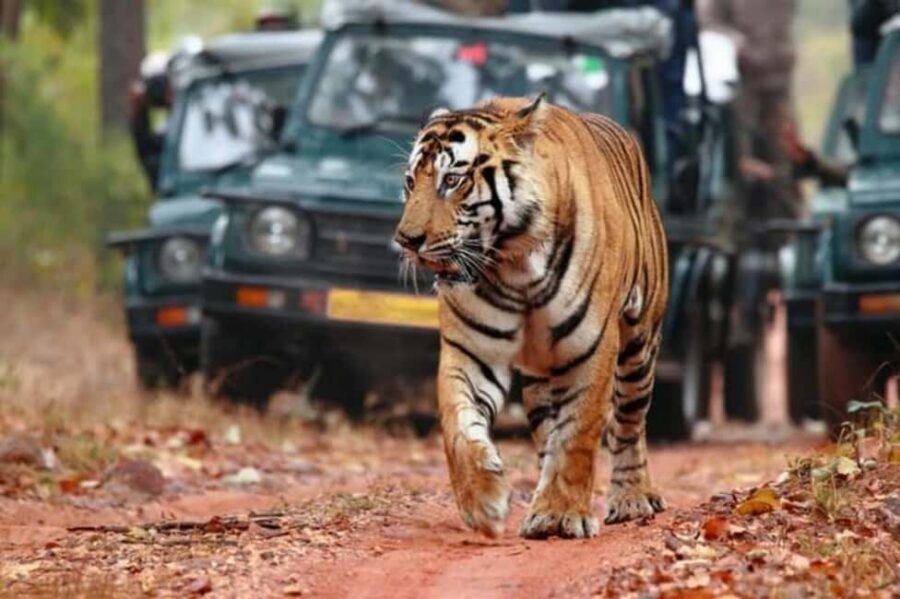
After you arrive, the day doesn’t stay purely in safari mode. You’ll have a guided park visit with photo opportunities and sightseeing. One included highlight is Ranthambore Fort, which sits within the park area and gives you a historical anchor for your wildlife focus.
That fort stop can be more than a stretch break. It helps you understand the park’s character: this isn’t a man-made amusement zone. It’s a protected landscape with long-term human history tied to it. When you look at the terrain from a higher perspective, you get a better sense of why animals use certain corridors and water points.
During the safari drives, you’ll pass through those dry forest patches and open grassland stretches, plus lake areas where animals come through. When I’m doing wildlife days, I pay attention to water and edges more than “center frame” expectations. Lakes and waterholes are often where the day’s story becomes visible—movement, calls, sudden stillness, and the quick shift of attention from your naturalist.
So even if your tiger sighting doesn’t happen fast, the landscape still gives you clues. Birds reacting, smaller animals stepping out, or a change in the vehicle’s pace can all hint that something is nearby. That’s where a good naturalist adds real value: they help you read the scene instead of guessing.
The guide and naturalist: why commentary matters
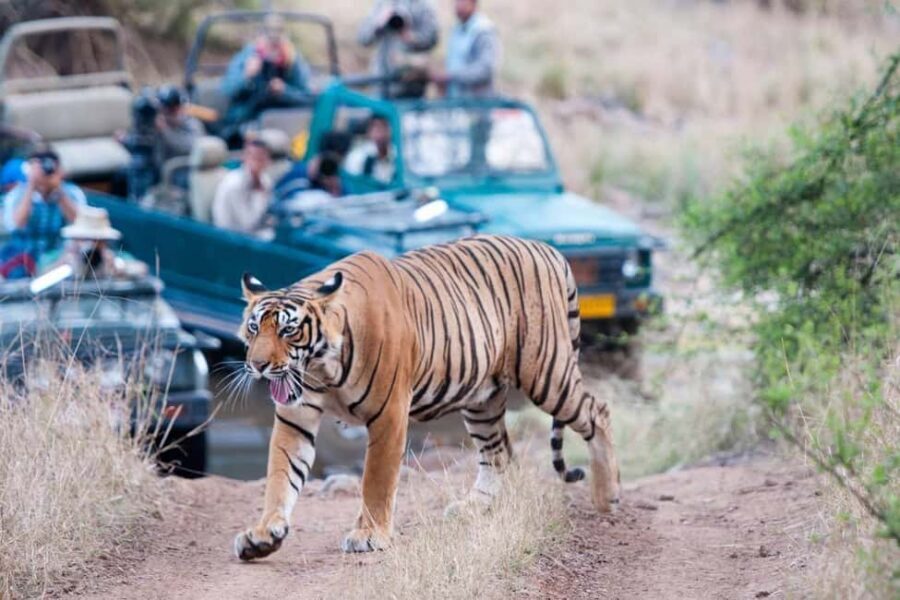
This trip includes a guided safari experience with a professional naturalist, and that can change how you experience a reserve. Without guidance, a safari can turn into a lot of scanning and disappointment. With guidance, you’re learning what you’re looking at, why it’s there, and how it relates to the bigger picture of the habitat.
You’ll hear insights about the park and what to watch for—species likely to show in certain habitat types and behavioral clues that help you spot animals sooner. You’re also traveling in open vehicles, so you’ll be exposed to dust, wind, and noise. In those conditions, it’s easier to miss details. A naturalist’s callouts help you keep your attention in the right places.
The experience also includes an English-speaking driver. That matters more than people expect on a full-day trip. If you can clearly understand timing, instructions, and what’s coming next, you feel less stress, and you actually pay more attention once you’re in the vehicle.
One additional reality check from the experience: while the guidance and driver are included, the safari experience can vary based on park operations and what’s available that day. Some people come away frustrated—especially if tigers don’t appear quickly or if the safari feels shorter than hoped. That’s not a failure of the idea; it’s how wildlife timing works inside a managed reserve.
Time on the clock: a 12-hour day with shifting rhythms
The total duration is listed as 12 hours, with arrival back in Jaipur around 7:00 PM. That’s the kind of schedule that’s easy to underestimate until you’re on it. The drive time is only part of it. You also have arrival procedures, waiting for safari slots, and then the return journey where you’re tired but still wired from what you saw.
In theory, you get a meaningful chunk of safari time plus additional park viewing. In practice, the experience can feel short if the day’s wildlife opportunities are limited or if the park’s operational flow moves differently than you imagined. The safari is reported as being run in a shared system and, in at least one case, it didn’t feel like it delivered the full expectation of a long wildlife outing.
So here’s my practical advice: treat this as a wildlife day with a safari, not a guarantee of a major tiger highlight. If you want the odds of a strong wildlife session, be mentally ready to stay alert and flexible once you’re inside.
Weather is another timing factor. If rain or bad weather interrupts operations, there can be no refunds for cancellations or interruptions caused by those conditions. That means you should dress for sun and dust, but also have a rain plan (a compact rain layer helps).
You can also read our reviews of more tours and experiences in Jaipur





Price and value: is $82 reasonable for this kind of day?
At $82 per person, this trip sits in a midrange price slot for a long transfer plus a managed safari. The value equation comes down to what’s included:
- park entry ticket
- guided safari with a naturalist
- private air-conditioned transport
- bottled water
- fuel, tolls, and taxes
- pickup and drop-off
What’s not included is also clear: meals and beverages, plus personal expenses. So the real cost isn’t just $82. It’s $82 plus how you handle food during a long day.
To judge value, ask yourself: are you saving time and stress versus trying to arrange transport and tickets on your own? This package handles the big moving pieces: transfer, park entry, and the safari guide component. That’s often worth it if you want one organized day instead of logistics.
But if your top priority is controlling the safari zone or vehicle layout, read the room. You can’t choose your exact setup, and you’re in a shared vehicle system. If you’re the type who needs control to feel satisfied, you might find this frustrating even if the driver is excellent.
The best way to look at $82 here: you’re paying for access, timing, and interpretation—not for guaranteed tiger sightings or perfect viewing conditions.
What to bring (and what to plan mentally)
Since the safari is in open vehicles, comfort matters. You’ll be exposed to wind and dust, and your viewing depends on staying alert instead of fidgeting. Pack like you’re doing an outdoor early-morning activity, even if your day starts from Jaipur later than that.
Bring:
- water you can refill if possible (you’ll get bottled water, but extra comfort helps)
- sunscreen and sunglasses
- a light layer for early shade and AC time on the drive
- snacks for the gap between pickup/safari/return (since meals aren’t included)
- your original passport for verification on safari day
And remember the park process: after booking, you’ll need to send a passport copy for entry formalities via WhatsApp or email. Then you must carry your passport during the safari. This is one of those steps that can be simple if you’re organized, and annoying if you aren’t.
Also note: this safari is operated by the Government Forest Department, and it’s designed as wildlife viewing with rules. Expect a managed flow rather than a casual free-for-all.
Who this Ranthambore day trip suits best
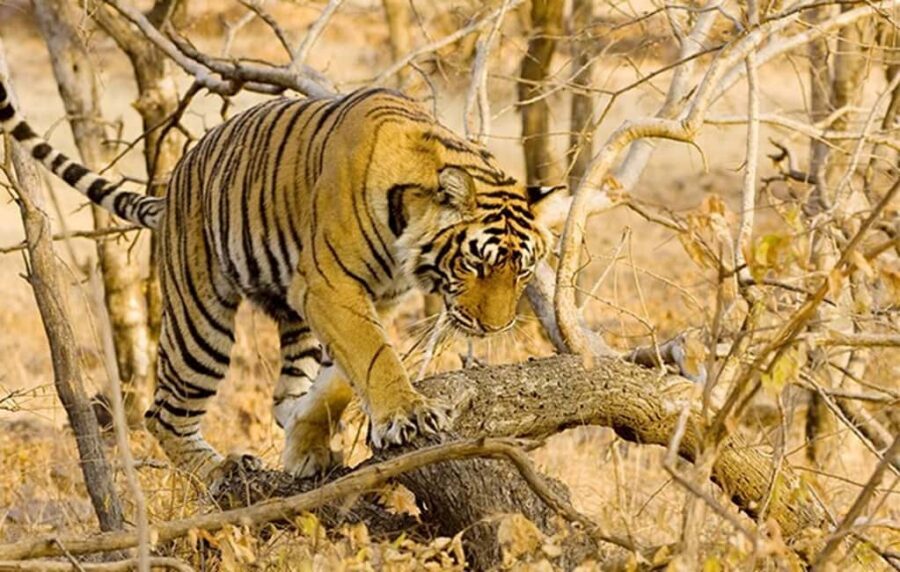
This works best for you if:
- you want a straightforward day trip from Jaipur with transport and safari handled
- you’re happy to see a range of wildlife, not just tigers
- you like commentary and want help spotting animals in a big reserve
- you’re comfortable riding in a shared vehicle system (jeeps or canters)
It’s less ideal if:
- you need mobility assistance (it’s stated as not suitable for people with mobility impairments)
- your primary goal is guaranteed tiger viewing and nothing else
- you’re upset by the idea that you can’t choose the safari zone or vehicle type
If you’re a first-time wildlife safari person, this is a solid intro because it combines park entry, guided viewing, and context in one package. If you’re a hardcore wildlife hunter with a strict shot-list, you might be happier booking experiences that give more control—though that’s not what this package is designed to offer.
Should you book? My take on the decision
If you’re booking with realistic expectations, I think this trip can be a good use of your time from Jaipur. You’re paying for a guided safari in a true tiger reserve, plus a bit of history inside the park, and you’re getting all the major logistics bundled into one price.
But I’d book with your eyes open:
- tigers are possible, not guaranteed
- you can’t pick your safari setup
- the day can feel shorter or less rewarding if wildlife sightings are limited
If you mainly care about seeing tigers, I’d still consider it—but go in ready to enjoy the whole reserve experience: the habitat, the birds, the predators’ ecosystem, and the fort stop that breaks up the long day.
If you’d like, tell me your travel month and whether you’re tiger-first or wildlife-everything. I can help you decide if this $82 day trip is the right match for your expectations and energy level.
FAQ
How long is the Ranthambore day trip from Jaipur?
The total duration is about 12 hours, with return to Jaipur around 7:00 PM.
Where do you get picked up in Jaipur?
Pickup is included from your pickup location in Jaipur, including options like your hotel, train station, or airport (or another location you prefer).
What’s included in the tour price?
Included are hotel/pickup drop-off, private air-conditioned transport, entry ticket to the national park, guided safari with a professional naturalist, fuel/tolls/taxes, and bottled water.
Are meals included?
No. Meals and beverages aren’t included, so you’ll want a plan for eating during the day.
What type of safari vehicle do you ride in?
You’ll ride in an open 4×4 jeep or canter. Jeeps fit up to 6 guests, and canters fit about 16–20 guests. Vehicles are shared with other visitors.
Is a tiger sighting guaranteed?
No. Ranthambore is a tiger reserve, not a zoo, so wildlife sightings—including tigers—are not guaranteed.
Do I need to send passport details before the safari?
Yes. After booking, you need to send a copy of your passport via WhatsApp or email for park entry formalities, and you must carry your original passport during the safari.
Is the safari canceled/refunded if weather is bad?
The information provided says no refunds are provided if the safari is canceled or interrupted due to bad weather.
Is the tour suitable for people with mobility impairments?
No, it’s stated as not suitable for people with mobility impairments.