REVIEW · NEW DELHI
12 Days Golden Triangle With Udaipur Jodhpur Jaisalmer Pushkar
Book on Viator →Operated by Golden Triangle Tours India · Bookable on Viator
Golden Triangle on a longer leash.
This 12-day route strings together Delhi, Agra, Jaipur, Jodhpur, Jaisalmer, and Pushkar with UNESCO-level sights and stop-by-stop local guidance, so you can enjoy highlights without sprinting. I like that it’s set up as a true private tour, which makes it easier to pace yourself through big-city crowds and change your timing when the day runs hot.
Two things I like a lot: private transport with a driver (so you’re not wrestling with local logistics) and the built-in rhythm of sights and breaks across each city. One consideration: monument entrance fees are not included, so you’ll want to budget extra on top of the tour price for tickets you can’t skip.
In This Review
- Key things to know before you go
- Golden Triangle to Pushkar: what this 12-day route feels like
- Delhi’s big-slice day: Gurudwara Bangla Sahib to Old Delhi markets
- The Delhi classics for architecture fans: Qutub, Lotus, Humayun’s Tomb
- Agra with two Taj light moods: sunset viewpoint to sunrise
- Fatehpur Sikri and Chand Baori: a very long day that can be worth it
- Jaipur’s royal day: Amber Fort, City Palace, Jantar Mantar, and Hawa Mahal
- Udaipur by the lake: Pichola views and City Palace collection time
- Jodhpur’s forts and royal museums: Mehrangarh, Umaid Bhawan, Jaswant Thada
- Jaisalmer: Golden Fort living spaces, ornate havelis, and Thar desert night
- Pushkar’s slow spiritual rhythm: Brahma Temple and Brahma Ghat rituals
- Price and logistics: where the $720 value really comes from
- Who this private Golden Triangle plus Rajasthan tour suits best
- Should you book this tour?
- FAQ
- What does the tour price include?
- Are monument entrance fees included?
- Is this a private tour or a group tour?
- Do I get help with airport arrival and departure?
- Is there a battery bus for the Taj Mahal?
- What kind of vehicle will I ride in?
- Is accommodation included in the package price?
- How are rooms usually assigned?
- What about cancellation?
Key things to know before you go

- Private local guides throughout, so you get context instead of just photo stops
- Battery bus to Taj Mahal (round-trip from parking), which helps when crowds and walking get tiring
- A sunset Taj option plus a sunrise Taj option, giving you two very different light moods
- Stepwell sightseeing in both Delhi and around Jaipur (Agrasen Ki Baoli and Chand Baori)
- Fort-and-market days in Jodhpur and Jaisalmer that balance views with royal-era museum time
- Desert safari in the Thar with an overnight stay setup in Jaisalmer’s region
Golden Triangle to Pushkar: what this 12-day route feels like

This tour is built for first-timers who want the headline sights, but also want time to look closely. You’ll move through North India’s most famous cities—Delhi, Agra, Jaipur—then continue into Rajasthan’s royal cities: Jodhpur, Jaisalmer, and finally the spiritual pace of Pushkar.
The biggest value here is the mix. Delhi gives you Mughal and Sikh-era landmarks plus Old Delhi chaos at Chandni Chowk. Agra slows you down with two Taj Mahal moments. Rajasthan then tilts into forts, palaces, stepwells, and desert landscapes—ending with Pushkar’s temple and lakeside rituals.
Because you’re traveling by private, air-conditioned vehicle with a driver, the long distances feel more manageable. Still, expect some days to be heavy: you’re stacking major sights in one day, and road time between cities adds up.
You can also read our reviews of more tours and experiences in New Delhi.



Delhi’s big-slice day: Gurudwara Bangla Sahib to Old Delhi markets

Day 1 is all about atmosphere. You start at Gurudwara Bangla Sahib, a Sikh pilgrimage site known for its historic story tied to healing during epidemics. Even if you’re not big on religion-focused stops, this one is worth it for how calm the mood feels compared with the rest of the city.
Then the tour shifts into landmark mode:
- Qutub Minar: a UNESCO World Heritage tower complex from the Delhi Sultanate era (the tour notes its 73-metre height and construction in 1193).
- Lotus Temple: a free-entry place of worship known for its flower-like shape and open-door policy across religions.
- India Gate: a war memorial that also functions as a common hangout spot for families.
- Jama Masjid: one of the largest Mughal mosques, built under Shah Jahan between 1650 and 1656.
- Humayun’s Tomb: Mughal-era royal architecture (commissioned in 1558).
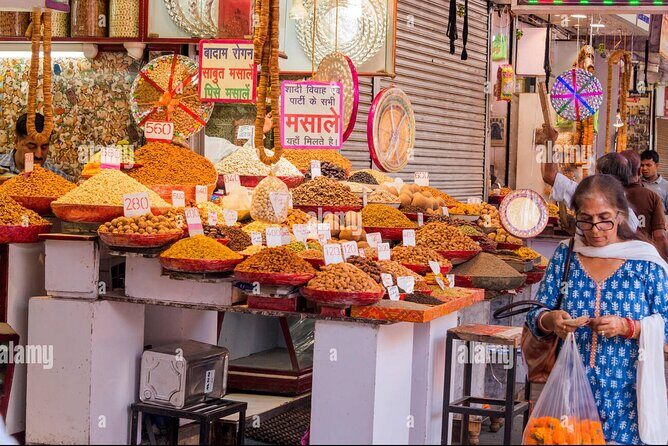
- Chandni Chowk: a classic Old Delhi market zone for spices, dried fruit, jewelry, and street browsing.
What makes this day work is that it’s not random. You’re seeing the city in layers: spiritual Delhi, Sultanate/Mughal monument Delhi, and then commercial Old Delhi life. It’s a lot—so your best move is to save energy for the long walking bits around Old Delhi. If you’re sensitive to crowding, start with the larger monuments earlier, when possible.
The Delhi classics for architecture fans: Qutub, Lotus, Humayun’s Tomb

Day 2 is a continuation of Delhi’s architecture highlights, and it’s a strong follow-up because it keeps you in the same “visual language” of the city. You get Qutub Minar again as the anchor sight, then the free-entry Lotus Temple and a sequence of Mughal-era touchpoints like Humayun’s Tomb and Jama Masjid.
One practical tip: Delhi days can blur together fast. The tour includes time blocks like 30 minutes to 1 hour at stops, which is enough for photos and understanding, but not enough for deep museum-level wandering. If you want extra time inside a site, you’ll get better results by asking early—don’t wait until you’re already tired.
Also note that several stops listed as free are marked as free admission in the plan, but others are not included for entry fees. So you’ll likely see a mix of free-to-enter and ticketed sites during the Delhi stretch.
Agra with two Taj light moods: sunset viewpoint to sunrise
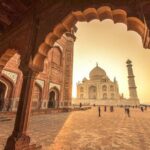
Agra is where the tour earns its name. What I like is the way it gives you different Taj experiences instead of forcing one single photo window.
You’ll get a sunset Taj Mahal viewpoint option across the river area noted for being away from the densest crowd, then a second Taj day that’s built around a sunrise visit. That contrast matters. Sunset Taj tends to feel more cinematic; sunrise often feels quieter and cooler. Either way, seeing the building in different light helps you notice details in the marble and the gardens that you’d miss if you only saw it once.
Other Agra highlights included:
- Itmad-ud-Daula (the Baby Taj): a Mughal mausoleum that’s smaller than the Taj, but excellent for structure details.
- Mehtab Bagh: a garden viewpoint space tied to Taj-era landscape design themes.
- Agra Fort: red sandstone fort walls and royal spaces, with time allocated for the main areas.
One more smart logistical inclusion: the plan includes a battery bus ride to and from Taj Mahal parking up to the monument area. That’s a real comfort upgrade in Agra, where walking and crowding can turn a short visit into an exhausting one.
If you want the best experience, show up ready for early starts and bring sun protection. Even when the tour is timed well, outdoor heat and bright marble glare are real.
Fatehpur Sikri and Chand Baori: a very long day that can be worth it

One of the tour’s heavier days is the one that pairs Agra-area monuments with a drive through to Jaipur. It includes Fatehpur Sikri, described as Akbar’s City of Victory capital complex, and then Chand Baori in Abhaneri, a stepped structure extending deep into the ground (the plan notes about 30 metres down).
Here’s the honest tradeoff: this day can feel like a marathon. You’re moving from major Mughal sites to Rajasthan countryside stepwell time, then continuing to Jaipur for hotel check-in. If you’re the type who likes to read every inscription and linger, you might feel time pressure.
If you’re okay with a “see it well enough, then move on” style, you’ll likely enjoy how the architecture changes as the day progresses—from fort-and-court power in Fatehpur Sikri to the visual geometry of Chand Baori.


Jaipur’s royal day: Amber Fort, City Palace, Jantar Mantar, and Hawa Mahal

Jaipur is laid out as a highlights loop, but it’s also one of the best cities on this tour because it’s so walkable and photo-friendly when you’re not stuck in traffic.
You’ll start with Panna Meena ka Kund, the stepwell near Amber Fort, then move to:
- Amber Palace: the former capital until 1728, with a guided walkthrough of palaces and monuments.
- Jal Mahal: a palace photo moment on Man Sagar Lake.
- City Palace: a major royal complex in Jaipur, tied to the administrative and ceremonial seat of the Maharaja.
- Jantar Mantar: a UNESCO World Heritage observatory built in 1734 with astronomical instruments.
- Hawa Mahal: the Palace of Breeze, built from red and pink sandstone and famous for its multi-level facade design.
- Albert Hall Museum: a short museum stop for Rajasthan state museum context.
This is the day where you’ll want to think about your energy level. The tour gives time slices that make sense for a first visit, but Jaipur has a way of pulling you in. If you love the math-and-astronomy angle, you’ll likely enjoy Jantar Mantar more than you expect. If you love pure visuals, Hawa Mahal is a quick but iconic stop that looks different depending on where the light hits the facade.
Udaipur by the lake: Pichola views and City Palace collection time
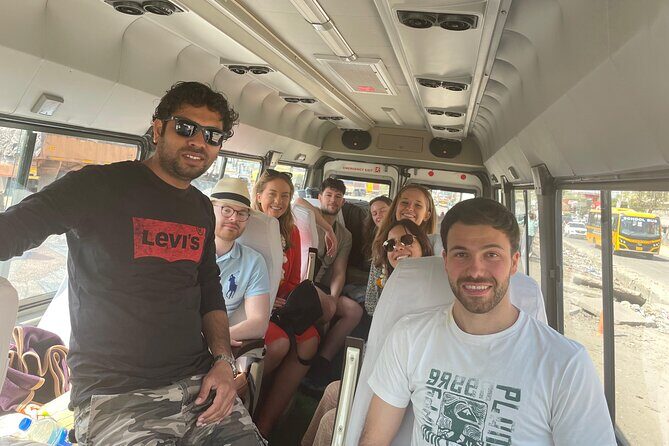
Then the pace changes. Udaipur is introduced as an early drive with hotel check-in, local markets time, and dinner flexibility (since lunch and dinner aren’t included in the plan, you can choose where you want to eat).
Day 7 centers on Lake Pichola with optional boating time (the plan describes a private boat ride around the lake, stopping near Jagmandir Palace island). That boat element is often what makes Udaipur feel different from other Rajasthan cities. You don’t just look at buildings—you see how they sit on the water.
You’ll also visit:
- City Palace along the lake: time for views plus collections like weapons and historical artifacts.
- Jagdish Temple inside the City Palace complex: Indo-Aryan style architecture.
- Bagore Ki Haveli Museum: the plan explicitly allows you to skip if you don’t want the stop, which is great for pacing.
In Udaipur, I’d treat the lake as your anchor. Even when you’re visiting temples and palaces, the lake views keep the city feeling calm rather than frantic.
Jodhpur’s forts and royal museums: Mehrangarh, Umaid Bhawan, Jaswant Thada
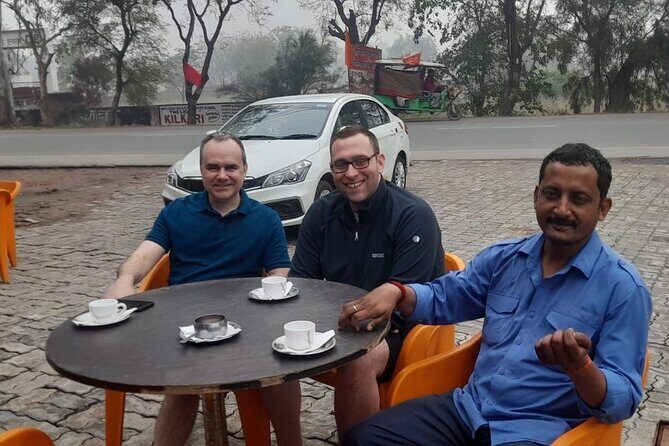
Jodhpur is introduced with a drive into the Blue City area and then time around the Clock Tower Market. That’s a nice way to settle in—see a central landmark and get your bearings before the big fort day.
The next day is for royal scale:
- Mehrangarh Fort: a 15th-century fort museum set on a rocky outcrop, with weapons, paintings, and royal palanquin displays.
- Umaid Bhawan Museum: tied to the palace residence concept, with the tour describing it as one of the world’s largest private residences and noting its dun-coloured sandstone style.
- Jaswant Thada: the tour even calls it the Taj Mahal of Jodhpur, framing it as a marble cenotaph/memorial.
Jodhpur’s best quality is how the town and fort line up visually. Even if you’re not a museum person, Mehrangarh gives you context for why Jodhpur has such a strong identity. Pair that with the marble memorial style of Jaswant Thada and you get a good mix of defensive power and ceremonial beauty.
Jaisalmer: Golden Fort living spaces, ornate havelis, and Thar desert night
Jaisalmer is often the emotional payoff of this route. The tour frames it as a “Golden City” tied to camel trade routes, and then you get the architecture that grew from merchant wealth.
You’ll start with:
- Jaisalmer Fort: described as a living fort with local residents still inside.
- Kothari’s Patwaon-Ki-Haveli, Salim Singh-ki Haveli, and Nathmal Ji Ki Haveli: the plan lists these as ornate sandstone residences with detailed facades and jaali work.
Then there’s Gadisar Lake, described as originally constructed by Raja Rawal Jaisal and later reconstructed by Maharawal Gadsi Singh in 1367 AD.
The evening is where Jaisalmer shifts into desert mode. You’ll go for a desert safari with an overnight stay setup for the region (the plan calls it a Thar desert visit with an overnight stay in hotel). Even if you’re just looking forward to sunset photos and a break from city heat, this part makes the trip feel like more than temples and forts.
Pushkar’s slow spiritual rhythm: Brahma Temple and Brahma Ghat rituals
Pushkar is the tour’s final tone change. It’s not about grand scale like forts; it’s about a smaller, religiously focused atmosphere.
You’ll check into your hotel on arrival, then visit the:
- Brahma Temple: noted as famous for architecture and mythology, and mentioned as one of the rare Brahma temples in the world.
- Pushkar Lake and Brahma Ghat: the plan includes the idea of prayers for happiness and tribute for the dead souls at Brahma Ghat, plus photography and blessing rituals.
If you want to end the trip in a calmer mood, Pushkar is a good choice. It lets you put your last photos somewhere meaningful, not just landmark-based.
Price and logistics: where the $720 value really comes from
At $720 per person, what you’re paying for isn’t just transportation—it’s the package of private guiding plus the “travel friction” reduction.
Here’s the honest value breakdown based on what’s included:
- Private air-conditioned vehicle with driver for the whole route
- Hotel or airport pickup and drop-off
- All sightseeing with private local guides
- 9 nights accommodation if you choose the hotel-included option
- Daily breakfast (9 breakfasts listed)
- Battery bus to and from Taj Mahal parking to the monument
- Bottled mineral water during journeys
What’s not included is equally important:
- Monument entrance fees
- Lunch and dinner
- Tips for driver and guide
- Flights/trains and travel insurance
So the real budgeting question is this: can you handle paying for sites separately while enjoying guided access and private timing? If yes, the price can feel fair because you’re not paying extra for the driver and guides day-by-day. If you want a fully “all-in” experience where you never think about tickets or meals, this plan will likely feel like it needs extra money.
Also, room setup can affect value. The plan notes twin-sharing as the norm, and if you book three people, it defaults to triple-sharing unless you pay for two rooms. If you’re traveling as a group, this is where the “private but still group-shaped” nature of tours matters.
Who this private Golden Triangle plus Rajasthan tour suits best
This works best if you:
- want guided context for major UNESCO and palace/fort landmarks
- like a clear route that still keeps things private
- prefer being driven with planned stops rather than figuring out intercity transport yourself
- want both classic monuments and a Rajasthan desert contrast in one trip
It might be less ideal if you:
- hate early mornings (sunrise Taj is in the plan)
- want lots of free time with no structure (the plan is sightseeing-forward)
- have a strict “ticket budget” and don’t want to add monument fees during the trip
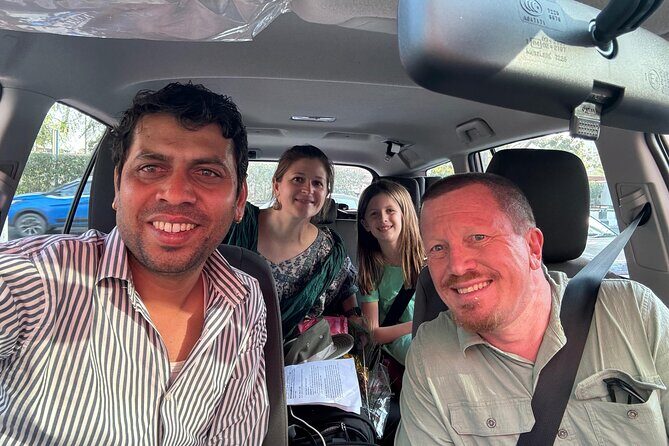
As with any tour, quality depends on your driver and guide. The pattern in the provided feedback highlights punctual, professional driving—names like Surendra, Vinod, and Maan come up. That said, there’s also an outlier complaint about communication and safety, and the provider disputed it. So do yourself a favor: make sure your schedule, pickup details, and guide contact are confirmed in writing before you leave.
Should you book this tour?
If your goal is to see the big sights—Delhi through Agra to Rajasthan forts and lakes—and you want it organized with private guides and private transport, I think this is a strong pick. The two Taj experiences, the battery bus comfort, and the desert and Pushkar ending are the parts that tend to stick.
If you’re the type who hates paying entrance fees on top of the base price, or you want more breathing room and less daily structure, you’ll need to plan your ticket budget and energy level carefully. For most first-timers who want maximum value per day without feeling completely rushed, this one fits well.
FAQ
What does the tour price include?
The plan includes private air-conditioned transport with a driver, hotel/airport pickup and drop-off, sightseeing with private local guides, mineral water during journeys, and (if you book with hotels) 9 nights of accommodation and daily hotel breakfast (9). It also includes a battery bus ride to and from Taj Mahal parking.
Are monument entrance fees included?
No. Monument entrance fees are listed as not included, so you should expect to pay ticket costs at different sites.
Is this a private tour or a group tour?
This is a private tour/activity. Only your group will participate.
Do I get help with airport arrival and departure?
Yes. Hotel or airport pickup and drop-off are included, and the tour starts at Indira Gandhi Intl Airport in New Delhi.
Is there a battery bus for the Taj Mahal?
Yes. The plan includes a battery bus ride to and from the Taj Mahal parking lot up to the Taj Mahal monument.
What kind of vehicle will I ride in?
It depends on group size: a 4-seater sedan for groups of 1–2, a 6-seater wagon for groups of 3–4, and a 10-seater minivan for groups of 5–10.
Is accommodation included in the package price?
Accommodation is included only if you book the option that includes hotels. The plan lists 9-nights accommodation (if that option is selected).
How are rooms usually assigned?
Rooms are generally twin-sharing. For a booking of 3 people, rooms are provided on triple-sharing by default. If 3 guests want 2 rooms, there may be an additional charge.
What about cancellation?
Free cancellation is available. You can cancel up to 24 hours in advance for a full refund; within 24 hours, the amount paid is not refunded.