REVIEW · PUSHKAR
Afternoon Walk Tour with Sunset & Fire Ritual -The Pushkar Route
Book on Viator →Operated by THE PUSHKAR ROUTE · Bookable on Viator
Pushkar turns magical right after 4 pm. This 3-hour sunset walk strings together major sacred stops and quieter lanes, ending with a fire ceremony that feels like the heart of the evening. You also get live music along the way, so the whole route carries momentum instead of turning into a checklist.
I love the value here: for $7 per person, you’re not just walking. You’re getting a guide, hot drinks and snacks, and admission tickets for several key sites. That makes it a smart pick if you want the highlights without spending the evening trying to figure it all out.
One thing to consider: this is a walking-focused route through temple areas and ghats, with short time blocks at each stop. If you prefer to linger quietly for long stretches, you may feel a little rushed.
In This Review
- Key highlights that make this tour worth your time
- A 4 pm start that fits the way Pushkar actually feels
- Your walking route: a practical tour of Pushkar’s sacred core
- Varaha Temple: Vishnu in one of Pushkar’s older sacred frames
- Gurudwara Sahib: understanding why Pushkar matters beyond Hinduism
- Pushkar Lake and the sunset point: where the town gathers
- Brahma Ghat fire ceremony: the main event of the evening
- Atamteshwar Mahadev Mandir: an underground Shiva cave with Hemadpanti carvings
- Brahma Ghat again: offerings and prayers for family and ancestors
- Brahma Temple: the world’s only temple dedicated to Brahma
- Rangji Temple near Varaha Ghat and the push into Main Market lanes
- The guide makes the difference, and you can feel it
- Price and value: $7 is cheap for this much structure
- Who should book this sunset walk, and who might prefer something else
- Quick tips for getting the most from the 3-hour route
- Should you book The Pushkar Route sunset and fire walk
- FAQ
- FAQ
- What time does the tour start?
- How long is the experience?
- Is pickup offered?
- How many people are in the group?
- Are hot drinks and snacks included?
- Does the tour include a fire ceremony and live music?
- What major sites are visited during the walk?
- Are admission tickets included?
- What is the cancellation policy?
Key highlights that make this tour worth your time
- Small group limit of six means you actually get answers, not just a herd moving down narrow lanes
- Hot drinks and snacks keep your energy up during the sunset timing
- Live music plus the fire ceremony gives you a real Pushkar evening atmosphere, not just photos
- Temple-to-ghat flow takes you from Vishnu and Shiva sites to the lakeside ritual area
- Multiple faith perspectives with a Sikh stop at the Gurudwara Sahib
A 4 pm start that fits the way Pushkar actually feels
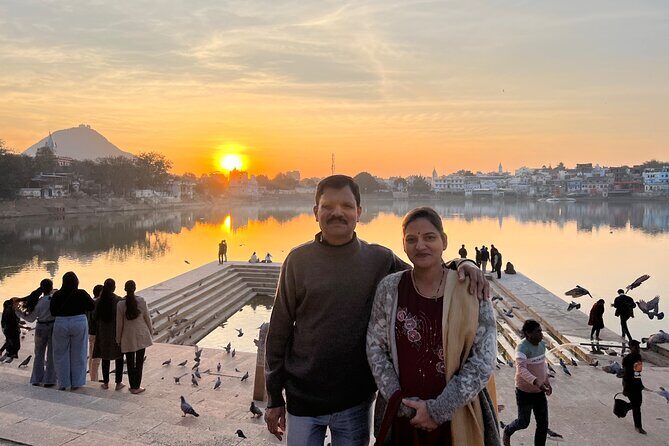
This tour starts at 4:00 pm and runs about three hours. That timing matters in Pushkar. The town’s spiritual energy shifts as the light drops, and the route is built around that change. You’re not arriving late for the best moment, and you’re not stuck out so long that you lose your evening.
Also, Pushkar rewards momentum. The streets and ghats can be confusing if you’re trying to plan on your own. This kind of guided route helps you move with purpose, especially when you’re aiming for sunset plus an evening ritual in one go.
If you’re visiting Pushkar for the first time, or you want your introduction to be simple, this format is ideal. It’s also a great fit for a mixed group, since the stops include Hindu temples and a Sikh place of worship.
You can also read our reviews of more walking tours in Pushkar


Your walking route: a practical tour of Pushkar’s sacred core
The itinerary is designed like a chain of sacred waypoints. Each stop is short, then you’re moving again. Here’s how the day-to-evening storyline plays out.
Varaha Temple: Vishnu in one of Pushkar’s older sacred frames
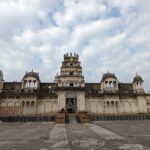
The route begins at the Varaha Temple, dedicated to Lord Vishnu. The temple is considered one of the eight Swayambhu Kshetra of Vishnu, and it’s linked to a history that reaches back to the 12th century, associated with King Anaji Chouh. Admission is included, so you don’t have to handle ticket details early.
Why this start works: it sets the tone. Varaha is tied to a deep Vishnu connection, and the guide’s explanations (many visitors highlight the clarity of the guide’s English and the way details are explained) help you understand what you’re looking at instead of just seeing stone and carvings.
Possible drawback: early in the route, you may still be adjusting to the walking pace. Take your time entering with a calm headspace, because later the ghats and ceremony energy will feel bigger.
Gurudwara Sahib: understanding why Pushkar matters beyond Hinduism
Next is Gurudwara Sahib, where you learn Sikh history and beliefs, plus why Pushkar is sacred within Sikh tradition. Admission is free here, and the stop is about 20 minutes.
This matters because Pushkar is not only a Hindu pilgrimage magnet. Seeing how the town fits into Sikh devotion helps you avoid a too-narrow first impression. It also sets you up for the evening rituals later, because you start noticing how different traditions shape similar devotional behavior like prayer, gathering, and respect.
Practical note: this stop is more about context than monuments. If you like explanations that turn religious architecture into something understandable, this part will land well.
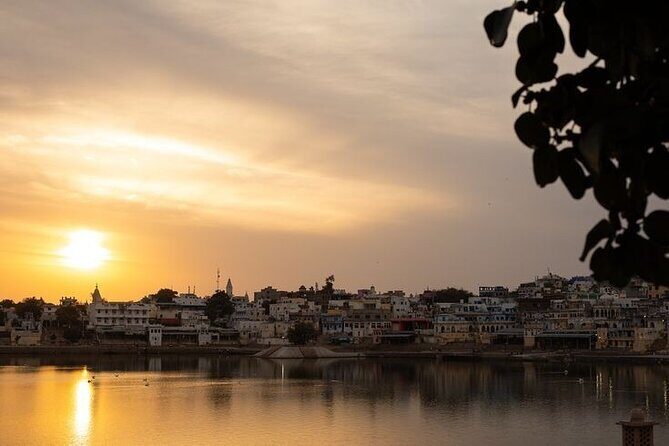
Pushkar Lake and the sunset point: where the town gathers
Then comes Pushkar Lake, including time at the sunset point, also known as Raj Ghat. You get around 20 minutes here. The ghat’s roots go back to the early 16th century, linked to Amer Raja Mann Singh I, with later renovation in the 18th century by Jai Singh.
The real reason to come at this hour is the atmosphere. You’re positioned near the water just as the light changes. Many people specifically point to enjoying the sunset over the lake and the music atmosphere during this stretch.
What I like about this setup: it gives you a breather between temples and the final ceremony. Even if you don’t memorize every fact, the change in mood is easy to feel.
One consideration: sunset time can mean crowds. You may not get a perfectly empty view, but you will get energy.
You can also read our reviews of more evening experiences in Pushkar

Brahma Ghat fire ceremony: the main event of the evening
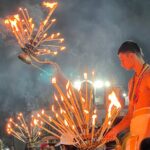
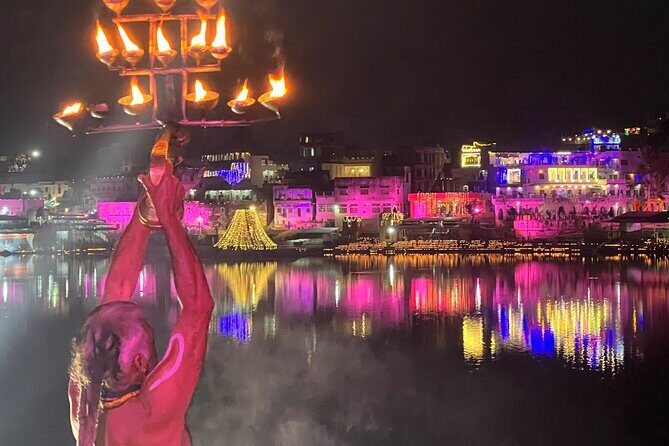
This is the star of the show: Brahma Ghat, where you experience the evening Aarti and the fire ceremony. You’ll spend about 30 minutes here, and admission is included.
This part works because it’s not just something to watch from far away. It’s participatory in spirit, and you get close enough to feel the ritual rhythm. Several reviews mention that the fire ceremony is brilliant, memorable, and moving, and others call out the drum players and live music as a standout.
If you’re coming to Pushkar specifically for an authentic evening ritual experience, this is the section you’ll talk about afterward. It’s also the one portion that can’t be replicated by looking at photos later.
Possible drawback: fire and incense can be intense. If smoke bothers you, you might want to keep your expectations realistic and give yourself a little space when the ritual reaches its peak.
Atamteshwar Mahadev Mandir: an underground Shiva cave with Hemadpanti carvings
Next is Atiy Prachin Shri Atamteshwar Mahadev Mandir, a Shiva temple built in the 12th century AD. It’s an underground cave temple known for intricate Hemadpanti architectural carvings.
Time here is shorter, about 15 minutes, but that’s enough to register what makes it special: you’re seeing a specific style of stone work and a cave-temple approach that feels very different from the open-air ghats. Admission is included.
What makes this stop valuable: it balances the evening intensity with something quieter and more architectural. If you’ve got even a mild interest in how temples are shaped, this is a strong contrast.
Consideration: underground spaces can feel cooler and more enclosed. You’ll likely be fine, but it’s worth knowing the vibe is different.
Brahma Ghat again: offerings and prayers for family and ancestors
After the cave temple, you return to Brahma Ghat for another segment of about 20 minutes. This is a walking stretch along the ghats toward the ghat area where you can offer ceremonies for your family and make special prayers for ancestors. Admission is free here.
I like this second visit because it shifts from watching to doing. Even if you don’t perform every ritual action, the guidance helps you understand what offerings mean in the context of Pushkar’s lake culture.
Practical takeaway: this portion can feel more personal than the earlier sightseeing stops. If you’re the kind of person who appreciates reflection, you’ll likely enjoy this moment more than another photo stop.
Brahma Temple: the world’s only temple dedicated to Brahma
Then you move to Brahma Temple, described as the only temple in the universe dedicated to Lord Brahma. The structure dates to the 14th century and was partly renovated later. You’ll see black and white marble stones and detailed features shaped for Brahma devotion. You get about 30 minutes, and admission is included.
Even if you’re not a deep mythology tracker, this temple is easy to grasp because it’s specific: Brahma has a clear devotional identity here. It’s also a nice pause from the lake area before you shift back into street life.
One thing to note: the “only” claim is part of the tour description, so treat it as that presentation’s framing rather than a fact you’d cite in an academic setting.
Rangji Temple near Varaha Ghat and the push into Main Market lanes
The route includes a stop near Varaha Ghat for the old Rangji Temple, described as around 200 years old and dedicated to Lord Vishnu. After that, the tour heads toward Pushkar Main Market through narrow lanes with spots for photography.
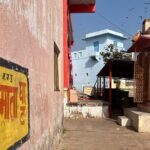
You’ll pass Halwai Gali, known for malpuas, and reach Gandhi Ghat. The market stop is about 20 minutes and admission is free.
Why I think this ending matters: it gets you out of the sacred bubble and back into real Pushkar life. You see the lane rhythm, the snack culture, and the ghat’s role as a social space too.
Possible drawback: if you’re mainly focused on rituals, the market portion can feel less spiritual and more “see the town.” On the other hand, it’s a good way to finish with a sense of place.
The guide makes the difference, and you can feel it
This tour lives or dies on the guide’s ability to connect religious meaning to what you’re seeing in front of you. The reviews are heavy on this point, and two guide names come up often: Manish and Vishwanath.
What stood out in the feedback is not just English quality, but the way the guide explains the philosophy of temples and answers questions patiently. One review also notes that guidance before the tour helped people know what to do and what to avoid while roaming Pushkar. That kind of prep can save you time and confusion later.
There’s also mention of something called a Pushkar passport. In at least one group experience, it was referenced without a hard sell, and blessings at the lake were described as optional. Translation: you can treat this as a cultural education with participation as you choose, not as a pressure sales pitch.
Price and value: $7 is cheap for this much structure
At $7.00 per person, this is one of those rare tours that looks underpriced for what you get. It’s about three hours, it stays small (max six), and it includes hot drinks and snacks.
On top of that, admission is included for several major stops, including Varaha Temple, the Brahma Ghat fire ceremony section, Atamteshwar Mahadev Mandir, and Brahma Temple. Other stops listed as free include Gurudwara Sahib, Pushkar Lake, part of Brahma Ghat for offerings, and the Main Market area.
So the real value isn’t only the low price. It’s that you’re paying for direction, meaning, and access to the key evening moment without building your own itinerary from scratch.
One more detail: the tour is commonly booked about 26 days in advance on average, which suggests it’s popular. If you’re traveling during peak months, don’t wait until the last minute.
Who should book this sunset walk, and who might prefer something else
Book it if:
- You want an efficient way to see major Pushkar highlights without planning each stop
- You want sunset and an evening fire ceremony as part of the same plan
- You’d like context on temple and lake traditions, including a Sikh stop
- You prefer small groups over big bus-style touring
Skip it (or think twice) if:
- You dislike walking on ghats and through temple areas with uneven footing
- You need long, quiet stays at each site instead of short, timed viewing
- Fire ceremonies and incense feel like an uncomfortable environment for you
Quick tips for getting the most from the 3-hour route
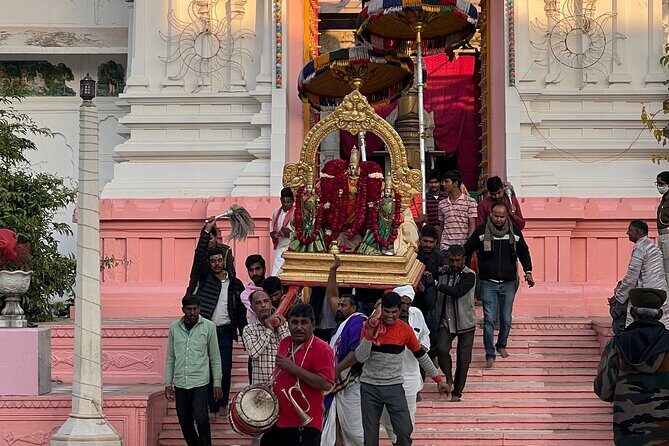
- Go in with a flexible mindset. Short stops mean you’ll get impressions fast, then move on.
- Save your big questions for the guide moments. This route is built for Q and A, especially in a group of six.
- Expect the finale to be the emotional peak. If you’re trying to prioritize, focus on Brahma Ghat and the Aarti segment.
- Bring patience for crowds around the lake and ceremony area when the evening builds.
Should you book The Pushkar Route sunset and fire walk
I’d recommend booking this if your goal is a guided Pushkar experience that hits both the spiritual sights and the sunset energy, without you doing the homework. The combination of small group size, hot drinks and snacks, and a real fire ceremony makes the $7 price feel realistic as a bargain.
If you’re okay with a faster pace and you want your Pushkar evening to feel organized and meaningful, this is a strong choice. For anyone who wants a self-planned route, you might spend time piecing things together and still end up missing the rhythm that comes from doing it with a guide.
FAQ
FAQ
What time does the tour start?
The tour starts at 4:00 pm.
How long is the experience?
It lasts about 3 hours.
Is pickup offered?
Yes, pickup is offered.
How many people are in the group?
The tour has a maximum of 6 travelers.
Are hot drinks and snacks included?
Yes. Hot drinks and snacks are provided to help you stay energized.
Does the tour include a fire ceremony and live music?
Yes. It includes live music and an evening fire ceremony (Aarti at the ghat).
What major sites are visited during the walk?
You visit Varaha Temple, Gurudwara Sahib, Pushkar Lake (sunset point), Brahma Ghat, Ati Prachin Shri Atamteshwar Mahadev Mandir, Brahma Temple, a Rangji Temple near Varaha Ghat, and Pushkar Main Market with stops near Gandhi Ghat and Halwai Gali.
Are admission tickets included?
Admission tickets are included for some stops, including Varaha Temple, Brahma Ghat (fire ceremony section), Ati Prachin Shri Atamteshwar Mahadev Mandir, and Brahma Temple. Other listed stops are free, including Gurudwara Sahib, Pushkar Lake, Brahma Ghat (offerings/prayers section), and Main Market.
What is the cancellation policy?
Free cancellation is available up to 24 hours in advance for a full refund. If you cancel less than 24 hours before the start time, the amount paid is not refunded.