REVIEW · PUSHKAR
Spiritual Walking tour with Puja Ceremony -The Pushkar Route
Book on GetYourGuide →Operated by The Pushkar Routes · Bookable on GetYourGuide
Three hours in Pushkar can feel like a week. This spiritual walking tour takes you through real lanes and sacred stops, ending with a guided puja ceremony moments that make the whole town click.
I love that it is shopping-free, so the route stays focused on temples, ghats, and everyday life along the water. I also love the food timing: you get masala tea and Pushkar-style pancakes, plus a lemon tea pause with a view over the lake.
The main consideration is practical: you’ll be walking in and around temple steps and ghat edges, and oversize luggage isn’t allowed (good news: lockers are included for bags and cameras). Wear easy clothes and sandals or sleepers so you’re not thinking about your feet the whole time.
In This Review
- Key highlights I’d prioritize
- Starting with faith, not a ticket booth: Sikh Temple to the 11th-century Varaha
- Varied temples, one walking rhythm: how the Old Vishnu and other stops fit together
- Jaipur Ghat for photos and perspective: where the lake starts to tell the story
- The Brahma Temple: the one stop that changes your understanding fast
- Brahma Ghat and Gau Ghat: the puja side of Pushkar (and how to participate respectfully)
- Food and tea breaks that feel local, not touristy
- What to wear and pack: the walking-day rules that keep things smooth
- Price and value: what $6 buys in real time
- Who should book this Pushkar spiritual walk
- Should you book The Pushkar Route?
- FAQ
- How long is the Pushkar Route spiritual walking tour?
- What is included in the tour price?
- Is the tour shopping-free?
- Where does the tour start?
- Is there a puja ceremony in this experience?
- Is the guide available in English?
- Can I bring large luggage?
- What is the cancellation policy?
Key highlights I’d prioritize
- Shopping-free route so you spend time where it matters, not in stores
- Sikh Temple to Varaha Temple to Old Vishnu Temple for a full picture of faith in town
- Brahma Temple visit with context (it’s the world’s only Brahma Temple)
- Brahma Ghat and Gau Ghat for the ritual side of Pushkar
- Photo-friendly stops at Jaipur Ghat and along the lake lanes
- Included food and tea: masala tea and famous pancakes, with an extra lemon tea moment
Starting with faith, not a ticket booth: Sikh Temple to the 11th-century Varaha
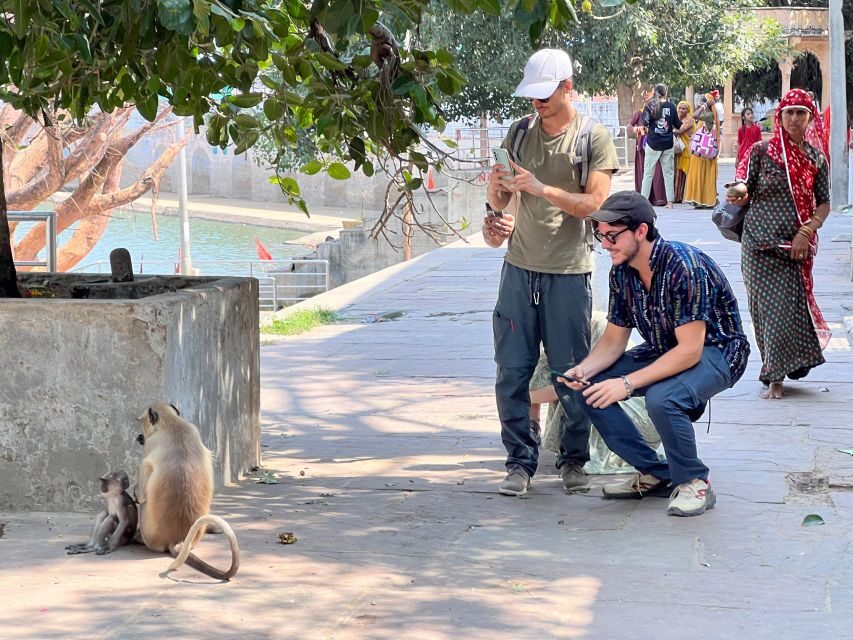
The tour begins with a simple idea that works: start with a religious place that sets the tone, then keep walking until you understand why Pushkar feels the way it does. You typically start at the Sikh Temple area, and that’s a smart first move. It signals that this is not one-faith-in-a-vacuum kind of town. You’re seeing how different traditions share space and daily routines.
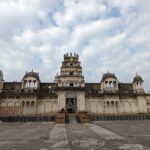
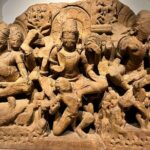
From there, you move into the temple circuit. One early standout is the Varaha Temple, an 11th-century site. Even if you’re not a hardcore history person, these older stone temples hit differently in person: you feel the permanence. Your guide connects the architecture and the stories so you’re not just looking at carvings—you’re learning how people read meaning into them.
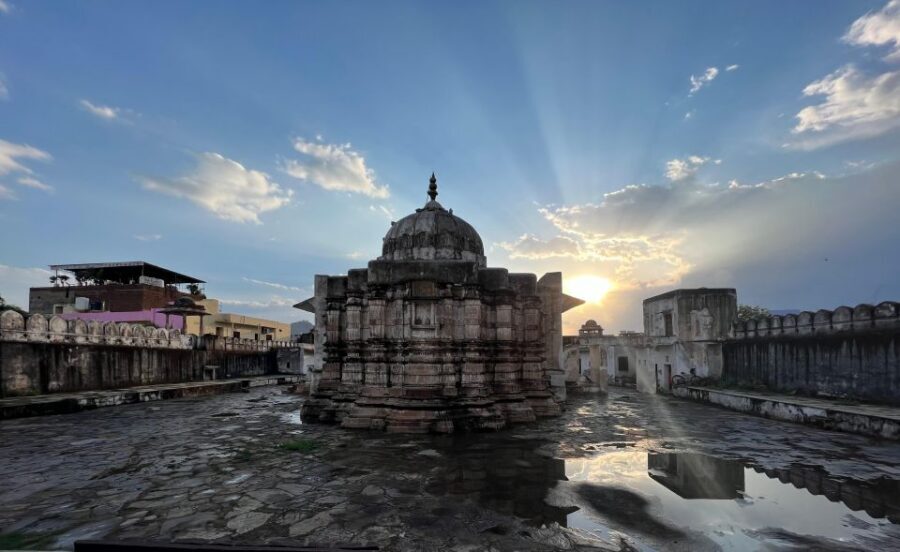
Then you shift to the Old Vishnu Temple, known for its architecture. This is the kind of stop that helps you understand what you’d otherwise miss if you wandered alone with only Google maps. You learn what to notice and why it matters, which is the whole point of paying attention on a short walking tour.
You can also read our reviews of more walking tours in Pushkar



Varied temples, one walking rhythm: how the Old Vishnu and other stops fit together
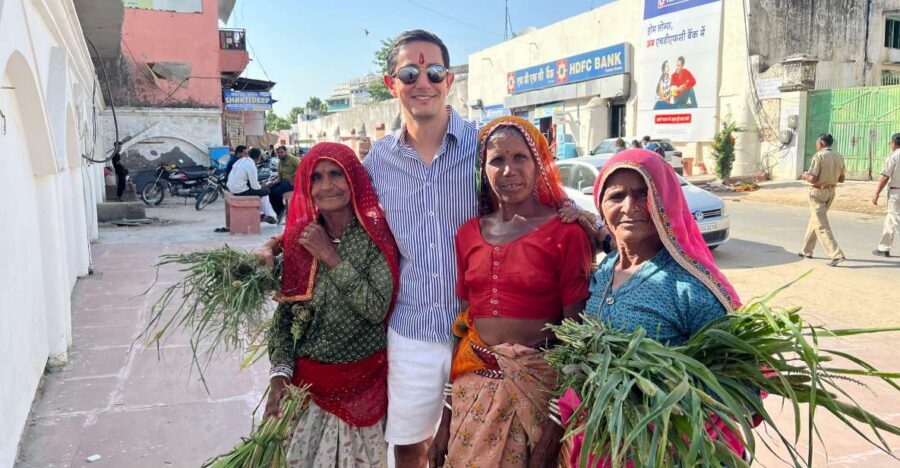
Pushkar’s spiritual layout can feel confusing at first because temples pop up close to one another, and ghats crisscross the scene. The route makes it easier by giving you a walking rhythm: each stop explains a piece, and the next stop builds on it.
At the Old Vishnu Temple, the emphasis is on reading the building like a text. You’ll get help spotting the details that catch your eye, then learning how those details connect to beliefs and worship. It’s a good place to slow down, because architecture rewards patience.
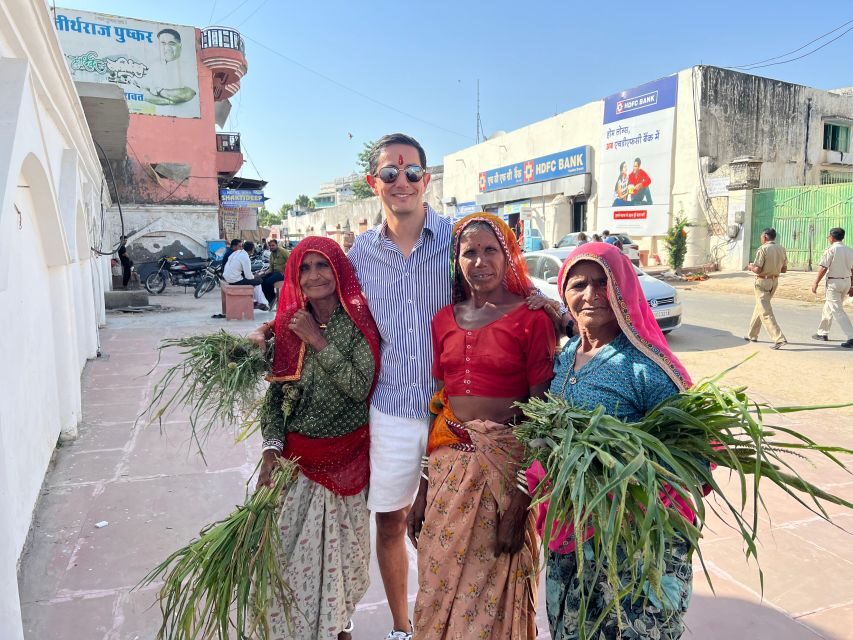
As you continue, you’re also learning the everyday side of sacred town life. The tour includes walking through local lanes where you can see how daily activity and temple life overlap—people moving, shops working, and pilgrims doing what they came to do. This is where the tour earns its name. You’re not just checking monuments; you’re watching the town in motion.
If you want a quick strategy: keep your questions for the guide during calmer moments between temples. That’s when you’ll get clear explanations instead of rushing.
Jaipur Ghat for photos and perspective: where the lake starts to tell the story
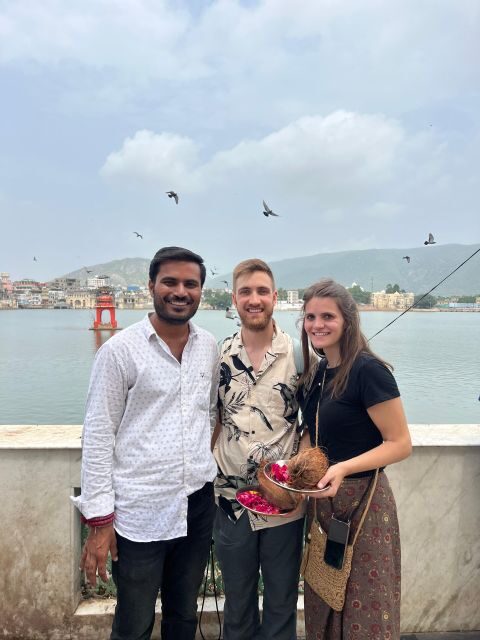
At Jaipur Ghat, the focus turns practical: it’s a photography spot, but also a perspective spot. The lake is the gravity of Pushkar. You can feel it even before you fully understand the ritual logic.
This is also where the tour gives you a small break that makes a difference. You get lemon tea with a view of the lake. It’s not a random stop for caffeine. A sit-down moment near the water helps your brain reset, and then the later ritual stops land better because you’ve already connected the scenery to what the ceremony means.
Photo-wise, this is the kind of location where you can take good shots without running around. You’ll likely want to pause for a few minutes at different angles so you catch both the waterline and the temple-and-people framing.
If you’re bringing a camera, this is a good moment to use the included lockers earlier in the tour. That way, you’re not juggling bags while walking the crowded ghat lanes.
The Brahma Temple: the one stop that changes your understanding fast
The tour’s big spiritual anchor is the Brahma Temple, often described as the world’s only Brahma Temple. That doesn’t mean it’s only interesting because it’s rare. It’s interesting because it pushes you to think differently about how Hindu worship works in a town built around a sacred water source.
What helps most is that you don’t just arrive and stare. Your guide explains what you’re looking at and how the temple fits into the broader Pushkar story. That context matters because the temple environment can move quickly: people enter, pray, and move on. Without an explanation, it’s easy to feel like you’re watching a ceremony you can’t interpret.
Your guide is also a key part of the experience around the temple area. There can be annoying pressure from people trying to sell something or pull you into their version of what you should do. The guide can help you navigate politely and avoid getting pulled off track when your goal is to understand and participate with respect.
If you want to join rituals later, this is the moment to listen and ask how to behave. It makes the rest of the walking feel intentional, not chaotic.
Brahma Ghat and Gau Ghat: the puja side of Pushkar (and how to participate respectfully)
The final stretch shifts from temples-as-architecture to temples-as-worship. The route includes visits to Brahma Ghat and Gau Ghat, and those stops are where the meaning becomes physical.
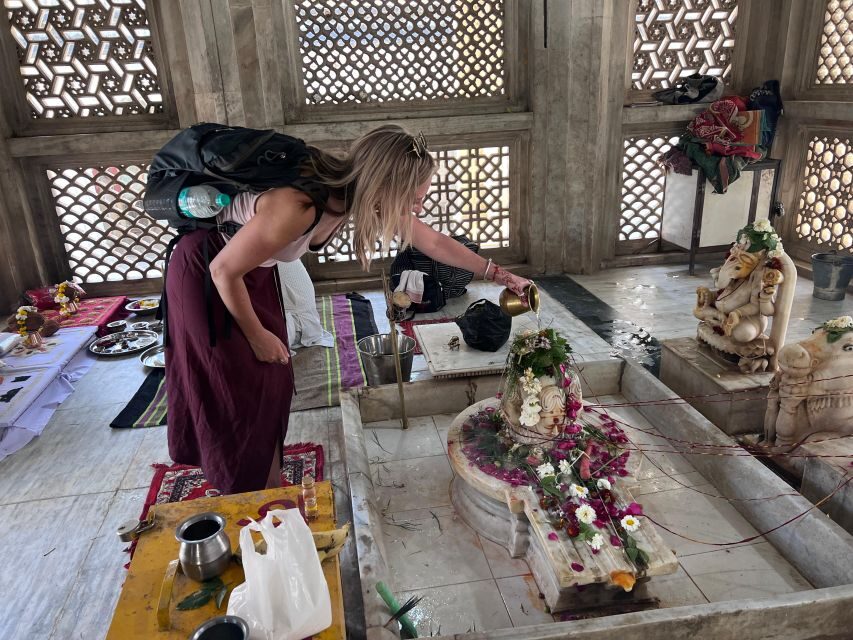
This is also where the puja ceremony comes in. You’ll be guided through the ritual in a way that helps you understand what you’re seeing before you take part. That order is important. In a sacred place, doing things blindly can feel awkward for you and disruptive for others. With a guided explanation, you can participate more calmly.
Even if you’re not planning to actively join every step, watching the flow with the guide’s explanation turns the experience into education you can feel. You see why people come to the lake, how offerings and prayers connect to belief, and what matters in the moment.
For me, this is the part that separates a quick sightseeing walk from something that lingers. The ghat space is intimate. It’s not staged. People are there for personal reasons, and the ceremony atmosphere helps you slow down and pay attention.




Food and tea breaks that feel local, not touristy
One reason this tour works so well for short stays is that it feeds you in the right places. You’re not left hunting for snacks between temples. Instead, the stops are timed so you can eat, hydrate, and keep moving.
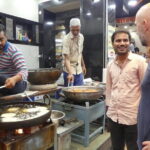
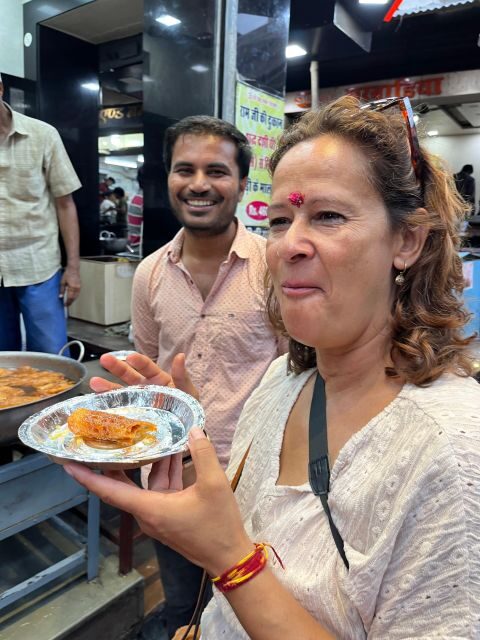
Included in the tour are Pushkar famous pancakes and masala tea. You’ll also have at least one local tea moment: the lemon tea stop with a lake view.
The pancake-style food in Pushkar has its own personality, and the tour’s wording points you toward something simple but satisfying. It’s the kind of food that’s easy to eat while still staying respectful of the surroundings and continuing the walk without turning the day into a long meal.
Practical tip: if you’re sensitive to spice or unfamiliar flavors, take small bites at first. Masala tea is usually a warm, soothing choice, and it can balance the sensory overload of temples, crowds, and camera moments.
What to wear and pack: the walking-day rules that keep things smooth
You’ll have a better time if you follow the basics the tour recommends. Wear easy, comfortable clothes because you’ll be moving between temples and ghats. Plan for a lot of steps and short bursts of walking on uneven ground.
For footwear, sandals or sleepers are the sensible choice. You’ll often be in and around spaces where quick, practical footwear matters.
Leave the heavy stuff. Oversize luggage isn’t allowed, and the tour includes lockers for luggage and cameras so you can travel light and stop worrying about your bag while you pray or take photos.
A small tip that saves hassle: bring only what you need for the walk—water and your camera if you want photos—then use the lockers at the right time. That keeps you mobile and respectful.
Price and value: what $6 buys in real time
At $6 per person for a 3-hour guided walking tour, the value is less about the number and more about what’s included. You get hotel pick-up and drop-off, entry tickets to temples and palaces of interest, water bottles, lockers for luggage and camera, and included food—pancakes and masala tea.
In other words, you’re not assembling your own day from scratch. In Pushkar, temple entry and guided context can add up fast when you plan solo. Here, the structure is built for short stays: you visit major stops like the Sikh Temple, Varaha Temple, Old Vishnu Temple, Jaipur Ghat, Brahma Temple, and the Brahma and Gau ghats without wasting hours figuring out what matters.
If you care about understanding what you’re seeing, the low price makes this feel like a cheat code. If you only want photos and don’t care about ceremony context, you might feel like you’re spending money on explanation. But if you enjoy learning how people practice faith in daily life, $6 is a bargain.
One more value point: it’s described as a shopping-free tour, so your time stays on the real route instead of turning into a retail schedule.
Who should book this Pushkar spiritual walk
This tour is a strong fit if you want:
- A short introduction to Pushkar’s sacred geography
- A route that connects temples + ghats + ceremony behavior
- A guide who adapts pace and gives practical photo opportunities
- Included food and tea so you don’t lose time searching for snacks
It’s especially good for people who feel uneasy doing religious spaces on their own. Having Vishwanath Parashar—often called Manish—lead the walk makes the town feel less like a maze and more like a story you can follow.
If you’re traveling with very limited walking tolerance, you’ll need to think twice. The tour is built around walking between several key places, so plan for steps and uneven surfaces.
Should you book The Pushkar Route?
Yes, if you want the Pushkar experience that feels like you understand what you’re seeing, not just where to stand for a photo. The mix of Brahma Temple, lake ghat ritual, and practical temple-to-temple pacing is exactly what you want when you only have a few hours.
I’d skip it only if your goal is purely casual sightseeing with zero interest in ceremony context. Otherwise, this tour is good value, it keeps the schedule focused, and it gives you enough structure to feel confident while you’re in sacred spaces.
If you book, show up ready to walk, bring sandals, and plan to ask questions. That’s where the tour pays off most.
FAQ
How long is the Pushkar Route spiritual walking tour?
The tour duration is 3 hours.
What is included in the tour price?
The tour includes hotel pick-up and drop-off, entry tickets to temples and palaces of interest, lockers for luggage and camera, water bottles, Pushkar famous pancakes, and masala tea.
Is the tour shopping-free?
Yes. The tour is described as shopping-free with no shopping stops.
Where does the tour start?
The tour starts from the Sikh Temple area. Hotel pick-up is offered, and if you are not picked up from your hotel, the best meeting point is shared before the start.
Is there a puja ceremony in this experience?
Yes. The experience is a spiritual walking tour with a puja ceremony, including ritual stops around the Pushkar lake ghats.
Is the guide available in English?
Yes. The tour includes a live guide in English.
Can I bring large luggage?
No. Oversize luggage is not allowed. Lockers are provided for luggage and cameras.
What is the cancellation policy?
Free cancellation is available up to 24 hours in advance for a full refund.