REVIEW · RISHIKESH
From Delhi: Private Rishikesh and Haridwar Day Tour by Car
Book on GetYourGuide →Operated by Zaara Travels · Bookable on GetYourGuide
That early start really changes everything.
This private Delhi to Haridwar and Rishikesh trip is built around one big idea: you get a live guide and a private vehicle, so you’re not stuck figuring out timings or where to go next. You’ll see major Ganga River stops in Haridwar and Rishikesh, and you’ll aim for the Ganga Aarti experience at Har Ki Pauri, when the light, the chants, and the floating lamps all hit at once.
Two things I like a lot: the plan includes key spiritual landmarks instead of random shopping stops, and you get a smooth rhythm with stops mapped for sightseeing (Har Ki Pauri, Mansa Devi Temple, then Rishikesh highlights). The other strong point is practical—pickup options and drop-offs around Delhi NCR make this easier than piecing together public transport. One consideration: it’s a long day—5:00 AM pickup and a return around 10:00 PM—so plan for a serious early start and lots of time on the road.
Key highlights worth your attention
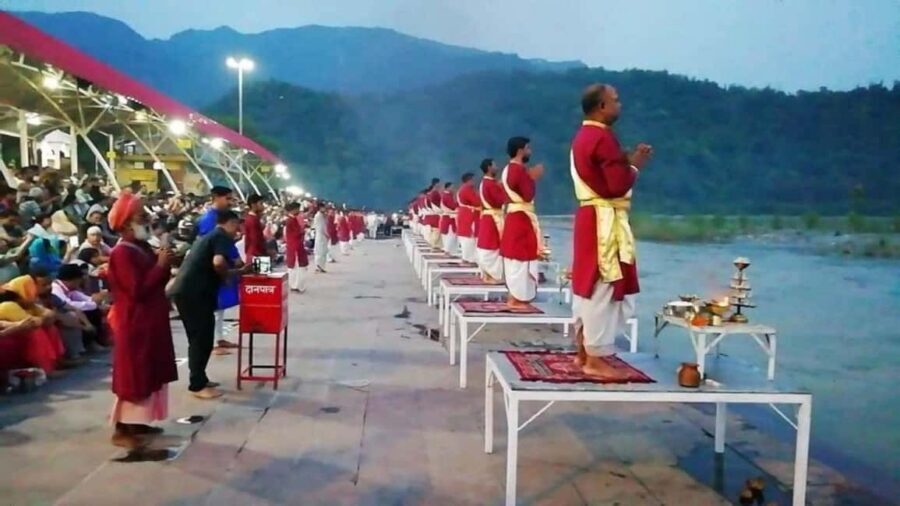
- Har Ki Pauri Ganga Aarti: golden lamps, priest chants, and devotees doing the traditional hand-over-flame ritual.
- Haridwar ghat hopping: you’ll focus on sacred bathing spots and temples tied to Ganga worship.
- Mansa Devi Temple viewpoint: famous for wide outlooks over Haridwar and connections to the holy triangle of Chandi Devi and Maya Devi.
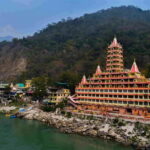
- Rishikesh essentials with context: Triveni Ghat, Lakshman Jhula, and Swarg Ashram, explained by a guide.
- Bridge-and-myth stop: Lakshman Jhula links the mythic story side with real river views.
- Guide languages available: English, Spanish, German, Japanese, Italian, and Russian, with recent guide names reported like Raj, Soyel, Saturn Singh, Pink, Jisan, V.P, and Ayub Ali.
In This Review
- 5:00 AM pickup and the road to Haridwar
- Har Ki Pauri: the ghat you’ll feel in your chest
- The moment for Ganga Aarti at Har Ki Pauri
- More than one temple stop: Mansa Devi Temple viewpoints and the holy triangle
- What to expect on-site
- From Haridwar to Rishikesh: Ganga energy plus a Himalayan gateway feel
- Triveni Ghat: bathing, sand, and the evening lantern mood
- Lakshman Jhula: the suspension bridge with mythology attached
- Quick reality check
- Swarg Ashram: spiritual shopping and a place to slow down
- Price and value: what $129 buys you in real life
- The schedule rhythm that keeps the day from falling apart
- Who should book this Haridwar and Rishikesh private car tour
- Should you book it?
- FAQ
- What time is pickup in Delhi NCR?
- How far is Haridwar from Delhi?
- How long is the tour?
- What stops are included in Haridwar?
- Which Rishikesh sights are included?
- Is lunch included?
- Will I have a guide?
- Is there a Ganga Aarti during the tour?
- What do I need to bring?
- Are there any restrictions on what I can bring?
5:00 AM pickup and the road to Haridwar
I like tours that respect the clock, and this one does. At 5:00 AM, your chauffeur comes to your selected pickup spot in Delhi NCR, then you head out toward Haridwar, about 214 km away.
In practice, that early departure is your best chance to experience Haridwar with less stress. If you’ve ever visited pilgrimage cities later in the day, you know how quickly plans get swallowed by queues and crowd-flow. Here, you’re working in the quieter window first, then saving the most ceremonial moments for when they’re meant to happen.
Har Ki Pauri: the ghat you’ll feel in your chest
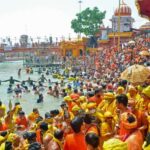
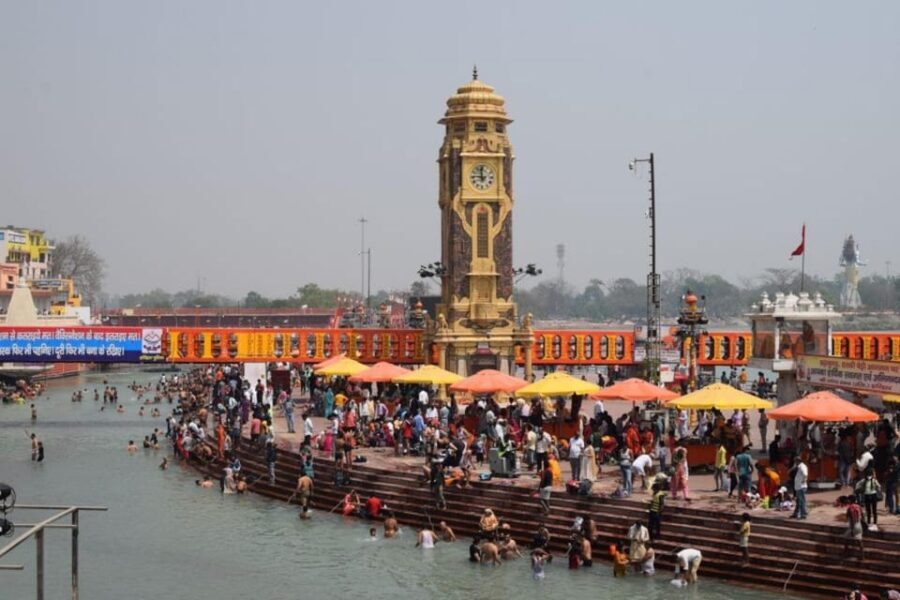
Haridwar is often described as the Gate of God, and this tour leans into that meaning by focusing on the river-side sites that people come for again and again. Your big stop is Har Ki Pauri, one of the most famous bathing ghats on the Ganges.
This is not just a pretty river scene. Har Ki Pauri is tied to sacred symbolism—the tour information connects it with the idea of Lord Vishnu’s feet (Charan) marked in stone associated with the upper wall of a dam. That detail matters because it changes how you look at the place: you’re not only watching people, you’re seeing why the spot became a lasting destination.
You can also read our reviews of more private tours in Rishikesh


The moment for Ganga Aarti at Har Ki Pauri
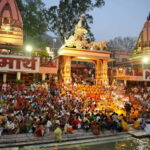
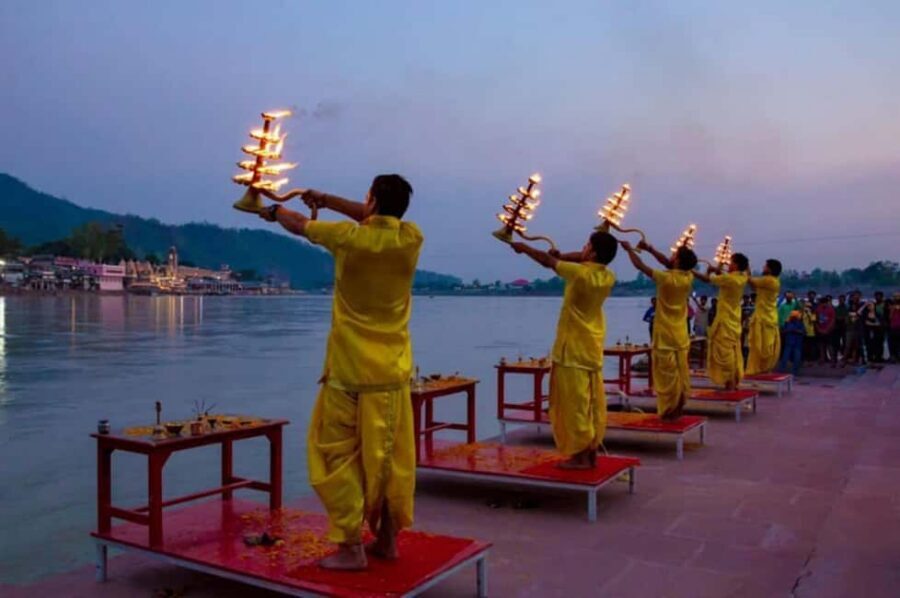
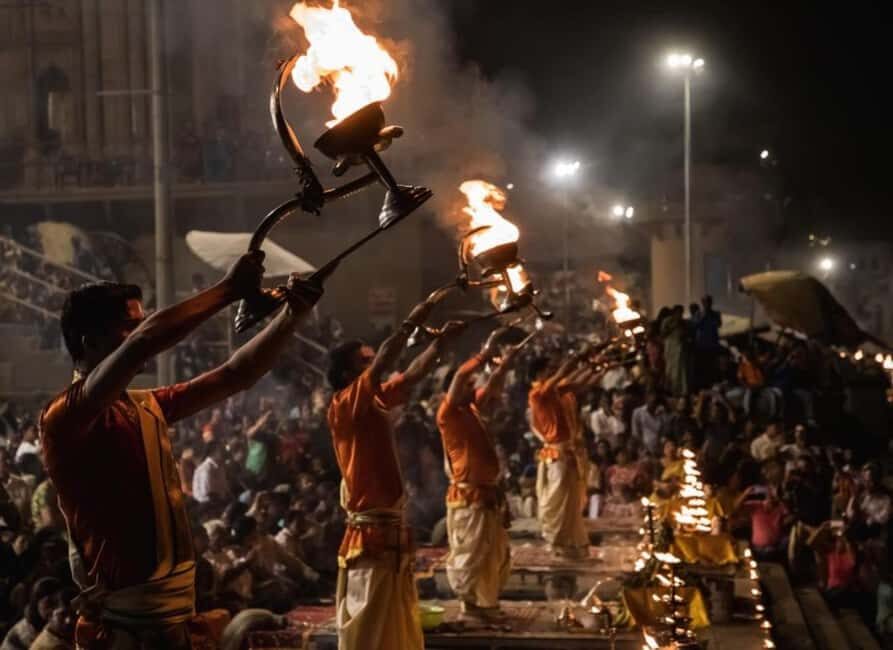
If you only do one ceremonial experience in northern India, this is one of the strongest choices—because Ganga Aarti is the heart of the evening. The timing is aimed at when the ceremony can feel like twilight: priests light floating lamps and move them in a circular motion while chants fill the air. You also learn the traditional explanation of what devotees do next: placing hands over the flame as a way to feel purified and seek blessings.
What I love about doing it here, at Har Ki Pauri, is how everything lines up. The river is central, the lamps create the light show, and the chants give structure to what could otherwise feel like just another ceremony. It’s spiritual without being abstract, and it’s easy to understand once you know what you’re seeing.
Practical note: you’ll be around worshippers with a purpose. Keep your phone use respectful, and don’t expect perfect quiet. This is one of those places where your attitude matters as much as your camera.
More than one temple stop: Mansa Devi Temple viewpoints and the holy triangle
After you’ve soaked in the river energy, the itinerary adds a temple stop that’s about perspective—Mansa Devi Temple. It’s presented as a place tied to wishes, with the goddess Mansa Devi described as the one who fulfills devotees’ desires.
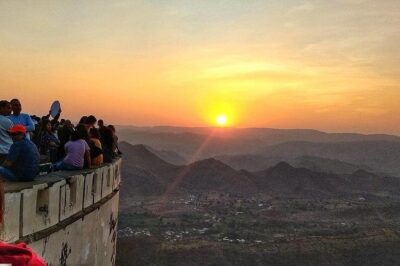
This stop is also about views. The temple area is described as offering a panoramic outlook over Haridwar, and it connects to the idea of a holy triangle formed with Chandi Devi Temple and Maya Devi Temple. That matters because it gives you a mental map of how Haridwar is arranged spiritually, not just physically.
What to expect on-site
You’ll likely do a guided walk-and-look segment rather than a long sit-down. The value here is that you’re not just standing under temple signage; you’re learning what the spot represents and why people climb or travel here. For many visitors, that shift—from entertainment to understanding—makes the day feel more meaningful, even if you’re not deeply religious.
If you don’t feel comfortable with steep steps, go slow. The tour includes a walk component at a temple viewpoint, and Indian temple sites can mean uneven surfaces and stairs.
From Haridwar to Rishikesh: Ganga energy plus a Himalayan gateway feel
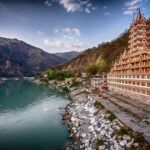
Once the Haridwar side is done, the trip continues to Rishikesh, described as the Yoga Capital of the World. Rishikesh is also framed as the gateway to the Himalayas and the starting point for the Char Dham Yatra to four sacred shrines, so the city isn’t treated like a standalone town. It’s a spiritual launchpad.
The drive from Haridwar to Rishikesh is part of the day’s pacing. You get time to reset, then you step into Rishikesh’s riverfront rhythm—less focused on a single landmark and more on a collection of Ganga-linked places.




Triveni Ghat: bathing, sand, and the evening lantern mood
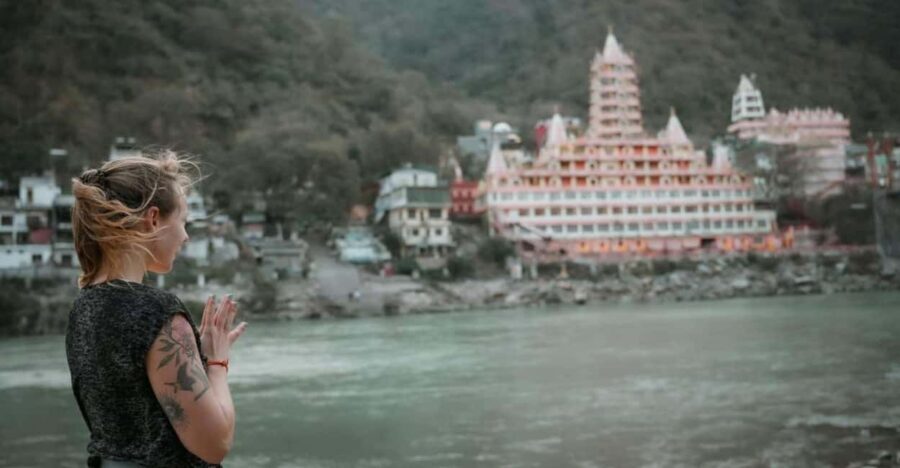
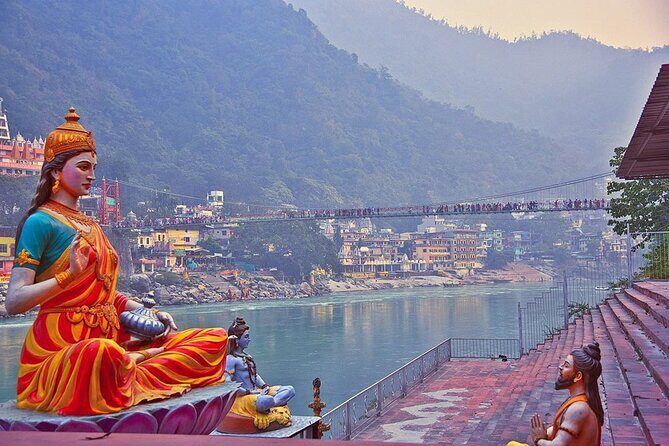
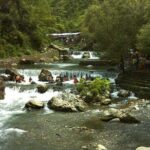
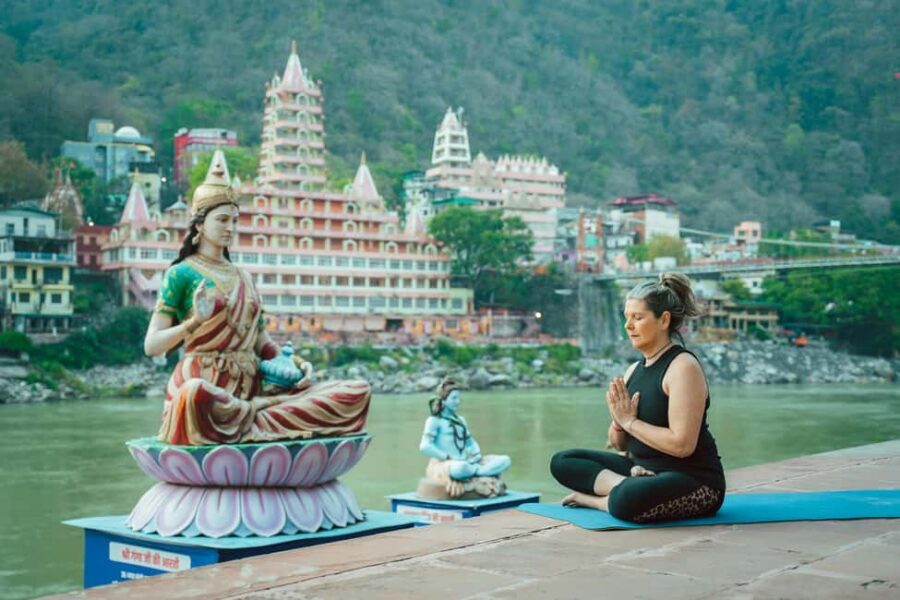
In Rishikesh, your first major riverfront stop is Triveni Ghat. This ghat is described as a significant bathing place along the Ganges, with contemporary depictions of Hindu deities and a calmer vibe compared to the most crowded points.
The detail that really helps you picture it: the description includes a white sandy beach feel. That’s useful when you’re planning your own expectations. You’re not only looking at stone steps; you’re seeing a Ganga edge where the experience can feel more open and relaxed.
Triveni Ghat is also tied to evening ceremony viewing, including the idea of aarti with lanterns. Since the day already includes Har Ki Pauri, Triveni Ghat offers a nice comparison: the same river, different tone, and a chance to notice how ceremonies create place identity.
Lakshman Jhula: the suspension bridge with mythology attached
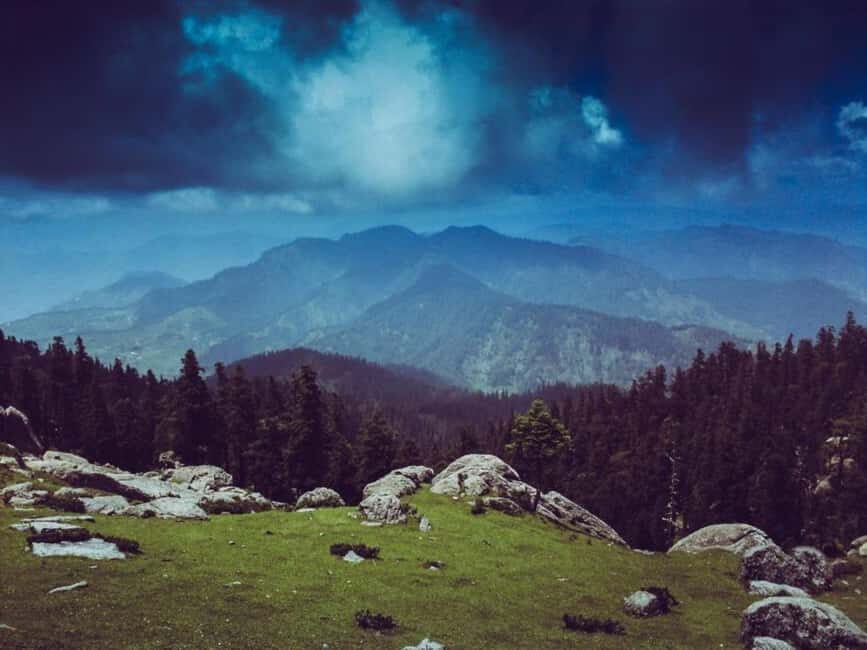
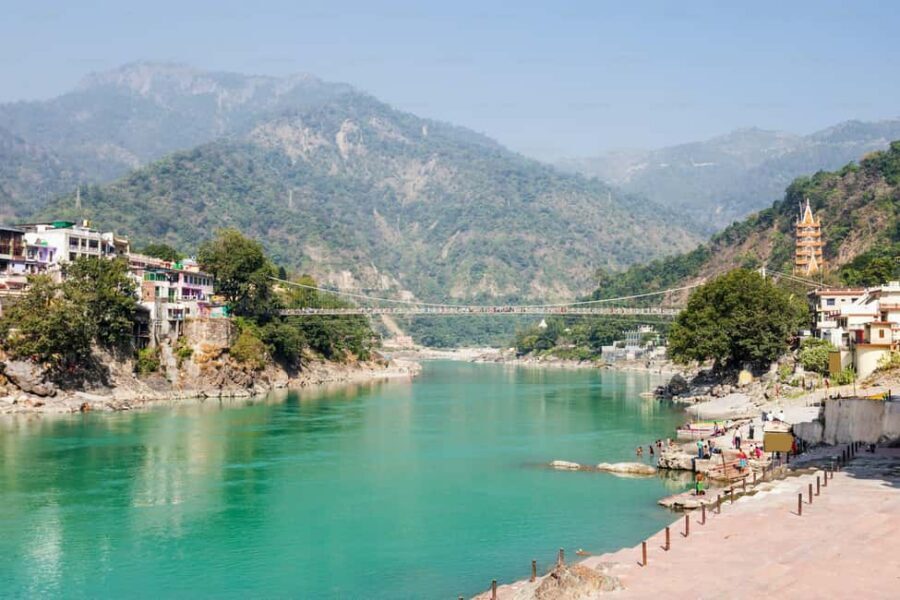
Next comes Lakshman Jhula, a signature suspension bridge across the Ganges. What makes this stop worth more than a photo is the story layer: it’s described as historically and mythologically tied, with a reference to the nearby historic footbridge named Lakshman Jhula after Lord Rama’s brother.
Standing here, you’ll get a strong visual sense of how Rishikesh spreads along the river. It’s one of those spots where you can look upstream and downstream and feel how the Ganga shapes daily movement. If your brain likes patterns, this bridge helps connect the dots between the sacred and the practical.
Quick reality check
Riverside spots can get windy in the evening. If you’re prone to cold, bring something light. The ceremony atmosphere plus the river breeze can change your comfort level fast.
Swarg Ashram: spiritual shopping and a place to slow down
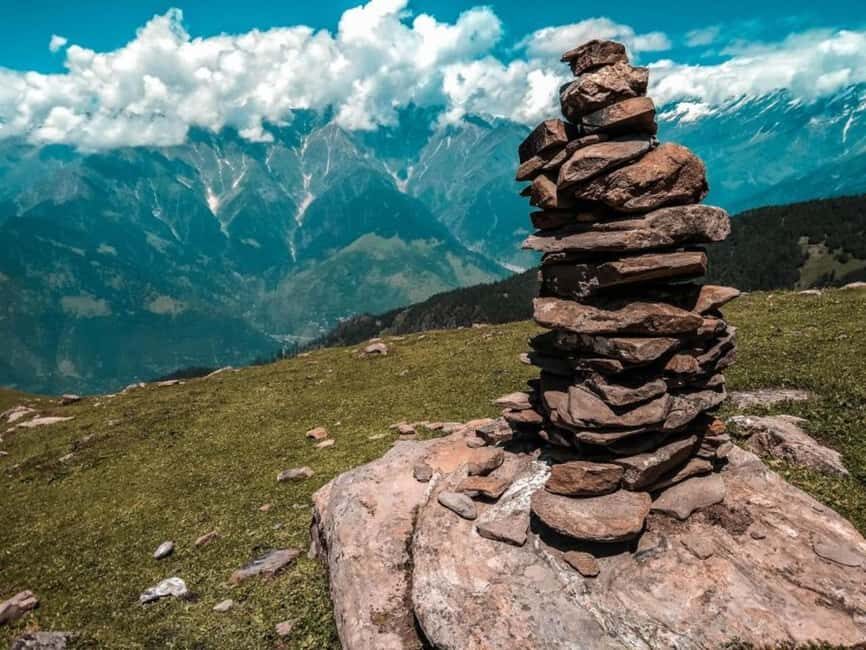
The final Rishikesh highlight is Swarg Ashram. This is described as a zone filled with ashrams, plus places to eat and shop—so it’s not presented as a quiet retreat with only meditation. It’s more like a spiritual hub where people come to wander between practices, teachings, and daily needs.
That blend is why it works well at the end of a packed day. After the bridge and ceremony-style sites, Swarg Ashram feels like a natural transition: you get to absorb the culture at street level. Even if you don’t buy anything, you can watch how the area supports visiting pilgrims—people eat, browse, rest, and keep moving toward what they came for.
Price and value: what $129 buys you in real life
This tour is priced at $129 per person, and the value depends on what you hate most: traffic stress, navigation, or time lost negotiating with transport. Here, you’re paying for private car + chauffeur + live guide, which is exactly what saves your energy on a long day.
You’re also paying for access to the right places at the right times. The plan is built around early departure and structured sightseeing blocks, including time for lunch in Haridwar and guided visits at multiple landmarks. On a route like this, the “cost” isn’t only money—it’s fatigue. A private format helps you control that fatigue.
One more value point: the guide language options (English and several other languages) make it easier to understand what you’re seeing. When you know the meaning behind Har Ki Pauri or the symbolism tied to temples, the day feels less like sightseeing and more like comprehension.
The schedule rhythm that keeps the day from falling apart
Even without a stated group size, this tour is designed for a smooth flow: pickup at 5:00 AM, then guided stops with set time blocks, then a return to Delhi around 10:00 PM.
That matters because Haridwar and Rishikesh are not “drop-in and wander forever” destinations. If you freestyle, it’s easy to lose time and end up missing the best moments. A plan keeps you focused—like getting to Har Ki Pauri before crowds swell, then moving to Rishikesh for the riverfront highlights and bridge area later.
If you’re sensitive to early mornings, treat this day like a commitment. You won’t just be “out for a bit.” You’re doing a serious half-day of driving plus a full day of stops, then rolling back late.
Who should book this Haridwar and Rishikesh private car tour
I think this tour is a good fit if you want a spiritual two-city hit without turning your day into a logistics project. It’s especially good for:
- First-timers who want the Ganga Aarti experience explained clearly at the right ghat
- People who prefer a private vehicle so the schedule stays intact
- Visitors who want multilingual guidance across major sites, not only a fixed monument list
It may be less ideal if you need a slow pace, because the itinerary is active and the travel time is long. The tour also lists that it’s not suitable for pregnant women, so plan an alternative that fits health needs.
Should you book it?
Yes—if your priority is Haridwar and Rishikesh with guide-led context and you don’t mind a very long day. The standout reason to book is the focus on Ganga Aarti at Har Ki Pauri plus major riverfront stops that actually connect to the symbolism people come for.
I’d also say it’s a smart move if you’re traveling from Delhi NCR and you want a clean, controlled plan: multiple pickup/drop-off points, a chauffeur-driven schedule, and a live guide in several languages.
If you’d rather sleep in and stroll at your own pace, this likely won’t match your style. But if you’re okay with an early start and want a meaningful, structured day around the Ganges, this one is a strong choice.
FAQ
What time is pickup in Delhi NCR?
Pickup starts at 5:00 AM from one of the listed locations in Delhi NCR.
How far is Haridwar from Delhi?
Haridwar is about 214 kilometers from Delhi.
How long is the tour?
The tour is scheduled for 16 hours and is listed as running over two days.
What stops are included in Haridwar?
You’ll visit Har Ki Pauri for sightseeing and the Ganga Aarti experience, and you’ll also stop at Mansa Devi Temple.
Which Rishikesh sights are included?
The Rishikesh stops include Triveni Ghat, Lakshman Jhula, and Swarg Ashram.
Is lunch included?
Yes. Lunch is scheduled for one hour in Haridwar.
Will I have a guide?
Yes. The tour includes a live guide, with available languages listed as English, Spanish, German, Japanese, Italian, and Russian.
Is there a Ganga Aarti during the tour?
Yes. The tour includes Ganga Aarti ceremonies and specifically includes visiting Har Ki Pauri ghat.
What do I need to bring?
You should bring a passport or ID card.
Are there any restrictions on what I can bring?
Alcohol and drugs are not allowed. The tour is also not suitable for pregnant women.