REVIEW · RISHIKESH
Discover Rishikesh: Day Tour Guided With Ganga Aarti Ceremony
Book on Viator →Operated by Tourify Uttarakhand · Bookable on Viator
Rishikesh has a way of changing your pace. This guided day tour strings together the city’s best-known spiritual stops and a few quieter river moments, so you understand what people come here for—without feeling lost. I especially like the Ganga Aarti evening ceremony and the chance to ask questions face-to-face with a local English guide (Pradeep is specifically named as an example of how patient and easy going the guidance can be).
One possible drawback: it’s mostly a walking plan with a full day, and the best highlight is the evening Aarti at the ghat—so if you’re the type to rush back early, you can end up missing the part that ties the day together.
In This Review
- Key highlights you should know
- Entering Rishikesh the easy way: a guided walking day
- Beatles Ashram: graffiti peace in Rajaji National Park
- Parmarth Niketan Ashram: yoga culture by the river
- Gita Bhawan: free murals and a pilgrim-focused feel
- Laxman Jhula and Ram Jhula: the famous bridge views
- Goa Salvus beach: a short river break
- Ganga Aarti at the ghat: the evening ceremony that ties it all together
- Price and value: why $30 can work here
- What to expect from the guide: practical, patient explanations
- Walking and timing tips so you don’t feel rushed
- Who this tour suits best (and who should skip it)
- Should you book Discover Rishikesh: Day Tour Guided With Ganga Aarti Ceremony?
- FAQ
- How long is the Rishikesh day tour?
- What does the tour cost?
- Is pickup included?
- What is included in the price?
- Is lunch included?
- Is the Beatles Ashram admission ticket included?
- How big is the group?
Key highlights you should know

- Beatles Ashram with graffiti art: an old spiritual spot inside Rajaji National Park that’s now a calm, colorful mix of peace and street-style visuals
- Parmarth Niketan Ashram and daily ritual rhythm: you’ll see how yoga and meditation culture connects to the river’s daily life
- Gita Bhawan murals and pilgrim lodging: free admission stops that feel like a side window into Hindu storytelling
- Crossing Laxman Jhula and Ram Jhula: classic suspension-bridge viewpoints over the Ganges, with plenty of photo angles
- Goa Salvus beach pause: a short break at a river beach when you need a breather from temples and crowds
- Evening Ganga Aarti at the ghat: the day’s emotional peak, with chants, oil lamps, and the river lit up at sunset
Entering Rishikesh the easy way: a guided walking day
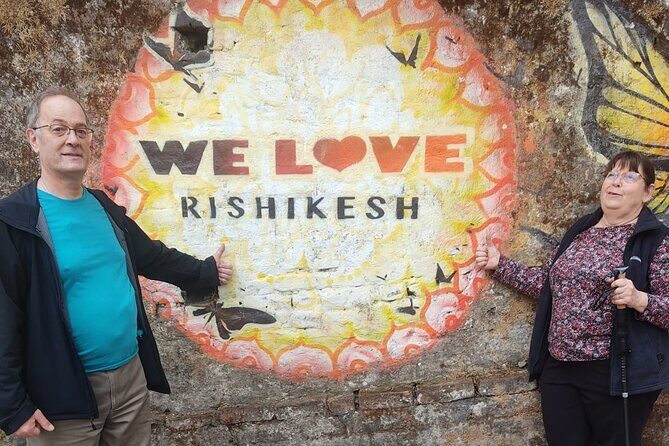
Rishikesh is compact, but it can still feel like information overload when you arrive. This tour helps you by turning the day into a sequence you can follow: ashrams first, then bridges and viewpoints, then the river ritual that Rishikesh is famous for.
The pace works because the stops are close enough that you can see what changes from one area to the next: monastery-like calm near the ghat, busy bridge viewpoints, then quieter riverbank corners. The plan also keeps you from guessing where to go next. You’re not just visiting places; you’re learning what each place means in everyday spiritual life.
Logistics are fairly straightforward. Pickup is offered, and the meeting point is at Janki Setu / Janki Bridge area (Muni Ki Reti). The tour runs about 7 to 8 hours, and the group size stays small, with a maximum of 15 travelers, so it doesn’t turn into a herd.
What’s not included matters too. Food and drinks aren’t included, and private transportation isn’t included, so plan to handle your own meals (or eat before the tour and bring a light snack if that helps your energy). The good news: bottled water is included, which is handy on a warm day.
You can also read our reviews of more guided tours in Rishikesh


Beatles Ashram: graffiti peace in Rajaji National Park
The day starts with the Beatles Ashram, tied to the story of the band that came to Rishikesh in 1968. You’re not just seeing a tourist site. This place gives you a unique angle on the city: you get the spiritual roots, then you see how the present-day look evolved.
A key detail here is that it sits within Rajaji National Park. That connection helps explain why many people come to Rishikesh and not just to a single temple. The area feels like it has a natural backdrop, with a calmer feel than you might expect when thinking of India’s bigger cities.
Time-wise, you’ll spend about 2 hours here. The listing notes admission is not included, so budget separately if there’s a ticket required on the day you visit. Still, it’s one of those stops where you’ll probably spend time just walking around and taking in how the space is used now—religious inspiration mixed with art and everyday momentum.
If you care about cultural context, this is also a great early stop. It’s easier to understand why later places (like the ashrams and the ghat) matter once you’ve seen a location that blends the old and the new.
Parmarth Niketan Ashram: yoga culture by the river
Next up is Parmarth Niketan Ashram, one of the most recognized spiritual centers in Rishikesh. This stop is free to enter on the tour (admission is listed as ticket free), and it’s one of the easiest places to feel the daily rhythm of life along the Ganges.
Parmarth Niketan is known for yoga and meditation programs, and it’s also connected to the daily Ganga Aarti tradition. Even if you’re not timing your visit to a specific class, just being there gives you a sense of why Rishikesh is a magnet for people looking for discipline, quiet, and meaning.
The schedule here is shorter—about 30 minutes—so treat it like a orientation stop. Look for how the spiritual spaces are arranged, and pay attention to the way the river is woven into the practice. Your guide can usually help you connect the dots: why the chants, why the routines, and why the ashram culture feels so tied to the water.
Gita Bhawan: free murals and a pilgrim-focused feel
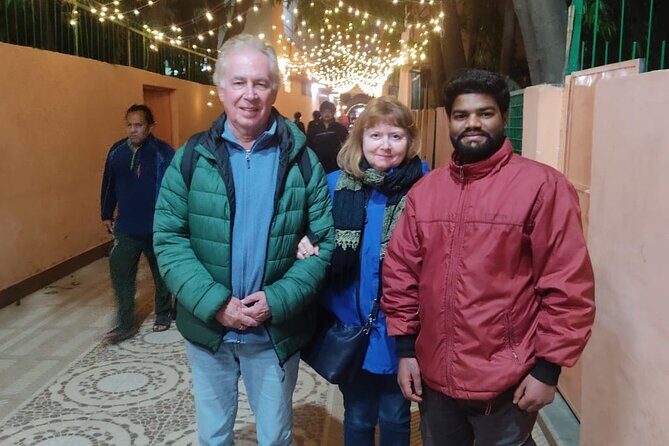
Right after Parmarth Niketan, you’ll also visit Gita Bhawan. Admission is listed as free, and the place is described as offering free lodging for pilgrims. That single detail changes how you experience the stop. Instead of thinking of it as just another photo location, you’re seeing how people actually use these spaces when they travel for faith.
There’s also an arts-and-stories element. The walls are decorated with murals depicting Hindu epics, which is a practical way to understand the “why” behind a lot of ritual language you’ll hear later at the ghat. If you’ve ever felt like Hindu storytelling is hard to place, this kind of visual introduction helps.
You’ll spend about 30 minutes here. It’s short, but you can make it count by looking closely at the murals and noticing the scenes and characters. Even without deep background, these visuals give you hooks you’ll recognize later.
Laxman Jhula and Ram Jhula: the famous bridge views
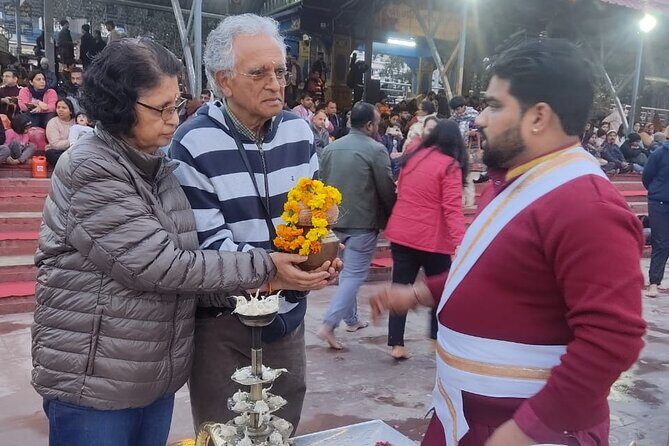
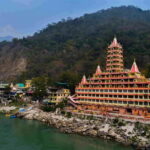
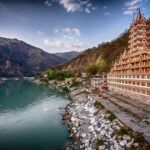
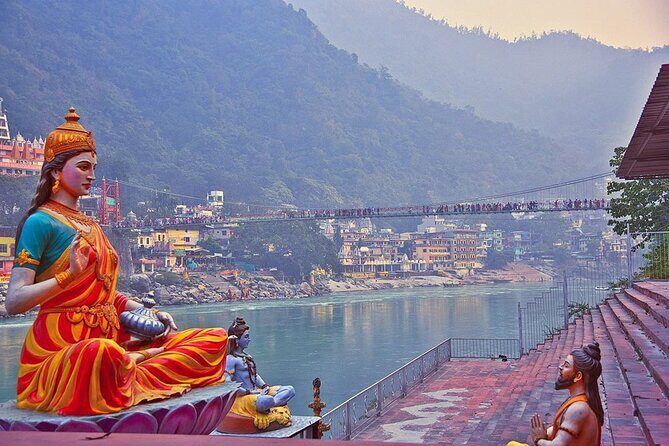
Rishikesh without its bridges would be like Rome without coliseum photos. This tour walks you across the iconic Laxman Jhula and Ram Jhula, which span the Ganges and connect the main areas of the city.
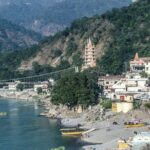
Here’s why I like this part: bridges are not just transport in Rishikesh. They’re observation decks. From them, you see the river’s scale, the hillside setting, and how the ashram neighborhoods relate to the water.
Ram Jhula is noted as being built in 1986, and the viewpoint from here is the kind that makes people stop mid-walk. You’ll see the Ganges below, plus the surrounding hills that frame the town. It’s also a good moment to remember the emotional weight of the later ceremony. The river isn’t a backdrop in Rishikesh—it’s the star.
Expect about 1 hour for this bridge portion. Use it to slow down for a few minutes. If you rush, you’ll miss how the river curves and changes feel as you move along the crossing.




Goa Salvus beach: a short river break
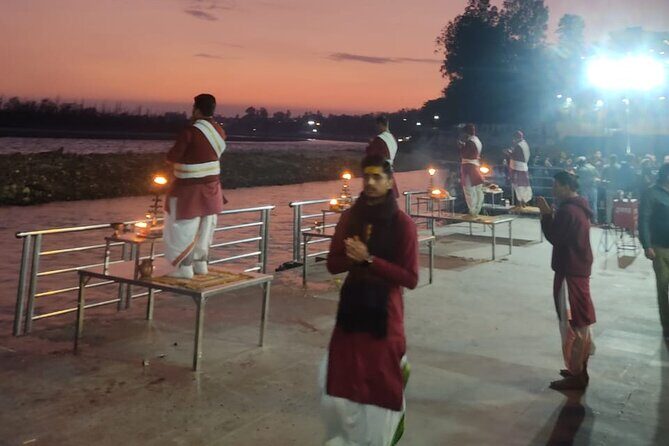
Between major spiritual stops, you’ll also have time near Goa Salvus beach. It’s described as a serene river beach along the Ganges, and that’s exactly why it works on this tour.
After ashram walls and chants, you need a place where you can breathe. Even a 30-minute pause helps reset your brain. It’s the kind of stop that gives you a different texture of Rishikesh: not only rituals and buildings, but the everyday edge of the river where the city touches water.
I’d treat this as your practical recovery moment. If you’re feeling warm or a bit travel-tired, use the break to hydrate (you’ve got bottled water included) and take a few slow photos from a calmer angle. It’s also a good chance to observe how people move along the riverbank.
Ganga Aarti at the ghat: the evening ceremony that ties it all together
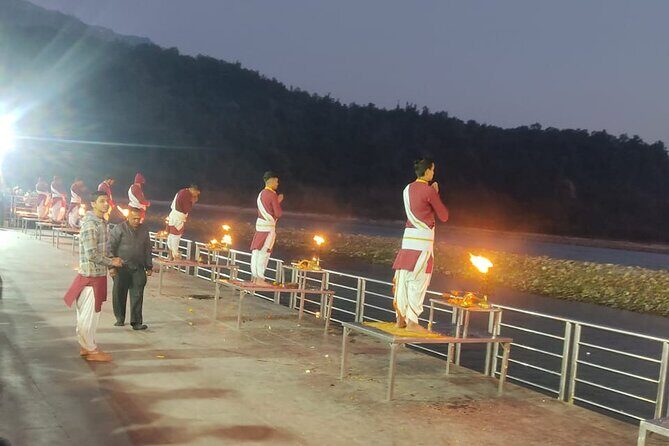
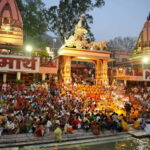
The tour’s emotional high point is Ganga Aarti at the ghat. You’ll head to Ganga Arti Ghat Rishikesh at the riverbank as the day moves toward sunset.
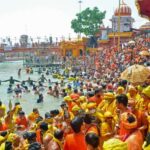
The ceremony is described as priests chanting Vedic hymns, with oil lamps illuminating the riverbank. Devotees offer prayers, and there are also mentions of floating offerings. Regardless of your background, the combination of sound, light, and water makes this a sensory experience you can’t easily replicate on your own schedule.
You’ll spend about 2 hours at this stop, which is important. Aarti needs time. It’s not just one dramatic moment and you’re done. It’s a sequence—chants build, lamps are arranged, the river reflects the glow, and the crowd’s attention tightens.
What I’d suggest for your experience: arrive with realistic expectations. If you want a clear view, you’ll likely need to position yourself early. If you’re more focused on the meaning than the angle, just find a place where you can listen comfortably and watch the lamps move.
Also, plan your clothing. The tour doesn’t list a dress code, but ghat ceremonies usually involve being close to ritual activity and crowds. Comfortable, modest clothing usually works best.
This is also where your day’s earlier learning pays off. When you understand the ashrams’ connection to the river, the Aarti feels like the conclusion of a theme, not a separate event you happened to catch.
Price and value: why $30 can work here
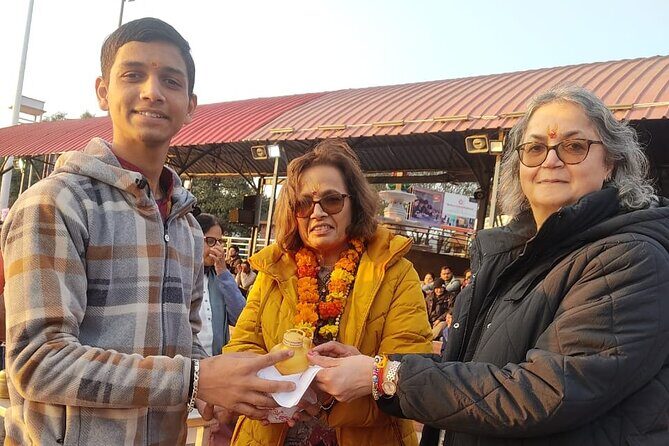
At $30 per person, this tour can be good value if you want a guided route through major Rishikesh anchors in a single day. The tour includes:
- a professional English guide
- bottled water
- all taxes
That combination matters in a city where independent navigation can turn into expensive back-and-forth. Here you’re buying structure: someone maps the order, helps with context, and keeps you on track for the Aarti timing.
The price isn’t magic, though. Food isn’t included, and admission at the Beatles Ashram isn’t included. So your realistic cost depends on what you eat and whether tickets are charged at the start point you visit. Still, even with those add-ons, a guided day can be cheaper than hiring multiple individual drivers or trying to string together ashram visits without a plan.
Small group size is another value point. Up to 15 is enough to stay social, not so many people that you can’t ask questions. That matches what the guide praise focuses on: patience, easy going support, and the ability to ask about Hinduism and local history without feeling rushed.
What to expect from the guide: practical, patient explanations
The best part of this tour isn’t the checklist. It’s how the guide helps you connect the dots between places.
The tour’s English guide is described as patient and easy going, and in at least one case, the name Pradeep comes up as a guide people felt comfortable learning from. The emphasis is on local explanations—history and area context—so you’re not stuck with guesswork.
Here’s why that matters: Rishikesh has a mix of mainstream spiritual sites and places where the meaning is personal. Without guidance, you may understand where to stand and what to photograph, but you might miss why certain rituals happen at certain spots and how the ashrams relate to daily life along the river.
A good guide also helps you pace the walking. The tour is designed to move on foot across the important zones, so having someone set the pace keeps the day from turning into fatigue management.
Walking and timing tips so you don’t feel rushed
Because this is a walking-style day, you’ll want to plan for physical comfort.
- Wear shoes you trust for uneven steps and bridge walkways.
- Bring a light layer if the evening feels cooler near the river.
- Have a simple plan for lunch since it’s not included.
Timing is the other big piece. The itinerary includes the Ganga Aarti as a major last attraction. In practice, you’ll get the most out of the day if you stay for the evening ceremony rather than treating it like an optional add-on.
One practical note: festival seasons can shift what’s happening around the city. The information shared includes mention of a July festival period dedicated to gurus (including Shiva), and that schedules may feel different then. If you’re traveling around big religious dates, keep your expectations flexible and be ready for more activity near the ceremony areas.
Who this tour suits best (and who should skip it)
This tour suits you if:
- you’re in Rishikesh for the first time and want the main spiritual circuit without wasting hours figuring it out
- you like learning the meaning behind places, not only photographing them
- you want a manageable group day with a guide who answers questions in plain language
You might consider skipping or modifying the plan if:
- you don’t like walking for most of the day
- you’re only interested in one specific area and would rather explore solo at your own pace
- you know you’ll want to leave before the evening Aarti, since that ceremony is the strongest emotional payoff
This isn’t a “museum and lunch” style day. It’s a spiritual-and-river itinerary where the river moment is the finale.
Should you book Discover Rishikesh: Day Tour Guided With Ganga Aarti Ceremony?
If your goal is to get oriented fast and experience Rishikesh’s core spiritual scenes in one day, I think this is a sensible booking. The guide-driven context, the small group size (up to 15), and the fact that the day ends with Ganga Aarti make it a strong choice for first-timers.
Book it if you’re willing to stay for the evening ceremony and handle your own meals. Don’t book it if you want a relaxed half-day, hate crowds near water at sunset, or you’d rather build your own route slowly without structure.
If you go, do one thing that’s easy: go with a curious mindset. Rishikesh rewards attention. When you watch the lamps on the Ganges after visiting the ashrams and bridges in daylight, the day makes more sense than the sum of its stops.
FAQ
How long is the Rishikesh day tour?
The tour runs about 7 to 8 hours.
What does the tour cost?
It costs $30.00 per person.
Is pickup included?
Pickup is offered, and the tour starts at the Janki Setu / Janki Bridge area.
What is included in the price?
A professional English guide, bottled water, and all taxes are included.
Is lunch included?
No. Food and drinks, including lunch, are not included.
Is the Beatles Ashram admission ticket included?
No. The Beatles Ashram admission ticket is not included.
How big is the group?
The maximum group size is 15 travelers.