REVIEW · NEW DELHI
From Delhi: 6-Day Golden Triangle Tour with Ranthambore
Book on GetYourGuide →Operated by Travel India One Day · Bookable on GetYourGuide
A tiger safari in the same trip as the Taj.
I like how this plan mixes Delhi–Agra–Jaipur history with a real wildlife day at Ranthambore. The guides in each city help you understand what you’re looking at, and the driver support makes long drives feel manageable. One drawback to weigh: entrance fees are not included (about USD 70 per person), so your final cost won’t be only the tour price.
You’ll also spend serious time on timing, not just sightseeing. The Taj Mahal is built into a sunrise visit schedule, and Ranthambore gives you both afternoon and morning safari chances. The trade-off is that it’s a packed route with early starts and long car days, especially on the transit days.
In This Review
- Key things I’d watch before booking
- Golden Triangle Plus Ranthambore: the combo that actually makes sense
- Delhi: Old City first, then the New Delhi monuments
- Driving to Agra: the road time that you can actually enjoy
- Agra: Taj Mahal sunrise, Agra Fort, and optional sunset views
- Ranthambore: how to approach tiger safari days without losing your mind
- Jaipur: Amber Fort, palaces, and a walled-city walk that feels real
- Price and value: the deal isn’t just the $8 figure
- Drivers and guides: the difference between a fun trip and a stressful one
- Where you’ll stay: hotels vary, but comfort is built into the plan
- Who should book this Golden Triangle with Ranthambore
- Should you book this tour?
- FAQ
- What’s the duration of this trip?
- Where do you get picked up?
- Are local guides included?
- Do I need to pay entrance fees separately?
- When is the Taj Mahal visit scheduled?
- What safari times are planned at Ranthambore?
- What’s included in the transport?
- What documents do I need to bring?
Key things I’d watch before booking

- Taj Mahal at sunrise is scheduled, with Friday closures to consider
- Two safari windows (morning and afternoon) for better wildlife odds
- AC driver transport keeps the long drives from feeling endless
- Private local guides handle the monuments so you don’t miss context
- Bus transfer to Taj Mahal saves walking from the parking area
- Entrance fees are extra, so budget for them up front
Golden Triangle Plus Ranthambore: the combo that actually makes sense
This is the kind of trip that works because it doesn’t treat wildlife as a side quest. You do the classic Golden Triangle monuments, then you cash in with a real shot at tigers in their habitat at Ranthambore. For a lot of people, that blend is the whole point: you get culture and architecture, then you get the sort of day where your whole mood changes when something moves in the trees.
What I like most is the structure. You’re not just “in India,” you’re going city to city with local guides for the monuments, plus an experienced driver for the road. That matters because Delhi traffic can be its own sport, and having someone who handles it while you focus on sights makes the trip feel lighter.
The other smart piece is timing. The Taj Mahal is slotted for sunrise (and it’s closed on Fridays), and the safari schedule is set to give you both morning and afternoon wildlife windows. If you’re the type who hates wasting hours, this schedule gives you less dead time.
You can also read our reviews of more tours and experiences in New Delhi



Delhi: Old City first, then the New Delhi monuments
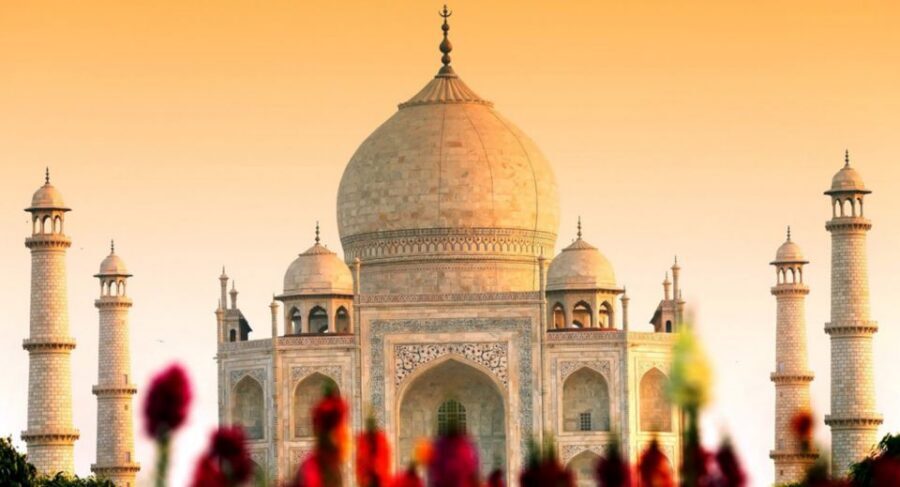
Delhi is two cities wearing one skin, and you feel that immediately when your day starts in Old Delhi. Jama Masjid is a powerful introduction—big scale, strong atmosphere, and the kind of place that helps you understand how the city’s layers formed. Then you move to the Red Fort area and the old bazaars around Chandni Chowk.
Chandni Chowk is often the place where you go from “seeing monuments” to “watching daily life.” You can add a rickshaw ride if you want an extra hit of old-street energy, but even without it, the area is worth your time. I like that the trip doesn’t rush you through it like a checklist.
After lunch, the focus shifts to New Delhi’s signature landmarks. India Gate is the classic photo stop, but the real value here is how quickly the city changes tone: wide avenues, government buildings, and the grand geometry of places like Humayun’s Tomb. Qutub Minar rounds things out with one more iconic piece of architecture that makes you look up more than you expected.
Practical value: doing Old Delhi in the earlier part of the day helps you beat some of the heat and gets you the best energy when the streets are still waking up. Also, going from Old to New in the same day gives your brain an easy comparison—what changed, what stayed, and how Delhi grew.
One consideration: this is a lot of movement in one day, and Delhi traffic can add unpredictability. The driver support is what keeps it sane.
Driving to Agra: the road time that you can actually enjoy
Between Delhi and Agra, you’re looking at roughly a 4–5 hour drive. That’s long enough to feel it, but not so long that you’re stuck in the car all day. You’ll typically have lunch in Delhi and dinner in Agra, so the timing feels built around meals, not just mileage.
A small detail that matters more than you’d think: bottled water is provided during the journeys. On hot days and during quick transitions, it helps you stay comfortable without hunting for supplies.
Also, you’re not going solo through logistics. You get pickup and drop-off, and you’re handled through hotel arrivals and departures. That’s a real quality-of-life upgrade in India, especially if you’re juggling language differences and ticketing.
If you’re sensitive to long drives, I’d plan to keep your day flexible for small rest breaks. The pace is solid, but it’s still a “road trip” at heart.
Agra: Taj Mahal sunrise, Agra Fort, and optional sunset views

Agra is the city where the tour’s timing decisions really show. The Taj Mahal is scheduled for an early morning visit for sunrise views, and that’s exactly when the light starts to turn the white marble from pretty to unforgettable. The only built-in catch: it’s closed on Fridays, so if your dates land on a Friday, the sunrise plan won’t happen the same way.
After the Taj, you get a break for breakfast back at your hotel. That’s not just for comfort—it’s also smart because Taj mornings are physically tiring. You don’t want to keep pushing right after a big emotional hit.
Then you shift to Agra Fort later in the day. Forts are great because they’re historical storytelling in stone—power, defense, and the way empires left marks you can still read today. You’ll spend your late morning/early afternoon there, and it fits nicely after the morning focus on the Taj.
Optional add-on: Mehtab Bagh is available for sunset photography across the river. Even if you skip it, you’ll come away with that sense of the Taj as part of a bigger landscape plan, not just a single monument.
Practical tip I’d actually use: if you want the best Taj photos, show up early and stay patient for the light shift. Also, decide in advance whether you care more about photos or wandering—early morning crowds can change how you move.
Ranthambore: how to approach tiger safari days without losing your mind
Ranthambore is the main wildcard of this entire trip. You’re not controlling where tigers are, but you can control how ready you are. This tour gives you two safari opportunities across two days: an afternoon safari on the first Ranthambore day and a morning safari on the next day.
Afternoon safaris usually start around 3:00 PM, so you’re not rushing straight into it at dawn. You still get a meaningful wildlife window, though your odds can vary depending on the day. The next day’s early morning safari is typically your best chance, so you should treat it as the priority one.
Your best strategy here is simple: be ready before the gate opens. Bring binoculars if you have them—this is the kind of place where spotting from a distance makes your experience better even when tiger sightings aren’t guaranteed. Also keep your attention steady and your voice volume low. Safari rules exist for a reason, and your fellow passengers will appreciate you following them.
What you might spot (based on the safari expectations): tigers, leopards, sambar deer, hyenas, and more. Even when you don’t see a tiger close-up, seeing the broader wildlife mix is part of what makes Ranthambore special.
One more detail: hotel check-in happens before your first safari, so you’re not doing drive + safari + chaos all at once. That’s a subtle quality-of-life win.
If you’re a nature lover who gets antsy when plans are vague, this tour is reassuring because the safari timing is built in and clear.






Jaipur: Amber Fort, palaces, and a walled-city walk that feels real

Jaipur is where the tour turns from wildlife and monumental scales into a more human pace—markets, forts, and city sights you can explore with your feet as well as your eyes.
Amber Fort is placed in the morning, which is smart. Morning means better light and less heat stress than later in the day. There’s also an optional elephant ride. If you do it, weigh it carefully based on your personal comfort level with animal-based attractions; if you don’t, the fort visit still stands on its own.
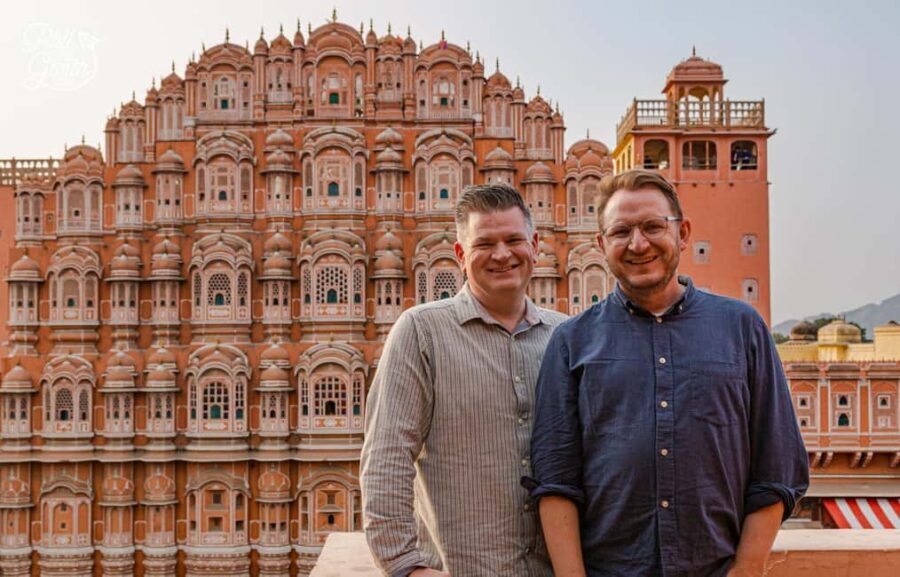
Then there’s Jal Mahal for photos. It’s a quick stop, but it’s one of those images you associate with Jaipur even if you’ve never been here. After that, the route hits the postcard trio: Hawa Mahal, City Palace, and Jantar Mantar.
Jantar Mantar is especially interesting if you like science-meets-architecture. It’s not just pretty; it’s designed to measure time and sky patterns. That makes it feel different from the pure palace and fort stops.
Optional walking via Tripolia Gate is a great way to add texture. Jaipur’s walled city markets are full of spices, handicrafts, and textiles. This is where you can slow down, watch, and pick up small items without feeling like you’re on a factory tour.
Practical value: spending Jaipur’s time with both monument stops and market wandering gives you a fuller sense of the city. Don’t feel forced to buy; just use the markets to understand the city’s everyday rhythm.
Price and value: the deal isn’t just the $8 figure

On paper, the price looks shockingly low. The more useful way to judge value is what’s actually included. You get AC transportation with a driver, hotel or airport pickup and drop-off, sightseeing with local guides, and even a bus ride to Taj Mahal and back from the parking area.
Bottled mineral water during journeys is included, and you’re covered for applicable taxes. If you select the accommodation option, you also get five nights with breakfast.
What isn’t included is the big one: entrance fees, listed at approximately USD 70 per person. That matters because in India, entrance fees add up across multiple sites like forts and UNESCO-level monuments.
So here’s the realistic math mindset: even with a low tour price, you’ll still pay for site access. If you budget for entrance fees early, the overall trip starts to look like a strong deal because the big-ticket parts—driver, transport, local guides, and hotel nights—are already handled.
Also, you’ll likely do better value-wise if you travel with someone and want the convenience of private guidance, not a seat on a crowded bus.
Drivers and guides: the difference between a fun trip and a stressful one
This is where this experience earns its high marks. You’re not just handed a car and left to figure it out. Drivers in the reviews (names like Gulshan, Sanjay, and Kool) are described as attentive, punctual, and focused on comfort—things like stopping for clean rest breaks and keeping bottled water handy.
Some reviews mention check-ins from leadership through the trip, such as Harpreet Singh staying in touch. Others mention using WhatsApp updates as part of the coordination. That kind of communication reduces the small frictions that often make tours feel chaotic.
Guide style matters too. In Agra, for example, Ram is mentioned for being helpful with photo spots and history explanations. Even if you prefer walking through monuments on your own, having someone point you toward the best angles and what to watch for can save time and reduce confusion.
One caution based on the information you have: there can be situations where your driver handles practical help and you may not get a full guide follow-through inside every monument. That doesn’t ruin the trip, but if you want constant on-site storytelling at every stop, ask clearly in advance how guide time is handled for your exact dates and party size.
Where you’ll stay: hotels vary, but comfort is built into the plan
Accommodation is five nights with breakfast if you choose that option. Reviews mention solid hotel quality overall, including examples like Shahpura House in Jaipur and Yash Villas in Ranthambore. Other stops in Jaipur get named too, like Lily Pool.
I wouldn’t assume every hotel is identical, but the pattern is that the tour is set up to keep you comfortable between long driving and early safari mornings. That matters because you’ll want recovery time after big sightseeing days.
Also, the tour includes pick-up and drop-off from hotels or airports and supports pick-up from across New Delhi, Agra, and Jaipur. That reduces the chance you lose time on the first and last days.
Who should book this Golden Triangle with Ranthambore
This trip is best for you if:
- You want the Golden Triangle sights but also want a serious wildlife experience
- You prefer guided context at monuments rather than wandering blindly
- You like a clear schedule with set safari windows
- You value safe, dependable road logistics with an AC driver
It may not be the best fit if:
- You’re pregnant (it’s listed as not suitable)
- You hate early starts and long transit days
- You’re expecting everything to be perfectly on-your-own without any guide involvement at monuments
If you’re traveling as a couple or small group, the private-group format feels especially worth it because you can move with less hassle.
Should you book this tour?
If you want a single, well-organized route that combines UNESCO-level monuments with Ranthambore tiger safari chances, I’d say it’s a smart booking—especially if you’re the type who likes both structure and flexibility.
Just go in with two expectations set upfront: entrance fees are extra, and this is a fast-moving route. If you can handle that, you’ll likely appreciate the value because transport, guides for sightseeing, and the key timing pieces like Taj sunrise and safari windows are built in.
FAQ
What’s the duration of this trip?
The trip is offered from 1 to 6 days, and the Golden Triangle with Ranthambore version is a 6-day schedule.
Where do you get picked up?
Pickup is available from Delhi, Noida, and Gurugram, and pick-up and drop-off are also available from anywhere in New Delhi, Agra, and Jaipur.
Are local guides included?
Yes. All sightseeing is listed as guided with private local guides.
Do I need to pay entrance fees separately?
Yes. Entrance fees are not included and are approximately USD 70 per person.
When is the Taj Mahal visit scheduled?
The Taj Mahal visit is scheduled for early morning at sunrise, and it’s closed on Fridays.
What safari times are planned at Ranthambore?
There are safari options in both the afternoon (starting around 3:00 PM) and the morning, with the morning safari usually giving the best chance.
What’s included in the transport?
You get private and shared transportation in an air-conditioned vehicle with a driver, plus hotel or airport pickup and drop-off.
What documents do I need to bring?
You’ll need a passport or an ID card. Alcohol and drugs are not allowed.