REVIEW · NEW DELHI
From Delhi- 5 Days Private Golden Triangle Tour
Book on Viator →Operated by Abby & Scout Tours · Bookable on Viator
Golden Triangle, done with less stress. This private 5-day route from Delhi to Agra and Jaipur is built around a comfort-first pace: a private A/C car, an English-speaking guide cum escort, and skip-the-line help for tickets. I especially like the Taj Mahal sunrise start, plus the way your guide can steer the day toward shopping and local moments. The main drawback to plan for is the early mornings and lots of time on the road and at monument entries, so bring decent shoes and an appetite for walking.
You’ll also get the kind of Delhi-to-Jaipur contrast that makes the trip feel like more than a checklist. I like that the stops include both big-ticket icons and everyday places like Chandni Chowk and old-city markets, and you’ll even try a traditional hand block printing class in Jaipur. If you’re the type who hates crowds, pair the sunrise and early timing with a calm mindset, because popular sights still attract people.
In This Review
- Key highlights worth your attention
- A Golden Triangle plan that feels organized, not frantic
- Private car comfort and timing: why it matters on this route
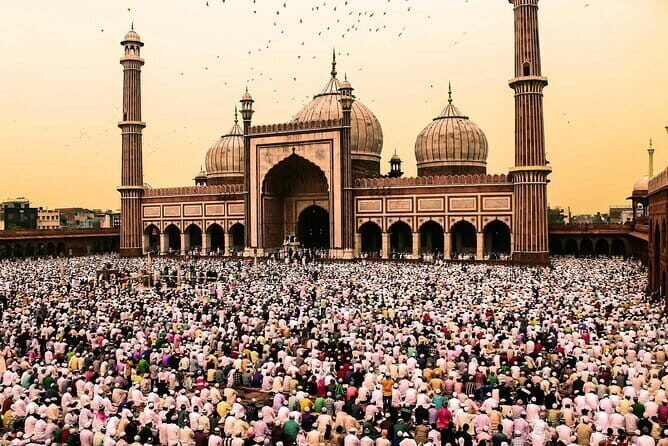
- Day 1 in Delhi: Chandni Chowk, India Gate, and Jama Masjid
- Day 2 in Mughal Delhi: Humayun’s Tomb, Qutub Minar, and Mehtab Bagh
- Day 3 in Agra: sunrise Taj Mahal plus Agra Fort and Fatehpur Sikri
- Day 4 in Jaipur: Albert Hall, Galtaji, Royal Gaitor, and old-city shopping
- Day 5 in Jaipur: stepwell, Jal Mahal, City Palace, Hawa Mahal, and Jantar Mantar
- The hand block printing class: the one souvenir you actually make
- Guides, pace, and the difference between a good tour and a great one
- Price and value: what $359.90 per person really buys
- Who should book this Delhi–Agra–Jaipur private tour
- Should you book it
- FAQ
- How long is the Delhi to Agra and Jaipur Golden Triangle tour?
- What cities are included in the Golden Triangle route?
- Is pickup and drop-off included?
- Do I get an English-speaking guide?
- Are entry tickets included in the price?
- Are meals and accommodation included?
- Is WiFi and bottled water included?
- Is the hand block printing class included?
- What about camera or video fees at monuments?
- Is free cancellation available?
Key highlights worth your attention
- Taj Mahal before the crowds: you enter early for the sunrise experience
- Private English-speaking guide cum escort: history plus practical care all week
- Old-city market time: Chandni Chowk and Chandpole Bazar for real local energy
- Hands-on hand block printing in Jaipur: make your own design, not just watch
- Comfort perks in the car: WiFi, bottled water, cookies, snacks, and soft drinks
A Golden Triangle plan that feels organized, not frantic
A good Golden Triangle tour has to solve one problem: distance. Delhi to Agra and then on to Jaipur is doable, but it can feel like you’re always in transit. Here, you get a private air-conditioned car and driver for the whole loop, plus pickup and drop-off, so you’re not juggling buses, waiting around, or negotiating at every turn.
What makes this setup work is the human element. Your English-speaking guide cum escort stays with you for the full tour, and the tour is built to keep you moving with clear timing for major sights and breathing room for local wandering. In practice, that means you spend less time figuring things out and more time actually seeing.
One more smart touch: skip-the-line access. The guide helps you with entry tickets, so you’re less stuck in queue chaos at busy monuments.
You can also read our reviews of more private tours in New Delhi

Private car comfort and timing: why it matters on this route
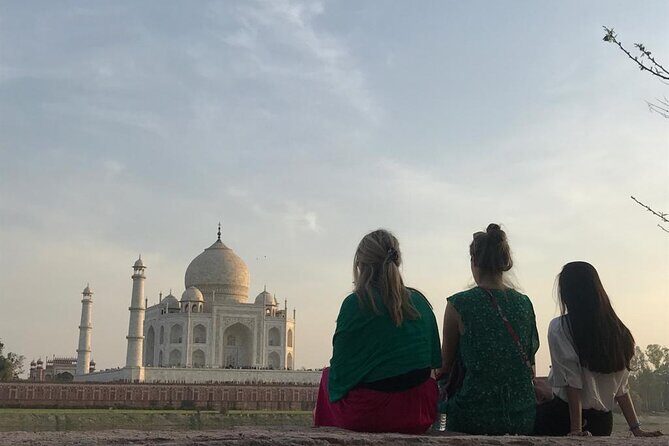
On a 5-day Golden Triangle, comfort is not a luxury. It’s what keeps the day from collapsing once you hit sunrise timing and back-to-back monument entries.
You’ll get:
- a private A/C car with driver for all transfers and sightseeing
- parking, tollways, state taxes, and gasoline handled
- WiFi plus bottled water, cookies, snacks, and soft drinks during travel
This matters because your itinerary includes big sites across three cities. The car time won’t disappear, but it can feel more like travel and less like punishment.
Also, since it’s a private tour, it’s only your group. That can be a big deal if you want a flexible pace—slower for photos, quicker when you’ve already seen enough, or extra time in a market when you find something you actually like.
Day 1 in Delhi: Chandni Chowk, India Gate, and Jama Masjid
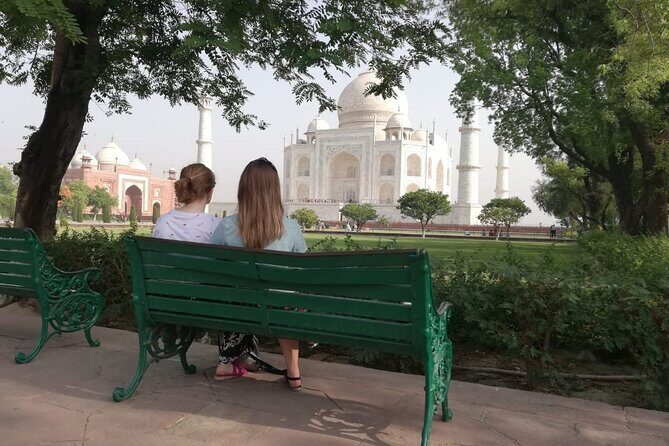
Delhi day one is a strong mix of the ceremonial and the everyday. It starts with Chandni Chowk, a classic Mughal-era market street that moves fast and smells like fried dough, spices, and street-level life. This is the kind of place where you’ll get the best experience if you move with curiosity: pause at a stall, look at fabrics or small goods, then keep walking.
A short drive past Parliament House (Sansad Marg) gives you a sense of modern Delhi’s center of gravity without turning the day into a photo-only exercise. Then you pivot to India Gate, with the memorial flame area—an easy stop, but a meaningful one that helps you understand the layer of remembrance in India’s public spaces.
In the afternoon, you reach Jama Masjid, one of Delhi’s biggest mosques. It’s impressive in scale, and the entry experience feels like stepping into a different rhythm than the street markets. If you plan your visit respectfully—covered shoulders and modest clothing—you’ll move through the site with less friction and more time looking.
You finish with Connaught Place / Janpath, which helps you transition from historical landmarks to the city’s shopping and street-scenes. It’s a good way to end day one because it gives you space to decompress and pick up small items if you want them.
Practical consideration: this day includes multiple walking-and-entry stops. If you get easily tired in crowds, wear comfy shoes and take brief water breaks.
Day 2 in Mughal Delhi: Humayun’s Tomb, Qutub Minar, and Mehtab Bagh
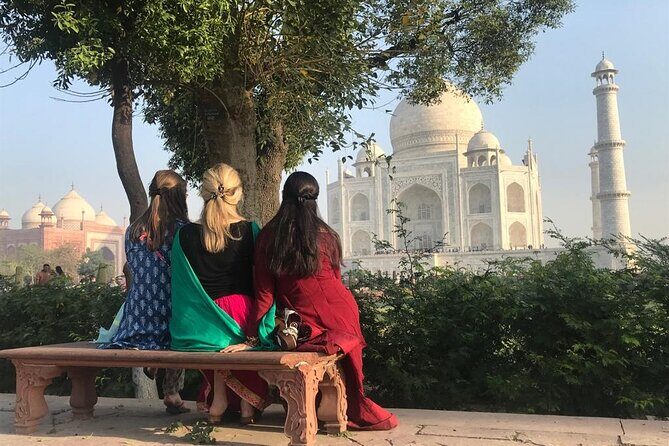
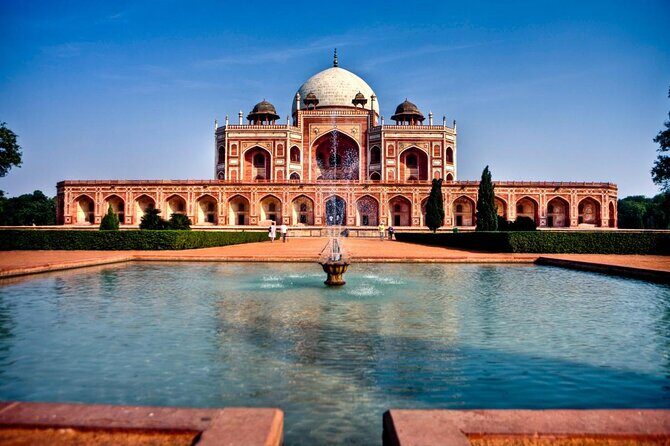
Day two is for architecture fans and anyone who likes seeing how India’s empires shaped the skyline. You start at Humayun’s Tomb, with its garden setting and Mughal-style design. It’s not just a building; it’s a whole planned environment. You’ll get a calmer pace here than in the bazaar days.
Next up is Qutub Minar, a UNESCO-listed site that dominates the Delhi horizon. This stop can feel a little different than Humayun’s Tomb because it’s taller, older, and more focused on monument impact. It’s a great day to slow down and read the surroundings rather than only taking photos from the main approach.
Then you move to Mehtab Bagh, a garden set up for Taj Mahal views across the river area. It’s short compared to some monuments, but it’s strategically placed. When you see it after Qutub Minar and Humayun’s Tomb, you start to connect design ideas and timelines across centuries.
Practical consideration: these are major sites with outdoor exposure. If it’s hot or bright, bring sun protection and expect some waiting during entry checks.
Day 3 in Agra: sunrise Taj Mahal plus Agra Fort and Fatehpur Sikri
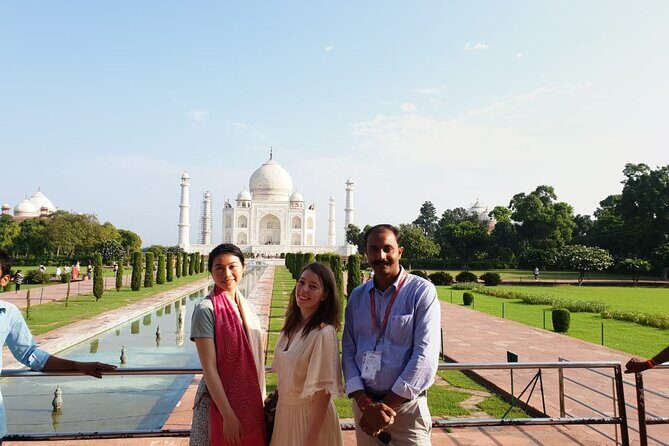
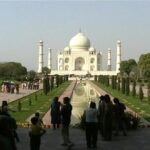
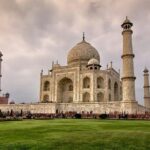
Day three is the big emotional highlight: Taj Mahal at sunrise. The tour is timed so you enter the grounds early, before crowds build. That’s the difference between Taj Mahal as a photo background and Taj Mahal as a full sensory experience—soft light, changing shadows, and a calmer atmosphere.
After that, you visit Agra Fort, a UNESCO heritage site with Mughal-era power and heavy red-stone presence. Forts can feel like “just more buildings,” but Agra Fort earns attention because it’s built around stories of rule, defense, and palace life stacked over time.
Then the day continues to Fatehpur Sikri, specifically Panch Mahal. It’s known for its striking multi-level layout built by Emperor Akbar’s era. For me, this is where the tour earns points for variety: you go from the romance of the Taj to the political scale of the fort, and then into the spectacle of a designed city complex.
Practical consideration: Agra day feels full. You’ll likely move between sites with tight transitions, so plan to eat something substantial earlier and keep water handy.
You can also read our reviews of more tours and experiences in New Delhi



Day 4 in Jaipur: Albert Hall, Galtaji, Royal Gaitor, and old-city shopping
Jaipur day four balances formal culture, temple character, and old-city browsing. You start with Albert Hall Museum, a museum stop that can be surprisingly helpful for context. Even if you’re not a lifelong museum person, it sets the stage for why Jaipur looks the way it does—materials, patterns, and the royal era’s impact on everyday design.
Next is Galtaji Temple, also known as the Monkey Temple. The name gives away the atmosphere: the monkeys are a real part of the experience. If you go, keep food secured and be mindful with small items. The temple setting is also a break from pure palace viewing.
Then you head to Royal Gaitor Tumbas, which is a quieter, more tucked-away stop. This is the type of place where you appreciate the slower, reflective pace—especially after more active market or monkey-temple energy.
The tour also includes Chandpole Bazar, a proper old-city shopping corridor. This is where the earlier promise of local exploration comes alive. If you like shopping for textiles, small crafts, or souvenirs with story behind them, you’ll likely enjoy this block of time.
Finally, you hit forts: Jaigarh Fort for hilltop views and a strong sense of military architecture, then Nahargarh Fort for more dramatic Aravalli scenery. Together, these fort stops give you the best “feel” for Jaipur’s geography rather than treating the city like just a set of monuments.
Practical consideration: fort days can mean uneven stone paths and more uphill walking. Pack light, keep your pace steady, and use the car breaks to reset.
Day 5 in Jaipur: stepwell, Jal Mahal, City Palace, Hawa Mahal, and Jantar Mantar
Day five is a classic Jaipur architecture sweep: stepwell, palace, façade, then astronomy.
You start at Panna Meena ka Kund, a stepwell that’s both useful history and a striking visual stop. Even if you’re not focused on engineering, stepwells are one of the best places to understand how communities planned for water and daily life.
Then you visit Jagat Shiromani Ji Temple, described as a historic Krishna-dedicated temple with detailed carvings and frescoes. It’s another cultural stop that adds texture beyond the tourist postcard list.
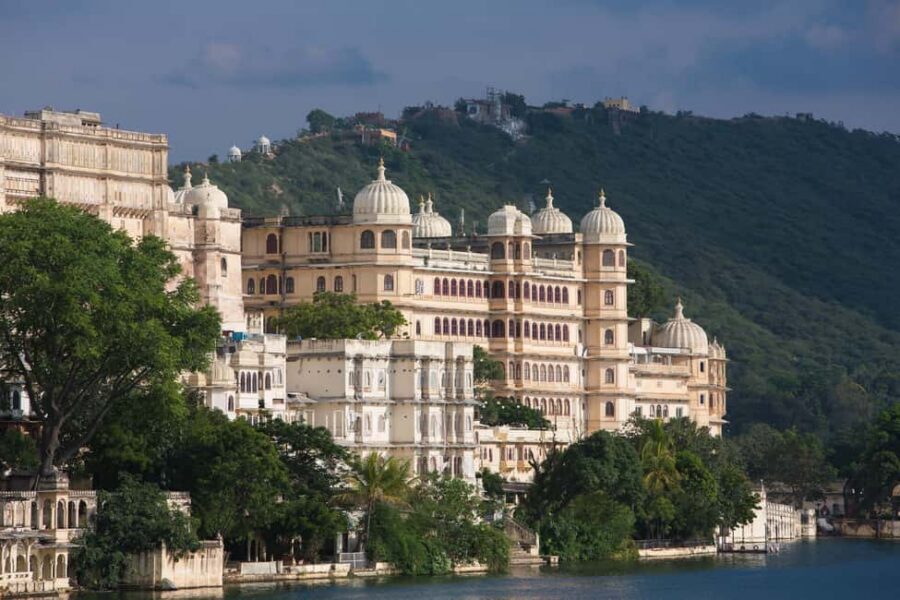
Jal Mahal is next—a palace-like structure in the middle of Maan Sagar Lake. It’s short in time but memorable because you see it framed by water and sky rather than only land-based city scenery.
After that you get City Palace of Jaipur, with courtyards and palace buildings tied to Maharaja Sawai Jai Singh II’s era. This stop connects Jaipur’s royal identity to what you see in the streets and the way the city was planned.
Then comes Hawa Mahal, the Palace of Winds. The honeycomb façade is the main event. It’s best enjoyed by looking up often, not just walking past it quickly. If you like photos, this is the moment to slow down and take a few angles.
You finish with Jantar Mantar, a UNESCO site built by Maharaja Sawai Jai Singh II. Since it’s an observatory, it’s a different kind of wow: human-made precision rather than palace drama.
Practical consideration: this is a high-density day. If you’re prone to museum fatigue, focus on what you enjoy most: façade details at Hawa Mahal, spatial layout at City Palace, and the instruments at Jantar Mantar.
The hand block printing class: the one souvenir you actually make
One of the most enjoyable add-ons here is the hand block printing class in Jaipur. Instead of only buying crafts, you get hands-on time learning a traditional process and making your own design.
This kind of activity is valuable because it changes how you shop. When you understand the basics of stamping, layout, and pattern creation, you’re more likely to buy something that’s genuinely made with care rather than just a cheap copy.
It’s also a nice break during a trip that’s otherwise heavy on driving and monumental walking. Plan to keep your schedule a bit flexible that day so you don’t feel rushed in the workshop.
Guides, pace, and the difference between a good tour and a great one
This tour leans hard on the guide-escort role, and that’s where the quality shows. In past experiences shared with this operator, guides like Sabir and MJ are highlighted for story-driven explanations and a careful, attentive approach. People also mention photo support, restaurant help, and tailoring the schedule when priorities shift.
You should expect your guide to handle ticket help and timing so you’re not spending precious hours stuck managing logistics. And because it’s private, your guide can also adjust your day around your preferences—more time for market browsing, less for you-just-pass-it stops, or better photo timing at specific sights.
Practical tip: ask your guide early each morning what they recommend for photos and which market streets are worth extra time. You’ll get more out of the day when you’re not guessing.
Price and value: what $359.90 per person really buys
At $359.90 per person, this isn’t a budget dorm-style deal. It’s a private, comfort-heavy Golden Triangle with a dedicated English-speaking guide cum escort and a full week of car transfers.
Here’s what you’re paying for:
- private A/C car and driver, door-to-door pickup and drop-off
- guide support for the full itinerary
- WiFi and snacks/water in transit
- parking, tollways, taxes, and GST handled
What’s not included matters for budgeting:
- monument entry tickets
- accommodation and meals (they can help you book)
- tips for driver, tour guide, and the block printing master
- video/still camera fees at monuments, if charged
So the value question comes down to this: do you want a private guide and comfortable transport without the planning stress? If yes, this price can feel reasonable because so much of the work is already handled.
If you’re comfortable organizing entry tickets and you’re okay with less personal pacing, you might find cheaper group options. But for most first-time Golden Triangle visitors, paying for the guide and private car is what makes the trip enjoyable instead of exhausting.
Who should book this Delhi–Agra–Jaipur private tour
This fits best if you:
- want a first-time-friendly Golden Triangle with clear guidance and timing
- care about sunrise Taj Mahal rather than arriving whenever you happen to wake up
- like a mix of icons plus real local market time
- want a traditional activity like hand block printing, not just photo stops
It’s also a good choice for couples and small groups who prefer private pacing. One more point: since it’s near public transportation and most travelers can participate, it’s not a weirdly niche experience. Still, it’s a lot of sightseeing days, so it’s not ideal if you’re dealing with limited mobility.
Should you book it
I’d book this tour if you want the classic Golden Triangle experience done with organization, comfort, and a guide who stays with you the whole time. The big reason is the combination: Taj Mahal at sunrise, Mughal Delhi monuments, and a Jaipur day packed with palace and fort highlights—plus a real creative workshop.
I’d think twice if you hate early starts or you want a slow, no-transport-hustle pace. This route is efficient, and that efficiency means you’ll be moving often.
If you want a plan that feels like it was made for you—rather than made for a schedule—this is a strong match.
FAQ
How long is the Delhi to Agra and Jaipur Golden Triangle tour?
It runs for 5 days approximately.
What cities are included in the Golden Triangle route?
The tour covers Delhi, Agra, and Jaipur.
Is pickup and drop-off included?
Yes, pickup and drop-off are included, along with all transfers.
Do I get an English-speaking guide?
Yes, you’ll have an English-speaking private tour guide cum escort for the entire tour.
Are entry tickets included in the price?
No, entry tickets are not included. The guide helps you skip the line and supports ticket purchase.
Are meals and accommodation included?
Accommodation and meals are not included, though help booking can be provided.
Is WiFi and bottled water included?
Yes. WiFi access and bottled water are provided in the car, along with cookies, snacks, and soft drinks.
Is the hand block printing class included?
Yes, there is an included hands-on hand block printing class in Jaipur.
What about camera or video fees at monuments?
Video/still camera fees at monuments are not included.
Is free cancellation available?
Yes. You can cancel up to 24 hours in advance for a full refund. If you cancel less than 24 hours before the start time, the amount paid is not refunded.