REVIEW · NEW DELHI
From Delhi: 3-Day Private Golden Triangle Tour India
Book on GetYourGuide →Operated by Ayesha Holidays · Bookable on GetYourGuide
Golden Triangle in three days feels tight, but it works. You get a private car and guided stops across Delhi, Agra, and Jaipur, so you’re not wasting time figuring out transport between major sights. I especially like the sunrise Taj Mahal plan and the way the day is built around getting you inside the experience early.
A second big win is how the tour mixes India’s old and new sides: Old Delhi by rickshaw plus headline sights in New Delhi, then you roll straight into the Mughal story in Agra and Jaipur. The guided approach also helps if you want context, not just photos.
One drawback to plan for: your days include real driving time (Delhi–Agra and then back from Jaipur), and entry tickets aren’t included, so you’ll want cash ready in INR for monument payments.
In This Review
- Quick Key Points You’ll Care About
- The Golden Triangle in 3 Days: How This Route Gets You Value
- Day 1 in Delhi: Old Delhi Rickshaw, New Delhi Landmarks, Then On to Agra
- Agra Day 2: Sunrise Taj Mahal Plus Agra Fort Without the Hassle
- Fatehpur Sikri: The Mughal Stopover That Breaks Up the Drive to Jaipur
- Jaipur Day 3: Amber Fort Jeep Views, Jal Mahal, Hawa Mahal, City Palace
- Coming Back to Delhi: Timing, Touring Pace, and What Ends the Trip
- The Most Praised Part: Guides Who Tell Stories and Answer Your Questions
- Comfort and Logistics: The Private Car Plan That Keeps the Days Calm
- Money, Tickets, and What to Pack So You Don’t Lose Time
- Room Choice and Hotel Stays: Optional but Important
- Who This Tour Suits Best (and Who Might Want Another Style)
- Should You Book This Private Golden Triangle Tour?
- FAQ
- What cities does the 3-day Golden Triangle tour cover?
- Is the Taj Mahal included, and does the tour do it at sunrise?
- Are hotel stays included in the price?
- Are entry tickets included for the monuments?
- What happens if my tour includes a Friday?
- What happens on Mondays regarding Agra or Delhi sights?
- Do I need to bring cash and a passport?
Quick Key Points You’ll Care About
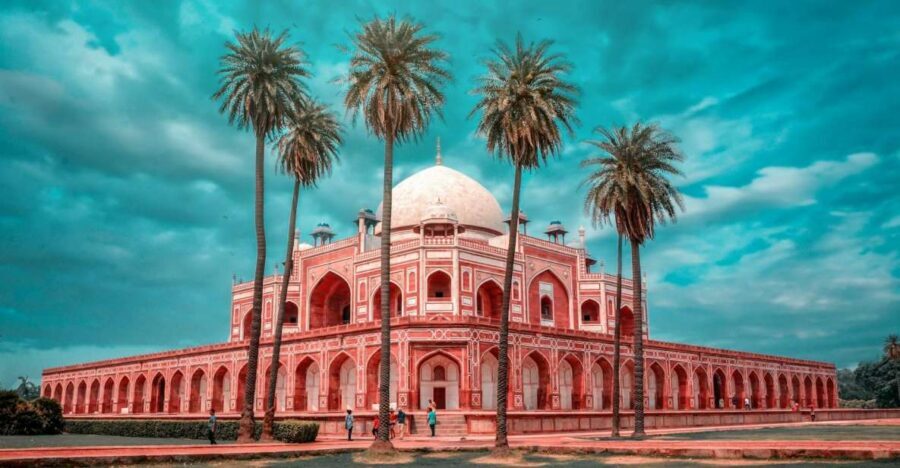
- Sunrise Taj Mahal with skip-the-line entry for a smoother start
- Golf cart ride to and from the Taj Mahal entrance area from parking
- Old Delhi rickshaw ride plus a guided sweep of Delhi highlights
- Fatehpur Sikri stop en route to Jaipur, framed as a “ghost city” site
- Amber Fort jeep ascent option for the best views up top
- Cash-friendly reality since some monuments don’t take credit cards
The Golden Triangle in 3 Days: How This Route Gets You Value
The Golden Triangle is popular for a reason. Delhi gives you the big-capital feel, Agra delivers the Mughal icon everyone comes for, and Jaipur is where you see royal-era planning made visible in stone, water, and color.
With only three days, the best strategy is to keep moves simple and time-efficient. This tour does that with a private, air-conditioned vehicle and a personal driver, plus a guide who handles the “what am I looking at” part while you focus on enjoying the sights.
Price-wise, it’s worth looking at what you’re actually paying for. You’re not just getting a car; you’re also paying for guided touring at each stop, transfers between cities, and optional 2-night hotel stays (with breakfast) depending on the package you choose. Entry tickets are extra, but the trade-off is that the big logistics are handled for you.
You can also read our reviews of more private tours in New Delhi



Day 1 in Delhi: Old Delhi Rickshaw, New Delhi Landmarks, Then On to Agra
Your trip starts with pickup in Delhi (or nearby areas like Gurgaon and Noida) or at Delhi Airport Exit Gate 4, Terminal 3 Arrivals. From there, you’ll hit top sights in a guided run, with both the old and new sides of the city on the same day.
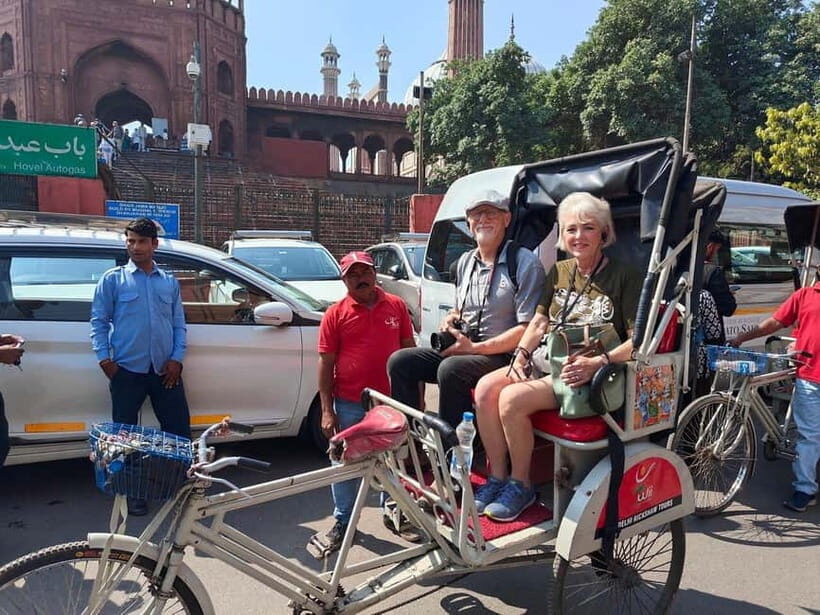
In Old Delhi, you get a rickshaw ride. It’s a fun, short way to feel how the lanes and markets work without turning the day into a navigation challenge. Then you visit major landmarks such as Jama Masjid, one of the city’s anchors for centuries of religious and cultural life.
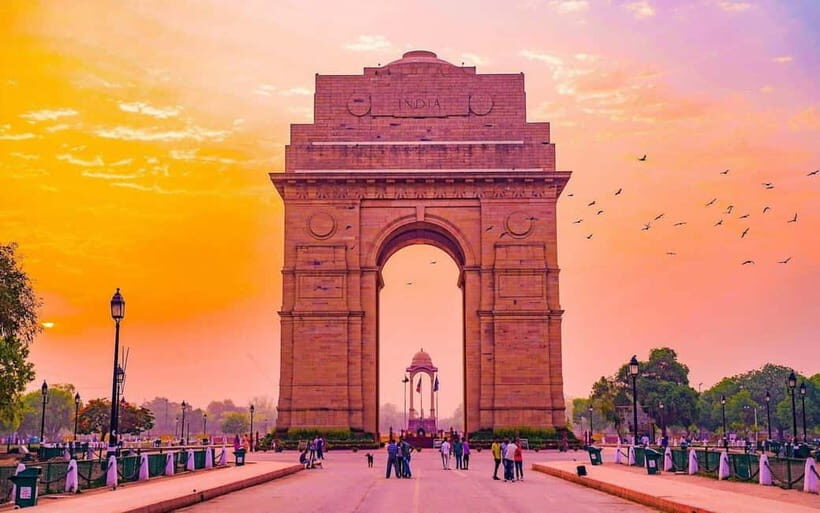
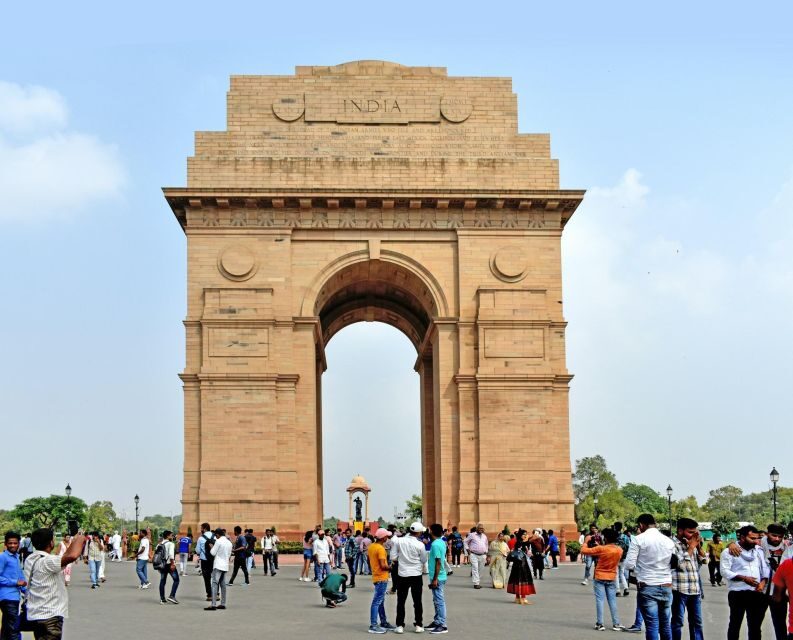
From there, the tour shifts into New Delhi’s civic grid with stops like India Gate, Qutub Minar, and the Parliament House. You also get a panoramic drive past major landmarks like the Red Fort and the President’s House, which is useful when you want the highlights even if you don’t have time to do every building up close on day one.
Once Delhi sightseeing wraps, you drive to Agra via the Yamuna Expressway (about 3–4 hours). After checking in, you’re left with an evening that’s yours to use for a calm dinner, a quick walk, or just resting up. That’s important, because Agra’s day two is early.
Agra Day 2: Sunrise Taj Mahal Plus Agra Fort Without the Hassle
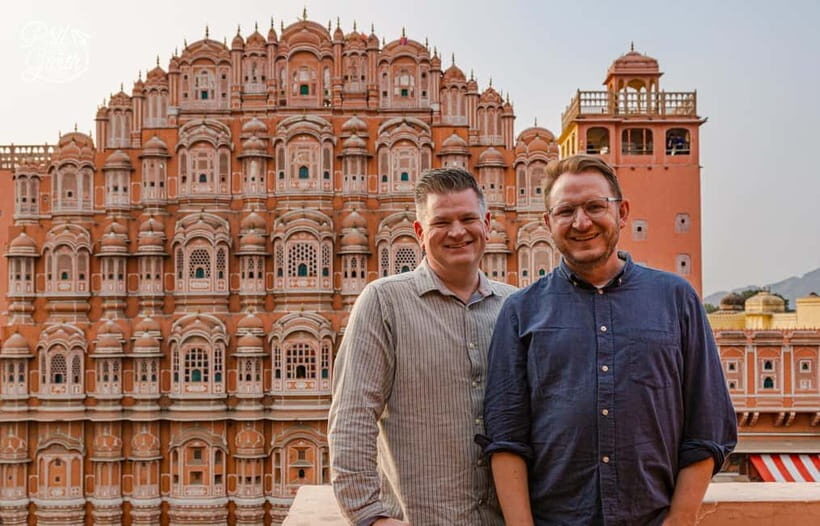
Day two is built around the Taj Mahal at sunrise, and that timing really changes the feel. You get the monument in softer morning light, when the mood is quieter and the start of the day isn’t yet crowded with tour groups hitting the same photo angles.
This experience includes skip-the-line Taj Mahal entry, plus a guided tour so you understand what you’re seeing instead of relying on guesswork. There’s also a golf cart ride between the parking area and the Taj Mahal entrance, which saves walking time in what can be a long, early stretch.
After the Taj, you move to Agra Fort, a red sandstone powerhouse that once functioned as a royal residence. The guide’s job here is to connect the architecture to the people who lived and ruled inside those walls, and it helps you spot the “why” behind the layout rather than just the “what.”
There’s one day-specific change to note: the Taj Mahal is closed on Fridays, and the itinerary adjusts to Delhi–Jaipur–Agra–Delhi instead. If you’re booking for a Friday, don’t assume you’ll keep the exact same order, but you should still get the core Agra experience.
Fatehpur Sikri: The Mughal Stopover That Breaks Up the Drive to Jaipur
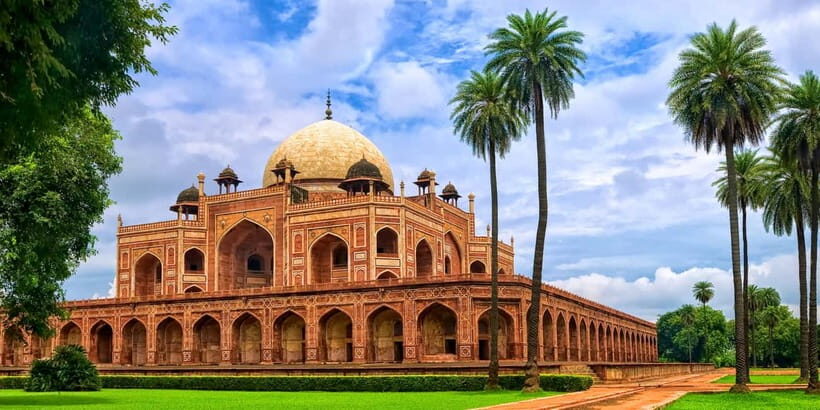
Leaving Agra for Jaipur, you’ll stop at Fatehpur Sikri, described as a “ghost city” site. That nickname isn’t random. It reflects how the place was meant to be a major seat of power, yet it later shifted away from being a thriving everyday city.
Even if you’re not a mega-architecture person, it’s a strong break from driving. The site’s Mughal design elements are dramatic, and the guided format helps you understand how the different parts relate to each other.
Then it’s onward to Jaipur by evening. When you arrive depends on the day’s pacing, but the structure is simple: arrive, check in, and take the night to recharge. Jaipur is the kind of city where you’ll want energy, because you’ll do a lot of sight stops on day three.
Jaipur Day 3: Amber Fort Jeep Views, Jal Mahal, Hawa Mahal, City Palace
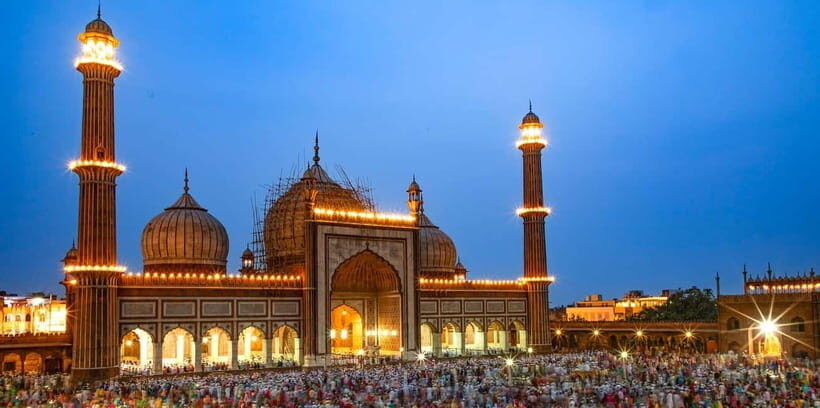
Jaipur is the royal city on a tight schedule, and day three gives you the classic highlights in a logical flow.
First up is Amber Fort on the hill. You can ascend by jeep, which is a practical way to get the best views without turning the day into a hike. At the fort, you’re looking at fortifications and court life planning layered into the landscape, and your guide’s job is to point out what made the place useful, not just impressive.
Next come the photo-and-architecture icons:
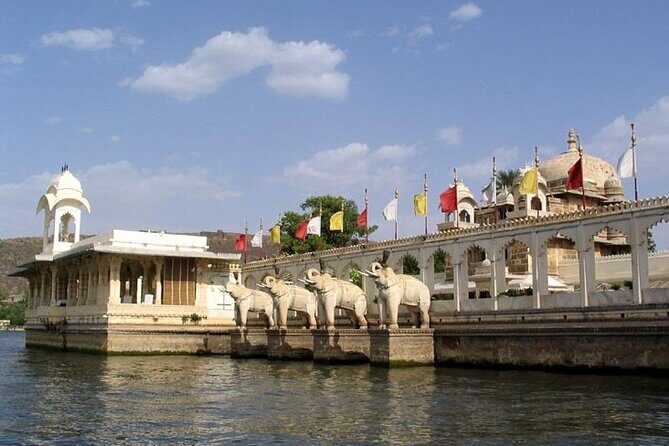
- Jal Mahal (Water Palace), where the water setting changes how the building reads
- Hawa Mahal (Palace of Winds), with its famous facade and the idea behind the design
Then you visit City Palace, a working reminder of Jaipur’s royal heritage. This is where you shift from forts and views into a more “here’s how the system lived” perspective.
You’ll also stop at Jantar Mantar, the UNESCO-listed observatory. It’s one of those places where the point isn’t only beauty—it’s the science expressed through public architecture. A good guide helps you connect the instruments to the purpose, so you don’t just stand there thinking it’s decorative.
You can also read our reviews of more tours and experiences in New Delhi




Coming Back to Delhi: Timing, Touring Pace, and What Ends the Trip
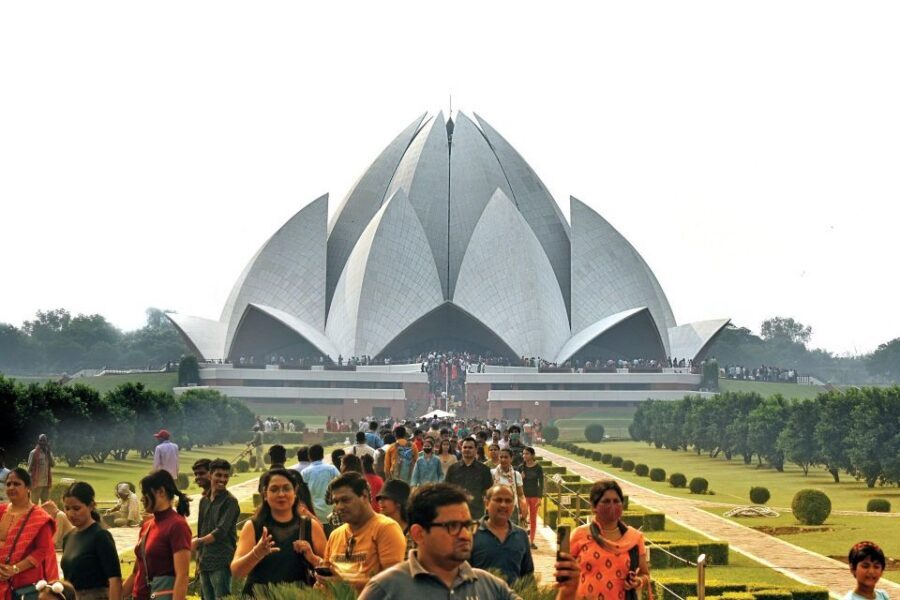
After Jaipur sightseeing, you’ll head back to Delhi in the afternoon in a private car. The drive is typically about 5–6 hours, and you’ll get drop-off at your hotel or the airport.
This pacing matters. By this point, you’ll have seen a lot of monumental architecture in a short stretch. The best mindset is to slow your photo-taking a bit and focus on learning what the guide is explaining, because those details stick more than another angle of the same facade.
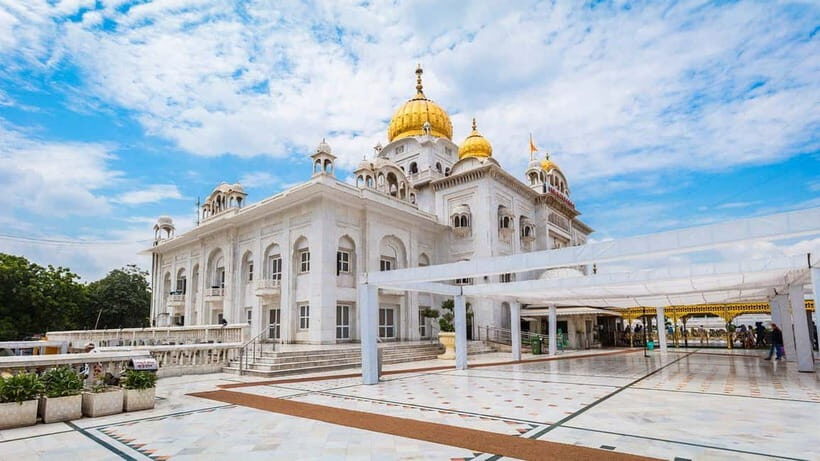
Also watch for closed-day swaps. If your trip includes Mondays, the Red Fort and Lotus Temple are closed, and the tour swaps in Gurudwara Bangla Sahib instead. It’s a helpful reminder that your exact list can shift, even while the route stays on track.
The Most Praised Part: Guides Who Tell Stories and Answer Your Questions
The quality of a Golden Triangle tour is usually determined by two people: the guide and the driver. This one leans hard into that.
I like when a guide can explain more than dates and facts. In this tour’s best moments, the guide’s storytelling makes the monuments feel human—like you’re hearing how the Mughal world worked, not just being handed a script.
In the feedback I’ve seen associated with this experience, Saif is praised for being strong on Taj Mahal and Mughal Fort context, with an especially good talent for answering questions—right down to explanations about Islam and beliefs. Nick is also highlighted for clear Taj Mahal guidance, helping people understand why it became one of the Seven Wonders in the first place. That kind of guide is great for first-timers who want meaning, not just a checklist.
On the driving side, Jeetu is mentioned as a standout, including the little touches like introducing Hindi music and sharing insight into Indian culture and economics during the drive. Those conversations can turn “just transportation” into a more personal, less stressful day—especially when you’re spending hours on the road.
Comfort and Logistics: The Private Car Plan That Keeps the Days Calm
The private structure is the main comfort upgrade here. You’re not mixing with random group schedules, and you’re less likely to get stuck waiting at ticket counters or coordinating meeting points.
You’ll also get a driver who uses a personal, uniformed setup, and you’ll have complimentary bottled water during the touring days. That matters more than it sounds when you’re moving between multiple major sites.
Vehicle type is based on group size:
- 1–2 people: Toyota Etios or similar (three-seater sedan)
- 3–5 people: Toyota Innova or similar (six-seater wagon)
- 6–10 people: Tempo Traveler (ten-seater van)
And there’s a practical note: not allowed is luggage or large bags. So pack light. If you need space for passports and day items, use a small bag that fits comfortably with the tour’s movement.
Money, Tickets, and What to Pack So You Don’t Lose Time
This tour includes guided tours and transfers, but entry tickets are not included. So you’ll need to budget for monument payments on the day.
Plan around the payment reality: some monuments don’t accept credit cards, and you’re advised to carry cash in INR. If needed, your guide can help locate an ATM, which is a lifesaver when you’re trying to keep the day moving.
What to bring is straightforward:
- Passport (and for children, passport or ID)
- Comfortable shoes
- Sunglasses
- Cash
Also, pack for early starts. For sunrise Taj Mahal day, comfortable shoes and sun protection are your best friends. You don’t want your morning to be about discomfort.
Room Choice and Hotel Stays: Optional but Important
Whether you sleep in Agra and Jaipur depends on the option you book. The tour offers 2-night hotel stays if selected, with daily breakfast included in that case.
Room assignments are handled by default:
- Single, double, or twin sharing
- For groups of 3, a triple-sharing setup (double bed plus an extra bed)
- If you want separate rooms for 2 or 3 people, there can be additional charges, so select the option carefully to avoid confusion
If you’re the kind of traveler who hates rerouting due to last-minute hotel issues, choosing the hotel option can keep your nights simple and your mornings smoother.
Who This Tour Suits Best (and Who Might Want Another Style)
This is a smart fit for you if:
- You’re seeing Delhi, Agra, and Jaipur for the first time
- You want private transport so you can keep pace without stress
- You care about explanations and Q&A, not just photos
- You like a planned route with flexible day-to-day swaps when closures happen
It might not be ideal if you want a slower, free-form trip where you roam without a schedule. Also, if you hate early mornings, sunrise Taj day is the centerpiece and is non-negotiable in most cases—unless closures change the plan.
And if you’re traveling with mobility needs, the tour states it is wheelchair accessible.
Should You Book This Private Golden Triangle Tour?
If you want the Golden Triangle done cleanly—private car, guided sightseeing, and the right priority set for Taj Mahal sunrise—this tour is a strong choice. The value is in removing friction: you get smooth transfers, guided context at each major stop, and less time lost to logistics.
Book it if your goal is to see the big landmarks across all three cities without turning travel days into a hassle. Consider alternatives if you prefer DIY pacing, want entry tickets included in the price, or you’re traveling with a lot of luggage (because large bags aren’t allowed).
FAQ
What cities does the 3-day Golden Triangle tour cover?
It covers Delhi, Agra, and Jaipur in a three-day route, starting with pickup in Delhi and ending with a return to Delhi.
Is the Taj Mahal included, and does the tour do it at sunrise?
Yes. The itinerary includes a sunrise guided tour of the Taj Mahal with skip-the-line entry and additional transfers from parking via golf cart.
Are hotel stays included in the price?
Hotel stays are optional. If you select the option, you get 2-night hotel accommodations and daily breakfast.
Are entry tickets included for the monuments?
No. Entry tickets are not included, and you’re advised to carry cash in INR since some monuments don’t accept credit cards.
What happens if my tour includes a Friday?
The Taj Mahal is closed on Fridays, so the itinerary is modified to a Delhi–Jaipur–Agra–Delhi sequence.
What happens on Mondays regarding Agra or Delhi sights?
If the tour falls on a Monday, Red Fort and Lotus Temple are closed, and the schedule includes Gurudwara Bangla Sahib instead.
Do I need to bring cash and a passport?
Yes. Bring a passport (and ID for children), plus cash in INR for monument tickets. Also bring essentials like comfortable shoes and sunglasses.