REVIEW · AGRA
From Agra: Agra Heritage Walking Tour
Book on GetYourGuide →Operated by Super India Tour · Bookable on GetYourGuide
Agra changes fast when you walk. This short tour keeps you close to local life, from a temple morning pause to the snack-and-market energy around Kinari Bazar, ending at the impressive Jama Masjid. I especially like how you’re shown the city on foot (so you actually notice details), and I like the practical help from guides such as Imran Ali Khan, Farwan, Farman, or Amir, who tend to focus on making the streets feel safe and understandable. One drawback to consider: monument entry fees aren’t included, so you may still need to pay for access at some stops.
The payoff is real value for time. For about $20, you get a private guide, snacks, bottled water, and transport for pickup and drop-off by auto rickshaw, plus you use a separate entrance to help reduce waiting. If you hate crowds or want a quiet, sit-down museum style tour, this may feel a bit too street-level for your taste.
In This Review
- Key points that matter on the street
- Agra in two hours: how this walking format saves your day
- Tuk-tuk pickup, a guided street route, and staying comfortable
- Stop 1: Shri Mankameshwar Mandir, then you transition into the real city
- Stop 2: Kinari Bazar via Rawat para, where the city feels lived-in
- Stop 3: Seth Gali sweets, snack culture, and what to expect
- Stop 4: Jama Masjid, big architecture and a smoother entrance
- Price and value: what $20 really covers (and what it doesn’t)
- Who this walking tour suits best (and who should rethink it)
- Should you book the Agra Heritage Walking Tour?
- FAQ
- What is the duration of the Agra Heritage Walking Tour?
- How does pickup and drop-off work?
- What stops are included on the walking route?
- What’s included in the tour price?
- Are monument entrance fees included?
- What languages are the live guides?
Key points that matter on the street
- Tuk-tuk pickup and drop-off keeps the walk focused, not logistically exhausting.
- Mankameshwar Mandir gives you a spiritual start before the market noise.
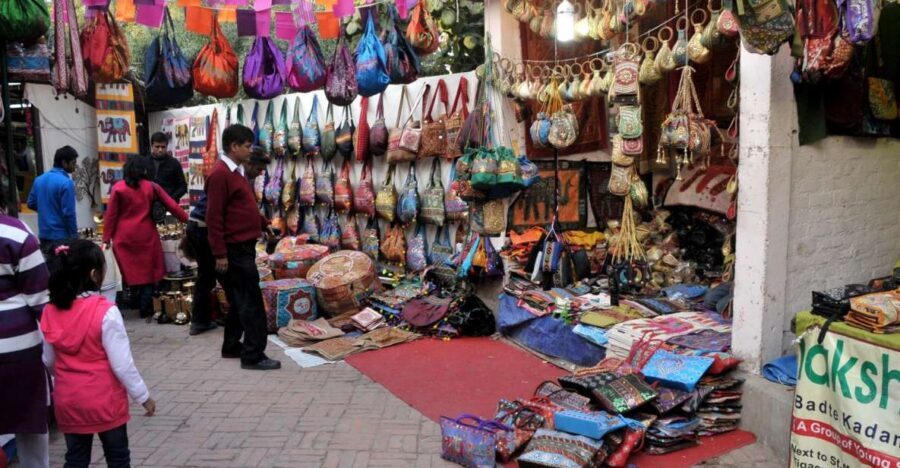
- Kinari Bazar + Seth Gali is the sweet-shop corridor where you learn what locals actually go for.
- Rawat para street route helps you see Agra from inside neighborhoods, not just postcard spots.
- Jama Masjid is the big-architecture finish, approached at walking pace with guided context.
- Skip-the-line via a separate entrance can save time when you hit the main monument area.
Agra in two hours: how this walking format saves your day
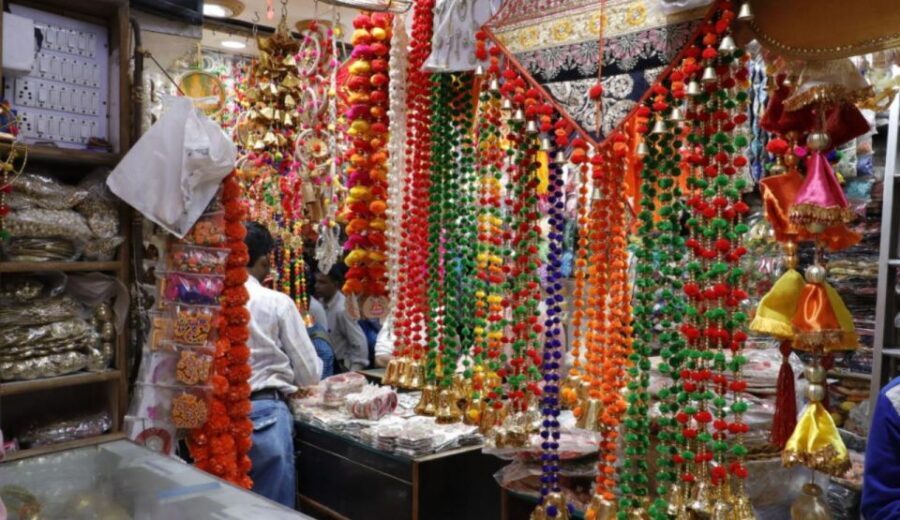
This tour is designed for a quick but meaningful taste of Agra. In just about two hours, you move through multiple worlds: temple calm, market chatter, sweet shopping streets, and then a major mosque that dominates the skyline in your final stretch.
For you, the best part is that the tour doesn’t ask you to rush from far-away sites by taxi. Pickup and drop-off handle the distance, and the sightseeing happens by foot where it matters. That means you notice small things: street rhythms, what people buy, and how daily life sits right next to major landmarks.
One more value point: the tour includes snacks and bottled mineral water. In markets and temple areas, that matters more than you’d think. It keeps energy up so you can actually enjoy the walk instead of hunting for food on your own.
You can also read our reviews of more walking tours in Agra



Tuk-tuk pickup, a guided street route, and staying comfortable
Your day starts with a pickup arranged from your chosen location in Agra, with options including Agra Cantt and Agra city. An auto rickshaw meets you, and your guide connects with you from the start, so you don’t spend the first 20 minutes figuring out who’s who.
Once you begin walking, you’ll be moving through narrow streets with local traffic nearby. This is exactly where a good guide earns their keep. The guides named in real-world bookings—people like Imran Ali Khan, Farwan, Farman, and Amir—are repeatedly described as making you feel safe while guiding you through busy lanes.
If you want to get the most out of this, bring a simple mindset: wear comfortable shoes and expect to slow down for crowds at market points. Also, you’ll likely be doing short stops for explanations, not just passing by. It’s more street education than a fast photo sprint.
Stop 1: Shri Mankameshwar Mandir, then you transition into the real city
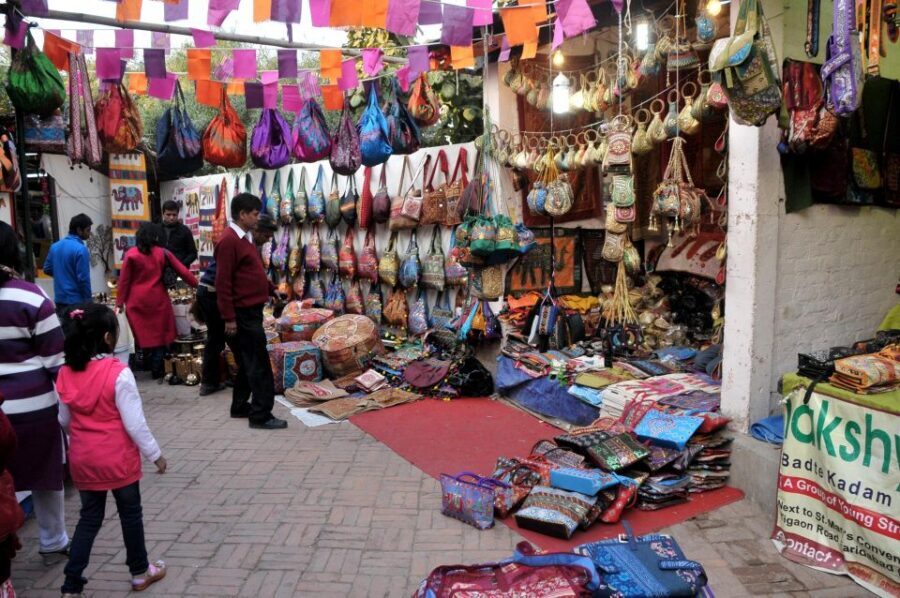
The tour begins at Shri Mankameshwar Mandir. A temple start is a smart choice because it sets a different mood right away. Before you hit the commercial buzz, you get time for guided sightseeing and a clearer sense of the place’s role in everyday faith.
What makes this first stop useful is the contrast. You’re not only seeing a building; you’re getting your bearings for the route ahead. You learn how local life organizes itself—where people gather, how movement works, and how quickly the area changes as you leave the temple grounds.
Practical note: the tour includes a guided visit, but monument entrance tickets are not included. So when you arrive, be ready for the possibility of a separate payment for entry, even though the guide helps with the process and timing.
Stop 2: Kinari Bazar via Rawat para, where the city feels lived-in
After the temple, you head toward Kinari Bazar via Rawat para. This is one of the tour’s best ideas because it’s not just about arriving at a market. The walking route matters: you’re seeing how neighborhoods connect to commerce.
Kinari Bazar is known for its role in everyday shopping, and this tour focuses on getting you into the right lanes. Your guide doesn’t just point; they explain what you’re looking at and why locals care. That’s what turns a market from visual chaos into something you can actually follow.
The smart part for you is that the route is guided and paced. Market streets can be overwhelming if you arrive on your own. Here, you have a plan and a guide who can steer you toward streets that make sense for your time.
You’ll also likely get a chance to see how street activity changes by the hour. Early enough, and you catch vendors setting up patterns; later, and the lanes can feel like constant motion. With only a 2-hour total window, this timing usually helps.
Stop 3: Seth Gali sweets, snack culture, and what to expect
Inside the Kinari Bazar area, the route includes a visit to Seth Gali, described as a famous street for sweets. This is where you get a food-and-culture payoff without turning the tour into a full-on food crawl.
The tour includes snacks, so you’ll have something to taste as part of the experience. That matters because sweets in Agra aren’t just dessert; they’re part of the social fabric. People buy them for daily moments, festivals, and gifting, and the street layout often mirrors that flow.
What I like about this portion is that it’s practical. You’re not just handed random samples. You’re walked along with explanations about what’s popular and how the shops function. That makes it easier to decide what you actually want after the tour too.
If you have any dietary restrictions, keep it simple with your guide. The tour data doesn’t specify special accommodations, so asking upfront is the safest way to avoid surprises in crowded sweet stalls.
You can also read our reviews of more historical tours in Agra





Stop 4: Jama Masjid, big architecture and a smoother entrance
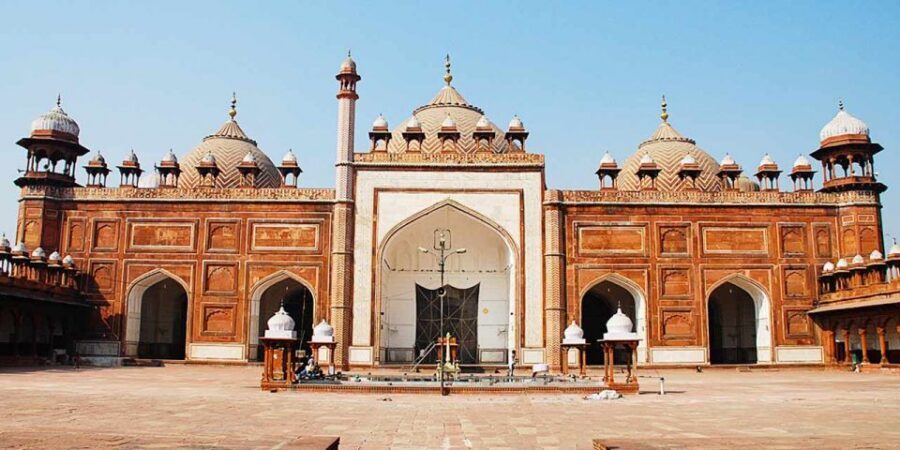
The tour’s final highlight is Jama Masjid. This is the payoff moment for most people: major architecture, scale, and a setting that feels important long before you fully understand the details.
You’ll visit with a guided explanation and then do the sightseeing on foot. The approach matters here: walking puts the building into context relative to the streets around it. Instead of seeing the mosque as a lone landmark, you understand how it sits inside the larger city fabric.
A big time-saver is the tour’s skip-the-line option via a separate entrance. You still have to follow on-site rules, and you may still face entry fees since monument entrance isn’t included. But having a separate entrance generally helps you avoid the longest delays.
Small practical tip: dress with respect for a mosque visit. Light layers help because mosque areas can feel cooler than the street, and you’ll be moving in and out over a short span.
Price and value: what $20 really covers (and what it doesn’t)
At $20 per person, this is a compact tour with clear value for the time you spend. Here’s what you get that makes the price feel fair:
- Hotel pickup and drop-off by tuk tuk/auto rickshaw
- Private tour guide
- Snacks and packaged mineral water
- All vehicle and travel expenses during the transfer parts
- Applicable taxes
What isn’t included is also important: monument entrance and personal expenses. That means your total spend could be slightly higher depending on which entry points require tickets and how you handle optional purchases in the market area.
But even with that, the tour often still works well for value. If you tried to do this on your own, you’d spend time coordinating transport and trying to figure out which streets and entrances make sense. Here, the guide handles the route logic and keeps your time anchored to a 2-hour plan.
Who this walking tour suits best (and who should rethink it)
This tour is a strong fit if you want:
- A short, city-walking experience in Agra
- A local-guided route through Kinari Bazar and nearby streets
- A mix of temple + market + mosque, without changing plans every hour
- The feeling of being guided through busy areas and narrow lanes
It may not be the best match if you:
- Want only major tourist sights with minimal street walking
- Dislike crowds and market noise
- Need a long seated or museum-style pace
It also works well for first-time visitors who have limited time. If your Agra schedule is tight between train times or sightseeing blocks, this kind of two-hour structure helps you fit something meaningful without exhausting your day.
Should you book the Agra Heritage Walking Tour?
I’d book it if you’re happy trading a bit of comfort for a more real, street-level view of Agra. The combination of tuk-tuk pickup, a private guide, and a route that connects Mankameshwar Mandir to Kinari Bazar sweets and then to Jama Masjid is a clean way to see multiple sides of the city without long travel breaks.
Skip it only if you know you want zero market wandering or you’re not willing to handle possible monument entry fees. Otherwise, this is an efficient, guided way to get beyond the obvious photo stops and understand how people actually move through Agra day to day.
FAQ
What is the duration of the Agra Heritage Walking Tour?
The tour lasts 2 hours.
How does pickup and drop-off work?
You get pickup from your chosen location in Agra (with options including Agra and Agra Cantt). Drop-off returns you to your selected location in Agra (Agra or Agra Cantt).
What stops are included on the walking route?
The tour includes Shri Mankameshwar Mandir, Kinari Bazar (via Rawat para), Seth Gali, and Jama Masjid.
What’s included in the tour price?
Included are hotel pickup and drop-off by three-wheeled auto rickshaw/tuk tuk, a private guide, snacks, packaged mineral water, vehicle/travel expenses, and applicable taxes.
Are monument entrance fees included?
No. Monument entrance is not included.
What languages are the live guides?
The live tour guide is available in English and Spanish.
—
If you tell me your exact pickup area (Agra Cantt vs city hotel, and what time window you’re aiming for), I can help you plan how this 2-hour walk fits with nearby sights and meals.