REVIEW · NEW DELHI
Five Course Cooking Class & Meal
Book on Viator →Operated by TASTESUTRA · Bookable on Viator
Spice lessons with a real meal at the end. This five-course workshop at Tastesutra is a practical way to understand Indian flavor, not just memorize recipes. It’s held near Lajpat Nagar Metro, and the focus is on cooking step-by-step with spices and ingredients you can recognize after you go home. I especially love the spice education, explained in a way that connects cause and effect in the pan.
I also love that you cook the whole thing, not sit and watch. You’ll work through multiple courses in the same session, guided by hosts/instructors such as Sonal, Anchal, Sonam, or Alchan, depending on the class. The kitchen setup is clean and organized, and the teaching is warm and clear.
The one possible drawback: because you’re making five courses (plus breads, rice, dessert, and at least one beverage) in about 3 hours, the pace can feel busy. If you like slow, leisurely cooking, you’ll want to take notes and ask questions early so nothing passes you by.
Key highlights worth your attention
- Near Lajpat Nagar Metro so you can start and finish without complicated transport plans
- Five courses in one session, including chicken, paneer, lentils, seasonal vegetables, rice, breads, and dessert
- Hands-on cooking for all participants, not a spectator show
- Dietary options available for vegetarian/vegan and gluten-free, if requested at booking
- Recipes to recreate at home, shared after the class by email in many cases
- Small-group feel with a cap of 20 people, and it’s private to your group
In This Review
- Getting to Tastesutra: the Lajpat Nagar advantage
- The real format: hands-on cooking with a spice-first mindset
- What you’ll cook: the five-course lineup (and what each part teaches)
- Spice skills you can repeat after Delhi
- Meal time: lunch and drinks with what you made
- Vegetarian and gluten-free options that are actually workable
- The clean, friendly studio vibe (and why it matters)
- Getting recipes to recreate your meal at home
- Price and value: is $60.82 worth it?
- Who should book this class in Delhi, and what to know first
- Should you book this five-course class near Lajpat Nagar?
- FAQ
- How long is the cooking class?
- Where is the meeting point?
- What’s included in the price?
- Does the class include meat?
- Can you accommodate gluten-free needs?
- Is the class private?
- How many people are in a class?
- Will I get recipes to take home?
- What is the cancellation window?
Getting to Tastesutra: the Lajpat Nagar advantage
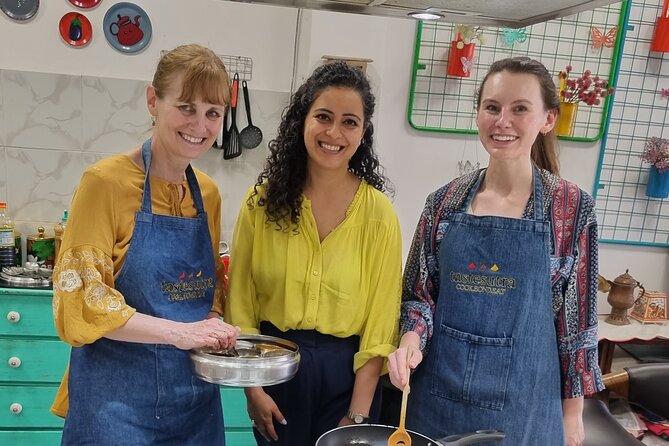
This class is set up for real life, which I like. You meet at Tastesutra Cooking Studio on the first floor, A-20, near Lajpat Nagar Metro Station in Lajpat Nagar II (Block A). That’s a big deal in Delhi. When a cooking class is near transit, you spend less time maneuvering and more time smelling cardamom in the air.
There’s also a simple, low-stress logistics vibe: you get a mobile ticket, and the activity ends back at the meeting point. That means you’re not stuck doing the awkward thing where you wonder how to get home after dinner—your return route is basically built in.
Plan for being there on time. In a hands-on class, timing matters because you’re cooking multiple components. Arrive a few minutes early, get settled, and you’ll start in the right rhythm.
The real format: hands-on cooking with a spice-first mindset
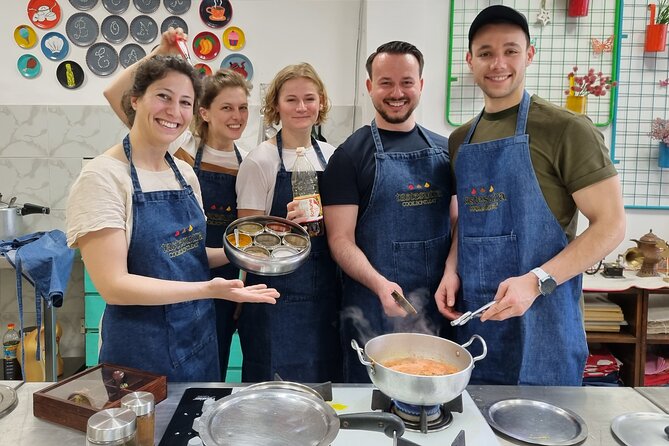
This isn’t a sit-back lecture. From the start, you get hands-on experience with each stage of food-making—mixing, seasoning, and learning when spices go in. The instructors tend to explain not only what to do, but what changes when you do it differently.
You can feel the teaching philosophy in the way the lessons are structured. You’re learning the logic of Indian cooking: how spices combine, how ratios matter, and why the same ingredient can taste totally different depending on timing and heat. One reviewer even highlighted learning when to add spices, which is the kind of detail that turns home cooking into actual Indian-style cooking rather than guesswork.
The pace is part of the challenge and the fun. You’ll move through different stations and tasks, and you’ll likely switch between cooking and sampling. If you’re the type who learns by doing, this format clicks fast.
You can also read our reviews of more tours and experiences in New Delhi.



What you’ll cook: the five-course lineup (and what each part teaches)
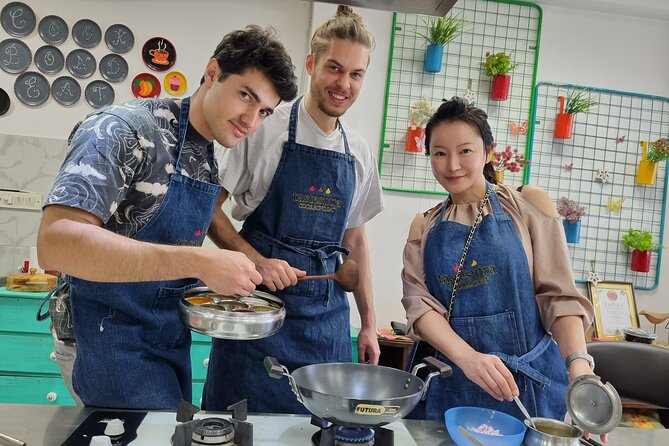
The menu is built like a training plan. You’ll cook (or actively prepare) a set of courses that cover the core building blocks of Indian meals. Expect:
- one beverage
- a chicken dish
- a paneer dish
- lentils
- a seasonal vegetable dish
- rice
- breads
- a dessert
Even without the specific dish names, the structure is smart. Each category teaches you a different kind of flavor work:
- Chicken gives you practice with spiced seasoning and building depth.
- Paneer is your lesson in handling dairy and getting texture right.
- Lentils teach you how to balance heaviness with spice and thickness.
- Seasonal vegetables show how heat and seasoning change when the ingredient is lighter.
- Rice and breads train you on the basics that hold the whole meal together.
- Dessert gives you a sweet ending so you don’t just leave with dinner skills.
And yes, there’s a good chance the class includes regional touches beyond the bare minimum. One review described sessions starting with lassi and doing multiple curry styles. Since menus can vary by timing, use this as encouragement: you’ll likely get a few choices and teaching variations depending on what your instructor brings to that day’s plan.
Spice skills you can repeat after Delhi
Here’s the part that separates a good cooking class from a “pretty meal” experience. The goal isn’t just eating. It’s understanding flavor construction.
You’ll get a real introduction to Indian spices and ingredients, with explanation on how spice blends change flavor when you adjust the amounts and when you add them. Reviewers repeatedly called out the clarity of explanations—especially the practical teaching moments like mixing spices and understanding where each spice fits in the cooking process.
You’ll also learn small habits that matter. Think along the lines of:
- how to recognize when spices are doing something (fragrant, toasted, raw)
- how seasoning can shift between tasting and finishing
- how traditional cooking methods aim for balanced flavor rather than “more chili always”
If you’ve ever tried to recreate an Indian dish at home and it tasted close but somehow not right, this is where the class earns its price. You’re getting the underlying logic, not just steps.
Meal time: lunch and drinks with what you made
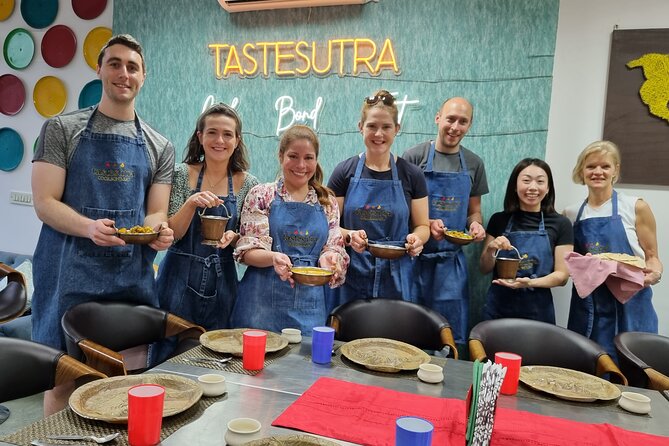
After the cooking, you sit down and enjoy your freshly prepared meal. Included in the experience are lunch and beverages. This matters because it lets you do the full cycle: cook, smell, taste, and then connect the final result back to your decisions in the pan.
In Indian cooking, eating is part of learning. You can tell whether your spice balance landed where it should. You can also learn what “done” looks and tastes like across dishes: creamy, spiced, tender, lightly sweet, and so on.
If you’re worried about the class ending with cafeteria-style food, don’t. The theme across the feedback is that you end up with a real feast—plus you get to eat everything you personally helped create.
Vegetarian and gluten-free options that are actually workable
Good news if you don’t eat everything on the menu. Vegetarian and gluten-free options are available and can be specified at booking. That means you can keep the spirit of the class without sacrificing your diet.
Here’s how to think about it: the class is about learning technique and flavor structure. If you’re vegetarian, you’ll still get practice with spice-building, dairy handling (if paneer is used for your version), lentils, and breads/rice. If you need gluten-free, you should confirm which breads or alternatives are used for your specific class so you don’t get surprised at the table.
One practical tip: when you book, be explicit. Ask for vegetarian/vegan and gluten-free at the time of reservation. The class info is clear that this needs to be advised at booking to get the right menu setup.
Also, since the main menu includes a chicken dish, your version should be tailored if you don’t eat meat. Don’t wait until you arrive; message or note it during booking so the kitchen can plan properly.



The clean, friendly studio vibe (and why it matters)
A kitchen can look fine and still feel stressful. This one tends to feel the opposite. Multiple reviews praised an impeccably clean venue and friendly, accommodating hosts.
That cleaning/comfort piece isn’t small. When you’re chopping, mixing, and cooking, you need clear workspace and organized stations so you don’t feel rushed or confused. Clean tools also matter because spice cooking can get messy fast. If the kitchen is well kept, you get to focus on learning instead of worrying about the setup.
You’ll also notice that the hosts bring personal storytelling into the lesson—daily customs, eating customs, and family-style table manners. That cultural context isn’t random decoration. It helps you understand why certain dishes are built the way they are and how people expect them to taste together.
Getting recipes to recreate your meal at home
The class positions itself as a souvenir: you should be able to replicate the dishes after your vacation ends. In practice, that means you get recipe material to take home. One review specifically noted receiving the recipes by email after the class, which is exactly what you want on a busy week later.
I like this approach because it reduces the common problem with cooking classes: you leave with good memories but no usable plan. When you have recipes in writing, you can reproduce the flavor at home and remember which spice blend went where.
When you get the recipes afterward, do two things:
- cook one dish within a week while the smells are still fresh
- write down any tweaks you made in class (heat level, texture you liked, seasoning you adjusted)
That little habit turns the lesson into skills, not just photos.
Price and value: is $60.82 worth it?
At $60.82 per person, this is priced like a serious cooking workshop, not a quick demo. And for the cost, you’re getting several components that add up:
- about 3 hours of hands-on instruction
- a multi-course meal you helped cook
- beverages included
- learning focused on spices, ingredients, and when to add them
- vegetarian and gluten-free options when requested
- a private setup for your group (no mixing with random strangers)
Value is about what you practice, not just what you eat. Here, you practice cooking technique across multiple dish categories and learn the logic behind spice use. If you’re the kind of traveler who prefers active experiences over museum time, this is a strong deal.
If you’re only looking for a taste of Indian food and don’t care to learn, you may feel like it’s more workshop than dinner. But if you want to come back from Delhi with confidence in your own kitchen, the format matches the goal.
Who should book this class in Delhi, and what to know first
This works best for:
- food lovers who enjoy cooking or want a structured way to learn
- couples or small groups who want a private, hands-on activity near transit
- vegetarians or gluten-free diners willing to request menu adjustments at booking
- anyone who wants spices explained in plain terms, not chef mystique
Before you go, keep a few things in mind:
- Expect a fast schedule. You’re making a lot in about 3 hours, so ask questions early.
- Bring your curiosity about spice timing. That’s one of the biggest learning takeaways.
- If you’re sensitive to spice, plan to communicate your preference when you arrive. Many Indian spice dishes can be adjusted, and one review even mentioned being able to cook with less chili.
- Wear comfortable clothes you don’t mind getting a little cooking-scented. Spices get into fabric. It’s part of the deal.
One more note: classes run with a minimum of 2 people per booking and a maximum of 20. That usually keeps the environment manageable.
Should you book this five-course class near Lajpat Nagar?
Yes, I think you should book it if you want a Delhi experience that’s practical and repeatable. This isn’t just about leaving with a full stomach. It’s about leaving with a better sense of how Indian flavors are built—especially the when behind spice use.
Book this class if:
- you want hands-on cooking and clear explanations
- you care about dietary accommodations and will request them at booking
- you like learning a method you can reproduce at home with the recipe support afterward
Skip it only if:
- you prefer a slower, minimalist lesson where you cook just one dish slowly
- you don’t want any meat cooking involved at all and can’t confirm your menu swap in advance (vegetarian options exist, but you should set that up during booking)
FAQ
How long is the cooking class?
It runs for about 3 hours (approx.).
Where is the meeting point?
You’ll meet at Tastesutra Cooking Studio, First Floor, A-20 near Lajpat Nagar Metro Station, Block A, Lajpat Nagar II, New Delhi.
What’s included in the price?
The experience includes beverages and lunch.
Does the class include meat?
The planned menu includes a chicken dish. Vegetarian and vegan options are available if you request them at booking.
Can you accommodate gluten-free needs?
Yes. Gluten-free options are available and should be specified at booking.
Is the class private?
It’s a private tour/activity, meaning only your group participates.
How many people are in a class?
A booking has a maximum of 20 people.
Will I get recipes to take home?
The experience is designed so you can replicate dishes after your trip, and you receive recipe information afterward by email in many cases.
What is the cancellation window?
You can cancel up to 24 hours in advance for a full refund. If you cancel less than 24 hours before the start time, the amount paid is not refunded.
If you tell me your dietary needs (vegetarian/vegan, gluten-free, spice comfort), I can suggest what to double-check when you book so the menu matches what you want.