REVIEW · NEW DELHI
Old Delhi Tour with Local Experience
Book on Viator →Operated by Delhi by Locals · Bookable on Viator
Old Delhi can feel like a firehose. This 3-hour walk-and-ride tour gives you a clean plan through the parts you’d miss on your own. You’ll move like locals using the metro, then hop into a rickshaw for the close-up moments that make Old Delhi real.
What I like most is the way the guide ties each stop to daily life, not just monuments. The tea break in a local shop feels practical (and needed), and the bottled water included keeps the heat and shopping crowds from stealing your energy.
One heads-up: this is city-walk sightseeing at a busy pace. If you don’t like crowded lanes or short bursts of walking, you may find the tempo a bit intense.
In This Review
- Key highlights you’ll notice right away
- Why this Old Delhi route works (metro, rickshaw, and a real plan)
- Chandni Chowk: the sight that sets your bearings fast
- Nai Sarak (2584–2585): the food-market lane you’ll want to linger on
- Gurudwara Sis Ganj Sahib: community service, not just a photo stop
- Kinari Bazaar: the wedding market where festivals show up
- Gali Paranthe Wali: a quick intro to India’s paratha obsession
- What’s included, and why it adds value
- Timing, group size, and the pace you should expect
- Starting point in Connaught Place: easy to anchor your day
- Price: is $30 worth it for metro, rickshaw, and tea?
- Who should book this Old Delhi metro and rickshaw tour
- Should you book this Old Delhi tour?
- FAQ
- FAQ
- How long is the Old Delhi tour?
- Where does the tour start?
- How does the tour ticket work?
- What transportation is included?
- What’s included in the price?
- Are there admission fees for the stops?
- What stops are included?
- How big is the group?
- What fitness level do I need?
- What is the cancellation policy?
Key highlights you’ll notice right away
- Metro + rickshaw in one route so you get both local rhythm and street-level excitement
- Guided context at every stop so you understand what you’re seeing, not just where it is
- Tea in a local shop built into the flow, not tacked on as an optional extra
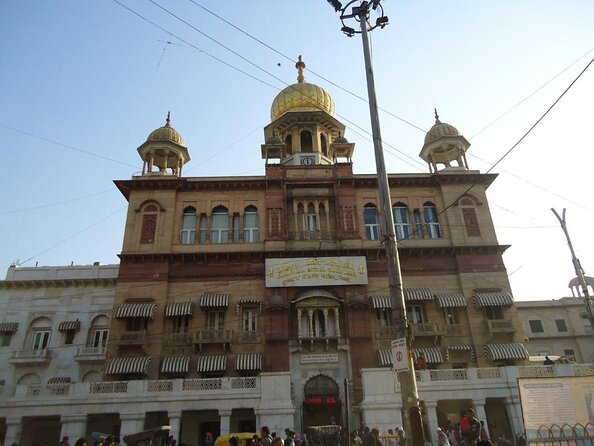
- Gurudwara Sis Ganj Sahib with a look at Sikh community service and the kitchen setting
- Wedding market time at Kinari Bazaar where the festival vibe is part of the story
- Free-admission stops across the main Old Delhi picks on the route
Why this Old Delhi route works (metro, rickshaw, and a real plan)
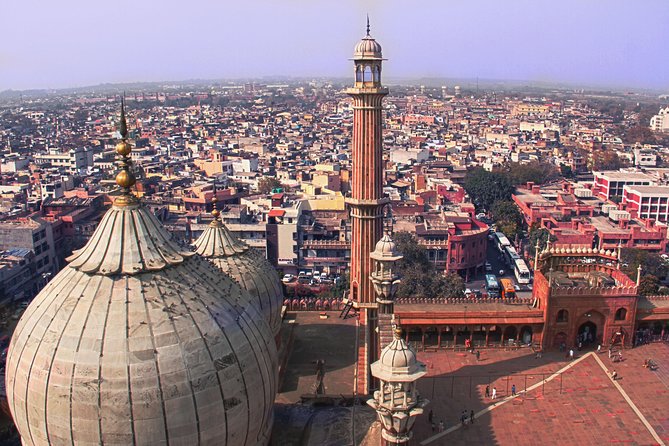
Old Delhi is famous for being loud, crowded, and visually intense. That’s exactly why I like tours like this one: they give you an order to the chaos. In about three hours, you get a guided pass through big-name spots and the food-and-market streets that actually shape daily life.
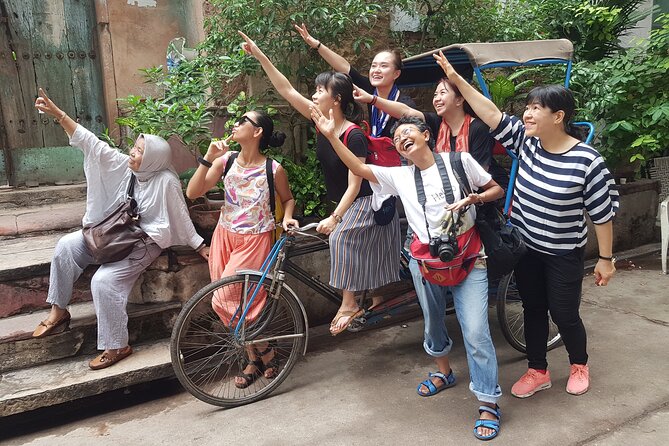
The combo of public transit and a rickshaw ride matters. The metro helps you avoid wasting time stuck in traffic or hunting for the right lane. Then the rickshaw brings you back to street scale—small sights, close turns, and the kind of movement that makes you feel the neighborhood.
The tour also keeps things efficient. The stops are short and purposeful, so you’re not stuck standing around waiting for the group to catch up. You’re led through the market logic, then you’re on to the next pocket of Old Delhi.
You can also read our reviews of more tours and experiences in New Delhi.



Chandni Chowk: the sight that sets your bearings fast
Chandni Chowk is the classic Old Delhi entry point for a reason: it’s where you can instantly see how the old city operates. On this tour, you get a guided walkthrough that focuses on stories behind the lanes and the reason people come here in the first place.
Expect a quick orientation stop—about 5 minutes—so you don’t get stuck in one spot. It’s less about a long photo session and more about building understanding: which streets feel like they’re for commerce, which areas feel ceremonial, and where the crowd patterns tell you what’s important.
A good guide makes a difference here. In the feedback I’ve seen from this experience, guides named Pradeep and Salmon are singled out for being friendly and attentive. That matters on Chandni Chowk, because the place moves fast and it’s easy to feel overwhelmed without context.
Nai Sarak (2584–2585): the food-market lane you’ll want to linger on
After Chandni Chowk, the tour shifts into a more specific shopping-food zone at 2584–2585, Nai Sarak. This is one of those streets where the point is the variety—spices, ingredients, and the everyday stuff people buy to cook.
You get a short walk here (about 10 minutes). That’s long enough to sense the character of the market without turning the experience into a full shopping expedition. The goal is to show you how the market works: what’s sold close together, how vendors display goods, and why the street feels like it belongs to food lovers.
Important practical note: this area is focused on commerce, so it can be sensory overload. If you have fragrance sensitivity or you dislike tight crowds, keep your expectations realistic. You’ll see plenty, but you won’t have a quiet lane to stand and breathe.
Gurudwara Sis Ganj Sahib: community service, not just a photo stop
One of the most meaningful stops is Gurudwara Sis Ganj Sahib. Here, the tour isn’t only about architecture or religious sights. It’s about understanding Sikhism through the lens of community service.
You’ll learn how the community kitchen operates, and the experience notes that if you’re up for it, you can even try your hand at cooking in the kitchen setting. Even if you don’t participate, the idea changes how you see the building. Instead of thinking of it as scenery, you start thinking of it as a working community center.
This stop lasts about 15 minutes, which is enough time to absorb the basic context without rushing you out immediately. It’s also a nice break from the “shop-shop-shop” rhythm of the bazaar streets, because it slows the experience down emotionally, even if the area still has visitors.
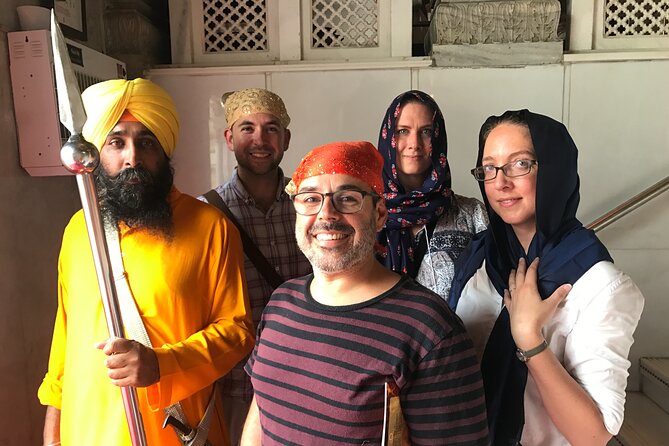
Practical tip: wear clothing that lets you move comfortably and follow local customs at the gurdwara. The tour doesn’t focus on these details, but they matter in real life.
Kinari Bazaar: the wedding market where festivals show up
Then you shift into Kinari Bazaar, which the tour frames as the colorful wedding market of Old Delhi. This is the kind of place where the best parts aren’t just objects—it’s how the market looks during different festival seasons.
You’ll get a short look (about 10 minutes) and watch the way the market changes with celebration cycles. That’s a small time window, but it’s guided in a way that helps you connect what you see with why it appears here in the first place.
What makes this stop valuable is its role in understanding Old Delhi as a living system. Chandni Chowk and the food lane show daily commerce. Kinari Bazaar shows event commerce—how the city supplies big moments like weddings and festivals.
If you’re hoping to buy something, be ready for personal shopping not being part of the tour package. The experience includes sightseeing and guided context, not shopping budget. Still, even without buying, it’s worth seeing how the wedding-market economy works.



Gali Paranthe Wali: a quick intro to India’s paratha obsession
The tour ends at Gali Paranthe Wali, which is basically paratha culture in street form. You’ll get a short stop (about 5 minutes), focused on understanding the process behind one of India’s most famous foods: paranthas.
This stop is short on purpose. It’s a taste of food heritage and an easy way to end the day’s theme: food in Old Delhi isn’t just something you eat at a restaurant. It’s baked into street lanes, ingredients, and routines.
If you love food travel, you’ll likely want to keep going after the tour. But even if you don’t add any extra meals, the guided explanation helps you see why paratha shops and the surrounding lanes matter in this neighborhood.
What’s included, and why it adds value

At $30 per person, the value is mainly in what’s taken care of for you. This is not just a “walk with a guide” type of deal.
Included:
- Professional guide
- Metro ride
- Rickshaw ride
- Local tea
- Bottled water
- Mobile ticket (easy to use)
Here’s how that changes your experience. When metro and rickshaw are included, you don’t spend time figuring out the route and timing. When tea and water are included, you’re less likely to lose momentum when the day gets hot or crowded. And a local guide helps you interpret what you’re seeing—especially in markets, where a random walk can feel like you’re just surrounded by stuff.
The tour also lists personal shopping as not included. That’s actually a good thing for value-focused travelers: you’re paying for the guided route and included experiences, not for optional extras that may or may not match your interests.
Timing, group size, and the pace you should expect
This tour runs for about 3 hours. It’s short enough to fit into an afternoon, especially if you land in Delhi in the morning or want Old Delhi without committing the whole day.
Group size is also kept small:
- Maximum 5 people per booking
- Maximum 10 travelers overall for the experience
Small groups are a big deal in a place like Old Delhi. You’ll be able to hear the guide more easily, and the route stays flexible enough to keep everyone moving together. It also makes the tea stop feel more like part of the tour rather than a pit stop.
The tour calls for moderate physical fitness. Translation: you’ll do some walking in crowded areas and you’ll move between sites efficiently. If you have mobility limitations, you should think carefully before choosing this one.
Starting point in Connaught Place: easy to anchor your day
The meeting point is at Inner Circle, Block A, Connaught Place, New Delhi. That’s a useful anchor if you’re staying somewhere in central New Delhi, because it’s easier to plan your route than meeting deep inside the maze of Old Delhi streets.
The tour ends back at the meeting point, which helps you avoid extra transit planning. For a short 3-hour tour, returning to your start location is a surprisingly big comfort.
Price: is $30 worth it for metro, rickshaw, and tea?
Let’s do the practical math in your head. You’re paying $30 for:
- a guide,
- metro transport,
- a rickshaw ride,
- bottled water,
- and local tea,
plus guided stops at multiple key Old Delhi locations.
In a city like Delhi, transport plus a guide often costs more than many travelers expect. Here, those pieces are bundled. The result is a smoother, less stressful afternoon than doing it independently on your own timeline.
The only reason I wouldn’t call it a slam dunk is if you already know how to navigate Old Delhi by transit and you’re comfortable improvising in crowded markets. If that’s you, you might be able to do a cheaper self-guided route. But if you want context and a managed flow, this price is the kind of deal that lets you focus on the experience instead of logistics.
Who should book this Old Delhi metro and rickshaw tour
This works best for you if:
- you want a short Old Delhi plan that doesn’t eat your whole day,
- you enjoy markets and food culture,
- you’re curious about Sikh community life and the gurdwara setting,
- you like guided interpretation more than wandering blindly.
It’s also a smart option if you’re new to Delhi or you don’t want to spend time figuring out how to move efficiently through traffic-heavy areas.
You might want to skip or choose something gentler if:
- you dislike crowds and prefer quieter sightseeing,
- you’re very sensitive to heat and noise,
- you don’t like walking between frequent stops.
Should you book this Old Delhi tour?
Yes, you should book it if you want an afternoon that feels organized, local, and value-focused. The metro + rickshaw mix is a great way to experience Delhi without turning your day into a transport puzzle. And the included tea and water are small details that make a real difference in markets, where stopping to recharge can be harder than it sounds.
I’d skip it only if crowds and a moderate walking pace will wear you down fast. Otherwise, it’s an efficient way to see major sights plus market culture in about three hours.
FAQ
FAQ
How long is the Old Delhi tour?
It lasts about 3 hours.
Where does the tour start?
The tour starts at Inner Circle, Block A, Connaught Place, New Delhi, Delhi 110001.
How does the tour ticket work?
You receive a mobile ticket.
What transportation is included?
The tour includes a metro ride and a rickshaw ride.
What’s included in the price?
The price includes a professional guide, rickshaw ride, metro ride, local tea, and a bottled water bottle.
Are there admission fees for the stops?
The listed stops show admission ticket free.
What stops are included?
The stops are Chandni Chowk, 2584–2585 Nai Sarak, Gurudwara Sis Ganj Sahib, Kinari Bazaar, and Gali Paranthe Wali.
How big is the group?
There’s a maximum of 5 people per booking, and the experience allows a maximum of 10 travelers.
What fitness level do I need?
The tour recommends a moderate physical fitness level.
What is the cancellation policy?
You can cancel for free up to 24 hours in advance for a full refund. If you cancel less than 24 hours before the start time, you won’t get a refund.