REVIEW · NEW DELHI
Delhi Agra Jaipur 3 Days Golden Triangle Tour
Book on Viator →Operated by Bagga India Tour · Bookable on Viator
A three-day Golden Triangle can feel like a sprint. This one stays focused on the big-name stops, with private transfers and guided visits that help you spend your energy on the sights, not logistics. You’ll go from Delhi’s Mughal monuments to the Taj region, then land in Jaipur for forts, palaces, and the UNESCO-listed sky-and-stone science of Jantar Mantar.
I like that the itinerary builds in real variety: a cycle rickshaw ride through Old Delhi plus major landmarks like Humayun’s Tomb and Jama Masjid. I also like that you don’t need to wrestle with traffic and ticket lines on your own because you get a chauffeur, live government-approved guides, and skip-the-line entry when you choose the entrance-fee option.
One thing to consider: the tour price does not cover hotel stays, meals, and entrance fees unless you select that option. Also, because it’s a fast 3-day plan, you’ll want to keep expectations realistic about pacing and rest.
In This Review
- Key things that make this Delhi–Agra–Jaipur plan worth your attention
- Golden Triangle in 3 days: Delhi to Agra to Jaipur without backtracking
- Private chauffeur, government guides, and the entrance-fee choice that affects cost
- Day 1 Delhi highlights: Lotus Temple, Humayun’s Tomb, and Old Delhi by cycle rickshaw
- Day 2 Agra at sunrise: Taj Mahal, Agra Fort, and Baby Taj timing
- Day 3 Jaipur morning to evening: Amber Fort area, Hawa Mahal, City Palace, Jantar Mantar
- Where the route feels rushed: practical timing, closures, and what to pack
- Who should pick this tour (and who might want 4–5 days instead)
- Should you book this Delhi–Agra–Jaipur Golden Triangle tour?
- FAQ
- What cities does the tour cover in 3 days?
- Are hotel stays included in the tour price?
- Are monument entrance fees included?
- Can I visit the Taj Mahal at sunrise?
- Is a cycle rickshaw ride included in Old Delhi?
- What if Lotus Temple is closed on my tour day?
Key things that make this Delhi–Agra–Jaipur plan worth your attention
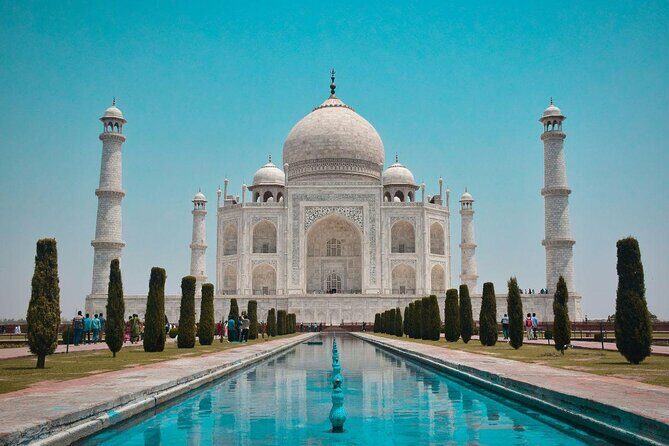
- Sunrise Taj Mahal timing plus an early start that makes a huge difference for photos and atmosphere
- Old Delhi by cycle rickshaw, a fun break from sitting in the car all day
- Government-approved city guides in each place, so you’re not just looking at buildings
- Entrance-fee option changes your total cost, especially if you don’t want to think about ticketing
- Clear accommodation setup: you pick the hotel, and the tour handles pickup and drop-off
Golden Triangle in 3 days: Delhi to Agra to Jaipur without backtracking
If you want the classic Delhi–Agra–Jaipur circuit but you only have a short window, this route is built for that. The structure is simple: major stops day by day, overnight in Agra, then a full Jaipur day, with a return drive back to Delhi on day three. You’ll cover a lot, but you won’t be bouncing back and forth between cities.
What makes it feel “worth it” is the way the days are grouped. Delhi is concentrated on Mughal-era sights and the monumental core around New Delhi, then Old Delhi finishes with the market-energy of Chandni Chowk. Agra locks onto the Taj area plus Agra Fort and the Baby Taj region, then Jaipur delivers forts, palaces, and Jantar Mantar in one pass.
This is also the kind of tour that matches how India actually runs. The pace is brisk, and road travel is part of the day. If you can handle early mornings and a packed schedule, you’ll likely enjoy how efficiently you get the big icons without feeling lost.
You can also read our reviews of more tours and experiences in New Delhi



Private chauffeur, government guides, and the entrance-fee choice that affects cost
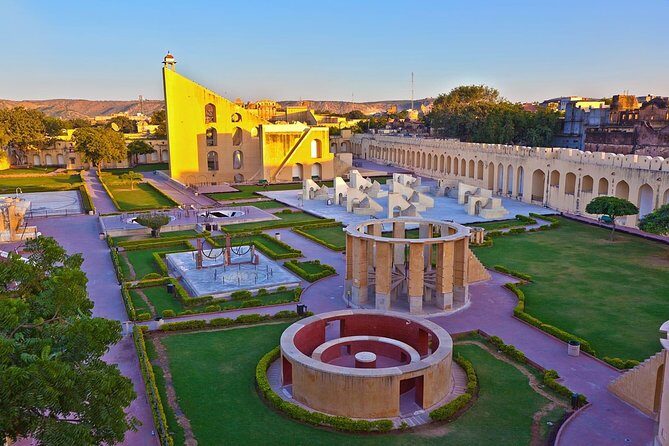
You’re paying for more than a list of landmarks here. The included essentials are a private air-conditioned vehicle with chauffeur, and live government-approved city guides in each city. That matters because each stop works better with context—why it was built, what you’re seeing, and what details you should notice.
The other big money lever is entrance fees. The tour includes all monument entrance fees only if you booked the option with entrance fees. If you didn’t, there’s an additional $70 per person for entrance tickets. That’s important for budgeting, because the Golden Triangle is not a “free sites only” kind of trip.
Your stated base price is $30 per person, and that’s very low for a 3-day private-style plan. In practical terms, your real total will depend on three things you control:
- your hotel choice (not included)
- your entrance-fee option
- meals (not included)
Also, expect you’ll be asked for a passport photo copy before traveling. It’s a small step, but it helps avoid problems when you’re moving between secured entrances and guide checkpoints. And yes, you get a mobile ticket, which is handy when you’re doing multiple entries across three cities.
Day 1 Delhi highlights: Lotus Temple, Humayun’s Tomb, and Old Delhi by cycle rickshaw
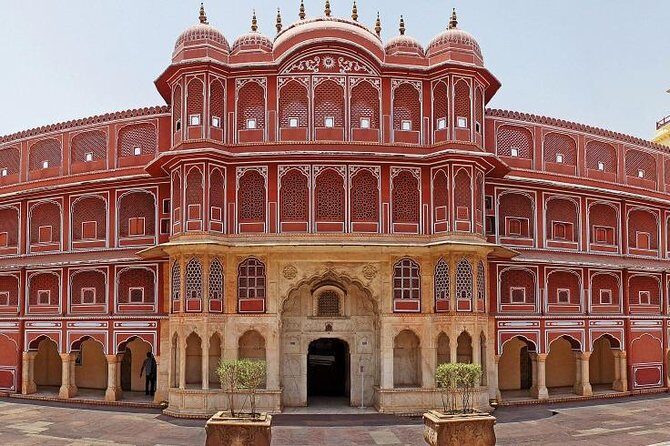
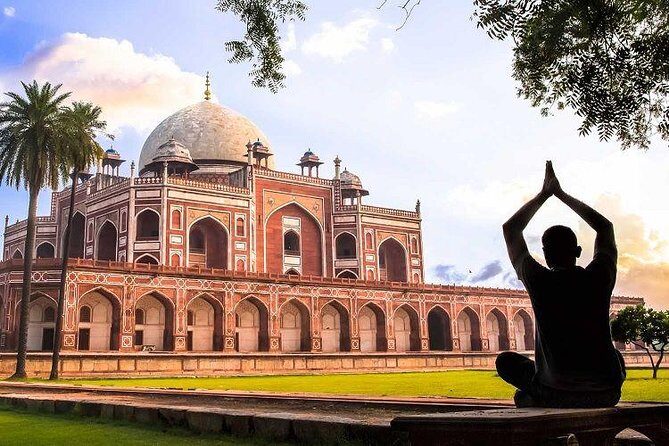
Day one gives you a clean split personality: modern-and-imperial monuments in New Delhi, then the more intense, historic lanes of Old Delhi. The day starts with a pickup from your hotel at 9:00am after breakfast. From there, you begin with the peaceful geometry of Lotus Temple—free and easy to photograph—then move into Mughal gravitas at Humayun’s Tomb.
Humayun’s Tomb is one of the places where the guide time pays off. You’re there for the tomb of Mughal Emperor Humayun, but the value is in understanding the garden layout and why these Mughal complexes feel designed rather than random. Admission is listed as included, so you’re not juggling ticket decisions in the moment.
After that, the itinerary shifts toward the national capital sights. You’ll visit Gandhi Smriti near India Gate, then India Gate itself, with the names of the fallen carved into the structure. From there, you do quick photo stops around Rashtrapati Bhavan and Parliament House, then head into Old Delhi for major religious and historic landmarks.
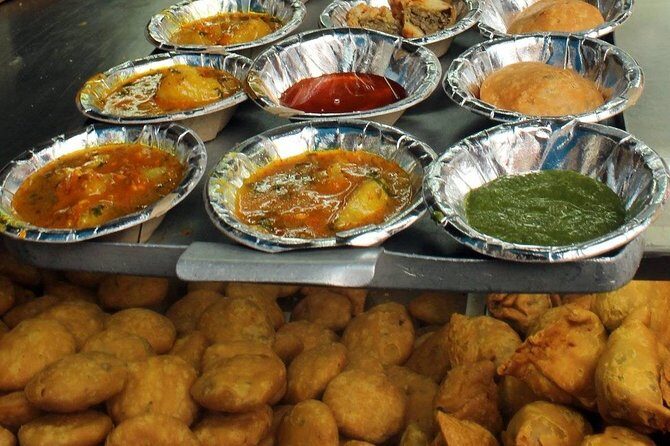
The Old Delhi section is where the tour gets fun. Jama Masjid is on the list (admission included), and it’s described as one of the world’s largest mosques and a UNESCO World Heritage Site. Then you hit Red Fort, and you end the day in Chandni Chowk with time to browse the market atmosphere. The highlight is the included cycle rickshaw ride in Old Delhi, which breaks the long-city-feel and lets you move through tighter streets at a human pace.
One note on pacing: day one is not just Delhi sightseeing—it’s a step-up in energy. If you know you’re sensitive to crowded walking, plan to wear comfortable shoes and keep your water bottle handy. The tour provides complimentary mineral water bottles, which is a nice touch when the day gets warm.
Day 2 Agra at sunrise: Taj Mahal, Agra Fort, and Baby Taj timing
Agra is built around one moment: seeing the Taj Mahal at sunrise. The schedule is explicit that the early timing is the best time to visit, and that’s exactly when the light is softer and the crowds tend to be more manageable. You’ll want to be ready for an early start because the payoff is linked to that timing.
After the Taj visit, you go back to the hotel for breakfast, then check out and continue with Agra Fort and the Baby Taj area. Agra Fort is listed as an included-ticket stop and is connected to Mughal Emperor Akbar. The practical value here is that you’re switching from a single iconic monument to a fortified complex—different architecture, different angles, and a different kind of viewing.
Next comes Itmad-ud-Daula, often called the Baby Taj. This stop is short but memorable, and the itinerary gives you a choice: you can visit inside, or you can step back for photos from outside. That flexibility is useful. If your energy is running low after sunrise and breakfast, you can still get the visuals without forcing a full inside tour.
You also stop at Fatehpur Sikri on the way toward Jaipur. It’s listed as admission-free and described as a cluster of red sandstone buildings around the center, founded by a 16th-century Mughal Emperor. Even if you only have about an hour there, it’s a good “in-between” stop that prevents the day from being only highway and one monument after another.
By the end of day two, you’re transferring from Agra to Jaipur, which is why overnight in Agra matters. It keeps day two from becoming a nonstop cram-fest of drive-plus-walk-plus-drive.
Day 3 Jaipur morning to evening: Amber Fort area, Hawa Mahal, City Palace, Jantar Mantar
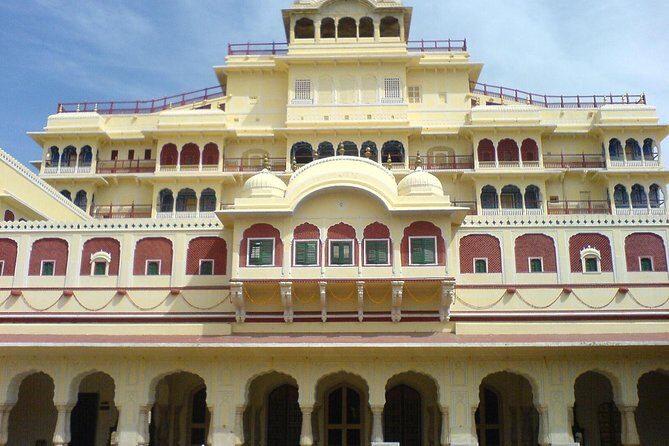
Jaipur gets the most stops, but they’re the right kind. This is the day you see palaces, forts, and the signature Rajput astronomical site—things that look like art, but were built to function.
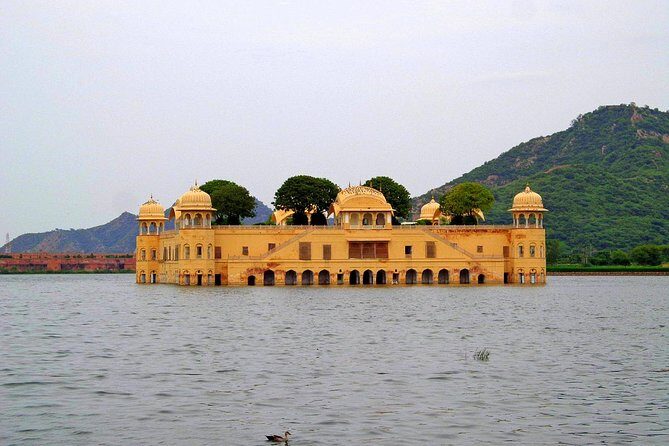
The day starts after breakfast with checkout and pickup for Jaipur guiding. The tour includes stops around Amber Fort, City Palace, Hawa Mahal, and Jantar Mantar. It also mentions Jal Mahal, the water palace sitting in the middle of Man Sagar Lake, with a short stop time.
Let’s talk about what each stop does for you:
- Hawa Mahal (Palace of Breeze): You’re seeing the famous facade designed for ventilation and viewing. It’s the kind of building where your guide can point out what you’re actually looking at instead of it just becoming a pretty wall.
- Amber Fort area: This is part fortress, part royal stronghold feel. It’s also close enough to other heritage sites that the day stays efficient.
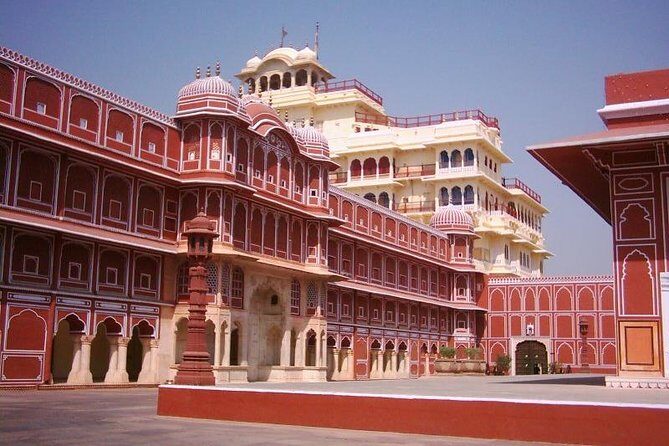
- City Palace: You get the Maharaja’s City Palace and the part that relates to the erstwhile royal family. The value is in seeing how the power center shaped the city’s layout.
- Jantar Mantar: This is the big intellectual one. The itinerary describes nineteen astronomical instruments built by Rajput king Sawai Jai Singh, including the world’s largest stone sundial, and it’s UNESCO-listed. When you’re there with a guide, the instruments stop being strange stone shapes and start making sense.
You also visit Panna Meena ka Kund, a three-step stepwell near Amber Fort. It’s described as a heritage water-harvesting structure. That’s a nice shift from palaces and forts into practical engineering—something you can appreciate visually, even if you’re not a water-history nerd.
Expect a full day. You’ll finish with a drive back to Delhi and drop off at your chosen endpoint: airport, railway station, or hotel. That final leg is part of the plan—so give yourself a comfortable buffer if you have onward travel.





Where the route feels rushed: practical timing, closures, and what to pack
This tour is designed to hit big monuments quickly, so the biggest “gotcha” is not the ticket line—it’s your schedule expectations. Three cities means long road days, and you’ll likely spend more time moving than you would on a slower trip.
Two closures matter for planning. Taj Mahal is closed every Friday, so if your dates include a Friday, sunrise Taj plans won’t happen as described. Lotus Temple is closed every Monday, and the tour notes you can visit Birla Temple instead. If you can choose dates, avoid those closure days to keep the itinerary feeling like the plan you imagined.
Then there’s the reality of entrances and ticket options. Even though the tour lists many stops with free admission or included tickets on the schedule, your final cost depends on whether you selected the entrance-fee option. If you don’t want to make decisions on the fly, pick the entrance-fee option so the day stays smoother.
What should you pack? The tour provides mineral water, but you still need basics. Wear shoes that handle some walking and uneven pavement, and bring layers for early mornings. Sunrise Taj means it can be cool before the sun climbs, and Jaipur days can warm up fast.
Finally, keep one practical comfort point in mind: driving in India traffic is intense. The upside is that you’re not doing it yourself. One of the standout details from service feedback includes Mr. Gulbir Singh as a professional, patient driver with a safety-first approach in a modern SUV. That’s exactly the kind of driving you want when you’re juggling multiple timed stops.
Who should pick this tour (and who might want 4–5 days instead)
This tour fits best if you want the Golden Triangle highlights with minimal guesswork. If you’re a first-time visitor, or you’re short on time but still want guided context at the major monuments, this plan is built for you. It’s also a good choice if you like having a set structure: the tour handles pickup, transport between cities, and guided stops.
You might want a longer trip instead if you like unhurried museum time and long café breaks. Because meals are not included and there’s no hotel cost built into the price, you’re making more day-to-day choices. That can feel freeing for some people, but exhausting for others if you prefer everything arranged for you.
Group discounts are mentioned as a feature, and the tour is private in the sense that you’re not mixed with random strangers. For families or small groups, that structure can reduce stress and keep the day aligned.
So here’s the simple match: if your goal is to see the icons and understand them, in a tight timeframe, this works. If your goal is deep slow exploration, you’ll probably wish you had more days to spread things out.
Should you book this Delhi–Agra–Jaipur Golden Triangle tour?
If you can handle early mornings, a fast itinerary, and planning for meals and hotel, I’d say this is a strong way to do the Golden Triangle. The biggest value drivers are the private chauffeur, the government-approved guides, and the way the tour organizes your days so you’re not constantly deciding what comes next.
Before you book, do three quick checks:
1) Confirm whether your dates avoid the Taj Mahal Friday closure and the Lotus Temple Monday closure.
2) Decide if you want the entrance-fee option so your budget stays predictable.
3) Pick a hotel you’re happy with, because accommodation is on you.
One more practical tip: this tour is often booked months in advance (an average of 237 days). If your travel window is popular, booking earlier can help you lock in the dates you want and keep your plan intact.
Overall, this is a solid, efficient Golden Triangle sprint—with enough guided support that the trip feels more like learning than just sightseeing.
FAQ
What cities does the tour cover in 3 days?
It covers Delhi, Agra, and Jaipur. You’ll visit major highlights across all three, including the Taj Mahal in Agra and Jantar Mantar in Jaipur.
Are hotel stays included in the tour price?
No. Accommodation/hotel costs are not included, and you choose your own hotel. The tour includes pickup and drop-off from your hotel and other end locations in Delhi.
Are monument entrance fees included?
Entrance fees are included only if you booked the option that includes them. If you booked without entrance fees, the additional cost is $70 per person for monument entrance fees.
Can I visit the Taj Mahal at sunrise?
Yes. The plan specifically schedules the Taj Mahal for early morning at sunrise time. Note that the Taj Mahal is closed every Friday.
Is a cycle rickshaw ride included in Old Delhi?
Yes. The tour includes a cycle rickshaw ride in Old Delhi.
What if Lotus Temple is closed on my tour day?
Lotus Temple is closed every Monday. The tour notes that you can visit Birla Temple on that day instead.