REVIEW · AGRA
Agra: Monkey Safari Guided Walking Tour
Book on GetYourGuide →Operated by Fortunate Agra Tour · Bookable on GetYourGuide
Monkeys in the street are a whole experience. This Monkey Safari Walking Tour turns Agra’s everyday back lanes into a live wildlife lesson, led by a professional local guide who also shares the human side of living with monkeys. I love that you get guided observation in real neighborhoods, not a staged stop, and that the guide explains how monkeys behave around people so you can watch with confidence.
The big drawback: the walk is easiest when temperatures are kind. If you do it mid-day, you’ll feel the heat, so plan your timing carefully and stay close to the guide’s pace and cues to keep it enjoyable.
In This Review
- Key things I’d focus on before you go
- A Walking Safari in Agra, Not a Theme Park
- Pickup in an AC Car and a Quick Start Plan
- Temple Lanes and Historic Neighborhood Corners
- Monkey Observation Time: Langurs and Rhesus Macaques Up Close
- Photography Moments That Don’t Risk Safety
- Safety Tips You’ll Actually Use in the Moment
- Chai Break: Masala Tea, Lemon Water, and a Monkey-Proof Pause
- Cultural Stories: Hanuman, Legends, and Human-Monkey Life
- Timing Matters: Do It When Monkeys Are Most Active
- Who This Walking Safari Is Best For
- Price and Value: What $54 Gets You in Real Terms
- Should You Book the Agra Monkey Safari Walking Tour?
- FAQ
- How long is the Agra Monkey Safari Walking Tour?
- What’s included in the price?
- Will I be able to feed the monkeys?
- What wildlife can I expect to see?
- Is the tour good for photography?
- Is it suitable for people with mobility issues?
Key things I’d focus on before you go
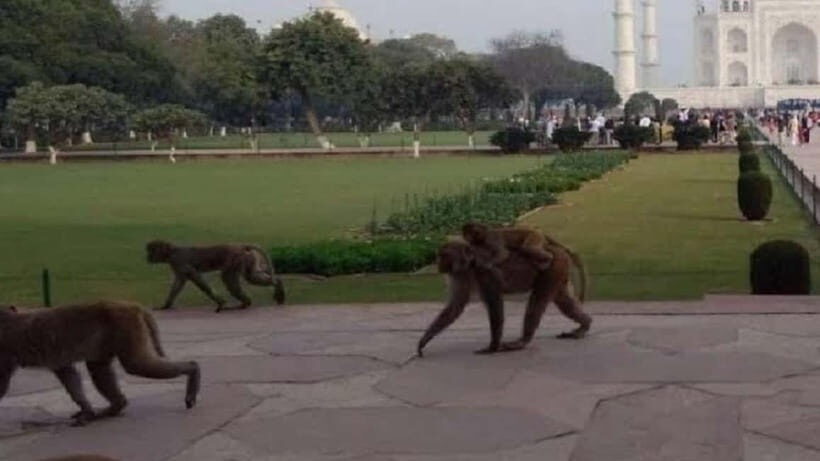
- A guided walking route in monkey territory with historic lanes and temple areas
- Spot langurs and rhesus macaques plus other native species during observation time
- Safety briefing before you start so you know how to handle close encounters
- Photo-friendly guidance for safe angles and better wildlife moments
- A refreshment break with Indian masala tea or chai plus lemon water option
- Cultural stories tied to monkeys, including legends connected to Lord Hanuman
A Walking Safari in Agra, Not a Theme Park
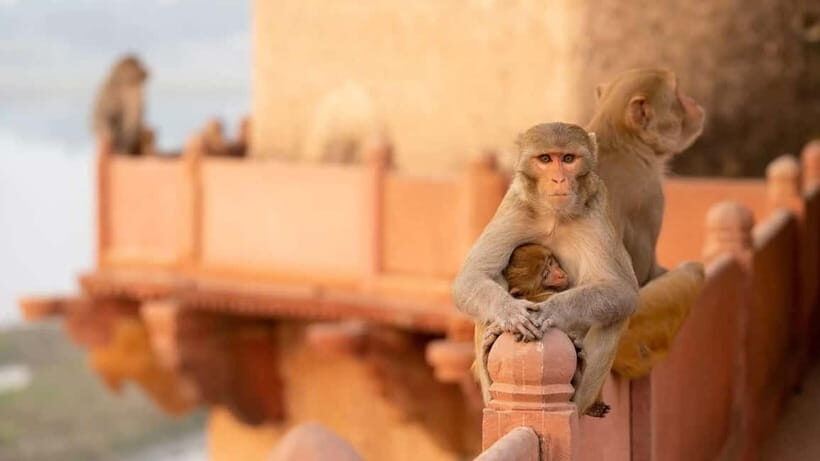
This is one of those tours that makes you look up and slow down. In Agra, monkeys aren’t some far-away wildlife sighting. They’re part of the urban scene—on rooftops, near temple complexes, and moving through narrow lanes where people have learned to coexist.
What makes this tour work is the combination of wildlife watching + local context. You’re not only trying to spot motion in the branches. You’re learning what you’re actually seeing: social behavior, daily habits, and why these monkeys are so successful around human homes. I especially like that the guide’s explanations help you turn random sightings into real understanding.
Also, it’s a walking safari with guidance, so you’re not spending your energy guessing where to look. The route takes you where monkeys are commonly found, including places like temple areas and traditional neighborhood lanes.
You can also read our reviews of more walking tours in Agra

Pickup in an AC Car and a Quick Start Plan
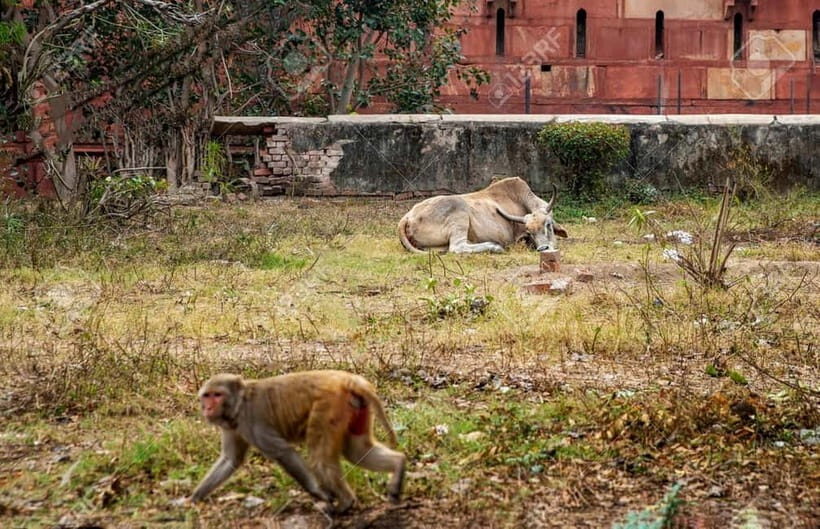
You’ll start with pickup in Agra and a private AC car that stays part of your experience. That matters more than you might think. In a city where heat can hit fast, having transportation support keeps the day from turning into pure slog before the walking even begins.
Once you meet your guide, the tone is practical and focused. You’ll get a welcome and a briefing that covers monkey behavior and safety tips. You’ll also get a quick overview of what you’ll cover on the walk route, including cultural highlights along the way.
One nice convenience included in the tour is mineral water and Indian masala tea (you’ll also get a refreshment break later). Add in skip-the-ticket-line convenience at the start and you’re not burning time on small admin steps.
Temple Lanes and Historic Neighborhood Corners
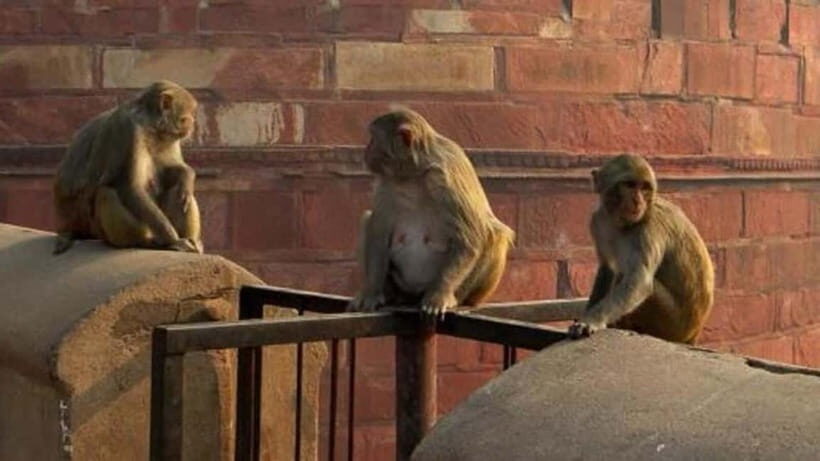
A big chunk of the tour’s early time is about reaching the right kind of areas. You’ll walk through a historic neighborhood or temple complex type of setting where monkeys are commonly active.
This is where the safari feeling becomes real. Instead of “animal viewing,” you’re watching in the same spaces where locals live and move. Rooftop sightings are part of the game, too. From ground level you can spot movement, but rooftops and temple edges can show you how these monkeys use the vertical spaces of the city.
What I like about this part is that it naturally mixes two interests:
- Wildlife observation without rushing away to the next stop
- Cultural context that explains why monkeys are part of local life, not just an animal curiosity
Potential drawback: narrow lanes and temple-adjacent paths can be crowded and uneven. This tour involves walking, and it’s specifically listed as not suitable for people with mobility impairments. The tour is also described as wheelchair accessible, but the safe bet is to check with the operator if you use a wheelchair or have limited walking ability, since the monkey-sighting walking portion is central to the experience.
Monkey Observation Time: Langurs and Rhesus Macaques Up Close
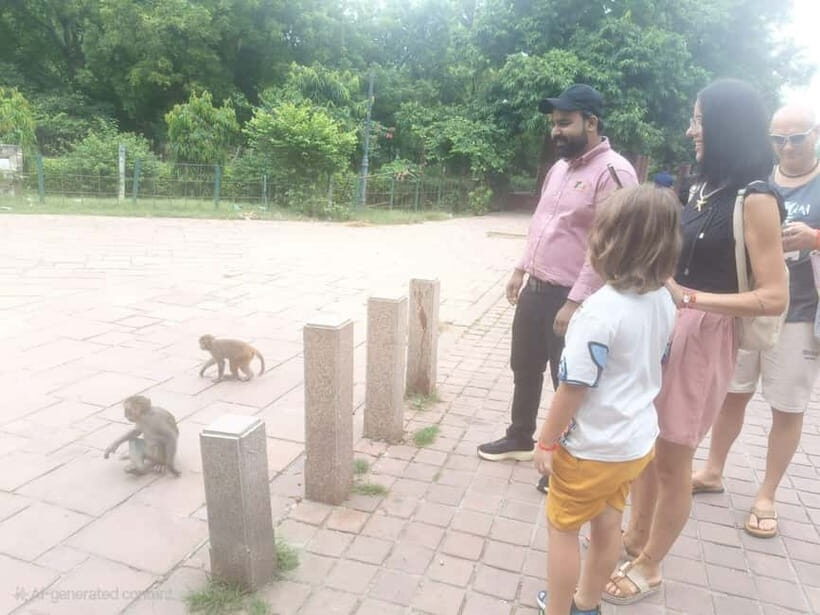
This is the heart of the tour. You’ll have guided observation time built in, with a focus on species commonly seen in the area—especially rhesus macaques and langurs.
The guide doesn’t just point and move on. You’ll learn about:
- Monkey social behavior (how they interact and what you might notice in how they move)
- Feeding habits and general patterns (with an important note: you won’t be allowed to feed them as a participant)
- How monkeys coexist with humans in urban India
That last piece is key. When you understand the relationship between monkeys and people—especially in places where food and shelter are near—you start watching differently. You notice how monkeys react to human activity and how they decide when to stay close or shift away.
You’ll also get enough time to watch what’s happening without feeling like you’re on a countdown. The guide helps manage the pace, which is a big deal when you’re trying to see smaller actions, not just the headline moment.
Photography Moments That Don’t Risk Safety
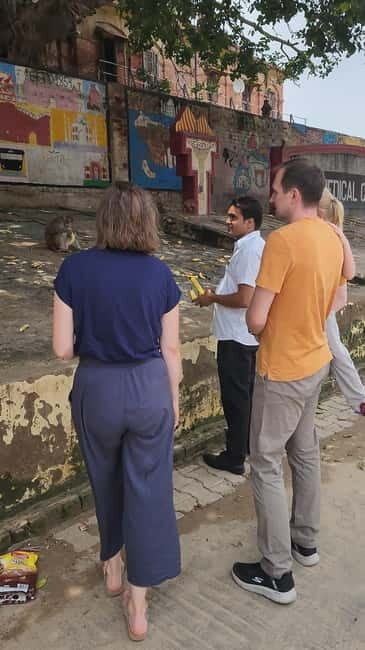
If you care about photos, you’re in good hands here. The tour includes dedicated time for photography moments, and the guide helps you find the best times and safer angles for shooting.
That guidance matters because monkeys can move quickly. They also react strongly to sudden attention—especially when people crowd in. With a guide doing the positioning and cueing, you’re less likely to get stuck behind the wrong person or end up standing somewhere you shouldn’t.
I also like the rhythm of the photography stops: you watch, you frame, you shoot, and you move only when it makes sense. It keeps the safari feeling alive instead of turning it into a long waiting game.
You can also read our reviews of more guided tours in Agra




Safety Tips You’ll Actually Use in the Moment
You get a safety briefing right at the start—monkey behavior and safety tips—before the walking really begins. That’s not just a formality. When you’re watching animals close to people, the difference between a fun encounter and a stressful one is often basic decision-making in the moment.
The tour also sets clear expectations around food. You won’t be allowed to feed the monkeys yourself. This is worth respecting. Feeding changes animal behavior, and it can push encounters toward the wrong kind of attention.
One thing to remember: if you’re tempted to bring fruit or snacks to offer, pause and follow the guide’s lead. Even if you see food-related behavior during the tour, the rules you personally follow matter more than what you might do outside of a controlled guide setting.
Chai Break: Masala Tea, Lemon Water, and a Monkey-Proof Pause
Halfway through the tour rhythm, you’ll get a refreshment break. The plan includes chai or lemon water and a light snack. It may happen at a rooftop café or a local eatery with monkey views, depending on the flow of the walk.
This break is more than a nice perk. It’s a reset button in hot weather and helps you recharge so you can focus again during observation time. It also gives you a safe “pause point” where you can watch from a distance while still feeling part of the action.
Masala tea is specifically included, and it’s one of the most praised parts of the experience. If you like simple, reliable chai breaks during sightseeing, this is the right tour style for you.
Cultural Stories: Hanuman, Legends, and Human-Monkey Life
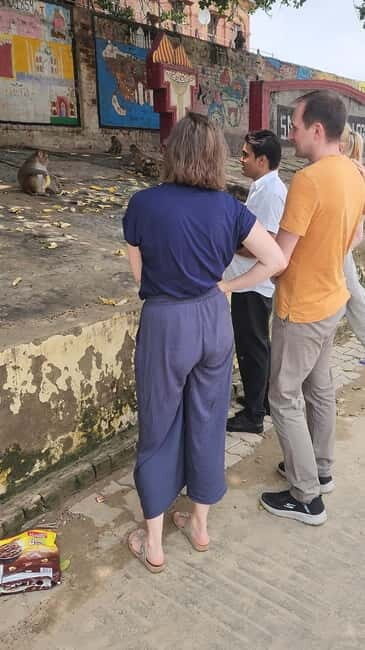
The tour doesn’t treat monkeys like a separate topic. It ties them into the stories and legends people carry locally.
You’ll hear local legends connected to monkeys, including tales of Lord Hanuman, the monkey god. Whether or not you already know the story, I like how the guide uses it as a gateway into understanding the cultural meaning of monkeys in everyday life.
Then the tour shifts into how locals live alongside monkeys—how people manage food, protect homes, and respond when monkeys become more present. This is the difference between seeing animals and understanding coexistence.
If you’re the type who enjoys cities as living places (not just photo spots), this cultural side is a big value. It turns the walk into something you can talk about afterward because you’re picking up context, not just facts.
Timing Matters: Do It When Monkeys Are Most Active
One of the strongest practical tips you can take from experience is simple: timing changes everything.
This tour can feel best when you go early morning or later in the day, when monkeys are often more active. Mid-day can be hot, and you’ll feel it during the walking portion. Even with pickup and water, you don’t want the experience turning into endurance testing.
If your schedule forces a mid-day slot, pace yourself, drink water, and don’t fight the guide. Let the guide’s route and timing cues do their job.
Also, if you’re planning around photography, late-day light can make the whole urban safari feel better on camera. And calmer heat helps you stay alert enough to catch smaller behaviors the guide points out.
Who This Walking Safari Is Best For
This is a great match if you like:
- Wildlife watching with an explanation
- City walks that feel connected to local life
- Photography where your guide helps you stay in the right place
- Short, structured tours that don’t eat your whole day
It can work for families too, since the duration is only 3 hours and the guide does the safety and behavior teaching. The best results usually come when everyone can follow instructions and stay attentive around animals.
If you have mobility limitations, you’ll want to think carefully. The tour is not suitable for people with mobility impairments, even though wheelchair accessibility is listed. Walking in monkey-sighting areas is the core experience, so it’s worth confirming what “accessibility” means in practice for your specific needs.
Price and Value: What $54 Gets You in Real Terms
At about $54 per person for a 3-hour experience, the value comes from what’s included, not just the headline price.
You’re paying for:
- Pickup and drop-off in Agra
- A private AC car for the entire tour activity
- A professional guide in English
- Mineral water
- Indian masala tea
- All toll taxes and parking
For many short tours, the “hidden” cost is what you’ll otherwise pay separately: transport, guide time, and basic refreshments. Here, those pieces are bundled, which makes it easier to budget and reduces hassle on the day.
You also get skip-the-ticket-line convenience, which can save time at the start and help the tour stay smooth.
The one way it may not feel worth it: if you want totally free-range roaming with zero guidance. This tour is structured. You’re following a guided route designed to lead you to monkey-rich areas, and that structure is part of the value.
Should You Book the Agra Monkey Safari Walking Tour?
I’d book this tour if you want Agra to feel real, not just scenic. It’s a short, guided walking safari that gives you close wildlife viewing with cultural and behavioral context, plus a tea break that people consistently remember.
Book it especially if:
- You enjoy animals but also want to understand what you’re seeing
- You like practical guidance that improves safety and photos
- You want a 3-hour plan that doesn’t overwhelm your day
Skip it or reconsider if:
- You need a low-mobility activity
- You’re going only for guaranteed “big attraction” monuments, since this experience is about street-level wildlife and neighborhood life
- You can’t handle walking in heat and you’re stuck with a mid-day schedule (if you can, pick early or late)
If you go with a watchful attitude and stay flexible, this tour can turn monkeys in Agra from a surprise into a satisfying, educational experience.
FAQ
How long is the Agra Monkey Safari Walking Tour?
The tour lasts 3 hours.
What’s included in the price?
It includes pickup and drop-off, private AC car for the tour, a professional English-speaking guide, a mineral water bottle, Indian masala tea, and tolls and parking. Personal expenses are not included.
Will I be able to feed the monkeys?
No. You will not be allowed to feed them.
What wildlife can I expect to see?
The tour focuses on spotting langurs and rhesus macaques, along with other native species that appear in the areas you visit.
Is the tour good for photography?
Yes. There are photography moments built into the walk, and your guide helps you spot good moments and safe angles.
Is it suitable for people with mobility issues?
The tour is listed as not suitable for people with mobility impairments, even though wheelchair accessibility is also mentioned. If you have mobility needs, it’s best to confirm fit with the operator before booking.