REVIEW · AGRA
Agra Heritage Walk with Food Tour
Book on Viator →Operated by Taj Golden Tours · Bookable on Viator
Old Town Agra can feel like a maze.
This private street-food and heritage walk turns that chaos into a plan: you move from historic sights into the narrow lanes where people shop, snack, and live. I especially like how the guide connects food to place and how guides like Asif or Sahib explain local customs in a calm, patient way, which helps a lot if you are solo and a bit nervous about busy markets. One drawback to consider: the lanes are narrow and crowded, so it takes moderate walking stamina and you’ll want comfortable shoes.
Price is also a big plus for what you get. For about $20 per person and roughly 1 to 2 hours, you get a local history and culture guide, bottled water, and a structured route that keeps you from wandering aimlessly (or ordering the wrong thing). Still, if you have strict dietary needs, you’ll want to flag them at booking, since the tour involves multiple tastings in market settings.
In This Review
- Key highlights you’ll feel right away
- Why this Agra food-and-heritage route works
- Setting off at Jama Masjid and its narrow market lanes
- A quick temple stop at Shri Mankameshwar Mandir
- The Agra Fort Railway Station link and the Tripolia Chowk story
- Kinari Bazar: the 16th-century maze where the shopping energy peaks
- What you actually eat (and how to get the most out of tastings)
- Private guide value: why personal attention matters here
- Timing and pacing: how the 1 to 2 hours feels in real life
- Price and value: is $20 fair for what’s included?
- Where pickup and transport fit in
- Should you book the Agra Heritage Walk with Food Tour?
- FAQ
- What is the duration of the Agra Heritage Walk with Food Tour?
- How much does the tour cost?
- Is this a private tour?
- What’s included in the tour?
- Do I need to pay entry fees at the stops?
- Do you offer pickup?
- Where does the tour start?
- What kind of food will I try?
- Can I request dietary adjustments?
- What is the cancellation policy?
Key highlights you’ll feel right away
- Private, only-your-group format that makes it easier to ask questions while eating
- Old Town focus that starts at Jama Masjid and finishes in the Kinari Bazar maze
- Street snacks plus North Indian desserts, not just one or two bites
- Free entry at the main stops listed for the route
- Guides with strong culture and customs storytelling (Asif and Sahib are examples from past guests)
- Simple pacing built for a 1 to 2 hour walk, with short stop times at key points
Why this Agra food-and-heritage route works
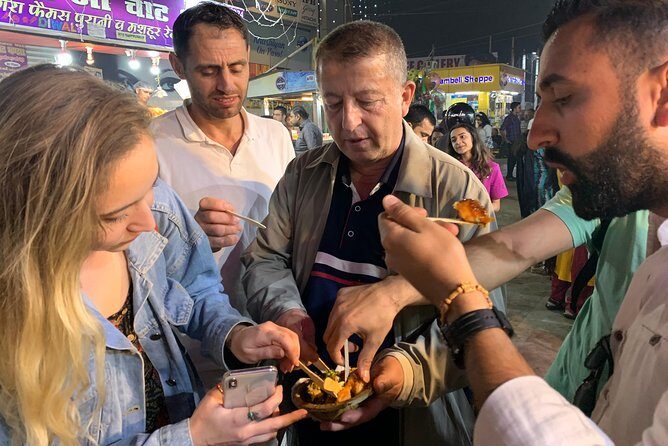
Agra’s headline is obvious: the Taj Mahal. But the city does not stop there. This experience is built around what you can’t get from a photo stop—how everyday life looks and tastes in the Old Town.
The route mixes three kinds of moments: a major mosque setting, a Shiva temple pause, and then market streets where you’ll see specialty shops and snack stalls up close. That blend matters because street food is more than flavor. It’s also shopping rhythm, family routines, and local ideas of what tastes “right” in a given neighborhood.
You’ll also benefit from the private guide format. In crowded lanes, having someone who knows where to go (and when to move) is the difference between sampling confidently and getting overwhelmed. Solo travelers in particular often feel the relief of having a real plan and a friendly pace. If your style is half culture, half calories, this fits.
You can also read our reviews of more walking tours in Agra


Setting off at Jama Masjid and its narrow market lanes
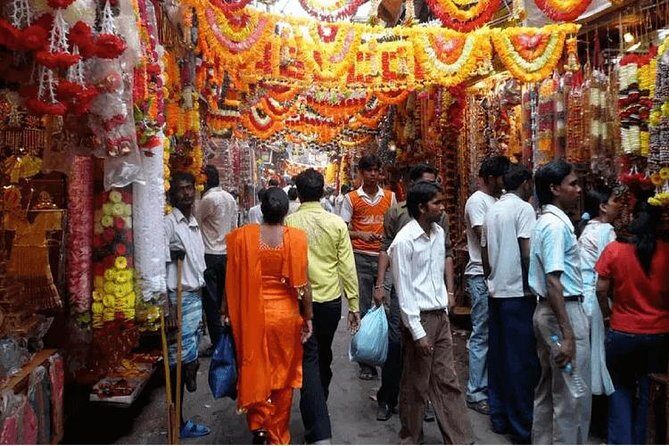
You begin near Jama Masjid, described as the biggest mosque in Agra, in the Old Town market area. Expect to enter a neighborhood where the mosque is a landmark and the lanes around it are the marketplace.
What I find useful here is the way the area is set up for understanding. Around the mosque you get colorful shops for things locals use daily—spices, jewelry, textiles, cosmetics, sweets—plus food stalls right in the same maze. So your guide isn’t just pointing at architecture. They’re showing you how commerce wraps around a spiritual center.
This stop is given about 1 hour, which is a smart length. Enough time to slow down, look closely, and work up an appetite for the food portion without feeling rushed. And since admission is free for the stop listed, you’re not constantly balancing tickets and timing.
Practical tip: wear shoes you can move in fast. The lanes are narrow and packed, and you’ll be doing more than museum-style walking.
A quick temple stop at Shri Mankameshwar Mandir
After the mosque area, the route includes a short visit to Shri Mankameshwar Mandir, dedicated to Lord Shiva. This is only about 10 minutes on the schedule, so think of it as a palate cleanser for your mind rather than a long deep-look.
Even in a short time, it adds a useful contrast. You’re moving between major Islamic heritage space and a Hindu temple dedicated to Shiva, both set into the same Old Town fabric. That helps you see Agra as a city of overlapping communities, not a single-note tourist script.
Since admission is free for this stop, it stays easy on your time and budget. If you like variety in small doses, you’ll probably enjoy this “pause and reset” moment.
The Agra Fort Railway Station link and the Tripolia Chowk story
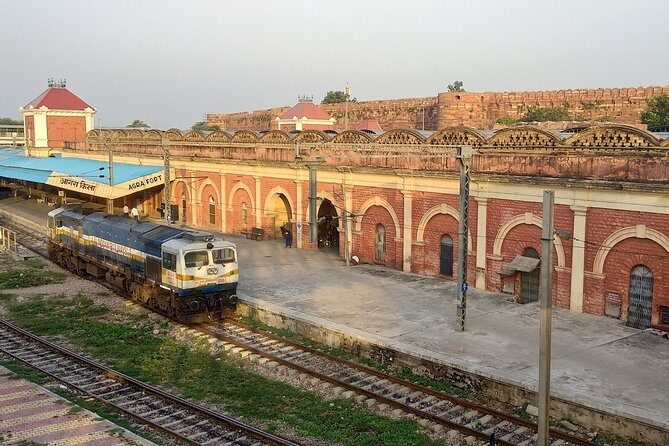
Next up is Agra Fort Railway Station for about 10 minutes. This part is interesting because it’s not just another building. It ties the city’s old layout to the way later development changed it.
Here’s what your guide will help you notice: there was an octagonal Tripolia Chowk (a circle) between Agra Fort and Friday Mosque. That Tripolia was destroyed to build the railway station. It’s a reminder that even iconic areas are often shaped by tradeoffs and growth.
The station itself is described as one of the oldest in India, built by the British to connect Agra with the east part of India. That detail matters because it gives you a sense of why transport hubs grew where they did—and how movement of people and goods can reshape neighborhoods.
Also, the “railway station connection” stop keeps the tour from feeling like only religious and shopping sights. It gives you a slice of civic history in a form you can still see operating today.
Practical tip: this is a quick stop. Keep your questions ready so you don’t lose the chance to connect the story to what you see.
Kinari Bazar: the 16th-century maze where the shopping energy peaks
The final major stop is Kinari Bazar, described as a market of Agra from the 16th century. This is where the tour’s pace usually feels most alive: narrow streets behind Friday Mosque, a crowded maze of colorful stalls, and different bazaars specializing in different wares.
If you like markets, this is likely the moment you remember most. Why? Because it’s not one store—it’s a whole network of tiny choices. Your guide can point out how the area is organized so you’re not just walking through noise. You’ll understand why certain streets feel different, and what kinds of goods tend to appear together.
This stop is about 20 minutes on the route. That’s enough time to absorb the layout and sample without burning out. Since admission is free for the stops listed, your money stays on the food experience rather than entry fees.
And this is where the street-food and sweets aspect should feel most natural. In market zones like this, food is part of the shopping process. You’re not eating in a separate “tourist food hall.” You’re tasting what’s available while you’re surrounded by the goods people came to buy.
You can also read our reviews of more food & drink experiences in Agra





What you actually eat (and how to get the most out of tastings)
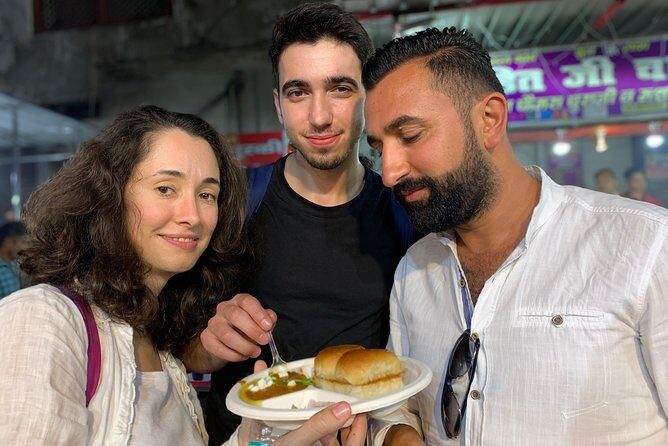
The experience is built as a street-food and heritage walk, with lots of tasty samples. The route is framed to include street food snacks and typical North Indian desserts—so expect more than one category of treat.
You don’t need to guess what “type” of food you’ll get. Your guide’s job is to steer you into local spots in the market lanes and help you eat with context. That context is half the value: you’re learning how people think about flavor, portions, and timing in this part of Agra.
A couple of tips to keep the tasting fun, not confusing:
- Tell your guide what you like. If you prefer sweets over savory, say it early.
- Mention dietary requirements at booking. The tour specifically asks you to advise them, and it involves multiple tastings.
- Sip the bottled water during the walk. Bottled water is included, and it helps you keep going while sampling.
If you’re worried about ordering, crowded stalls, or feeling pressured, the private guide removes a lot of that friction. You can simply focus on tasting and learning.
Private guide value: why personal attention matters here
This is labeled as a private tour where only your group participates. That’s not just a marketing label—it matters in Old Town logistics.
In places like Jama Masjid’s surrounding lanes and Kinari Bazar’s narrow streets, a good guide does three things well:
- Keeps you moving at the right speed for your group.
- Helps you avoid wandering into dead ends or stalls that are not a good fit for tastings.
- Explains culture and customs while you’re looking at real-life scenes, not staged displays.
From the feedback shared with the tour operator, guides like Asif have been described as attentive and strong on Indian culture and customs. Another guide, Sahib, has been noted as patient and flexible when food stops shift into a later local restaurant.
Even if you don’t know much about Agra before you go, this format helps you understand the city faster. Instead of memorizing facts, you connect stories to what you see and eat.
Timing and pacing: how the 1 to 2 hours feels in real life
The total duration is listed as about 1 to 2 hours, with specific stop times: 1 hour at Jama Masjid, then 10 minutes at Shri Mankameshwar Mandir, 10 minutes at Agra Fort Railway Station, and 20 minutes at Kinari Bazar.
That schedule tells me the tour is designed for “bite-sized sightseeing,” not a marathon. The longer block at Jama Masjid gives you time to settle in and start sampling with context. The short temple and station stops act like story punctuation—adding variety without stretching the day.
If you have limited time in Agra, this is a good fit. It’s also a solid option on a day when you want to do more than stand in lines for a single landmark.
Price and value: is $20 fair for what’s included?
At $20.00 per person, the value depends on two things: how much of the tour is guided and how much you receive with that guidance.
In this case, you’re not paying just for walking. You’re paying for a local guide with expertise in history and culture, a private tour, bottled water, and a route that includes multiple landmark stops plus street-food snacks and North Indian desserts.
You also have free entry at the stops listed, so you’re not surprised by extra ticket costs for the main sights. And because the tour uses a mobile ticket and confirmation is handled at booking, it’s built to be straightforward.
If you’re a solo traveler who wants structure but also wants to taste actual local food, $20 can feel like a bargain compared with what you’d spend on un-guided meals plus taxis plus the cost of getting lost.
Where pickup and transport fit in
The tour offers pickup, which you’ll appreciate if you’re staying somewhere that’s not right at Old Town. It also says you’re near public transportation, so you can choose your approach depending on where you start your day.
Because the experience is a short walk with multiple stops, pickup can save you time and hassle. But if you prefer to move independently, being near public transport can make it easy to get there without planning a long transfer.
One more note: the tour expects a moderate physical fitness level. That’s consistent with market-lane walking. If you’re using mobility aids or need a very low-walking program, you’ll want to consider whether this matches your comfort.
Should you book the Agra Heritage Walk with Food Tour?
Book it if you want Agra through food plus real Old Town landmarks, and you like the idea of having a guide connect the dots between history, culture, and what you’re eating. It’s also a great pick if you’re traveling solo and want a plan in crowded markets, with a guide who keeps things calm and informative.
Skip it only if you’re looking for a long, slow sightseeing day or if you have strict dietary needs that you can’t reliably communicate in advance. The tour is short, and the tastings are a core part of the experience.
FAQ
What is the duration of the Agra Heritage Walk with Food Tour?
It runs for about 1 to 2 hours.
How much does the tour cost?
The price is $20.00 per person.
Is this a private tour?
Yes. It’s a private tour/activity, and only your group participates.
What’s included in the tour?
It includes a local guide with expertise in history and culture, private tour service, and bottled water.
Do I need to pay entry fees at the stops?
The stops listed include free admission.
Do you offer pickup?
Yes, pickup is offered.
Where does the tour start?
It starts at Jama Masjid, also described as Friday mosque, in the Old Town market area.
What kind of food will I try?
You’ll sample street food snacks and typical North Indian desserts.
Can I request dietary adjustments?
Yes. You should advise any specific dietary requirements at the time of booking.
What is the cancellation policy?
You can cancel for a full refund up to 24 hours in advance. Within 24 hours, the amount paid is not refunded.