REVIEW · JAIPUR
Jaipur Private Sightseeing Tour – All-Inclusive with Car & Guide
Book on Viator →Operated by Raj Tours Jaipur · Bookable on Viator
Jaipur looks best when you have a plan—and this private day gives you one. You’ll roll through the Pink City in a comfortable air-conditioned car with pickup and drop-off, so you can focus on sights, stories, and shopping instead of hunting meeting points or wrestling traffic.
I really like that you get personalized attention (private means your pace, not a herd). I also like the “do the classics first” route—City Palace, Jantar Mantar, Hawa Mahal—then a smart shift toward views and photo stops like Jal Mahal and Panna Meena ka Kund.
One thing to watch: monument entry tickets and camera fees aren’t included, so bring cash. If you plan to take photos inside lots of sites, those extra payments can add up.
In This Review
- Key points before you go
- Jaipur in a Day, Without the Taxi Guesswork
- City Palace: Royal Power in Rajput and Mughal Detail
- Jantar Mantar: When Time Becomes a Physical Thing
- Hawa Mahal: The Wind Palace and Its 953 Windows
- Royal Gaitor Tombs: Marble and Sandstone Quiet
- Jal Mahal: Reflections Without Entrance Hassles
- Amer Town: The Fort Area Vibe and Local Feel
- Panna Meena ka Kund Stepwell: Symmetry You Can Photograph
- Lunch in a Multi-Cuisine Restaurant: Real Break Time
- Shopping in Jaipur Bazaars: Where Your Guide Can Save You Time
- Price and What $20 Covers (and What It Doesn’t)
- Who This Tour Fits Best
- Should You Book This Jaipur Private Tour?
- FAQ
- How long is the Jaipur Private Sightkeeping Tour?
- Is this a private tour or a shared group tour?
- What’s included in the price?
- Are monument entrance tickets included?
- Is lunch included?
- Are there any stops with free admission?
- Should I bring cash for the tour?
- Can I cancel for a full refund?
Key points before you go

- Private and all about your group: only your party joins the day, so you’re not stuck waiting on strangers.
- AC car + driver + hotel pickup: less hassle in Jaipur, more time for stops.
- Classic Jaipur in one day: City Palace, Jantar Mantar, Hawa Mahal, Royal Gaitor, plus Amer area highlights.
- Free photo-worthy breaks: Jal Mahal and Panna Meena ka Kund are listed as free stops.
- Lunch is included: multi-cuisine meal means fewer decisions mid-day.
- Extra cash helps: entry tickets and camera fees cost extra.
Jaipur in a Day, Without the Taxi Guesswork
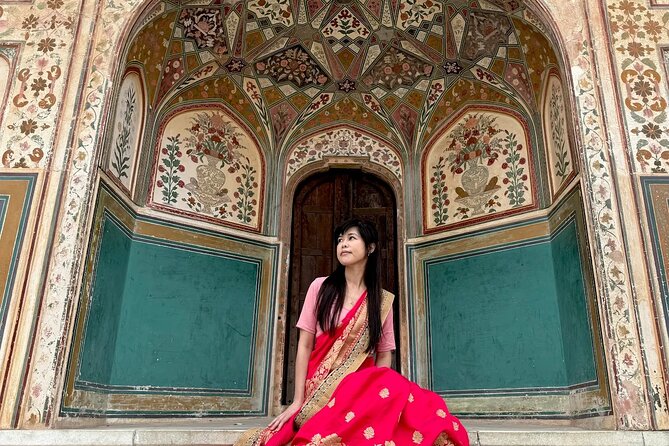
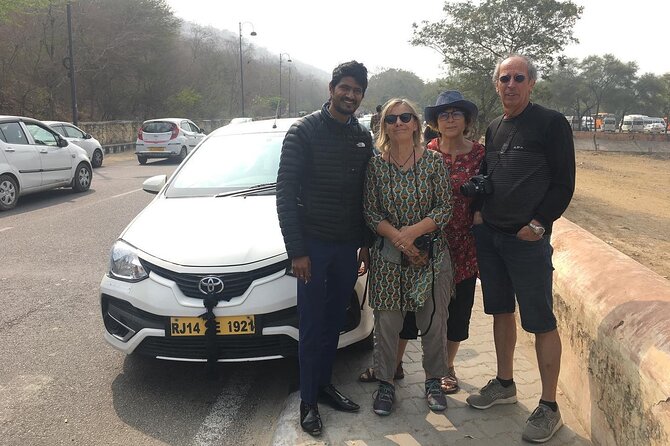
If Jaipur is new to you, this kind of private tour is a practical way to get oriented fast. The big win is simple: you get a car with an English-speaking driver and a guide (if you choose that option), plus hotel/airport pickup and drop-off. That removes a ton of friction—no negotiating rides, no trying to figure out where to start, and no losing time to “where’s the entrance?” moments.
Your day is built around a smooth flow of sights with short, focused stops. That matters because Jaipur can feel intense—heat, crowds, and constant street activity. Using an air-conditioned car for the transfers keeps the day comfortable and keeps you from arriving at major points too drained to enjoy them.
Also, keep an eye on the day’s cost balance. The base price is low for a private, all-day car plus guide support and lunch. The trade-off is that you’ll likely pay for monument entry and some photo-related fees, so bring cash and don’t treat the price as completely all-inclusive.
You can also read our reviews of more tours and experiences in Jaipur.



City Palace: Royal Power in Rajput and Mughal Detail

You start at the City Palace of Jaipur, right in the heart of the Pink City area. This is the kind of place where architecture does storytelling. The palace complex is known for a blend of Rajput and Mughal styles, tied to the 18th century and Maharaja Sawai Jai Singh II. You’ll typically get about two hours here, which is enough to take in the big shapes, wander through key sections, and understand why this place still feels like a living symbol rather than a static museum.
What I like about beginning here is that it sets context for everything else you see later. When you look at Hawa Mahal or the astronomical instruments of Jantar Mantar afterward, you’ll better understand how tightly Jaipur’s royal worldview shaped the city.
The only careful note: admission tickets aren’t included. If you want to maximize your time inside, carry cash and be ready at the ticket point so you don’t lose minutes during the start of the day.
Practical tip: if you’re planning photos, check what areas allow camera use and whether you’ll need to pay any camera fees separately. The tour info specifically warns that camera fees cost extra.
Jantar Mantar: When Time Becomes a Physical Thing
Next up is Jantar Mantar – Jaipur, a UNESCO World Heritage site with 19 architectural astronomical instruments built in 1734 under Sawai Jai Singh II. It’s one of those places where you don’t just look at objects—you watch how the design works with sunlight and shadows.
You’ll have about 45 minutes, which is the right length for this site. Too short and you miss the point. Too long and it becomes harder to keep the “wait, look there” attention. This stop is often the easiest way to understand that old science wasn’t only abstract—it was built into everyday observation tools.
The site is famous for including the world’s largest stone sundial. You don’t need a physics degree to enjoy it. The guide is what makes it click: they can point out what you’re seeing and how the instrument is meant to measure things.
Again, admission isn’t included, so you’ll want cash on hand for tickets and any extra photo fees.
Hawa Mahal: The Wind Palace and Its 953 Windows
Then comes the postcard icon of Jaipur: Hawa Mahal (Palace of Wind). You’ll usually have around 45 minutes here, which works well because the main impact is visual. It’s a five-story facade built in 1799 under Maharaja Sawai Pratap Singh, designed with a honeycomb pattern of 953 small windows.
Here’s why this stop matters beyond the photos. Those windows were built so royal women could observe street life from behind cover. So when you look at the building, you’re also imagining daily movement below—markets, people, and the city’s energy—while the palace remains protected.
This is also the moment where a guide earns their keep. If you’re just walking in on your own, it’s easy to treat it like a facade. With a guide, you get the human reason behind the design.
Like other major points on the route, entry tickets aren’t included, and camera fees may cost extra. Plan for it rather than hoping it’s all free.
Royal Gaitor Tombs: Marble and Sandstone Quiet
After Hawa Mahal, your route shifts to a calmer, more contemplative stop: Royal Gaitor Tombs. You’ll have about 45 minutes, and the setting is at the foothills of Nahargarh Fort.
These aren’t just ordinary graves. They’re beautifully carved cenotaphs—marble and sandstone memorials honoring former rulers of Jaipur. The word cenotaph matters because it hints at the design: these spaces focus on remembrance and artistry, not just burial functions.
What I like about including this stop is contrast. Jaipur’s most famous sights can feel loud and crowded. Royal Gaitor gives you a chance to slow down, look closely at carving styles, and take photos without the same level of rush.
Admission tickets aren’t included here either, so keep your cash ready if you decide to enter any areas that require payment.





Jal Mahal: Reflections Without Entrance Hassles
Next you’ll reach Jal Mahal, often described as a “water palace.” You get about 30 minutes, and the big appeal is that you can see the building sitting in a lake. The reflections can be stunning, especially when the light cooperates.
The tour info lists this stop as free to see, so it’s a nice break from the ticket pattern. Even if you don’t go inside (this stop is mostly about viewing), it’s still worth using time here for photographs and a mental reset.
One practical note: since this is a view-based stop, timing matters. If you want the best reflections, aim to take your photos early in your window and don’t wait until the last minute.
Amer Town: The Fort Area Vibe and Local Feel
Then you head to the Amer area, listed here as Amer Town with about two hours. The info describes it as a historic settlement near Jaipur with traditional Rajasthani culture, and it’s associated with the famous Rajput fort and palace.
Even when you’re not doing every single interior, this stop still gives you something valuable: you feel the “Amer” atmosphere—hill views, fort silhouettes, and the sense that the landscape shaped the architecture.
This stop is listed as admission ticket free, which is good if you want time for exploring without extra site fees. That said, if you specifically plan to access interior fort/palace sections, you’ll still need to follow whatever ticket rules apply onsite. The tour’s general warning about entry tickets applies throughout the day.
A smart move here is to use part of your Amer time for viewpoints and orientation before you commit to longer interior sections. You’ll understand the layout better for the rest of your photos.
Panna Meena ka Kund Stepwell: Symmetry You Can Photograph
Last, you’ll stop at Panna Meena ka Kund, a 16th-century stepwell in Amer town. It’s listed as free, and that’s a huge reason it’s worth including.
What makes it special is the look: symmetrical staircases and intricate carvings. The stepwell used to be a functional water reservoir, and now it’s a quieter spot where you can slow down and frame great photos.
You’ll have about 45 minutes, which gives you enough time to walk a couple levels, watch people in the space, and get different angles. The design is built for viewing from multiple perspectives—straight-on symmetry shots, angled compositions, and close-up detail shots.
If camera fees apply to any interior photo points, you’ll want cash ready, but this stop is described as free, so at minimum you should avoid the usual ticket fee.
Lunch in a Multi-Cuisine Restaurant: Real Break Time
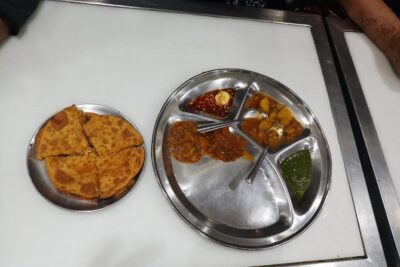
Midday you’ll be taken for lunch at a multi-cuisine restaurant. This is an underrated value-add. When you’re doing Jaipur in one day, you either end up eating whatever is nearby (which can be stressful) or you sacrifice time. Here, lunch is included, which reduces decision fatigue.
I also picked up a theme from guide feedback: people felt the restaurant choices were safe and tasty. That doesn’t mean every meal will match your personal taste, but it does mean you’re less likely to get stuck with a bad call in the middle of a long sightseeing day.
Practical tip: after lunch, use the AC and water before you head into the next outdoor section. Jaipur’s heat can sneak up on you, especially after you’ve been walking around palaces and courtyards.
Shopping in Jaipur Bazaars: Where Your Guide Can Save You Time
Jaipur isn’t only monuments. It’s also textiles, handicrafts, and souvenirs that feel like they belong in Rajasthan rather than generic tourist shelves.
This tour gives you the chance to shop for handicrafts in Jaipur’s bazaars. That’s great if you want a guided shopping block instead of wandering. A guide can help you target better-quality stalls, and people who booked this tour mentioned that guides know where to find quality items and can help you shop with fewer headaches.
You may hear familiar guide names in customer feedback—Shakeer comes up a lot for shopping help and pricing guidance, while Raj and Nadeem Khan are also mentioned for making days feel smooth and enjoyable. Some reviews even highlight Spanish-speaking support being arranged, which can matter if language barriers slow you down during shopping.
A practical caution: the tour price doesn’t mention shopping budgets. You’ll control what you buy, but shopping time can tempt you into impulse buys. Set a rough target before you go in—like one textile item, one small craft, and then stop. You’ll walk away happier and less lighter in the wallet.
Price and What $20 Covers (and What It Doesn’t)
At $20 per person, this is priced like a value-first tour. You’re paying for a private experience with an AC car, driver, pickup/drop-off, bottled water, and lunch, plus guide support if selected.
That’s why the extra-cost items matter. The tour info says monument entrance tickets (and camera fees) cost extra. So the real question isn’t only “is it cheap?” It’s “can you handle the likely add-ons?” If you’re okay paying entry tickets as you go—and you bring cash for tickets and any photo fees—this can be a very efficient way to see major Jaipur highlights without spending your day figuring out transportation.
If you want to keep total costs low, plan to:
- pay only for the key monuments you really care about,
- bring cash so you’re not scrambling,
- and treat shopping as optional, not forced.
Who This Tour Fits Best
This is a strong fit if you:
- have limited time and want a structured introduction to Jaipur,
- prefer comfort over constant transit hassles,
- like learning from guides (especially for places like Jantar Mantar),
- want a private day with a driver and minimal logistics work.
It also seems like it works well for mixed groups and family travel. Some guide feedback specifically mentions being patient and attentive to comfort needs, which matters when you’re planning a full day with walking and heat.
If you’re the type who loves completely independent travel—long solo wandering, spontaneous detours, and hopping between sites without paying for tickets—then you might prefer a self-guided plan. But if you want a day that runs on rails, this tour-style setup is a good match.
Should You Book This Jaipur Private Tour?
I think you should book this if you want an efficient, comfortable Jaipur day that covers the big hits plus a couple of lesser-stress photo stops. The combination of pickup and drop-off, AC transfers, lunch included, and a route that balances royal monuments with viewpoints makes it feel practical, not just sightseeing for sightseeing’s sake.
Skip or reconsider if you hate add-on fees. Since entry tickets and camera fees aren’t included, you’ll need to accept that the sticker price won’t be the full final number.
If you’re a first-timer to Jaipur—or you just want the easiest way to see the Pink City well—this is an honest choice. Bring cash, wear comfortable shoes, and let the guide handle the flow.
FAQ
How long is the Jaipur Private Sightkeeping Tour?
The tour is about 8 hours.
Is this a private tour or a shared group tour?
It’s private. Only your group will participate.
What’s included in the price?
Included items are a private AC car with an English-speaking driver, bottled water, hotel/airport pickup and drop-off, fuel/parking/taxes, and lunch at a multi-cuisine restaurant. A friendly and professional tour guide is included if you select the option.
Are monument entrance tickets included?
No. Monument entrance tickets are not included.
Is lunch included?
Yes. Lunch at a multi-cuisine restaurant is included.
Are there any stops with free admission?
Yes. Jal Mahal and Panna Meena ka Kund are listed as free to see/visit in the schedule. Amer town is also listed as free.
Should I bring cash for the tour?
Yes. Entry tickets and camera fees cost extra, so it’s recommended to have cash on hand.
Can I cancel for a full refund?
You can cancel for a full refund up to 24 hours in advance of the experience start time.