REVIEW · NEW DELHI
3-Day Luxury Private Golden Triangle Tour – Delhi, Agra & Jaipur
Book on Viator →Operated by Shahrukh Khan · Bookable on Viator
Golden Triangle trips can feel like a race. This one keeps things calm with a private driver and door-to-door planning, while still hitting the big-name landmarks in Delhi, Agra, and Jaipur. You also get flexible pacing—so you’re not stuck watching everything from behind a group.
I especially like the way the day is built around location choices that make sense: you start with major Delhi monuments, then move toward Agra, and you finish with classic Jaipur sights in a tight circuit. I also like the “less hassle” extras like an air-conditioned vehicle, hotel pickup/drop-off, and breakfast included for both mornings.
One thing to consider: you’ll still pay for most attractions’ entry tickets on top of the tour price, and Day 2’s sunrise Taj Mahal means an early start. If you’re hoping for zero-ticket surprises, plan for that.
In This Review
- What makes this tour feel worth it
- A private Golden Triangle that keeps logistics from eating your time
- Day 1 in Delhi: Qutub Minar, Humayun’s Tomb, and the big city monuments
- Qutub Minar: the UNESCO opener
- Lotus Temple: calm geometry between monuments
- Humayun’s Tomb: Mughal elegance without the Taj hype
- India Gate and Rashtrapati Bhavan: big symbols of modern Delhi
- Jama Masjid: a major mosque with serious scale
- Red Fort: the Mughal power center
- Chandni Chowk area: Pasar Chandni Chowk for real local energy
- Drive to Agra: a controlled transition
- Day 2 Agra: Sunrise Taj Mahal plus Agra Fort and marble tomb details
- Taj Mahal at sunrise: why timing matters
- Agra Fort: Mughal architecture with military muscle
- Itmad-ud-Daula: the “marble-first” Mughal tomb
- Fatehpur Sikri: a time-limited bonus on the way to Jaipur
- Arrive in Jaipur: drop-off and reset
- Day 3 in Jaipur: Amber to Hawa Mahal, then City Palace and Jantar Mantar
- Amber Palace: the big fort experience
- Jal Mahal: a quiet pause by the lake
- Hawa Mahal: the windows that tell a story
- City Palace: royal residence and administrative center
- Jantar Mantar: the astronomy instruments
- Back to Delhi or drop in Jaipur
- Luxury value: what you really get for the price
- The pace question: what might feel rushed (and how to fix it)
- Who this tour fits best
- My take: should you book this Golden Triangle?
- FAQ
- What’s included in the tour price?
- Are admission tickets included for the monuments?
- Where does the tour start and end?
- Is the Taj Mahal visit scheduled for sunrise?
- How is transportation handled between cities?
- What kind of hotels are used?
- Is the tour truly private?
- Is free cancellation available?
What makes this tour feel worth it
- Private, air-conditioned car with transfers for all major legs between Delhi, Agra, and Jaipur
- Sunrise Taj Mahal timing so you see the marble at its most magical light (and avoid the worst of the later crowds)
- Hotel stay options (3, 4, or 5-star) for 2 nights, so you can match comfort to budget
- A planned Delhi route that chains together Qutub Minar, Humayun’s Tomb, Jama Masjid, and more
- Comfort add-ons like bottled water and soft drinks during journeys
- Driver support that goes beyond driving, with people like Mohit, Ram Sharma, Shakir, and Dinesh showing up in past experiences as especially helpful
A private Golden Triangle that keeps logistics from eating your time

The Golden Triangle is famous for a reason: three cities, three different styles of India, and a clean storyline from Mughal grandeur to royal Rajasthan. The problem is that most first-timers get stuck doing the planning math—tickets, timings, transport, and all the little decisions that turn a “quick trip” into a headache.
This tour aims to remove those headaches. You start and finish in Delhi, and the entire route is handled with a private air-conditioned vehicle and a fixed sightseeing flow. That matters because Delhi traffic can scramble your schedule fast, and long-distance days punish anything that’s not organized.
You’ll still experience a real itinerary, not just a “drive-by” tour. The route is structured to minimize backtracking, and the stops are placed like stepping stones: one iconic landmark after another, then an overnight base, then the next city’s highlights.
And because it’s private, you get more breathing room than a big bus crowd. If you want more time inside a tomb or less time in a market, you can usually steer that balance.
You can also read our reviews of more private tours in New Delhi



Day 1 in Delhi: Qutub Minar, Humayun’s Tomb, and the big city monuments
Day 1 is a classic Delhi introduction, but it’s built for efficiency. You’ll move through a set of major sites in a logical order, starting early in the day after airport arrival (or pickup, depending on your timing).
Qutub Minar: the UNESCO opener
Qutub Minar is your first major wow. It’s UNESCO-listed and historically important, tied to early Delhi Sultanate rule. In practice, it works because it sets the tone right away—stonework, scale, and the sense that you’re standing in a layered city.
Practical note: admission isn’t included here, so you’ll want to carry the right amount or be ready to buy on-site.
Lotus Temple: calm geometry between monuments
Next up is the Lotus Temple, a Bahá’í House of Worship known for its flowerlike shape and modern-day importance. It’s also a great contrast to the heavier historical forts and tombs. The feel is quieter. You get a reset between busy historic sights.
Again, admission isn’t included, but your time here is short—about half an hour—so it’s not a time sink.
Humayun’s Tomb: Mughal elegance without the Taj hype
Humayun’s Tomb is a Mughal tomb complex that feels refined and photogenic. It’s also a useful stop to “teach your eye” for what comes later in Agra, since it helps you connect Mughal garden design and tomb architecture.
You’ll spend about an hour. That’s a good slot for reading the layout without rushing.
You can also read our reviews of more tours and experiences in New Delhi






India Gate and Rashtrapati Bhavan: big symbols of modern Delhi
India Gate is quick—mostly for the 1921 memorial context—and it’s an easy pause before the older religious sites. Then you head to Rashtrapati Bhavan, the grand seat of India’s presidency built in the era of New Delhi’s planned capital design.
These stops are shorter (think 30 minutes each). They work well if you’re trying to see variety on a first day without burning your energy.
Jama Masjid: a major mosque with serious scale
Jama Masjid is among the largest mosques in the world and UNESCO-listed. It’s also one of those places where the architecture makes people look up, and the scale makes you understand why it’s so central to Delhi’s identity.
You’ll have about 30 minutes here. If you want extra time for photo angles, you’ll need to adjust on the fly.
Red Fort: the Mughal power center
Red Fort follows, and it’s the kind of stop that benefits from a little context. It was built in the 1600s and was a main residence for the Mughal emperors. Even with limited time, the fort wall alone gives you a sense of imperial planning.
Entry isn’t included, so treat it as a guided look at the exterior and courtyards within the time window.
Chandni Chowk area: Pasar Chandni Chowk for real local energy
After forts and tombs, you’ll get a market moment at Chandni Chowk’s Pasar Chandni Chowk stretch. This is where you see daily life and shop culture up close—big, crowded, busy in a very real way.
It’s also a great chance for practical purchases (or at least snack scouting). Admission isn’t a thing here, and you’ll spend about 30 minutes.
Drive to Agra: a controlled transition
The day ends with a drive to Agra, about three hours. This is smart because it prevents the “half-day travel, half-day sightseeing” trap. You arrive with enough time to settle in for an early Taj morning.
Day 2 Agra: Sunrise Taj Mahal plus Agra Fort and marble tomb details
Day 2 is built around the star of the show. The big difference here is the sunrise plan for the Taj Mahal. That timing can change the whole experience—the marble looks softer, the air is cooler, and you’re not starting your day late with a heavier crowd.
Taj Mahal at sunrise: why timing matters
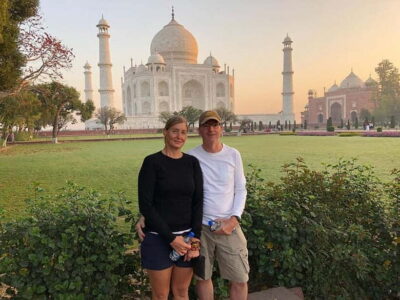
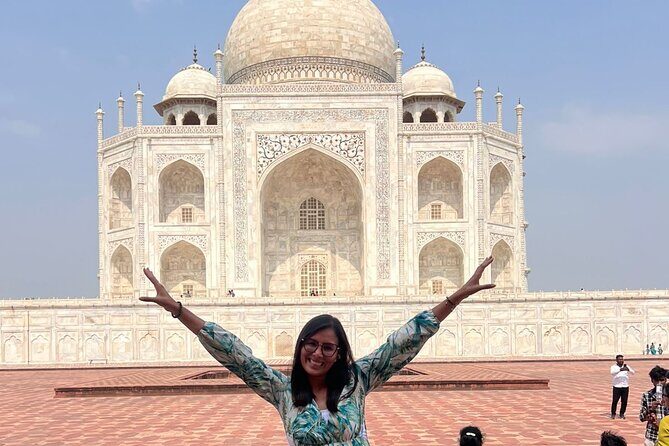
You’ll go to the Taj Mahal early and spend about three hours total. The focus is on the marble mausoleum’s beauty and the story tied to Shah Jahan and his wife. Even if you already know the legend, early light helps you notice details—patterns, reflections, and the way the structure holds its shape.
Admission isn’t included, so budget for it. Also, bring patience. Sunrise means you might be cold before the sun fully arrives, depending on the season.
Agra Fort: Mughal architecture with military muscle
After Taj Mahal, you’ll visit Agra Fort, another UNESCO site. This fort is about 17th-century engineering and a blend of Indian and Islamic art and architecture.
Your time here is about an hour. That’s enough to get the feel of the complex without getting exhausted. It’s also a nice counterpoint to the romance of the Taj: the fort tells you power and protection, not just love.
Itmad-ud-Daula: the “marble-first” Mughal tomb
Then comes Itmad-ud-Daula, often called a precursor to later Mughal tomb elegance. It’s notable for being an early marble structure and for using pietra dura in its design. You’ll spend around 30 minutes, which is exactly right for this stop: short, meaningful, and visually rewarding.
Fatehpur Sikri: a time-limited bonus on the way to Jaipur
On the way to Jaipur, you get a special chance to visit Fatehpur Sikri, about 40 km west of Agra. This site was once the Mughal empire’s short-lived capital. You’ll have about 30 minutes—so think of it as a snapshot rather than a full day.
This is one of those add-ons that often becomes a highlight because it’s unexpected for many people. Even in limited time, the layout and fortifications can make you connect the dots between Mughal ambition and Rajasthan’s later royal narratives.
Arrive in Jaipur: drop-off and reset
You’ll drive to Jaipur and drop you at your hotel. The day’s included travel time is about three hours after Fatehpur Sikri. Once you arrive, you can shower, eat, and recharge for an active third day.
If you’re staying up late in Jaipur, keep it realistic. Day 3 is where you rack up multiple palace stops.
Day 3 in Jaipur: Amber to Hawa Mahal, then City Palace and Jantar Mantar
Jaipur on Day 3 is a royal highlights circuit. The stops aren’t random; they fall along a story of fort power, palace showmanship, and scientific design.
Amber Palace: the big fort experience
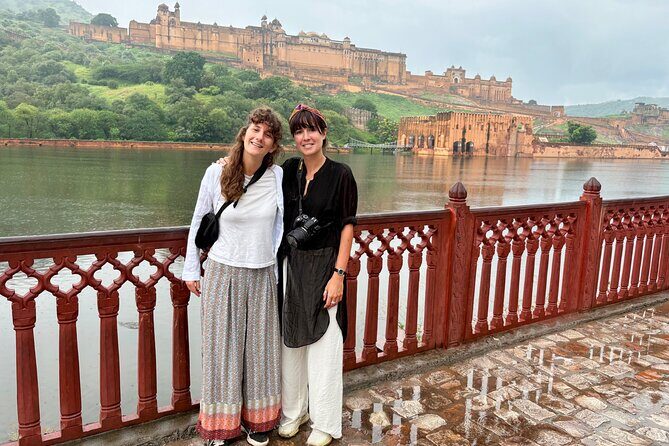
After breakfast, you’ll head to Amber Palace (Amer Fort). You’ll spend about two hours. This is the principal site in the pink city and known for artistic Hindu-style architecture. It’s a fortress, a palace, and a statement.
Admission isn’t included. If you’re sensitive to steps or steep paths, plan accordingly. The payoff is the grand setting and the sense of living inside a royal stronghold.
Jal Mahal: a quiet pause by the lake
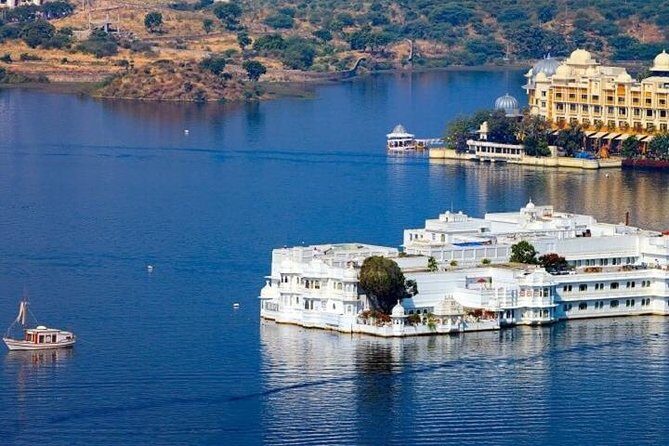
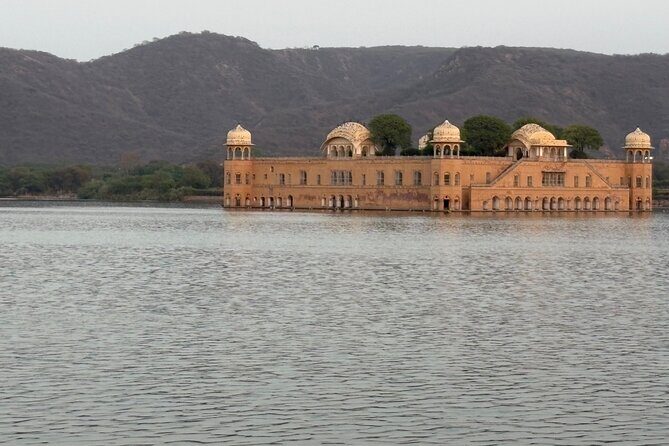
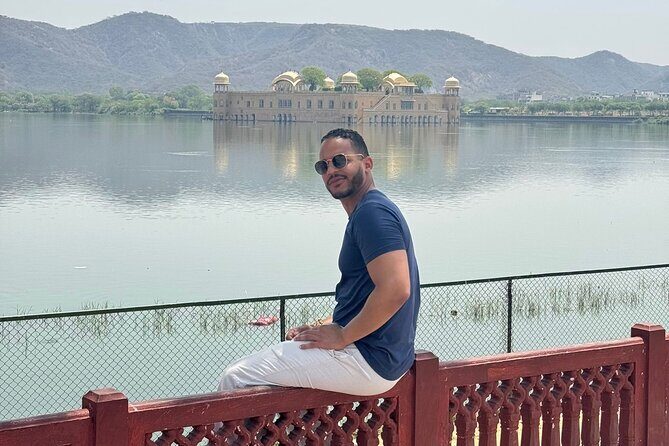
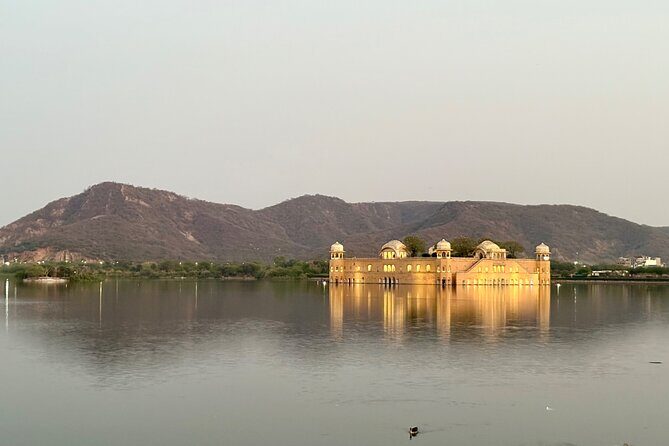
Next is Jal Mahal in the middle of Man Sagar Lake. It’s a 17th-century architectural beauty and a peaceful stop—about 30 minutes.
This is a smart pacing move in an itinerary full of big structures. It gives you a moment to breathe, grab photos, and slow down before the more “iconic facade” stops.
Hawa Mahal: the windows that tell a story
Then you’ll see Hawa Mahal—Palace of Wind—decorated with 953 windows. It was constructed for royal ladies and designed to let them observe street life while staying behind the ornate façade.
You’ll have about 30 minutes, which is enough for the classic exterior views and a quick look at why the design matters.
City Palace: royal residence and administrative center
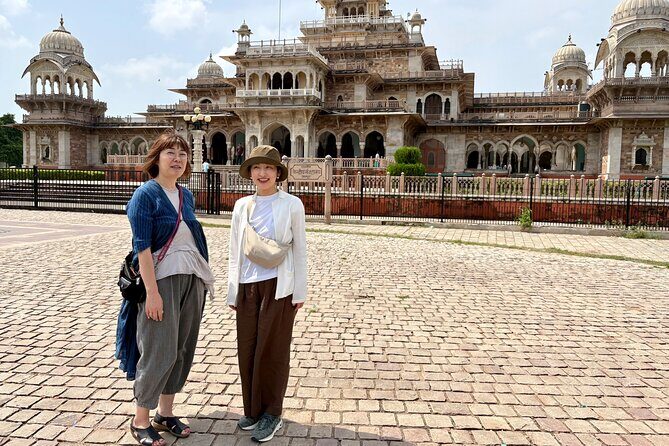
City Palace is next, with about an hour on-site. It’s both a royal residence and a former administrative headquarters for Jaipur’s rulers. Compared with Amber’s fortress feel, City Palace feels more “lived-in” and central.
Admission isn’t included, so don’t assume it’s bundled.
Jantar Mantar: the astronomy instruments
Jantar Mantar takes about an hour. It’s a collection of astronomical instruments built by Sawai Jai Singh, completed in 1734. If you like how science and architecture combine, this is one of Jaipur’s more satisfying stops.
Admission isn’t included, but the time slot is right: you can walk the site and understand the main instruments without being stuck all day.
Back to Delhi or drop in Jaipur
After the sightseeing, you head back to Delhi. The drive time is around four hours. If you’d rather fly from Jaipur, the tour can drop you at Jaipur airport instead.
This flexibility can be valuable if you’ve planned your return flight already.
Luxury value: what you really get for the price
At about $202.24 per person for three days, the value depends on your travel style. The tour includes air-conditioned transport, private transfers, 2 nights in hotels in the 3, 4, or 5-star category you choose, and breakfast for both mornings. It also includes bottled water and soft drinks during journeys, plus hotel or airport pickup/drop-off.
What’s not included is key: most admission tickets. That can matter a lot with the Taj Mahal, fort complexes, and other major monuments. So the smarter way to think about this price is as: paying for your time and comfort, while handling entrance fees separately.
In return, you get:
- A private car (not a shared bus schedule)
- Accommodation for two nights
- Breakfasts
- A route that tries to minimize backtracking
For many people, that adds up fast because Delhi-to-Agra and Agra-to-Jaipur logistics can be expensive and time-consuming if you DIY it. Here, you’re buying a smoother plan and a driver who can keep the days from turning into chaos.
Also, a nice bonus from past experiences: some drivers have been described as going beyond directions—being the one who knows where to grab dependable tea and lassi, where clean bathrooms are, and how to navigate chaotic streets. If you get someone like Mohit, Ram Sharma, Shakir, or Dinesh, that kind of practical support can make the trip feel easier day after day.
The pace question: what might feel rushed (and how to fix it)
Three days for Delhi, Agra, and Jaipur is intense by nature. Even with a well-planned route, you’re moving through multiple big-ticket sights each day.
Here’s what I’d watch for:
- Short stays at some monuments (often 30 minutes) mean you may not have time for slow wandering
- Admission lines can add friction if you arrive without tickets ready
- Sunrise Taj Mahal means early starts and cooler morning temps
The easiest “fix” is mental. Treat some stops as orientation, not everything-you-need-to-know in one hour. You can always return someday with a deeper focus. For now, the point is to see the icons and leave with a strong mental map of the Mughal and royal eras.
Who this tour fits best
This is ideal if:
- You want first-time Golden Triangle coverage without managing transport and hotel logistics
- You prefer privacy over large group pacing
- You care about comfort (air-conditioning, pickup/drop-off, breakfast, and water on the road)
- You like structured sightseeing with enough room for minor adjustments
It’s also a good fit for solo travelers. One past experience specifically highlighted feeling safe on a solo trip with an attentive driver.
If you’re the type who hates early mornings, sunrise Taj may not be your favorite moment. But if you can handle the early start, that timing is one of the biggest payoffs in the whole itinerary.
My take: should you book this Golden Triangle?
Book it if you want the “easy mode” version of the Golden Triangle: private transport, hotel nights, breakfast, and a route that hits the core sights in a sensible order. The sunrise Taj Mahal plan and the overall logistics comfort are the main reasons to choose this over a DIY shuffle.
Skip or rethink it if you:
- Want everything fully included with no extra ticket costs
- Need lots of time at each monument and hate short stops
- Don’t do well with early starts
If you’re flexible on timing, and you’re happy to treat entrance fees as separate, this tour makes a lot of sense. You’ll spend your energy looking up at the monuments instead of staring at maps.
FAQ
What’s included in the tour price?
The tour includes an air-conditioned vehicle, 2 nights of accommodation in 3, 4, or 5-star hotels (based on what you choose), private transfers and sightseeing, hotel or airport pickup and drop-off, bottled mineral water and soft drinks during journeys, and breakfast for 2 days.
Are admission tickets included for the monuments?
No. The tour description lists admission tickets as not included for stops like Qutub Minar and the Taj Mahal, and other major sites also show admission not included.
Where does the tour start and end?
It starts and finishes in Delhi, with an option to choose a drop-off at Jaipur airport after the Day 3 sightseeing.
Is the Taj Mahal visit scheduled for sunrise?
Yes. Day 2 includes an early start for a sunrise view of the Taj Mahal, with about 3 hours allocated for that experience.
How is transportation handled between cities?
You’ll travel by a private air-conditioned vehicle, with guided sightseeing stops along the way between Delhi, Agra, and Jaipur.
What kind of hotels are used?
You get 2 nights in hotels in the 3, 4, or 5-star category, depending on your selection.
Is the tour truly private?
Yes. It’s described as a private tour/activity, meaning only your group participates.
Is free cancellation available?
Yes. You can cancel for a full refund up to 24 hours before the experience’s start time.