REVIEW · NEW DELHI
Himachal Tour Package
Book on Viator →Operated by Trans Himalaya Travels · Bookable on Viator
That first drive into Himachal feels like a reset.
What makes this tour especially appealing is the private car transfers setup, so you skip the bus scramble, and the plan is built around real sightseeing blocks instead of long gaps. I also like that breakfasts and dinners are included (8 each), which makes budgeting easier on a road trip like this. The one thing to weigh is that some big add-ons are not included—especially Rohtang Pass—and day timing can still depend on road and weather.
The itinerary moves through classic places—Shimla’s Ridge-area landmarks, Manali’s temples and hot springs, then Solang Valley for adventure, followed by Dharamshala/McLeod Ganj and a calmer mountain day in Khajjiar. You’ll have a guide in Delhi for the start, and then a driver who keeps things moving between stops. A realistic consideration: the road on the way to Dharamshala can be slow or rough, so bring patience (and snacks).
In This Review
- Key highlights I’d plan around
- A private Himachal loop that saves you from bus-stress
- Price check: what you’re really paying for at $431.45
- Day 1: arriving in Delhi, then straight to Shimla
- Shimla on Day 2: Ridge-area classics and a temple climb
- Mall Road
- Christ Church
- Jakhoo Hill and Jakhoo Temple
- Gaiety Heritage Cultural Complex
- Lakkar Bazaar
- Kufri (adventure hub)
- Manali on Day 3: Pandoh Dam and the Kullu Valley drive
- Manali on Day 4: Hadimba Devi Temple, Vashisht Hot Springs, monastery time
- Hadimba Devi Temple
- Vashisht
- Van Vihar
- Tibetan Monastery
- Evening: Mall Road and IBEX market
- Solang Valley on Day 5: adventure options (at your cost) plus Anjani Mahadev
- Day 6: the 6–7 hour drive to Dharamshala, plus road-realism
- Dharamshala and McLeod Ganj on Day 7: temples, waterfall, and Dal Lake time
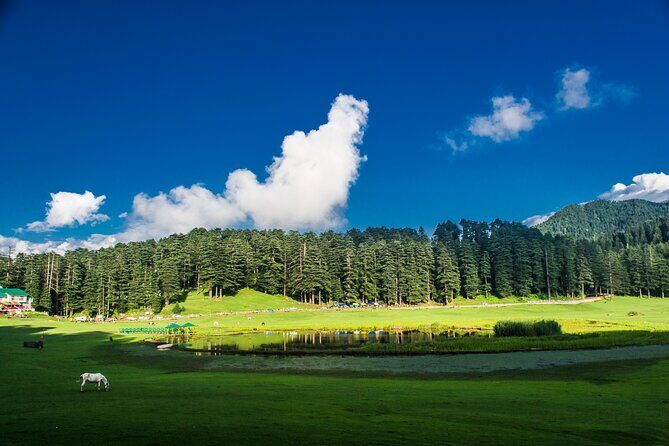
- Day 8: Khajjiar and Kalatop Wildlife Sanctuary—slower, greener energy
- Day 9: the 11–12 hour return to Delhi
- Hotels, meals, and the role of good drivers on mountain roads
- Who this Himachal circuit is best for
- Should you book this tour?
- FAQ
- FAQ
- Where does the tour start and end?
- How long is the Himachal tour package?
- Is this a private tour?
- Are meals included?
- What major attractions are not included?
- Are adventure activities included in Solang Valley?
- What should I expect about the drive to Dharamshala?
- What if the weather is bad?
Key highlights I’d plan around
- Private group transfers from Delhi all the way through the circuit
- Shimla walking time with Mall Road, Christ Church, Jakhoo Hill, and Lakkar Bazaar
- Manali downtime + sights: Hadimba Temple, Vashisht Hot Spring, Tibetan Monastery, Van Vihar
- Solang Valley adventure options at your own cost, plus Anjani Mahadev temple trek time
- A long, scenic push to Dharamshala with driver tips for breaks when roads get rough
- Khajjiar and Kalatop for a slower, nature-centered finish before returning to Delhi
A private Himachal loop that saves you from bus-stress
This is the kind of trip that works because it’s organized like a circuit, not like a chain of random day trips. You’re met in Delhi by your guide and private driver, and that driver stays with you while you’re in Himachal. That matters more than it sounds. In this part of India, local buses can be cheap but time-consuming and hard to coordinate. Here, you just show up, get in the car, and keep moving.
The tour also feels efficient because it’s private. You’re not waiting for other people to decide if they want to climb Jakhoo Hill now or later. Your time stays yours. You still get free time on certain days (like in Manali), but the overall flow is planned.
And meals are a real practical win. Breakfast and dinner included for 8 days means fewer meals to track, less decision-fatigue, and more chances to try whatever the hotel or local restaurant is serving without doing mental math.
You can also read our reviews of more tours and experiences in New Delhi.

Price check: what you’re really paying for at $431.45
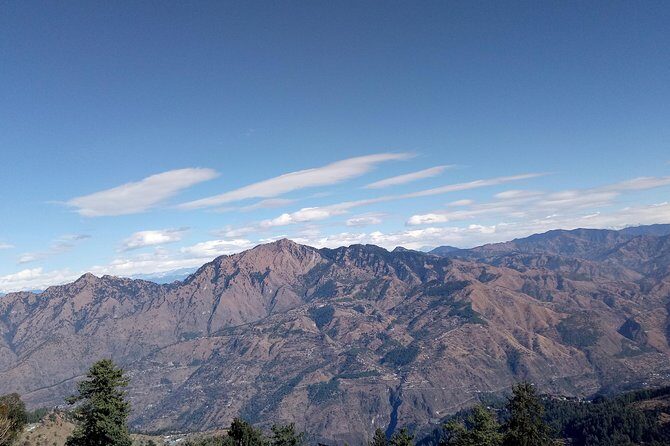
At $431.45 per person, this package is priced like a road-trip circuit with logistics handled. The big value isn’t just the itinerary—it’s the combination of private transfers, a full set of planned stops, and meals included.
Here’s what to watch so you don’t get surprised later:
- GST isn’t included. (You’ll pay it on top.)
- Rohtang Pass, Gulaba, Kothi, and Madhi sightseeing are listed as not included. If those are must-dos for your trip, budget for them separately.
- Heater charges at the hotel are not included, which matters if you’re traveling in colder months.
- In Solang Valley, the adventure activities are explicitly at your own cost—so think paragliding, zorbing, snow scooter rides, and any similar add-ons.
My take: if you’re the type who hates “figuring it out” mid-trip, this price can feel fair fast. If you’re trying to keep costs razor-thin and you plan to do everything cheaply yourself, you might beat the price by DIY—but you’d be giving up the private transfer convenience.
Day 1: arriving in Delhi, then straight to Shimla
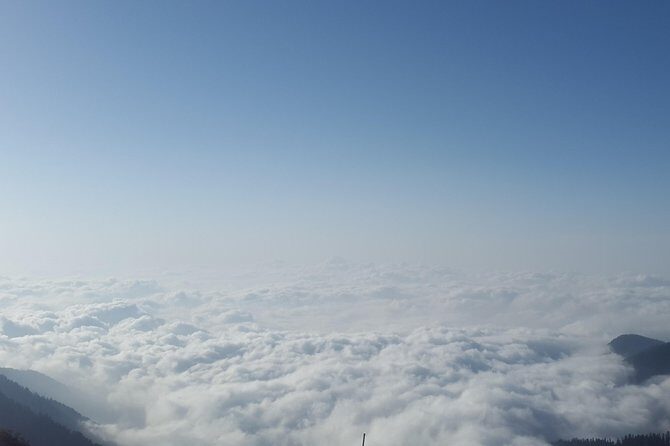
Your tour kicks off in Delhi, where you’re met by a guide and private driver. The driver stays with you for the Himachal portion of the trip, and you head to Shimla after check-in.
The plan doesn’t lock in a specific sightseeing list for Day 1 in the details provided, so think of Day 1 as your “settle, breathe, and get oriented” day. When you’re on a mountain circuit, orientation matters. Shimla is all steep streets, views, and short walks that still add up. If you arrive and then immediately try to pack in big climbs, you’ll likely feel it.
Tip for Day 1: keep your evening flexible. If you have extra energy, a short stroll around the area can help you understand where you’ll want to be the next morning.
Shimla on Day 2: Ridge-area classics and a temple climb
Day 2 is your main Shimla day, and it’s a good mix: colonial-era sights, major religious landmarks, and a bazaar that feels like the city’s everyday heartbeat.
Here’s what’s on the schedule:
Mall Road
This is Shimla’s major hangout zone and shopping center, built during colonial rule, and it sits below The Ridge. I like starting here because it gives you a feel for how the town flows—where people congregate, where views open up, and where you’ll likely return later for snacks.
Christ Church
Christ Church is described as the second oldest church in North India after St John’s Church in Meerut. Worship is conducted in both Hindi and English. If you enjoy architecture and cultural crossover, this stop gives you more than a quick photo.
Jakhoo Hill and Jakhoo Temple
Jakhu Temple is dedicated to Lord Hanuman and sits on Jakhu Hill. The details provided say it’s about 2.5 km east of the Ridge at roughly 2,455 meters. It’s a meaningful stop because it forces you to earn the view a bit, and that’s often when mountain towns start to click.
Gaiety Heritage Cultural Complex
This is at The Ridge and is a hub for cultural events in the state. It also has a link to Bollywood, which explains why it’s often on people’s radar.
Lakkar Bazaar
This is where Shimla shows its craft side. Lakkar (wood) shopping is a big part of the vibe. If you want souvenirs that don’t feel like airport kitsch, this is the kind of stop you’ll appreciate.
Kufri (adventure hub)
Kufri is positioned as an adventure area—ideal when you want a break from city lanes and want the mountains to feel closer.
Drawback to consider in Shimla: your Day 2 combines several stops, so wear comfortable shoes. Also, it’s easy to get “photo-captured” and miss small details—so pick a few you truly want to see in depth, especially around Ridge and Jakhoo.
Manali on Day 3: Pandoh Dam and the Kullu Valley drive
After Shimla, you head to Manali in the morning. On the way, you’ll visit Pandoh Dam, the Kullu Valley, and a rafting point, then drive straight to Manali for check-in and dinner.
The value of this day is simple: it breaks up the long drive. Even if you only get brief moments at each point, you’re not spending the entire day staring at the road.
If you care about adventure vibes, the rafting point is a clue that the region has serious water energy. Even if you don’t raft, it helps you understand why Solang Valley later on is such a playground.
Manali on Day 4: Hadimba Devi Temple, Vashisht Hot Springs, monastery time
This day is your “Manali classic hits” day, with built-in sightseeing and then free time in the evening.
Hadimba Devi Temple
Hadimba Devi Temple is one of the signature spiritual stops in Manali. It’s the kind of place that feels calm compared with the busier streets.
Vashisht
Vashisht is your hot spring stop. The tour frames it as a key part of the day, so plan for it to be one of the highlights. If you’re traveling earlier or later in the year, hot spring time can be the perfect recovery break.
Van Vihar
Van Vihar is listed as part of the day’s city exploration. It’s a nice option for a non-market, more relaxed feel between temple/hot spring time and evening strolling.
Tibetan Monastery
The Tibetan Monastery stop adds a cultural layer. You’ll notice the influence of Tibetan traditions more clearly as the trip moves forward toward Dharamshala and McLeod Ganj.
Evening: Mall Road and IBEX market
In the evening you’re free to explore Mall Road and IBEX market. I like having this breathing room. It’s where you can do small purchases, grab tea, and decide what you still want to linger on tomorrow.
Solang Valley on Day 5: adventure options (at your cost) plus Anjani Mahadev
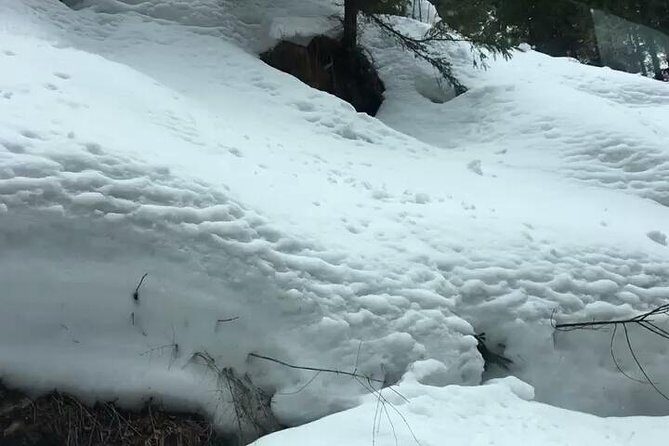
Solang Valley is your adventure day. The schedule gives you about 5 hours, and it lists several activities as at your own cost, including:
- Paragliding
- Zorbing
- Snow scooter rides
- A short trek option to Anjani Mahadev Mandir (Anjani Mahadev temple)
This is one of those days where your decisions matter. If you’re feeling brave, you can stack activities. If you’re not, you still get the valley time, which is visually impressive on its own.
One practical tip: carry a little extra for activities, and confirm what’s included versus what you’ll pay. Since the list is explicit about being at your own cost, you’ll want to avoid assuming anything is bundled.
Day 6: the 6–7 hour drive to Dharamshala, plus road-realism
Today is a drive day. You’ll travel 6 to 7 hours to Dharamshala, and the route can have poor road conditions. The driver can suggest places to stop for refreshments along the way, and you’ll pass through scenic areas.
This is where you’ll benefit from having a private driver. When conditions are tough, knowing when to stop, what breaks to take, and how to manage timing reduces stress. It’s not just comfort; it also protects energy for the next day’s sightseeing.
Dharamshala and McLeod Ganj on Day 7: temples, waterfall, and Dal Lake time
Day 7 is a private tour day around Dharamshala, McLeod Ganj, and nearby sights with your driver.
Stops include:
- McLeod Ganj
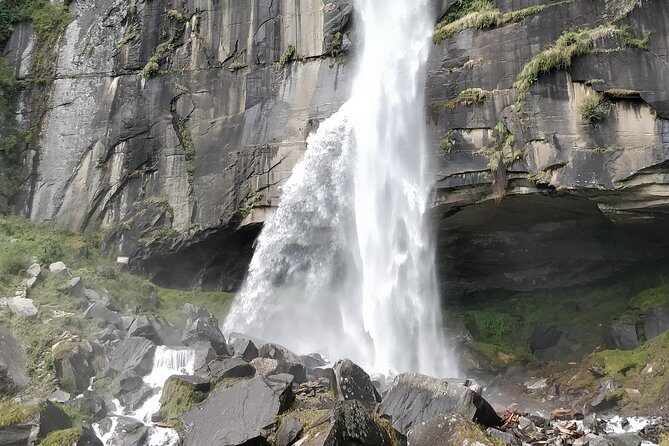
- Bhagsu Waterfall (listed as a very short stop)
- HPCA Stadium
- Dal Lake
- Plus Bhagsunag Temple in the tour description
This day has a distinct personality. The Tibetan presence shows up strongly in the area, and the tour notes the sight of Tibetan population and robed monks, which is part of why McLeod Ganj feels different from the India-side city vibe you’ll see in Shimla and Manali.
If you like variety, you’ll enjoy the mix:
- spiritual stop(s),
- a quick waterfall moment,
- a lake-side pause,
- and a landmark like HPCA Stadium that connects the town to its more modern identity.
Consideration: because Bhagsu Waterfall is listed with a very short duration, manage your expectations. Treat it as a quick photo-and-stretch stop, not a long hike day.
Day 8: Khajjiar and Kalatop Wildlife Sanctuary—slower, greener energy
You start the morning after breakfast and head to Khajjiar and Kalatop Wildlife Sanctuary.
Khajjiar is described as a place where you can spend a whole day admiring the beauty of the lake and simply sitting for peace. The schedule still keeps time windows listed (about 2 hours for Khajjiar and about 1 hour for Kalatop in the provided details), but the overall instruction is clearly “slow down and enjoy.”
Then you have an overnight stay in a hotel.
Why this day is smart: after days of temples and driving, this is your decompression. It gives you time to just be outdoors without the pressure of ticking a long list of attractions.
Day 9: the 11–12 hour return to Delhi
On Day 9, you drive back to Delhi, with a journey of approximately 11 to 12 hours. The advice is to start early in the morning. Once you arrive in Delhi, your cab drops you in Delhi.
This is the day to plan smart. Because it’s so long, your comfort choices matter:
- wear layers,
- drink water,
- and keep snacks handy so you’re not forced into expensive, last-minute stops.
It’s also a good day to mentally switch from “sightseeing mode” to “survival mode.” Don’t schedule extra activities in Delhi unless you’re confident about energy and traffic timing.
Hotels, meals, and the role of good drivers on mountain roads
The tour includes breakfasts and dinners for 8 days, which is a helpful baseline. That doesn’t mean every lunch is solved—so you’ll likely spend some time choosing lunch when you stop—but it removes the hardest part of planning: meal budgeting and meal hunting on the go.
A big theme that matters on circuits like this is the driver. The trip depends on road conditions and the ability to keep things safe and on time. In past experiences shared with this provider, the standout detail is that the team focuses on smooth, safe driving and professional handling of the plan. I’d treat that as a major selling point because on mountain highways, “just getting there” is half the battle.
Also, note what’s not covered: heater charges aren’t included in the hotel cost. If you’re traveling when it’s cold, don’t assume the room will be warm without extra charges.
Who this Himachal circuit is best for
This tour makes the most sense if you want:
- private car transfers (no bus juggling),
- a full itinerary that strings together Shimla, Manali, Solang Valley, Dharamshala/McLeod Ganj, and Khajjiar,
- and meals planned in advance.
It’s also a strong fit for groups that want privacy—people who don’t want to coordinate with strangers.
If you’re a hardcore DIY traveler who already knows the best timing for Rohtang-related routes and wants to customize every stop, you might find some parts too fixed. And if Rohtang Pass is a major must, remember it’s listed as not included.
Should you book this tour?
I’d book it if your priority is less stress and a clean route through the highlights. Private transfers plus planned sightseeing plus meals included is a combo that saves you time and mental energy. It’s also a good structure if you want adventure in Solang Valley but don’t want to spend your days figuring out how to get there.
I’d think twice if you’re specifically chasing add-on sights like Rohtang Pass or if you’re trying to avoid any extra costs beyond the base package. This plan is solid, but it’s not a “everything is paid” deal. You’ll still choose and pay for certain experiences.
FAQ
FAQ
Where does the tour start and end?
The tour starts in Delhi, India and ends back at the meeting point in Delhi.
How long is the Himachal tour package?
The duration is 9 days (approximately).
Is this a private tour?
Yes. It’s a private tour/activity, and only your group participates.
Are meals included?
Yes. Breakfast and dinner are included for 8 days.
What major attractions are not included?
GST is not included, and Rohtang Pass, Gulaba, Kothi, and Madhi sightseeing are also not included.
Are adventure activities included in Solang Valley?
Adventure activities in Solang Valley are listed as at your own cost.
What should I expect about the drive to Dharamshala?
The drive to Dharamshala is 6 to 7 hours, and road conditions can be poor, though the driver can suggest places to stop for refreshments.
What if the weather is bad?
The experience requires good weather. If it’s canceled due to poor weather, you’ll be offered a different date or a full refund.