REVIEW · HARIDWAR
2 Day Jim Corbett National Park Tour From Delhi
Book on GetYourGuide →Operated by Taj Mahal Tourism · Bookable on GetYourGuide
Two safaris. One serious tiger quest. This 2-day run from Delhi gets you into Jim Corbett National Park with two separate jeep safari windows, so you’re not just hoping for wildlife in one shot.
What I like most is the split safari plan across different areas, and the comfort of the resort break between outings. Think Bijrani/Jhirna for the first drive, then Dhikala/Dhela for the early morning chase.
One drawback to plan around: it’s a long road trip, and sightings are never guaranteed. A first-timer mistake is expecting tigers on cue, especially during the morning slot, even though you may get signs like prints and warning calls.
In This Review
- Key things I’d circle before you go
- The Drive From Delhi: Comfort Helps, Time Flies
- Day 1 in Corbett: Check-In, Lunch, Then Your First Jeep Safari
- Bijrani or Jhirna Safari: What You’re Actually Betting On
- Resort Reality: Pool and River Views, Plus Food That Can Be a Variable
- Day 2 Morning Safari: Dhikala or Dhela and the Best Time to Watch
- Returning to Delhi: Arrive by Evening, With Lunch on the Way
- Wildlife Expectations: Tigers Aren’t Guaranteed, So Watch the Whole Park
- Price and Value: Is $364 Per Person Worth It?
- Practical Tips That Make a Real Difference
- Should You Book This 2-Day Jim Corbett Tour From Delhi?
- FAQ
- How long is the Jim Corbett tour from Delhi?
- What time do you leave Delhi?
- What safari times and zones are included?
- Is the tour wheelchair accessible?
- What ID do I need to bring?
- Does the tour include an English guide and skip the ticket line?
Key things I’d circle before you go
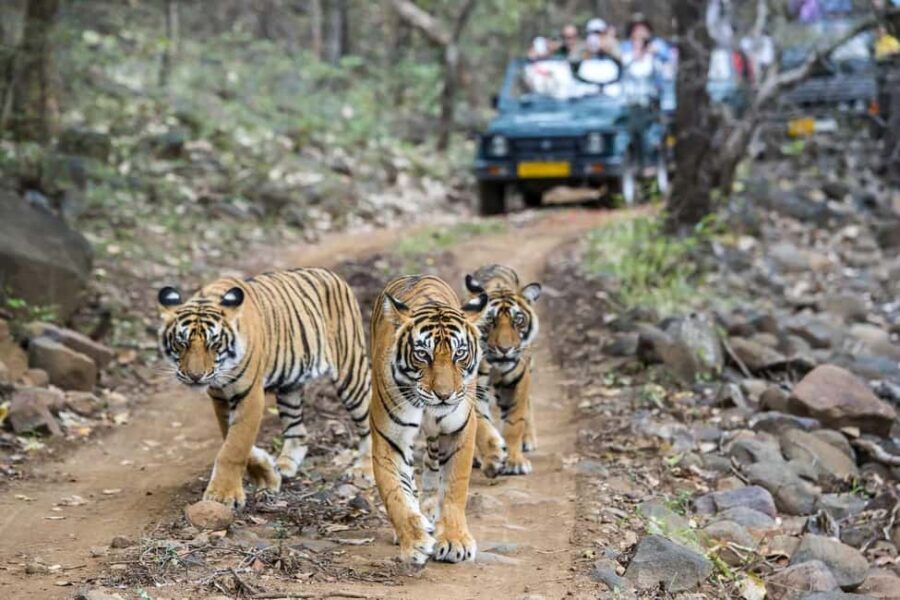
- Two safari times on two days: afternoon + early morning, which changes what you’re likely to see
- Different safari zones: Bijrani/Jhirna, then Dhikala/Dhela, helps you cover more ground
- Resort time is real time: pool and river views show up in the experience, not just a quick stop
- Jeep safari is the main event: you’re riding inside the search zone, not watching from the sidelines
- Tiger sightings aren’t the baseline: you can still leave satisfied with elephants, deer, birds, and tracks
- English guide is part of the package: helpful for reading the terrain and animal behavior
The Drive From Delhi: Comfort Helps, Time Flies
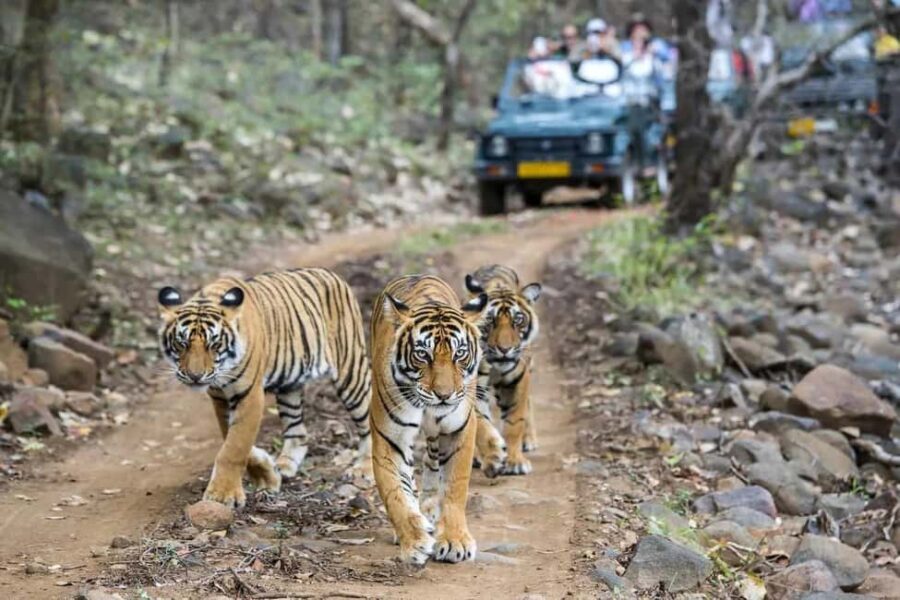
This tour is built around a classic India rhythm: leave early, arrive by midday, then use the afternoon and the next morning for wildlife. You depart Delhi around 5:30 AM in a private cab or coach, and the road route is about 240 km—roughly 6 hours depending on traffic.
I like that the transport is described as comfortable, and that matters here. The drive is long enough that you should bring your own patience, plus something to do if the highway lull hits (books, cards, downloaded episodes—anything that doesn’t depend on cell signal).
Breakfast is planned en route at a highway restaurant. That’s practical because it prevents you from arriving hangry and then wasting your first hours at the park doing damage control.
You can also read our reviews of more tours and experiences in Haridwar.



Day 1 in Corbett: Check-In, Lunch, Then Your First Jeep Safari
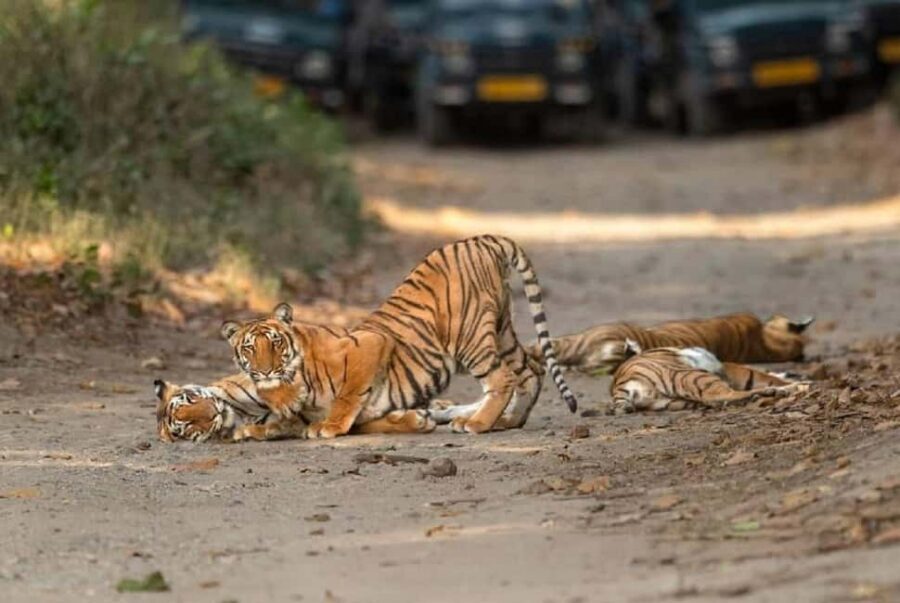
By about 12:00 PM, you’ll reach the Jim Corbett area and check into your resort or hotel. After a welcome drink and time to freshen up, lunch is on the schedule, so you’re not turning dinner into the first meal of the day.
Your first safari runs 3:00 PM–6:00 PM. This is the window that often feels busiest for activity because animals change their movement patterns as the heat eases. You’ll typically be in the Bijrani or Jhirna zone, depending on what’s available and the plan for your group.
Between check-in and safari, there’s room for lighter activities from the tour highlights—things like a nature walk or a visit to Corbett Museum. You may also get time connected to local sights such as the Kosi River, though the exact pacing can vary by day.
When the safari ends, you return to the resort and can relax with tea or coffee and snacks. Some days may include a bonfire or light cultural entertainment, but it’s noted as subject to availability, so don’t plan your whole evening around it.
Bijrani or Jhirna Safari: What You’re Actually Betting On
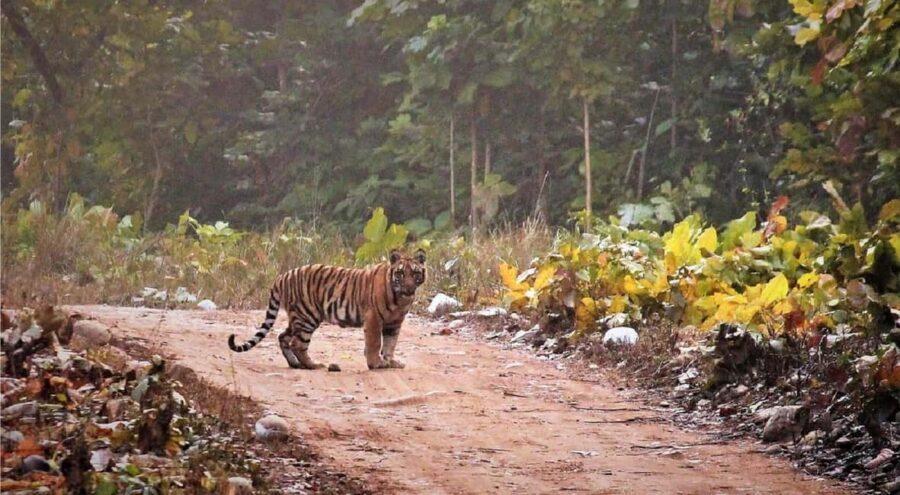
This first jeep safari is the emotional center of the trip, because it’s your best chance to start logging animal sightings immediately. In the zones you’ll cover, the goal isn’t just a tiger photo—it’s spotting animals moving through the corridor of the forest.
In the experience you’re following, people report seeing elephants, deer, wild boars, monkeys, plus lots of birds. Even when a tiger doesn’t show, you can still feel the park’s presence through tracks and animal behavior.
Here’s the realistic part: tigers are rare, and you might only get indirect proof. One of the strongest pieces of advice from the experience is to accept that a tiger sighting is not the default outcome. Some people ended up seeing tiger footprints and hearing warning calls that suggested they were nearby, which is still a thrill if you’re watching closely and not just hunting for a single species.
Also, keep your expectations for the afternoon vs. morning in balance. The morning safari can sometimes be quieter for some wildlife sightings, but the afternoon can be better for movement and visibility. The only way to improve your odds is to do both days—which this itinerary does.
Resort Reality: Pool and River Views, Plus Food That Can Be a Variable
After your first safari, dinner is at the resort, and overnight stay is included. One of the most praised elements in the experience is the resort comfort: people highlight a pool and the view near the river, which is a big deal after a long drive and a full afternoon in the jeep.
Food is usually described as good, with breakfast and Indian dinner getting positive notes. But there are also two practical heads-ups you should take seriously.
First, your menu options might be limited if you have strict allergies or food restrictions. It’s not that the food is bad; it’s that not every resort-style kitchen can accommodate complicated diet needs smoothly.
Second, timing can feel a little different from what you expect. One experience flagged that schedules weren’t always identical to the advertised timing, so double-check once you arrive, especially for safari reporting times.
If you’re sensitive to wording barriers, note that some staff may have trouble with English. That’s not a show-stopper if your main need is just ordering food or asking where to wait, but it’s worth keeping expectations calm.
Day 2 Morning Safari: Dhikala or Dhela and the Best Time to Watch
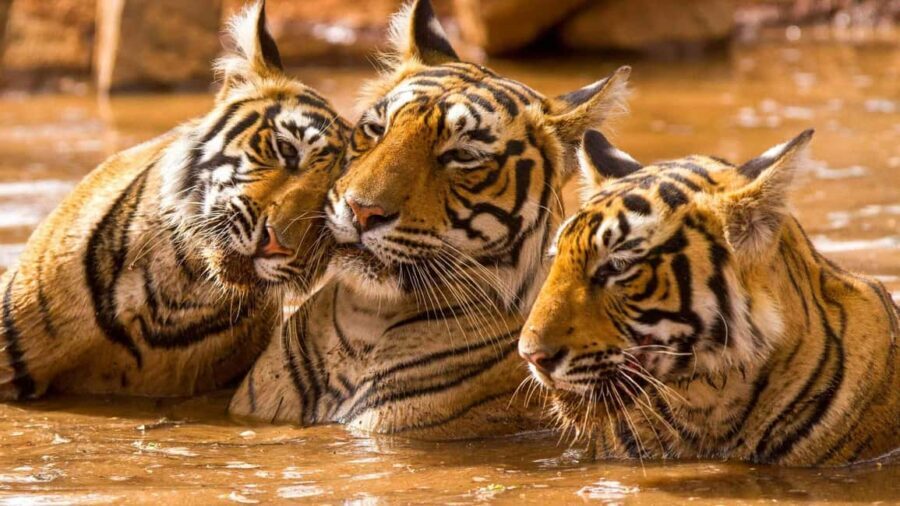
Your second safari starts early, 6:00 AM–9:00 AM. You’ll move into Dhikala or Dhela, areas known for dense forest and frequent wildlife activity.
This is where the trip earns its second act. Early morning light changes everything: animals often move more, birds get louder, and you’re more likely to catch feeding behavior rather than late-day wandering. People also report strong bird activity and multiple species of deer around this time.
But here’s the balance check: not every morning delivers a headline animal. One experience noted fewer animals during the morning safari—just a few deer and monkeys—so keep your mindset flexible. If you came for tigers, you might go home with the lesson that Corbett is a place you earn sightings in, not a theme park where the big cat is guaranteed.
After the morning safari, you return to the resort for breakfast and some leisure time. Check-out is by 11:00 AM, which keeps the logistics tight so you can head back to Delhi.


Returning to Delhi: Arrive by Evening, With Lunch on the Way
You’ll depart the resort after check-out and head back toward Delhi. There’s a stop for lunch en route, and the drive is timed so you should reach Delhi around 6:00 PM.
This means you’re not dragging your feet all day. You’ll still feel the length of the trip—especially if you don’t sleep much on the first night—but the schedule does what it’s supposed to: maximize time for safaris while still getting you back without an extra overnight.
If you like your travel days clean and predictable, this is a plus. If you get travel-dehydrated easily, drink water on the way back, even if everyone around you acts like it’s fine to skip it.
Wildlife Expectations: Tigers Aren’t Guaranteed, So Watch the Whole Park
If you’re planning a Jim Corbett trip, you already know the headline. Still, the most helpful mindset is this: aim to spot animals, but expect variety and signs—more than one single perfect sighting.
Across the experience, common sightings include:
- Elephants (reported in multiple experiences)
- Deer in different types
- Monkeys
- Peacocks
- Jackals
- Lots of birdlife, including hummingbirds and kingfisher in at least one report
And then there’s the tiger reality. Even when tigers don’t appear directly, you may still notice clues. People described warning calls and tiger footprints. That matters because it’s still evidence of tiger presence in the zone you’re riding.
Also: animals often sleep during the day, which is why doing either/both morning or evening matters. This tour does both, so you’re not stuck choosing just one “maybe” time slot.
Price and Value: Is $364 Per Person Worth It?
At $364 per person for a 2-day, Delhi-to-Corbett-and-back setup, the price isn’t just for “a safari.” It covers the main components that would be annoying to piece together alone:
- Private transport from Delhi
- Resort/hotel stay inside the park area
- Two jeep safaris across different zones
- A live English guide plus on-ground coordination
- Standard inclusions like meals and the typical park-day flow
For value, the strongest argument is the two-day, two-zone safari strategy. If you’re paying for one drive and then discovering that the “wrong” time slot is quiet, you feel it immediately. Doing both reduces that risk and increases your odds of seeing something interesting—tiger or not.
Still, the best value depends on you. If you want guaranteed tiger viewing, no 2-day itinerary can honestly promise it. If you want a well-organized introduction to Corbett’s wildlife rhythm, this price can make sense—especially if you’re coming from Delhi and don’t want to handle transport and timing yourself.
Practical Tips That Make a Real Difference
1) Pack for early mornings and jungle luck
Bring comfortable walking shoes, since the tour highlights include optional walking and museum/nature stop time. Also plan for cool mornings and warmer afternoons.
2) Bring stuff for the drive
The long road trip is part of the deal. One experience specifically noted it’s a long drive and recommended bringing activities. Phone battery + entertainment plan = less stress.
3) Expect some sales talk near the area
People may approach with souvenirs or chai. The experience notes pricing can be pretty reasonable, but you still should be polite and ready to say no if you’re not interested.
4) Ask about timing once you arrive
At least one experience flagged that timings may differ a bit from what’s listed. The fix is easy: confirm your safari reporting time in the morning and the night before.
5) If you have allergies, tell them clearly
If you have restrictions, don’t assume every ingredient can be swapped. One report mentioned limited options for food restrictions and English communication challenges at the hotel.
Should You Book This 2-Day Jim Corbett Tour From Delhi?
I’d book it if you want a straightforward, organized Jim Corbett National Park tour from Delhi that does two safari windows and gives you a comfortable base in between. The combination of transport, resort downtime, and jeep rides in different zones is the right structure for a short trip.
I’d pause if you’re traveling with mobility limitations, since it’s not wheelchair accessible and isn’t suitable for people with mobility impairments. I’d also be cautious if you need special meals for allergies, because food options may be limited.
If you’re realistic about tiger chances and you enjoy watching animals, birds, and tracks over chasing one big photo, this itinerary fits that mindset. Corbett rewards patience—and two safaris is the practical way to earn it.
FAQ
How long is the Jim Corbett tour from Delhi?
It’s a 2-day tour.
What time do you leave Delhi?
You depart Delhi around 5:30 AM.
What safari times and zones are included?
Day 1 has a safari from 3:00 PM to 6:00 PM in Bijrani or Jhirna. Day 2 has a safari from 6:00 AM to 9:00 AM in Dhikala or Dhela.
Is the tour wheelchair accessible?
No. It’s not wheelchair accessible and isn’t suitable for people with mobility impairments.
What ID do I need to bring?
You need a passport or ID card.
Does the tour include an English guide and skip the ticket line?
Yes. It includes a live English tour guide and you’ll skip the ticket line.