REVIEW · HARIDWAR
7 Day Tour to Valley of Flowers and Auli Hiking Adventure
Book on Viator →Operated by Bayberry Adventures · Bookable on Viator
That altitude puts you on your best behavior.
This 7-day Valley of Flowers + Auli adventure in Uttarakhand mixes famous nature with very real trek time. You’ll see a UNESCO-listed national park at high elevations (from about 3,250 m up to 6,750 m) with a focus on flowering plants (500+ species) and wildlife that includes species like musk deer and Himalayan birds. Two things I especially like: the plan for early-morning energy at Ghangaria (including morning yoga) and the fact that this is a guided, safety-minded trek with safety equipment and an oxygen cylinder included.
You’ll be walking in serious terrain, not strolling.
The route hits a high point at Hemkund Sahib (4,650 m) and includes a full downhill trek day too. If you’re not comfortable with altitude or long hiking days, this may feel like a lot—especially since the tour is not recommended for overweight travelers or for people with very high blood pressure.
In This Review
- Key Highlights You’ll Feel on This Trip
- Panch Prayag Road Stops: Devprayag, Rudraprayag, and Karnaprayag
- Ghangaria Morning Yoga: Preparing Your Legs for Real Trek Time
- Valley of Flowers Trek (4 km One Way): How to Enjoy the Park Without Rushing
- Hemkund Sahib at 4,650 m: The High Gurudwara Stop That Changes the Mood
- 10 km Down to Govindghat, Then to Joshimath: The Day Your Legs Thank You
- Auli and Gorson Bugyal Zero-Point Views: The Day Trip That Feels Like a Reward
- Long Transfer Back to Haridwar Railway Station: Plan for the 8–9 Hours
- Price and Value: Why This Cost Can Make Sense for 7 Days
- Who This Tour Fits Best (and Who Should Skip It)
- Should You Book This 7-Day Valley of Flowers and Auli Trek?
- FAQ
- Where does the tour start and what time is departure?
- What is the trek distance to the Valley of Flowers?
- How high is Hemkund Sahib on this itinerary?
- How much trekking happens on the downhill day to Govindghat?
- What view hike do you do in Auli and how far is it?
- What’s included in the tour price?
- Are admission fees included?
- What fitness or health limits apply?
Key Highlights You’ll Feel on This Trip
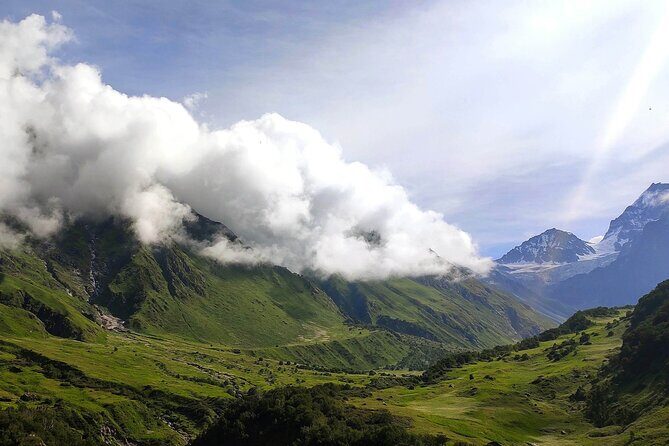
- Morning yoga in the Ghangaria area before your day gets going
- A guided Valley of Flowers trek (4 km one way to the valley mouth)
- Hemkund Sahib at 4,650 m with a proper pilgrimage stop
- A big downhill day: 10 km from Ghangaria to Govindghat, then drive to Joshimath
- Auli + Gorson Bugyal zero-point views after reaching pillar no 10
Panch Prayag Road Stops: Devprayag, Rudraprayag, and Karnaprayag
Your trip starts in Haridwar territory with a 6:30 am start time and a long-but-interesting approach into the Himalayan valleys. Day 1 is essentially a scenic travel day where the coach/transport route includes stops at three of the Panch Prayag confluences: Devprayag, Rudraprayag, and Karnaprayag. These aren’t just quick photo breaks. Confluences along the Alaknanda system are part of local geography and belief, so you get a sense of place before the hiking begins.
What I like about starting this way is pacing. You’re still fresh, you’re not huffing yet, and you’re learning the river-country you’ll be moving through. It also helps break up a drive that would otherwise feel like time spent watching headlights bounce.
Tiny drawback: Day 1 is early travel and you may feel it later. Plan for fatigue and keep your focus on hydration and snacks so you don’t pay for it on the trek days.
You can also read our reviews of more tours and experiences in Haridwar.
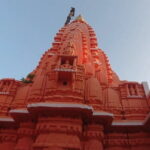
Ghangaria Morning Yoga: Preparing Your Legs for Real Trek Time
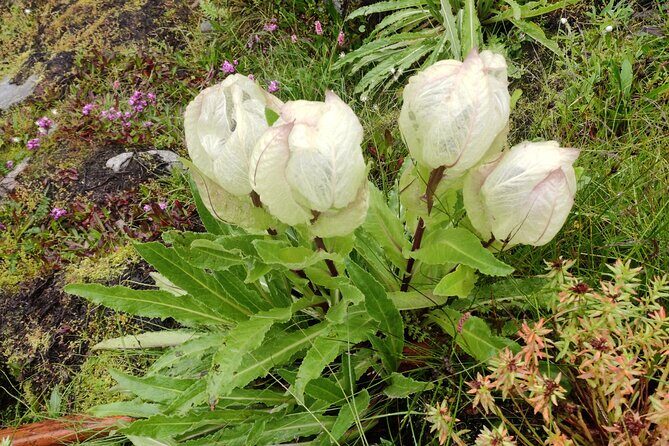
Day 2 shifts from “getting there” to “getting ready.” You’ll reach Ghangaria, and the schedule calls for an early session of morning yoga in the area, described as a meadow of clouds. That’s not just a cute ritual. It’s a practical warm-up for what comes next: cold air, uphill pulls, and the kind of walking where your legs work more than your mind.
This is also where the trip’s safety and professionalism start to matter. In follow-up guidance, Bayberry Adventures shared that the key to enjoying the trek is strong legs—so they encourage training before you go. That message lines up with what you’ll experience: the itinerary includes moderate fitness requirements and the trekking is not treated as casual.
Tip from how this trip is set up: if you can, arrive already able to do stairs and sustained walking without your knees complaining. Even if you’re fit, the altitude and uneven trail can turn “fine” into “hard” fast.
Valley of Flowers Trek (4 km One Way): How to Enjoy the Park Without Rushing
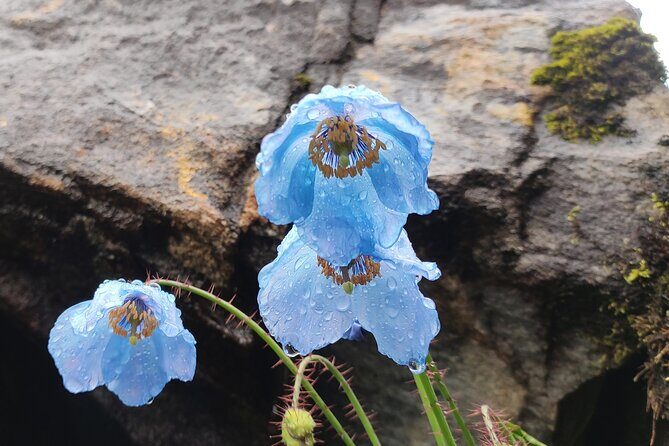
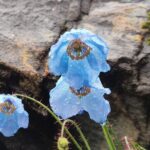
Day 3 is the signature nature day. After breakfast, you’ll start your trek to Valley of Flowers National Park, listed as 4 km one way to the mouth of the valley. The park itself is famous for flowering plants—500+ species—and it sits at high elevation in the Western Himalayas, with a UNESCO World Heritage label. The wildlife side is real too, with a chance (not a guarantee) to see animals and birds common to this altitude range.
Here’s the practical way to enjoy this day: treat it like a steady climb, not a sprint. Even though the distance looks manageable on paper, the air gets thinner and your legs do a lot more work than you expect. A guide’s job is to help keep your pace steady and your group safe, especially when weather changes or the trail conditions feel tricky.
What you should watch for is timing and energy. You’ll have a trekking start after breakfast, then return to Ghangaria for the night (the day is listed as about 14 hours total including trekking and return). So don’t save everything for the valley and arrive exhausted. Stop when you need to, breathe, and take photos only when your legs are still cooperating.
One more note: this trip is designed for people with moderate physical fitness and it’s not recommended for overweight travelers. If you’re on the edge, don’t interpret “moderate” as “easy.” The altitude plus trail type is the real challenge.
Hemkund Sahib at 4,650 m: The High Gurudwara Stop That Changes the Mood
Day 4 is your high-altitude spiritual day. After breakfast, you’ll trek to Hemkund Sahib at 4,650 m, described as the highest gurudwara in the world. Then you return to Ghangaria to spend the night at the rest house.
This is one of those days where the walking feels different because the destination matters. You’re not only moving through mountain air—you’re heading to a specific cultural landmark. The higher elevation also means you may feel more wind, colder air, and thinner breathing, so you’ll want to move at a controlled pace.
A practical consideration: if you’ve had headaches, dizziness, or unusually strong breathlessness on the first trek day, speak up early. This tour includes safety equipment and an oxygen cylinder, which is exactly what you want on a day like this. Still, your best “gear” is smart pacing and listening to your body.
10 km Down to Govindghat, Then to Joshimath: The Day Your Legs Thank You
Day 5 has a classic trek pattern: you earn a downhill day—then you face the reality that downhill still takes stamina. You’ll trek 10 km downhill from Ghangaria to Govindghat, then take a 25 km car ride to Joshimath. The total day is described as about 5–6 hours, including the trekking and the drive.
Downhill can be deceptive. Your quads do most of the work, and you’ll feel it the next morning if you don’t manage your step length and footing. This is the day to use trekking poles if you have them (not listed, but many hikers find them helpful), and to keep your strides short on uneven patches.
Then there’s the optional wrinkle: the plan says those wanting to visit Badrinath can peel off from Govindghat and visit it under guidance. The itinerary doesn’t make Badrinath a default, so don’t assume it’s guaranteed for everyone. If Badrinath matters to you, confirm the exact option at booking time.
Joshimath is where you reset. You’ll reach the resort area and be able to relax rather than immediately chase altitude again.
Auli and Gorson Bugyal Zero-Point Views: The Day Trip That Feels Like a Reward
Day 6 is built around scenery and a short hike with big payoffs. You’ll relax at the Joshimath resort area in the morning, with the option of yoga again, then drive to Auli. After reaching a point identified as pillar no 10, you’ll trek about 2.5 km to Gorson Bugyal—also known as Auli Bugyal.
And yes, the promise here is the view: at the “zero point” you get a 360-degree view. The plan also includes a tea break with chai and pakoras after reaching the viewing spot. That kind of snack-and-sit moment isn’t just comfort. It helps you absorb what you came for, instead of spending the whole day “only moving.”
What I like about this day is that it balances effort and reward. You’ve already done trekking at altitude, and this hike is shorter while still feeling like a real outing. It’s a good fit if you want mountain drama without another long grind.
Long Transfer Back to Haridwar Railway Station: Plan for the 8–9 Hours
Day 7 is a heavy travel day. You’ll transfer from Joshimath back to Haridwar Railway Station, listed as about 273 km and 8–9 hours in total, with lunch en route. The tour ends there, with the full trip designed around returning you to a rail access point rather than keeping you roaming.
This is where you should protect your energy. Don’t plan big dinners or extra day trips the moment you arrive. Your body may be tired from trekking even if you feel okay that morning.
If you’re someone who hates sitting for hours, pack for comfort: a warm layer, something to keep you occupied, and water you can actually access without digging through bags every stop.
Price and Value: Why This Cost Can Make Sense for 7 Days
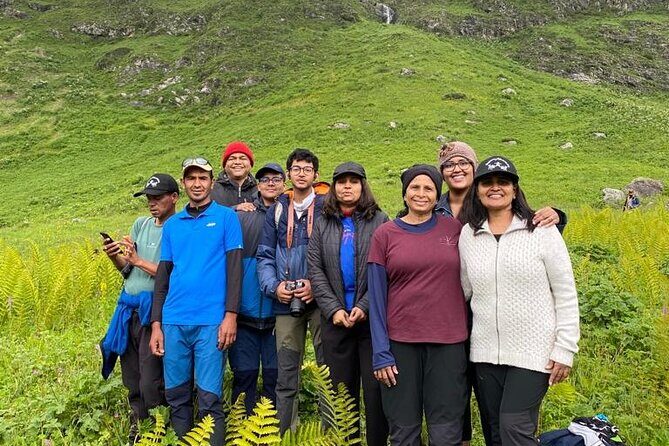
The price is listed at $339.98 per person for about 7 days, and the tour is booked far in advance on average (219 days). When you look at what’s included, it starts to feel more reasonable than a “single trek” cost.
Included items that matter in practice:
- Accommodation on twin/triple sharing basis
- Safety equipment, oxygen cylinder, and a first aid kit
- Trained guides for escorting
- Transport for the group
- Meals: 7 breakfasts, 6 dinners, 7 lunches
- Trek-day support including Valley of Flowers national park entry listed as included, and Gorson Bugyal entry listed as included
Two value notes you should consider:
- Altitude safety isn’t free. Having an oxygen cylinder and first-aid kit built into the plan is the sort of thing you really notice only if you need it.
- It’s not a bare-bones itinerary. You’re paying for guided pacing across multiple days: valley trek, Hemkund trek, downhill trek, and a later viewpoint hike.
Important clarification: admission fees are listed as not included for foreign nationals (INR 600 per person). Since the itinerary shows some park entries as included, your safest move is to confirm what your nationality triggers. Ask for a clear breakdown so you don’t hit an unexpected desk fee on arrival.
Who This Tour Fits Best (and Who Should Skip It)
This tour is for you if you:
- Want a guided Himalayan experience with built-in safety support
- Enjoy trekking with a destination (Valley of Flowers) and a landmark (Hemkund Sahib)
- Can handle moderate fitness demands and high-elevation walking
This tour is not a great match if you:
- Need a low-altitude, fully comfortable walking schedule
- Have very high blood pressure, or are overweight (the trip specifically says not recommended)
- Get discouraged by long travel days, including the final 8–9 hour drive back
The best preparation I can recommend matches what Bayberry Adventures emphasized: train for strong legs before you go. If you can walk hills and stairs for increasing time over a few weeks, you’ll feel the difference.
Should You Book This 7-Day Valley of Flowers and Auli Trek?
I’d book this if you want the real deal: famous Himalayan views, structured guidance, and enough support that you can focus on the trail instead of logistics. The trip’s biggest strength is the safety-forward setup (oxygen and first aid), plus the professional tone you’ll get from pre-trip coaching like the training guidance shared by Kiran from Bayberry Adventures.
I’d pass or ask more questions first if altitude worries you, if your legs aren’t ready for downhill, or if you’d struggle with long sit-and-drive segments between trekking days.
If you’re a confident hiker with moderate fitness and you’re excited by nature plus cultural stops at elevation, this is a strong value for your time.
FAQ
Where does the tour start and what time is departure?
The tour starts at 6:30 am, and it begins at a meeting point near public transportation. The activity ends back at the meeting point.
What is the trek distance to the Valley of Flowers?
On Day 3, you trek 4 km one way to the mouth of the Valley of Flowers.
How high is Hemkund Sahib on this itinerary?
The trek to Hemkund Sahib is listed at 4,650 m (the highest gurudwara in the world, per the trip description).
How much trekking happens on the downhill day to Govindghat?
On Day 5, you trek 10 km downhill from Ghangaria to Govindghat, then take a 25 km car ride to Joshimath.
What view hike do you do in Auli and how far is it?
On Day 6, after reaching pillar no 10, you trek about 2.5 km to Gorson Bugyal (Auli Bugyal) for 360-degree views.
What’s included in the tour price?
The tour includes twin/triple sharing accommodation, safety equipment with an oxygen cylinder and first aid kit, trained guides, group transport, and meals (7 breakfasts, 6 dinners, 7 lunches).
Are admission fees included?
Admission fees are listed as not included for foreign nationals (INR 600 per person). The itinerary notes park entries such as Valley of Flowers and Gorson Bugyal as included, so it’s best to confirm the exact admission charges for your nationality at booking.
What fitness or health limits apply?
The tour calls for moderate physical fitness and being physically fit to undertake the trek. It is not recommended for overweight travelers or travelers with very high blood pressure.