REVIEW · HARIDWAR
Haridwar: Full-Day Cultural Tour with Guide
Book on GetYourGuide →Operated by Uttar Tours · Bookable on GetYourGuide
Haridwar hits you fast, then won’t let go. This 8-hour cultural day strings together Shiva temples, cable-car views from the hills, and the evening Ganga Aarti at Har Ki Pauri. I love how the guide connects the stories to what you’re seeing, and I also like the practical pacing that fits a lot into one day. The main trade-off: it’s a walking-and-crowds kind of day, and the Aarti area can get tight.
For $35, you’re paying for a private guide, transport, water, and help with shopping—plus the structure that keeps you from guessing your way around. I also like that the route includes markets and ritual ghats, not just temple sightseeing. One thing to budget for: temple and ropeway tickets aren’t included, and lunch is also on your own tab.
In This Review
- Key Things That Make This Tour Worth Your Time
- A One-Day Route Through Haridwar’s Temples, Ropeways, and Ghat Rituals
- Getting Started: Pickup Timing, Modest Dress, and Comfort Basics
- Daksh Mahadev Temple: Shiva Stories in a Quieter Pocket
- Shri Yantra Temple: Symbolic Spirituality You Can Understand
- Maya Devi Temple and the Shakti Peethas Connection
- Ropeway Time to Chandi Devi and Mansa Devi: Views and Devotion on the Hills
- Lunch on Your Own: Keep It Satvik and Simple
- Moti Bazaar Shopping Walk: Puja Items and Real Local Treats
- Kusha Ghat: Watching Daily Rituals Like a Respectful Observer
- Har Ki Pauri and the Ganga Aarti: How to Get a Good Spot
- Price and Tickets: What Your $35 Actually Buys
- Guide Flexibility: Why the Right Host Changes the Day
- Who This Haridwar Tour Fits Best (and Who Should Skip It)
- Should You Book This Haridwar Full-Day Cultural Tour?
- FAQ
- How long is the Haridwar cultural tour?
- Where does pickup happen?
- What does the tour cost?
- What’s included in the price?
- What’s not included?
- Are ropeway and temple tickets optional?
- Is there VIP seating for the Ganga Aarti?
- What should I bring and wear?
- Is the tour suitable for people with mobility impairments?
- How many people are in the group?
Key Things That Make This Tour Worth Your Time
- Cable-car temple access with big river-and-city views from Neel Parvat and Bilwa Parvat
- Two kinds of temple context: myth (Daksh Mahadev) and symbolism (Shri Yantra Temple)
- A guided Moti Bazaar walk focused on practical buys like puja items, rudraksha beads, sweets, and brass
- Aarti timing strategy at Har Ki Pauri, including an option for paid seating
- Flexible alternatives if you prefer to skip ropeways (hiking option or swapping to a quieter stop)
- Kusha Ghat ritual observation where you learn what to look for without getting in the way
A One-Day Route Through Haridwar’s Temples, Ropeways, and Ghat Rituals
This tour is built for people who want the spiritual core of Haridwar in one day. You start with pickup in Haridwar or Rishikesh, then move through a tight loop of temples, market time, and end with the river ritual that most people came for.
What makes the day feel “worth it” is the variety. You get classic temple stops up on the calendar of Hindu myth and devotion, but you also see the city at ground level: the shops, the daily ghat routines, and the chanting atmosphere before Aarti begins.
If you’re the kind of traveler who likes structure, this works. If you’re the kind who wants to linger quietly in one place for hours, you’ll still get a lot—but you’ll probably want a second day in Haridwar to slow down.
You can also read our reviews of more guided tours in Haridwar
Getting Started: Pickup Timing, Modest Dress, and Comfort Basics
Pickup is included, and you’re expected to be ready about 10 minutes before the scheduled time at your hotel or the meeting point. Wear shoes you can walk in for hours; you’ll be on your feet more than you might expect.
You also need modest dress. Shorts and sleeveless shirts aren’t allowed, and you should plan on covering shoulders and knees. The temples are forgiving for visitors who dress respectfully, but the rule is clear enough that I’d rather you be prepared than scramble at the last minute.
A final comfort note: the Aarti area can be crowded, so keep your phone and wallet secure and close. It’s not the time for loose bags or anything hanging off your side.
Daksh Mahadev Temple: Shiva Stories in a Quieter Pocket
Your first meaningful temple stop is Daksh Mahadev Temple, dedicated to Lord Shiva. The big advantage here is that it’s described as peaceful and less crowded than you might expect later in the day.
What I like about this stop is that the guide isn’t just pointing at carvings. You learn the myth tied to King Daksha, Sati, and Shiva—stories that help you understand why the rituals and devotion you’ll see later feel so personal to people.
A practical consideration: it’s still a temple day, so plan your time for respectful entry, and don’t expect a fast photo stop. If you rush, you’ll miss the whole point of this early start.
Shri Yantra Temple: Symbolic Spirituality You Can Understand
After Daksh Mahadev, you visit the Shri Yantra Temple, connected to spiritual energy and cosmic geometry. This is one of those stops that can feel either fascinating or slightly technical, depending on your taste.
The guide’s role matters here. You’ll get the meaning behind the Shri Yantra and how it’s used in tantric worship. If you like meditation, symbolism, or you’re curious about the deeper language of faith, this stop tends to land well.
If you prefer straightforward devotional sites only, you might want to go into this with a flexible mindset. The setting is religious, but the explanation leans philosophical and symbolic.
Maya Devi Temple and the Shakti Peethas Connection
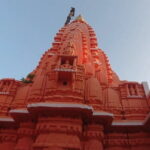
Next up is the Maya Devi Temple, dedicated to Goddess Maya Devi and described as one of the Shakti Peethas. The guide frames it as one of the oldest temples in Haridwar, which gives you a sense of the city’s long devotional timeline.
This stop works as a bridge. You’ve had Shiva-centered storytelling; now you see Shakti-focused tradition tied directly to Haridwar’s identity. You’ll probably walk away understanding that Haridwar isn’t one single religious vibe—it’s layered.
The main “watch your step” factor is crowds and foot traffic. Temples can be busy, and you’ll be walking with a group—so follow your guide’s cues for where to stand, where to move, and how to observe respectfully.




Ropeway Time to Chandi Devi and Mansa Devi: Views and Devotion on the Hills
The day gets a lot more dramatic when you take the Udan Khatola ropeway to Chandi Devi Temple, perched on Neel Parvat. The payoff is twofold: you get panoramic views of Haridwar and the Ganges, and you also hear the story behind Goddess Chandi’s victory over demons.
Then comes the rhythm change: descend and ascend again via ropeway to reach Mansa Devi Temple atop Bilwa Parvat. Mansa Devi is described as the wish-fulfilling goddess, and you’ll see why devotees come in large numbers.
Here’s the practical part you should plan around:
- Ropeway tickets and temple entry fees are not included, so your final day cost depends on what you choose.
- Elderly guests can skip ropeways if needed.
- There’s also an option of hiking about 1.5 km each way if you’d rather not ride.
If mobility is a concern, this is the part of the day you should think about most. The tour isn’t listed as suitable for people with mobility impairments.
Lunch on Your Own: Keep It Satvik and Simple
Lunch is not included, and the tour suggests a traditional vegetarian meal at a local restaurant or satvik bhojanalaya. This is usually a smart move in Haridwar because you’ll find food options that match the devotional rhythm of the city.
My advice: eat something that won’t slow you down. You’ve got temples and then a late-evening ritual, so keep the meal modest and focus on hydration.
If you’re hungry and tempted to rush, don’t. A guide can help you find something nearby and appropriate so you don’t lose momentum before Har Ki Pauri.
Moti Bazaar Shopping Walk: Puja Items and Real Local Treats
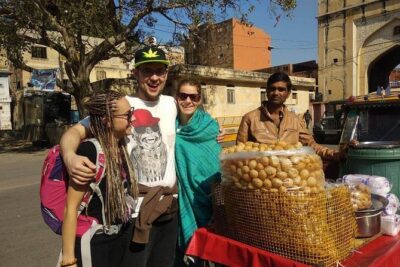
One of the best parts of this tour is the guided walking time in Moti Bazaar. This isn’t about passing shops; it’s about learning what people actually buy and why.
You’ll get assistance with local shopping, and the kinds of items mentioned include rudraksha beads, puja items, brass idols, and local sweets. It’s also a good chance to pick up small devotional souvenirs without guessing which stores are legit.
A practical shopping tip: shop with a list. If you know you want a couple of puja items and a specific kind of sweet, you can move quickly and avoid getting swept into impulse buys when the market gets crowded.
Kusha Ghat: Watching Daily Rituals Like a Respectful Observer
After the temple-and-market intensity, the tour shifts to Kusha Ghat, described as a quieter place where locals perform daily rituals and spiritual cleansing.
What you’ll observe can include pind daan, Ganga snan, and meditation practices. The key is the respectful guidance from your guide, which helps you understand what’s going on and where you can stand without interrupting.
If you’re sensitive to crowds or want a calmer moment, this is one of those stops where the atmosphere feels more grounded than the big Aarti zone. Still, keep in mind you’re witnessing religious practices—so avoid turning it into a selfie mission.
Har Ki Pauri and the Ganga Aarti: How to Get a Good Spot
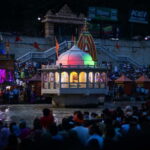
This is the finale, and it’s where Haridwar earns its reputation. You arrive early at Har Ki Pauri to secure a good viewing spot for the Ganga Aarti.
Your guide explains the rituals, chants, and the spiritual meaning behind what you’re seeing. Then the scene gets hypnotic: diyas floating on the Ganges in a display of faith that people come to witness in person.
Two practical options matter a lot here:
- Paid private seating is available for 200 INR per person
- General/public viewing is no charge at the ghat
If you hate the idea of squeezing into a tight area, the paid seating can be worth it for comfort and sightlines. If you’re comfortable with crowds and want to keep costs down, public seating works too—just show up early and keep your belongings secure.
Price and Tickets: What Your $35 Actually Buys
At $35 per person for an 8-hour private guided day, you’re mostly paying for the human part: guide time, coordination, transportation, and the organization of a route that includes both temples and the river ritual.
Included items:
- Expert English/Hindi-speaking cultural guide
- Transportation
- Assistance with local shopping
- Mineral water and light refreshments
- Guided walking tour in Moti Bazaar
- Help with skipping lines
Not included:
- Lunch
- Entry fees to temples & ropeway tickets
Here are the specific ticket cost notes you should factor in:
- The round trip cable car/ropeway (Mansa Devi and Chandi Devi combined) is around 550 rupees per person in the standard package, and the guide ticket is payable by the guest.
- There’s an optional VIP temple visit ticket for queue-skipping at 500 rupees per person, paid directly to the temple.
- VIP seating for Ganga Aarti at 200 INR per person is optional (general seating is free).
So is it good value? For many people, yes—because you’re not just sightseeing, you’re trying to fit high-demand experiences into one day. Your extra costs aren’t hidden, but they will add up if you choose VIP options.
Guide Flexibility: Why the Right Host Changes the Day
The biggest difference-maker is your guide’s ability to adapt without derailing the day. In the feedback for this tour, guides like Ajay and Dinesh are praised for being thoughtful and for keeping people comfortable and safe. One guide named Samish was specifically mentioned for flexibility and planning around individual needs.
The most useful example: if you don’t want ropeways, your itinerary can be adjusted. In one case, the day shifted away from ropeways toward a peaceful ashram and Kanch Mandir. That tells me the tour can work for different energy levels—if you communicate early.
One caution: this is a tightly scheduled spiritual day. If there’s something you consider non-negotiable—like doing the ropeway temples you booked for—make sure your guide confirms the exact order at the start so your time stays focused instead of rushed.
Who This Haridwar Tour Fits Best (and Who Should Skip It)
This tour is a strong match if you:
- Want one-day coverage of Haridwar’s main spiritual stops
- Like learning the stories behind what you’re seeing, not just checking boxes
- Prefer having a guide for the Aarti timing and the temple navigation
- Want a structured market walk where shopping feels practical
It may be a tough fit if you:
- Have mobility impairments (it’s noted as not suitable)
- Dislike crowds or standing for periods at the ghat
- Want a slow, unhurried day with lots of personal downtime
If you’re traveling with seniors, plan the ropeway decision early. The tour gives the option to skip ropeways, but you’ll still be walking between sites.
Should You Book This Haridwar Full-Day Cultural Tour?
I’d book it if your goal is a well-run introduction to Haridwar’s spiritual pulse: Shiva and Shakti temple stops, cable-car views, market time for real local items, and a guided Ganga Aarti at Har Ki Pauri.
Skip it or reconsider if you’re likely to struggle with crowds and walking. And if budget is tight, keep VIP add-ons in mind—temple queue-skipping, ropeway fees, and Aarti seating can raise the total.
If you do book, do three things to make the day smoother:
- Wear the right clothes and shoes from the start
- Ask your guide early what can be adjusted if you want to skip ropeways or hike instead
- Arrive with a clear idea of what you want to prioritize, so the schedule stays rewarding instead of stressful
FAQ
How long is the Haridwar cultural tour?
It’s an 8-hour full-day tour.
Where does pickup happen?
Pickup is available from Haridwar or Rishikesh, depending on your chosen option.
What does the tour cost?
The price is $35 per person.
What’s included in the price?
You get an expert English/Hindi-speaking cultural guide, transportation, mineral water and light refreshments, a guided walking tour in Moti Bazaar, and assistance with local shopping.
What’s not included?
Lunch and entry fees to temples and ropeway tickets are not included.
Are ropeway and temple tickets optional?
Ropeway access to Chandi Devi and Mansa Devi involves tickets, and there’s also an option of hiking about 1.5 km each way. You can also choose a VIP temple visit option to skip queues for an additional fee.
Is there VIP seating for the Ganga Aarti?
Yes. Private seating at Har Ki Pauri is 200 INR per person. General/public area seating is free.
What should I bring and wear?
Bring comfortable shoes and water. Wear modest clothing—no shorts or sleeveless shirts, and cover shoulders and knees.
Is the tour suitable for people with mobility impairments?
No, it’s listed as not suitable for people with mobility impairments.
How many people are in the group?
The tour is described as a private group.