REVIEW · HARIDWAR
Haridwar: Ganga Aarti Ceremony Tour at Har Ki Pauri Ghat
Book on GetYourGuide →Operated by Tourify Uttarakhand · Bookable on GetYourGuide
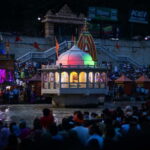
Dusk turns Haridwar into a prayer stage. This Ganga Aarti at Har Ki Pauri is timed for sunset, so the whole ghat feels like it switches from day to ceremony-night in minutes. I love how the priests’ brass lamps and the river’s lights create a full-sensory moment of chanting, bells, and moving flame.
What I like most is that you’re set up to watch comfortably and understand what you’re seeing. The live English commentary and your place close enough to the riverbank make it easier to follow the ritual instead of just standing there. One possible drawback: the explanation can be a bit uneven during parts of the ceremony, so come ready to watch closely and ask questions if you want more detail.
In This Review
- Key points before you go
- Why Har Ki Pauri at Ganga Aarti Hour Hits Different
- Where You Meet: Pandit Deendayal Upadhyay Vehicle Parking
- The Pre-Ceremony Window: Scent, Sound, and Finding Your Angle
- The Main Event: Priests, Deepas, Ghee Flames, and Mantras
- How Participation Works: Flowers, Leaves, and Diyas on Leaf Boats
- English Commentary and the Value of a Sit-Down Viewing Setup
- Photography Rules You Should Follow (So You Don’t Get in the Way)
- Price and Logistics: Is $25 Good Value?
- Who This Tour Fits Best
- When the Ceremony Is Biggest: Festival Timing Matters
- Should You Book This Ganga Aarti Tour at Har Ki Pauri?
- FAQ
- How long is the Ganga Aarti ceremony tour?
- Where do we meet for the tour?
- What should I bring?
- Is photography allowed during the ceremony?
- What should I wear or consider for dress?
- Is the tour commentary available in English?
- Is the venue wheelchair accessible?
Key points before you go
- Arrive 30 minutes early for the best viewing steps at Har Ki Pauri
- Sunset-to-dusk timing is the real magic trigger for when the Aarti begins
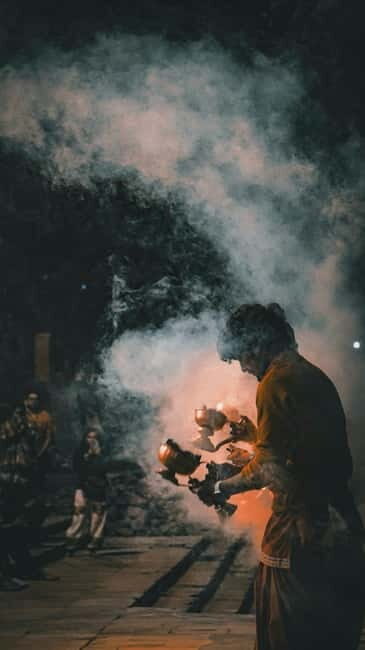
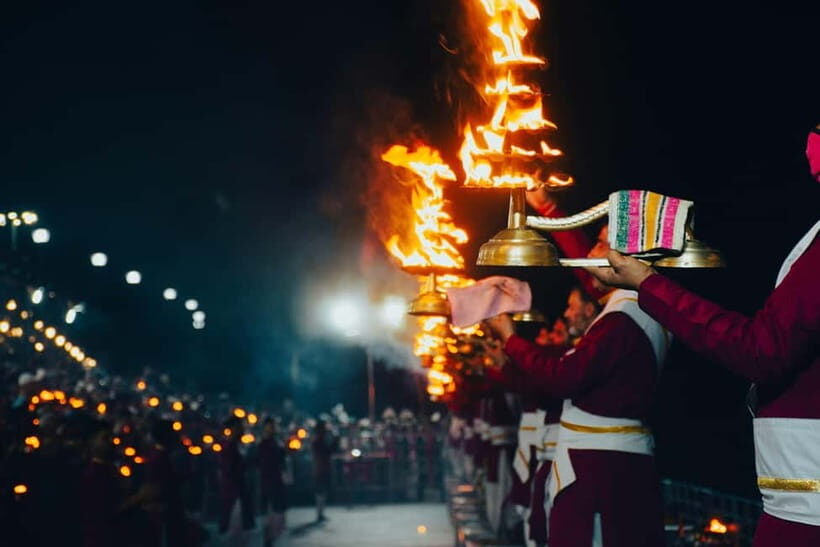
- Priests with deepas (brass lamps) using ghee, in synchronized circular motions
- Mantras, bells, conch shells add sound you can feel in your chest
- Photography is allowed, but you’ll need to be respectful and still
- You can buy diyas nearby for leaf-boat offerings into the Ganges
Why Har Ki Pauri at Ganga Aarti Hour Hits Different

If you only do one religious experience in Haridwar, make it the Ganga Aarti at Har Ki Pauri. The ceremony starts around dusk—when the sun drops behind the horizon—and that timing matters. It’s not just beautiful; it’s symbolic, marking the shift from day to night and the idea of light overcoming darkness.
You’ll stand on the steps and see how quickly the ghat fills with devotees, priests, monks, and visitors all watching for the first cues. Incense and temple bells mix with the sound of chanting, so the whole riverfront becomes one shared ritual space. In a city with many temple moments, this one is built around the Ganges itself.
You can also read our reviews of more tours and experiences in Haridwar.

Where You Meet: Pandit Deendayal Upadhyay Vehicle Parking
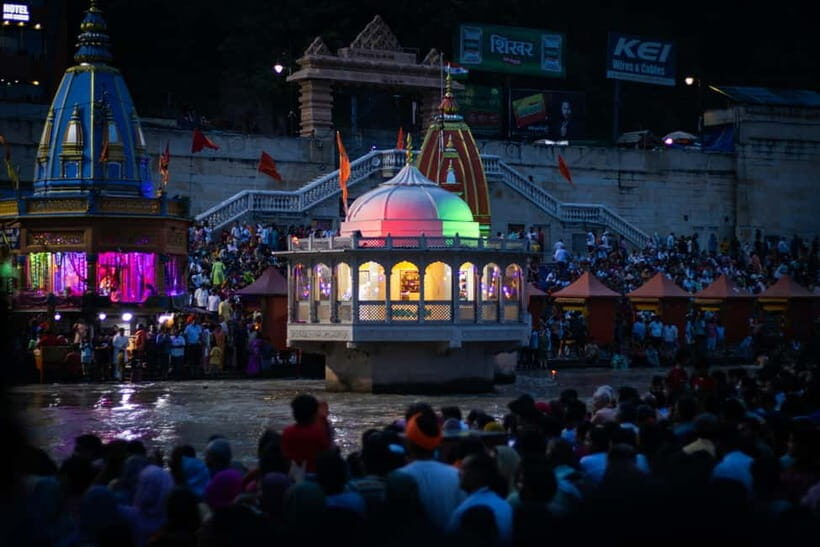
The meeting point is Pandit Deendayal Upadhayay vehicle parking (double story). Showing up on time is important because you need that early buffer to get situated on the ghat.
From there, you’ll head to Har Ki Pauri Ghat, where your guide helps you get your bearings fast. You’ll get guided time and also a chunk of free time to walk and settle before the ceremony begins. It’s a smart setup: you’re not stuck in a rush once the Aarti starts.
Tip that saves stress: aim to be there early enough that you’re not scanning for a place while the first chants are already beginning. That’s when people end up standing too far back or blocking someone else.
The Pre-Ceremony Window: Scent, Sound, and Finding Your Angle
Once you reach Har Ki Pauri, expect about 1 hour of guided orientation plus time to look around and move. This is when you’ll notice how the steps are the show. You’ll see people positioning themselves along the bank, and you’ll start to understand why modest dress matters here—everyone is part of a shared religious space.
Use this window to pick your spot by thinking like a photographer and a watcher at the same time. You want a clear line to the river and enough space to see the priests’ movements without craning your neck the whole time. Also, watch for where the sound carries best—bells and chanting travel differently across the steps.
As dusk approaches, the air tends to feel heavier with incense and prayer sounds. Even if you don’t follow Sanskrit fluently, you’ll catch the rhythm: chants rise, bells punctuate, then the ceremony action takes focus.
The Main Event: Priests, Deepas, Ghee Flames, and Mantras
The heart of the experience is the Aarti on the Ganges at Har Ki Pauri. Priests often called pandas perform the ritual wearing traditional saffron robes. They hold large brass lamps—deepas—filled with ghee, which is what creates those strong golden flames.
The movement is graceful and controlled. The priests wave the multi-tiered lamps in rhythmic, circular motions in sync with chanting. You’ll hear mantras and bhajans, and you may recognize the common hymn Om Jai Gange Mata.
Sound cues really help you follow along. Bells ring steadily, conch shells may be blown, and the chanting gives the ritual structure so it feels less random and more like a story with a clear beginning.
One more meaningful detail you’ll likely hear explained: the whole ceremony timing at dusk isn’t arbitrary. It’s meant to represent the transition from light to darkness—and the victory of good over evil—so the sunset isn’t just scenery. It’s part of the message.
How Participation Works: Flowers, Leaves, and Diyas on Leaf Boats
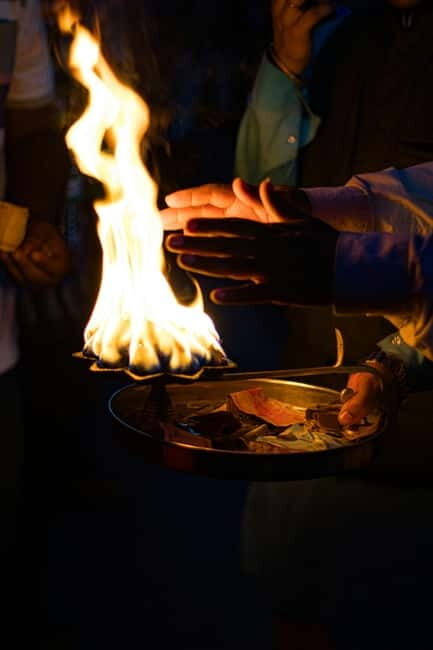
Near the ceremony, you’ll have chances to understand the offering aspect of Ganga Aarti. Devotees may offer flowers, leaves, and small diyas into the river. The diyas are released on leaf boats, creating tiny flickering lights bobbing along the current.
This part is mesmerizing because you’re watching something both symbolic and practical at the same time: people make an offering, then the river takes it forward. The sound and chants keep going while the lights move away, so your attention shifts from the priests’ deepas to the Ganges carrying those flames.
If you want to participate in a simple way, you can purchase diyas from vendors near the ghat. Your guide can point you toward where to buy them so you’re not figuring it out while crowds surge.
A quick practical note: keep your hands and camera ready, but don’t block anyone releasing their offering. The ceremony is happening in real time, and respectful space is part of the ritual.




English Commentary and the Value of a Sit-Down Viewing Setup
This experience includes live commentary and explanations plus a comfortable sit so you can join the ceremony. That combination matters more than it sounds. Without guidance, you might miss key moments—like when the chants sync with the lamp motions, or what specific hymns are signaling.
In my view, the seat time is also about fatigue. Haridwar’s ghat spaces can involve standing and moving quickly, but having a place to sit lets you actually watch the ceremony instead of just enduring the crowd. You also get time to take photos without constantly repositioning.
That said, here’s the one caution I’d give based on real experience: the level of narration during the main Aarti can vary. In one recent case, a handoff left the primary ceremony portion with less explanation than expected. So if you care a lot about understanding every step, come with questions for your guide during the earlier orientation time.
Photography Rules You Should Follow (So You Don’t Get in the Way)
Photography is allowed throughout the ceremony. That’s great, but it comes with a responsibility: be respectful and don’t disrupt the ritual.
Practically, this means:
- Keep your camera movements slow and predictable
- Don’t stand in front of someone trying to watch
- Try to shoot during pauses between chants if crowds tighten
Also, bring your camera as listed. Lighting changes fast at dusk, and you’ll want the option to capture both the deepas and the river reflections.
If your photos aren’t perfect, don’t panic. Part of the point is being present. The real memory is the sound of bells and the sight of ghee flames moving like a slow circle in the darkening air.
Price and Logistics: Is $25 Good Value?
At $25 per person for a 3-hour experience, the value is strongest if you want guided context and a structured viewing setup. You’re paying for more than entry. You get the ceremony, English-speaking guidance, live commentary, and a comfortable sit.
What’s not included is hotel pickup/drop-off, so you’ll need to get yourself to the meeting point area. That’s normal for experiences like this, but it does affect your planning. If you’re staying farther out, factor in local transport time so you can arrive early.
Another value point: the group is private, and the tour skips the ticket line. That helps you avoid wasting your short dusk window waiting around. When the ceremony starts, there’s no substitute for being in the right place already.
Who This Tour Fits Best
This is a strong match if you want a meaningful, organized way to see Har Ki Pauri’s Ganga Aarti without getting lost in the chaos. The live English commentary helps if you’re not familiar with what pandas are doing or why deepas and offerings matter.
It also fits well if you’re the kind of person who likes to learn while you watch. You’ll get explanations at the right times—before the ritual peaks—so the main ceremony lands better.
If you’re only looking for a quick photo stop, this might feel like more time than you need. But if you want the pacing—arrival, orientation, ceremony, and time to settle—it works nicely.
When the Ceremony Is Biggest: Festival Timing Matters
The ceremony is especially grand during major festivals like Kumbh Mela and Ganga Dussehra. If your dates line up with those periods, you can expect higher energy and more spectacle.
The tradeoff is that crowds can be heavier. If you’re sensitive to tight spaces, you might prefer a regular day rather than peak festival time. Either way, arrive early, because viewing spots fill quickly.
Should You Book This Ganga Aarti Tour at Har Ki Pauri?
I’d book it if you want the best shot at understanding what’s happening while you watch the deepas, hear the mantras, and see offerings drift into the river. The combination of English commentary, comfortable seating, and time to get positioned before dusk makes it feel far less stressful.
Skip booking only if you’re already confident navigating Har Ki Pauri on your own and you mainly want a quick look. In that case, you might not need the guidance portion as much.
If you do book, do two things: come 30 minutes early to secure your viewing spot, and ask questions during the earlier guided moments so you’re not left guessing when the chanting turns intense.
FAQ
How long is the Ganga Aarti ceremony tour?
The tour duration is 3 hours.
Where do we meet for the tour?
You meet at Pandit Deendayal Upadhayay vehicle parking (double story).
What should I bring?
Bring a camera.
Is photography allowed during the ceremony?
Yes, photography is allowed throughout the ceremony, but you should be respectful and avoid disrupting the ritual.
What should I wear or consider for dress?
Dress modestly, since this is a religious event.
Is the tour commentary available in English?
Yes, the tour includes an English-speaking guide and live commentary/explanations.
Is the venue wheelchair accessible?
Yes, the experience is listed as wheelchair accessible.