REVIEW · NEW DELHI
Temple Tour-where you Eat, Learn how to Pray and Love.
Book on Viator →Operated by Eat Pray Love India · Bookable on Viator
Four faiths, one guided afternoon.
This Temple Tour where you Eat, Learn how to Pray and Love is designed for curious, respectful travelers who want the stories behind New Delhi’s most meaningful places, not just photos. I like how the small group format gives you time to ask questions, and I especially liked Rahul’s clear explanations at each stop, from why people gather to what you should notice.
What really made it worth it for me was the mix of learning and doing. You get snacks and bottled water, you’ll visit multiple religious sites in one stretch, and the highlight is sitting down for a free meal in the volunteer kitchen at Gurudwara Rakab Ganj Sahib.
One thing to keep in mind: photo rules inside the temples are stricter than you might expect. No selfies are allowed, but Rahul is happy to capture the moment for you, so plan on handing your phone over at the key spots.
In This Review
- Key things to know before you go
- Starting in Connaught Place with history (and tuk tuk momentum)
- Khari Baoli spice market: smell first, then stories
- Sis Ganj Sahib: Sikh beauty, flowers, and why it matters
- Near the beheading site: hard history told in plain terms
- Gurudwara Rakab Ganj Sahib: the volunteer kitchen meal that changes the mood
- Gauri Shankar Temple: Shiva devotion, chanting options, and photo rules
- Jain Lal Mandir: calm, then the bird hospital inside
- Price and what $55 buys you in real value
- Logistics that matter: time, weather, and temple etiquette
- Should you book this Temple Tour?
- FAQ
- How long is the Temple Tour?
- What is the price per person?
- How many people are in the group?
- Where does the tour start and end?
- What’s included in the tour besides sightseeing?
- Are admission tickets required for the stops?
- Can I take selfies inside the temples?
- How do you travel between stops?
- What happens if the weather is bad or you need to cancel?
Key things to know before you go
- Small group of up to 8 travelers for more personal attention from Rahul
- Snacks and bottled water included, plus a free community meal at the Sikh gurudwara kitchen
- Multiple faiths in one route: Sikh, Hindu (Shiva), and Jain (including the Jain bird hospital)
- Old Delhi spice stop at Khari Baoli with a famous rooftop view
- Temple photo etiquette matters: no selfies in the temples; Rahul can take photos for you
Starting in Connaught Place with history (and tuk tuk momentum)
You begin in Connaught Place, a central New Delhi landmark that’s easy to reach and good for getting your bearings. Rahul talks history right at the start, which helps you understand why this area looks the way it does and how it fits into the wider city. If you’ve never done a guided walking-plus-ride style tour, this start is a smooth way to settle in.
After the intro, you take a short walk (about 5–10 minutes) and then move on by tuk tuk. That short ride matters because it keeps the pace from feeling exhausting, especially when you’re later switching between crowded market streets and quieter temple spaces.
You’ll also get the first chance to snap photos around Connaught Place before heading toward Old Delhi’s more sensory scene.
You can also read our reviews of more tours and experiences in New Delhi



Khari Baoli spice market: smell first, then stories
Next comes Khari Baoli, one of the most famous spice markets in Old Delhi. You don’t just walk through the stalls like a casual stroll; you get context while you’re there, so the chaos starts to make sense. You’ll also head up to a well-known rooftop area with views you’ll want for photos.
This stop is ideal if you like your travel with a side of meaning. Watching people buy spices in bulk, seeing the layered colors of goods, and hearing what the market represents gives you more than the usual I saw a market moment.
Practical note: markets can be crowded and a little tight. Keep your phone secured, wear breathable clothes, and be ready for your guide to steer you through the flow.
Sis Ganj Sahib: Sikh beauty, flowers, and why it matters
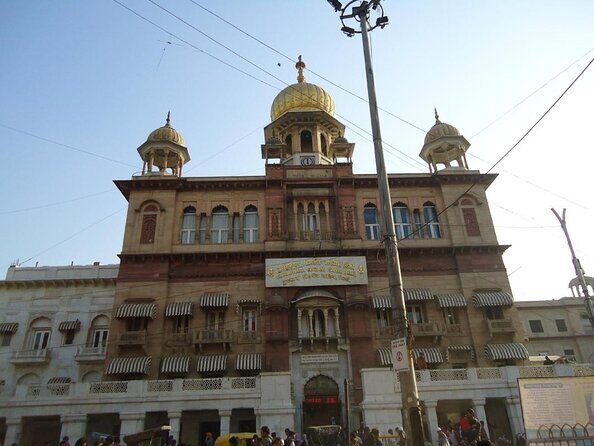
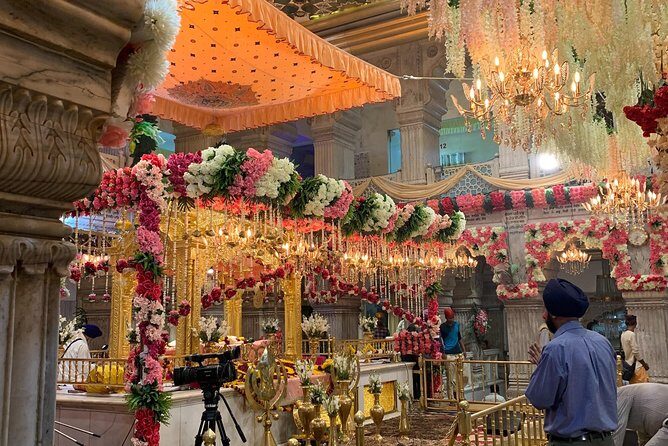
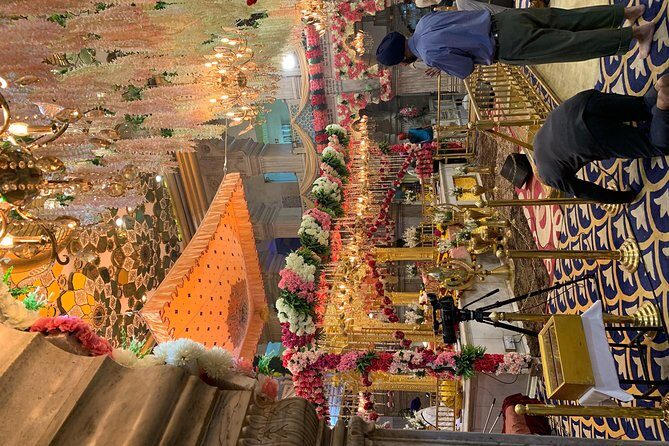
Your first major sacred stop is Gurudwara Sis Ganj Sahib. The vibe here is instantly visual: color, flowers, and a warm sense of ceremony. You’ll enter the temple, and Rahul explains the history and the religion, including how it started and why people practice the way they do.
This is a great stop for respectful travelers who like learning how traditions formed and how they continue today. Even if you already know the basics of Sikhism, the guided framing gives you new angles—like what to notice when you’re inside, not just what you’re looking at from the outside.
You’ll also get time to take photos, and this one is famous for being photogenic without feeling like a theme park. Just remember the temple photo rule: no selfies. Rahul can take photos for you instead, so you’re not stuck missing the moment.
Near the beheading site: hard history told in plain terms
Right after the first temple segment, Rahul walks you through what happened in a nearby square area tied to Sikh history. You’ll stand just feet from where Guru Tegh Bahadur was beheaded on 11 November 1675, ordered by Aurangzeb.
Rahul also explains what happened next: Guru Tegh Bahadur’s body was taken away under the cover of darkness by a disciple named Lakhi Shah Vanjara, who then burnt his house to cremate the Guru’s body. The area is marked by another gurudwara—Gurdwara Rakab Ganj Sahib—which connects the story to the physical landscape you’re seeing.
This is the tour’s most intense moment. If you’re the type who prefers light cultural sightseeing only, this segment might feel heavy. But if you want to understand why sacred sites exist in the first place, it’s hard to beat seeing history treated with seriousness, not glossed over.
Gurudwara Rakab Ganj Sahib: the volunteer kitchen meal that changes the mood
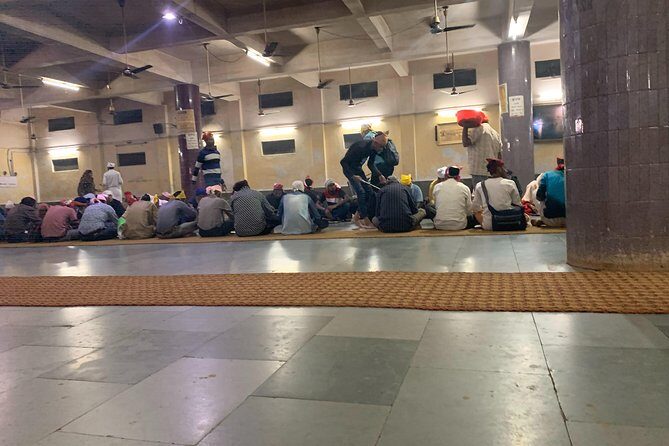
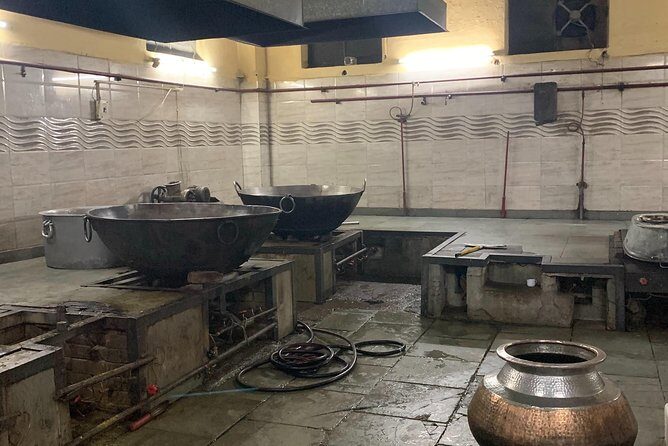
The next stop is Gurdwara Rakab Ganj and its community kitchen, where you sit down for a free meal. This is one of the most human experiences on the whole tour because you’re not just watching from the doorway—you’re part of the moment. Rahul discusses and answers questions about the religion while you eat, which keeps the meal from feeling like a simple food stop.
This matters because the idea of a community kitchen is central to how Sikh communities show care. When you experience the atmosphere in person, it’s easier to understand why people describe langar as more than charity. You’ll see the kitchen area, meet the people involved, and sit with locals during your meal.
For practical travelers: wear comfortable clothes, move calmly, and be ready for a different pace than the spice market. Once you’ve sat down here, the rest of the tour feels quieter, gentler, and easier to absorb.






Gauri Shankar Temple: Shiva devotion, chanting options, and photo rules
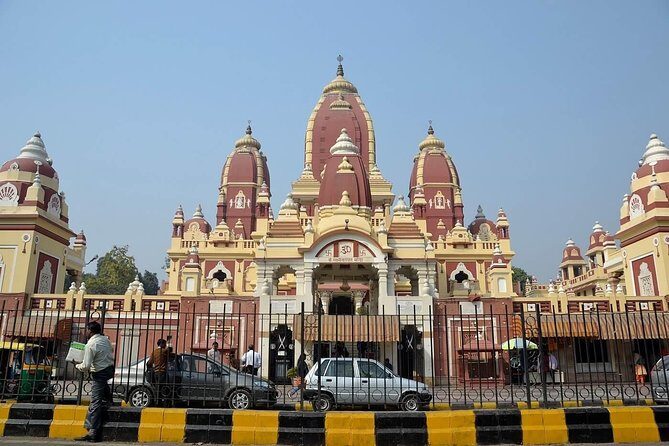
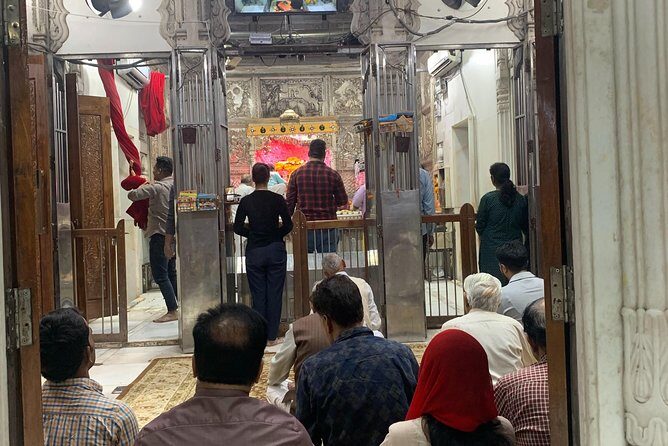
After the Sikh sites, the tour shifts to Gauri Shankar Temple, a Hindu temple dedicated to Lord Shiva and his wife. You’ll learn about the Hindu religion, walk through the temple, and you’re invited to pray if you wish. If you want to chant, Rahul lets you do that too, based on what feels comfortable for you.
This stop is a good bridge between faith traditions. Even when you don’t fully share the religious practice, the guided explanations help you understand what the space is for and how worship works in real life, not just in guidebook terms.
Again, pay attention to the temple etiquette: no selfies are allowed. Rahul will help with photos, so you can still get the memory without breaking local rules. If you want one clear tip here, it’s to keep your camera ready but keep your selfie stick put away.
Jain Lal Mandir: calm, then the bird hospital inside
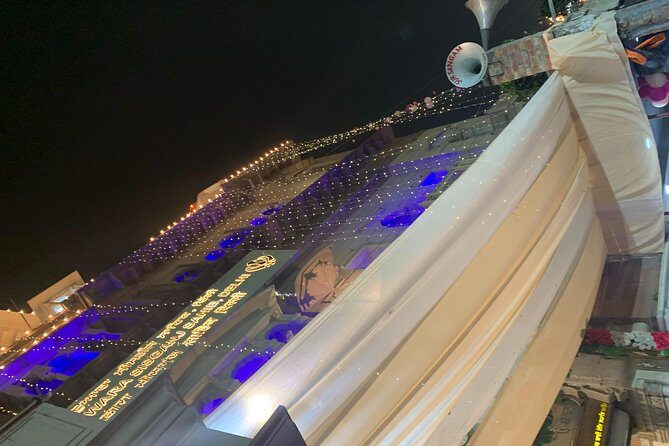
The final temple area is Sri Digambar Jain Lal Mandir, focused on Jain religion. This is the calmest and quietest section of the tour, so it’s a nice reset after the emotional and sensory Sikh and market stops. Rahul explains what Jainism is, when it started, and answers questions as you spend time inside.
Then the tour adds a detail many other New Delhi temple tours don’t include: the JAIN BIRD HOSPITAL inside the temple. The idea is simple and meaningful—living creatures matter, and in Jain beliefs, equality includes all forms of life. Rahul explains why this bird hospital exists and how that compassion connects to religious practice.
If you love learning through unusual, specific details, this is your moment. It’s quiet, it feels personal, and it gives you a different lens on what “devotion” can look like when it’s directed toward care.
Price and what $55 buys you in real value
At $55 per person, this is not a “grab-and-go” tour. You’re paying for a guide who connects the dots between places—Sikh, Hindu, Jain, and Old Delhi market culture—while you’re physically moving through different neighborhoods.
Here’s what adds real value at this price point:
- Up to 8 people, so you’re less likely to get rushed or ignored
- Admission tickets are free at the sites listed on the tour, which keeps the total cost predictable
- Snacks and bottled water are included
- A free meal at the Gurudwara kitchen is a major cost saver and a cultural centerpiece
- Tuk tuk rides help you cover ground efficiently without turning the day into one long slog
So yes, you’re paying for guidance, but you’re also getting practical inclusions that make the tour feel complete. For first-timers in New Delhi who want depth without planning five separate visits, this one-tourt route can feel like a smart shortcut.
Logistics that matter: time, weather, and temple etiquette
The tour runs about 4 to 5 hours and works well as a half-day plan. You start at Connaught Place and finish back at the meeting point, dropping you off via tuk tuk at Gate 7.
The tour also depends on conditions. You’ll need good weather, and if it’s canceled for poor weather, you’ll either get a different date or a full refund. It also requires a minimum number of travelers, so on a quiet week, dates might shift or cancel.
One more logistics tip: temples can require a more respectful, slower pace than street markets. Keep your expectations flexible. If you’re the type who hates delays, go with a calmer mindset—this tour rewards attention more than speed.
Also note a caution you should take seriously: some past bookings have reported issues like the guide not showing up and poor response by email/phone. That doesn’t mean it will happen to you, but I’d handle it like a pro—confirm day-of, and keep the meeting instructions handy so you’re not stuck waiting.
Should you book this Temple Tour?
Book it if you want a small-group, guided New Delhi experience that mixes Sikh, Hindu, and Jain sites with Old Delhi spice culture and a real community meal. It’s especially good if you like your spirituality travel-informed, with someone explaining what you’re seeing and what visitors should do inside sacred spaces.
Skip it or choose something lighter if you want only cheerful cultural sights. The Sikh history segment near the beheading site is not vague or softened, and the day includes temple photo rules like no selfies.
If you’re open-minded, respectful, and okay spending a focused half day learning, this tour can be a strong value play—and a memorable one—because it doesn’t treat food and faith as separate topics. It treats them as part of the same lived story.
FAQ
How long is the Temple Tour?
The tour lasts about 4 to 5 hours.
What is the price per person?
The price is $55.00 per person.
How many people are in the group?
The group size is capped at a maximum of 8 travelers.
Where does the tour start and end?
It starts at Connaught Place, New Delhi and ends back at the meeting point.
What’s included in the tour besides sightseeing?
You get snacks and bottled water. You’ll also have a free meal at the Gurudwara Rakab Ganj Sahib community kitchen.
Are admission tickets required for the stops?
Admission tickets are listed as free for the stops on the tour.
Can I take selfies inside the temples?
No selfies are allowed in any of the temples. Rahul can take photos for you.
How do you travel between stops?
The tour uses tuk tuk for short rides, including from Connaught Place and for the drop-off back at Gate 7.
What happens if the weather is bad or you need to cancel?
The tour requires good weather. If it’s canceled due to poor weather, you’ll be offered a different date or a full refund. You can cancel for a full refund up to 24 hours in advance.