REVIEW · NEW DELHI
Tea Tasting Session at India’s oldest tea boutique Sancha Tea/Aap Ki Pasand
Book on Viator →Operated by Sancha Tea Boutique · Bookable on Viator
Tea gets interesting fast.
You’re stepping into India’s oldest artisanal tea shop, founded in 1981, with Master Tea Taster and blender Mr Sanjay Kapur behind the concept. The point isn’t just sipping. It’s tasting teas by region and learning how terroir changes flavor.
I love two things here: the session is well presented with lots of tea to try, and the staff explains what you’re tasting in plain terms. One watch-out: with an hour-long format and a small max group size, you’ll get a strong overview, but not unlimited time to go deep on every single tea.
In This Review
- Key Highlights You’ll Care About
- First Stop: India’s Oldest Tea Boutique in Daryaganj
- One Hour of Tasting Based on Tea Regions (Not Random Sips)
- What you should expect from the tasting flow
- The one practical drawback
- Darjeeling, Assam, Nilgiri, Sikkim, Kangra: How to Taste the Differences
- Masala Chai Blends with Saffron, Cardamom, Ginger, and More
- How to get the most from the chai portion
- White, Green, Black, and Herbal Ayurvedic Options
- Brewing Tricks You Can Use Later at Home
- Time, Price, and Group Size: Real Value at $7
- Buying Tea Gifts: 100+ Blends Means You Can Shop with Confidence
- Who This Tea Tasting Is Best For
- Should You Book This Tea Tasting at Sancha Tea?
- FAQ
- Where does the tea tasting start?
- How long is the tea tasting session?
- How much does it cost?
- Is the ticket mobile?
- How many people are in the group?
- What teas can I taste?
- Can I cancel and get a refund?
Key Highlights You’ll Care About
- Seven regions of Indian tea, including Darjeeling, Assam, Nilgiri, Sikkim, and Kangra
- Masala chai with real spice notes, including saffron, cardamom, ginger, plus more blends
- Ask-to-brew flexibility, since sommeliers can brew any tea in the shop on the house
- A comfortable pace for tasting, with the option to sit while you sample (and learn)
- A low-cost way to compare styles, with a maximum group size of 20 people
- Serious buying potential, since the shop offers 100+ blends, including pure teas and spice/flower infusions
First Stop: India’s Oldest Tea Boutique in Daryaganj
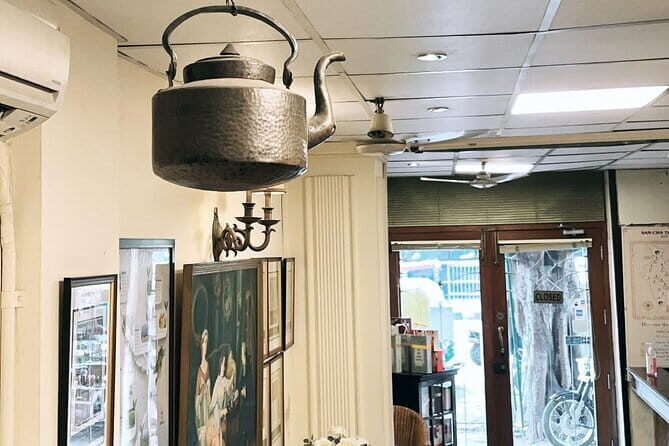
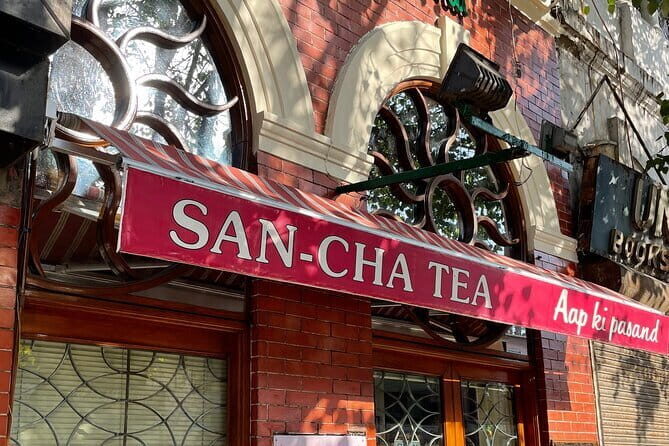
Your tea tasting starts at Aap Ki Pasand Tea Gallery (Sancha Tea) in Daryaganj. The address is specific: 15 Netaji Subhash Marg, opposite Golcha Cinema, diagonally Diagonally (yes, the listing wording is a bit odd, but the landmark is clear). It’s also described as near public transportation, which matters because New Delhi traffic can turn a “quick hop” into a time gamble.
What I like about this meeting point is that it sets you up inside a real shop, not a separate classroom. You’re walking into a retail space that has been operating since 1981, with 11 locations across India. That history isn’t just trivia. It usually means the tasting works like a store workflow, not a rushed demo.
Also, you’re dealing with a well-known concept: this is the boutique run by Mr Sanjay Kapur, described as the master tea taster and blender. When a business builds a tasting around one person’s expertise, the explanations tend to be consistent and focused, rather than generic.
You can also read our reviews of more food & drink experiences in New Delhi


One Hour of Tasting Based on Tea Regions (Not Random Sips)

The heart of the experience is tasting from 7 different Indian tea growing regions. In your session, you’ll sample teas tied to regions like Darjeeling, Assam, Nilgiri, Sikkim, and Kangra. The regions matter because Indian tea isn’t a single flavor. You’re tasting how leaf style, growing conditions, and processing choices show up in the cup.
Think of it like tasting music genres instead of one song. You might start noticing that one region reads as more floral, another more malty, and another more light or crisp. The key is that the shop frames it as terroir: where the leaves come from and what makes each place distinct.
In the reviews, people highlight learning alongside tasting. That makes sense. If you just get handed cups, you won’t remember the differences. But when someone connects what you taste to the region, the comparisons stick.
What you should expect from the tasting flow
You’ll move through a selection of teas, and you’ll be able to ask for help from the staff. The shop also says you can ask sommeliers to brew tea in-store. That’s a big deal because it shifts the session from just “sampling what’s poured already” to letting you request what you want to understand.
The one practical drawback
Because the session is about 1 hour, the pacing can’t be slow and lab-like. You’ll get a lot of information and a lot of cups, but you may not be able to spend equal time on every single tea. If you’re the kind of person who wants to obsess over one tea for 20 minutes, you might leave wanting a follow-up visit.
Darjeeling, Assam, Nilgiri, Sikkim, Kangra: How to Taste the Differences
You’re not tasting teas as a checklist. You’re tasting them as comparisons. That’s why regions like Darjeeling and Assam show up so often in Indian tea discussions: they make it easy to notice contrasts.
Here’s how to approach it while you’re tasting, so you get more value out of the hour:
- Start by watching for the first aroma hit, then sip once before you judge. Region differences show up quickly in smell.
- Compare body and finish. Some teas feel heavier; others feel lighter and cleaner.
- Notice how you respond to sweetness or bitterness without adding anything. If you do add anything later, do it consistently so you can remember what changed.
The shop’s approach focuses on teaching you what the region brings to the cup. That’s why this tasting feels useful even if you’re not a tea nerd. You can walk out with a mental map of what you like, not just a bag of “random good tea.”






Masala Chai Blends with Saffron, Cardamom, Ginger, and More
If you want something immediately comforting, the session includes the shop’s signature masala chai blends. You’ll get to try 7 masala chai blends made with spices including saffron, cardamom, and ginger, plus other spice notes tied to the Malabar Spice Coast of India.
This part is where I think many people get the most fun. Tea isn’t only a quiet drink here. It’s a spiced experience. And since the blends are pre-built, you’re not stuck trying to guess what each spice is doing. You taste the final version, then learn what’s inside and how it lands.
How to get the most from the chai portion
Don’t just pick the one you like most. Try to identify:
- which blend tastes warmer or more aromatic
- which one feels more balanced vs. spice-forward
- whether the chai leans creamy, floral, or spicy-dry
That way, you’ll actually use the purchase later, instead of forgetting why a particular blend stood out.
White, Green, Black, and Herbal Ayurvedic Options
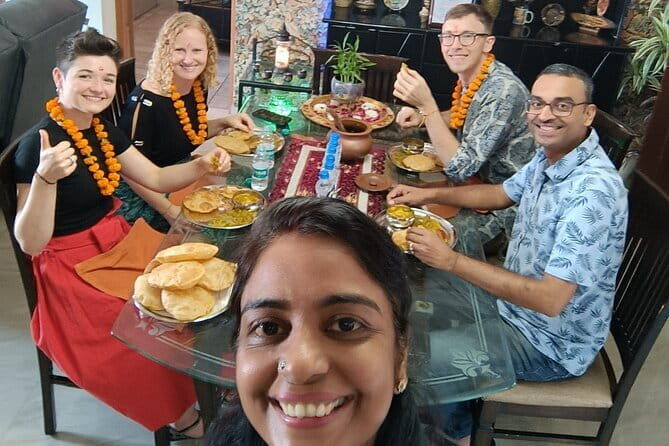
The session isn’t only black tea. The shop also highlights white teas, green teas, and iconic masala chai blends. On top of that, there are Ayurvedic herbal teas for wellness.
Why this matters for you: if you’re traveling and your preferences vary day to day, this gives you options. Some days you want something delicate. Other days you want something spiced and bold. Having multiple styles in one hour makes the tasting more practical.
Also, people tend to underestimate herbal teas. The shop frames them as wellness focused, and even if you’re skeptical, you can still treat them as a flavor category. Taste them like you would taste herbal infusions anywhere: look for body, aroma, and how long the flavor lingers.
Brewing Tricks You Can Use Later at Home
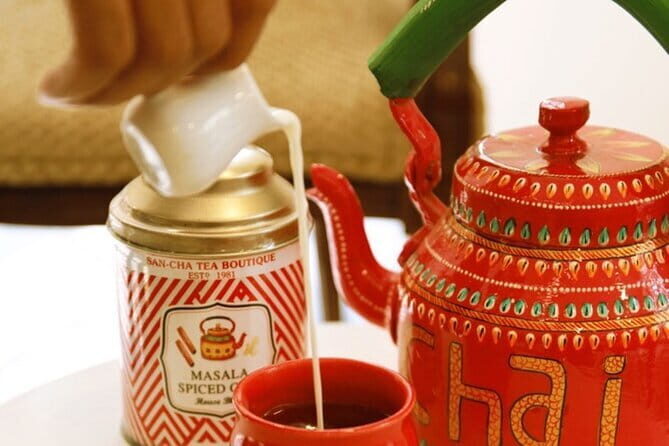
One of the most valuable parts of this experience is that you can ask sommeliers to brew any tea in the store on the house. Even if you don’t request a different brew for every cup, knowing that option exists changes how you experience the tasting.
It means you can ask questions like:
- what’s the difference in steeping style for the region tea I’m trying
- how a white tea should be treated compared to a black tea
- what changes when spices are included
You’re not just buying tea. You’re picking up small habits you can repeat later.
And yes, the reviews mention that the staff does this in a friendly way, without making you feel pushed into buying. That matters because a tasting becomes stressful when sales pressure shows up. Here, the tone is described as gentle.
Time, Price, and Group Size: Real Value at $7
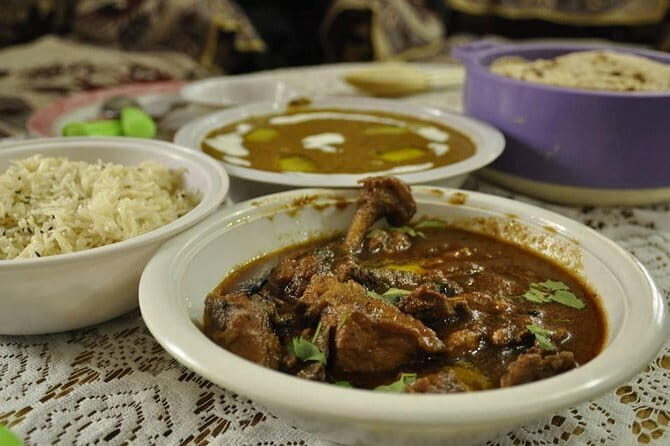
The price is $7.00 per person for about 1 hour, and it’s described as using a mobile ticket. The experience also runs in a window of 10:30 AM to 5:30 PM (Monday–Saturday), based on the listed hours.
Now for the value math. $7 is low enough that you can treat the session as:
- a tea sampler you’ll actually use
- a crash course on regional tea differences
- a guided way to figure out what to pack for gifts
The max group size is 20 travelers, which is the sweet spot for a tasting: small enough for attention, large enough that the session stays energetic.
Booking is typically done about 8 days in advance on average, so I’d suggest not waiting until the last minute if your schedule is tight. Not because it’s impossible, but because New Delhi plans can get messy fast.
Buying Tea Gifts: 100+ Blends Means You Can Shop with Confidence
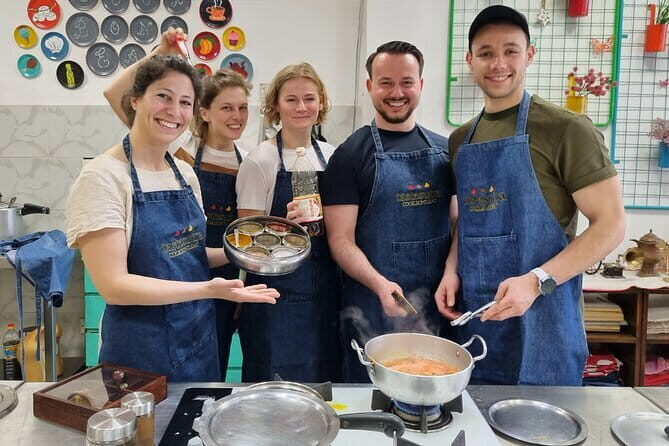
After (or during) your tasting, you have the option to buy tea. The shop says they offer 100 Indian teas and blends, including blends with real spices, herbs, flowers, or just pure tea. They also mention gift options with more than 100 blends.
That’s where the tasting becomes more than a fun hour. If you taste a few region styles and chai blends, you can narrow what you buy. Without that, you end up guessing.
A practical tip: buy something you loved, plus one item that surprised you. The “surprise” tea is often the one that becomes your next favorite once you learn how to brew it.
And because the shop is described as having freshness and quality as a pride point, you’ll feel more confident buying on the spot, rather than worrying you’re getting old stock.
Who This Tea Tasting Is Best For
This tasting fits best if you:
- like learning while you snack (or sip) rather than sitting through lectures
- enjoy comparing flavors and want help making sense of tea types
- want a compact activity in New Delhi that’s easy to slot into your day
- plan to buy tea gifts and want a head start on what to choose
It’s also a great fit if you’re traveling with someone who doesn’t want a long museum-style commitment. One hour, lots of cups, and the chance to ask questions.
Should You Book This Tea Tasting at Sancha Tea?
Here’s my straight take: yes, book it if you want an efficient, low-cost way to understand Indian tea. For $7, you get a structured tasting across major regions, a chance to experience masala chai blends with spice ingredients like saffron, cardamom, and ginger, and help from the people running the shop.
Book it especially if you:
- want to leave with specific teas you can name and explain
- care about friendly, non-pushy guidance
- prefer a small group experience with a manageable time commitment
Skip it only if you already know you don’t like tea tasting sessions, or if you need a long, slow food-and-drink experience with lots of downtime. This one is energetic and focused, not drawn out.
FAQ
Where does the tea tasting start?
It starts at Aap Ki Pasand Tea Gallery (Sancha Tea), 15 Netaji Subhash Marg, opposite Golcha Cinema, diagonally Daryaganj, New Delhi, Delhi 110002.
How long is the tea tasting session?
It lasts about 1 hour.
How much does it cost?
It costs $7.00 per person.
Is the ticket mobile?
Yes, the experience includes a mobile ticket.
How many people are in the group?
The group size has a maximum of 20 travelers.
What teas can I taste?
You can taste teas from Darjeeling, Assam, Nilgiri, Sikkim, Kangra, plus white teas, green teas, black teas, masala chai blends, and Ayurvedic herbal teas.
Can I cancel and get a refund?
Yes. You can cancel for a full refund if you cancel up to 24 hours in advance of the experience start time. If you cancel within 24 hours, the amount paid is not refunded.
If you want, tell me your travel dates and what kind of tea you like (light, malty, floral, or spiced), and I’ll suggest what to prioritize during the hour so you don’t waste any tastings.