REVIEW · NEW DELHI
Sanjay Colony Slum & Old delhi Street Food Tasting tour
Book on Viator →Operated by Travel with Locals in India · Bookable on Viator
Delhi has two faces. This tour shows both.
Walking from Sanjay Colony toward Old Delhi, you get a side of Delhi most first-timers never see. You’ll learn how everyday life works in a tight 25-acre community near the Lotus Temple and ISKCON Temple, with small local industries like garment recycling and stitching units in view.
What I really love is the way this tour mixes real people time with food time. I like the guided context in Sanjay Colony—there’s a temple and mosque visit too—then I like the change of pace as you head to Old Delhi street food by Metro for classic tastings.
One consideration: you can’t take photos inside the Sanjay Colony portion, and the schedule depends on good weather. If you’re hoping for lots of free-roaming and lots of pictures, this one won’t match that mood.
In This Review
- Key things you’ll notice on this tour
- Sanjay Colony, then Old Delhi: a contrast you can feel in your feet
- Sanjay Colony: seeing daily resilience, not a postcard version
- Walking time and how the pace actually works
- Old Delhi by Metro: the shift from neighborhood life to market energy
- Chandni Chowk lanes: food hub, rickshaw ride, and sensory overload (the good kind)
- Khari Baoli: Asia’s largest spice market with real aroma power
- The street-food tasting: what to try, and how to pace yourself
- Chicken kebabs and dietary sanity checks
- Price and value: is $67.94 worth it?
- What it’s like with a guide named Vijay (and why that matters)
- Weather and photo rules you should know before you go
- Who should book this tour?
- Should you book Sanjay Colony and Old Delhi street food?
- FAQ
- Where do I meet the tour guide?
- How long is the tour?
- What is the price per person?
- How big is the group?
- What food will I taste in Old Delhi?
- Is Khari Baoli admission included?
- Are there any admissions fees for Sanjay Colony or Chandni Chowk?
- Is photography allowed in Sanjay Colony?
- What if the weather is bad?
- Can I cancel for free?
Key things you’ll notice on this tour
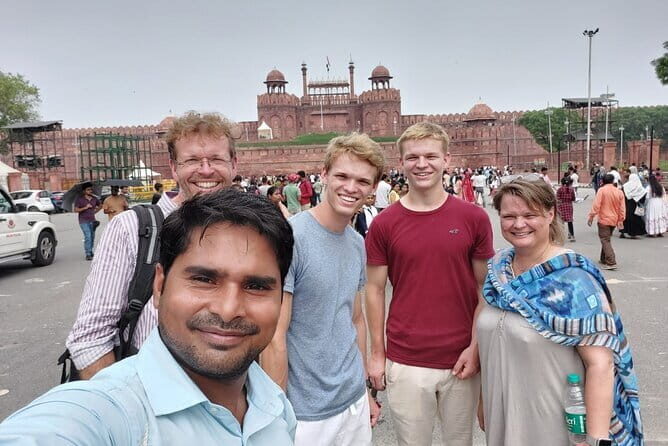
- Sanjay Colony in the shadow of major landmarks: you’re near Lotus Temple and ISKCON, but the focus stays on daily life inside the neighborhood
- Small-industry glimpses: garment recycling, stitching units, and local workshop activity are part of what you’ll see
- Old Delhi food, guided to trusted vendors: chole bhature, dahi bhalla, aloo chaat, parathas, lassi, jalebis, plus chicken kebabs for meat lovers
- Khari Baoli, Asia’s largest spice market: aromas, colors, and shopping streets for spices and dried goods
- A rickshaw ride through Chandni Chowk: part sightseeing, part watching daily traffic and life flow
- Maximum 15 people: smaller group means easier pacing and more chances to ask questions
Sanjay Colony, then Old Delhi: a contrast you can feel in your feet
This is a “two cities in six hours” kind of day. You start in South Delhi’s Okhla area at Harkesh Nagar Okhla Metro (Gate no. 2) and meet your guide. From there, the plan is built around two different realities: a neighborhood walk in Sanjay Colony, then a food-and-markets day in Old Delhi.
The best part is how the contrast isn’t just scenery. The tour explains what you’re seeing—how work happens, how community life holds together, and how the city’s big tourist icons sit next to everyday Delhi.
You’ll also move as a group, so you’re not trying to figure out which lane leads where. That matters in Old Delhi, where streets can feel like living mazes.
You can also read our reviews of more food & drink experiences in New Delhi



Sanjay Colony: seeing daily resilience, not a postcard version
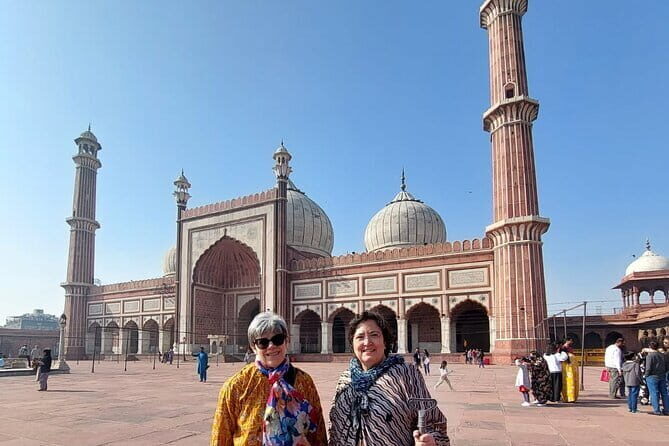
Sanjay Colony is a close-knit community spread across 25 acres near the Lotus Temple and ISKCON Temple. The guided walk is long enough to notice patterns: the rhythm of people going about their day, the way neighbors share space, and the small businesses that keep things running.
You’ll focus on everyday details like:
- small industries such as garment recycling and stitching units
- local workshops that show how jobs get done in the neighborhood
- a temple and mosque visit that adds depth beyond street-level viewing
The point isn’t shock value. It’s understanding. You come away with a clearer idea of how Delhi’s communities function when you look past the big-name tourist stops.
Practical note: there’s no photography inside the Sanjay Colony portion, so plan on using your senses more than your camera. If you love street photography, this is the one moment to adjust your habits.
Walking time and how the pace actually works
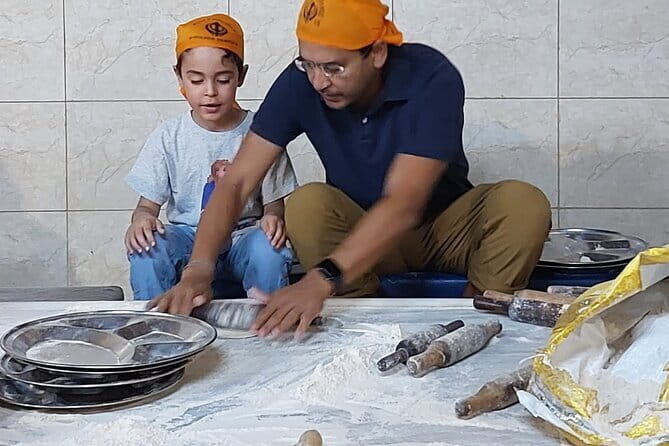
The Sanjay Colony segment runs about three hours on the itinerary. That’s enough time for a real walk, conversations, and a few stops along the way. It’s also the part that can feel more intense because you’re moving through normal, working neighborhood spaces.
Then the tour shifts gear. After the community portion, you travel with your guide by Delhi Metro to Old Delhi. That Metro leg matters because it keeps the day efficient. You’re not spending your whole time stuck in traffic, and you arrive when the markets and food lanes are in full swing.
Group size is capped at 15. In practice, that helps with pacing and questions. It also means you’re less likely to get left behind in crowded lanes.
Old Delhi by Metro: the shift from neighborhood life to market energy
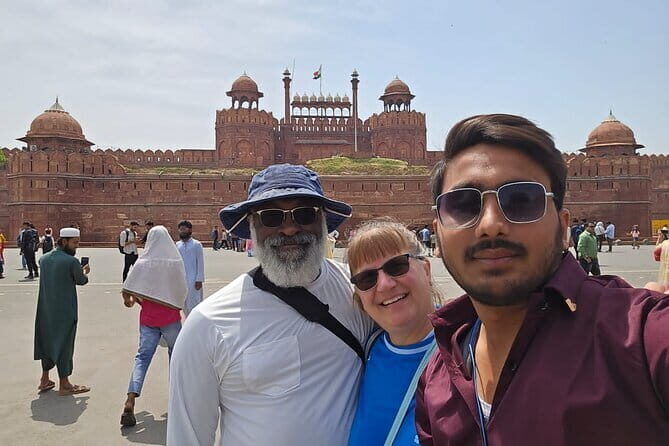
Once you’re on your way to Old Delhi, the mood changes fast. You’ll feel it as soon as the lanes narrow and the market sounds kick in.
This is where the tour keeps things practical. Instead of dropping you into Chandni Chowk with a vague map, your guide steers you through the food streets and the key stops. You can concentrate on eating and looking rather than figuring out logistics.
It’s also a smart way to learn Old Delhi without turning it into a sprint. The tour gives enough structure that you don’t feel lost, but still leaves room to soak up the chaos at walking speed.
Chandni Chowk lanes: food hub, rickshaw ride, and sensory overload (the good kind)
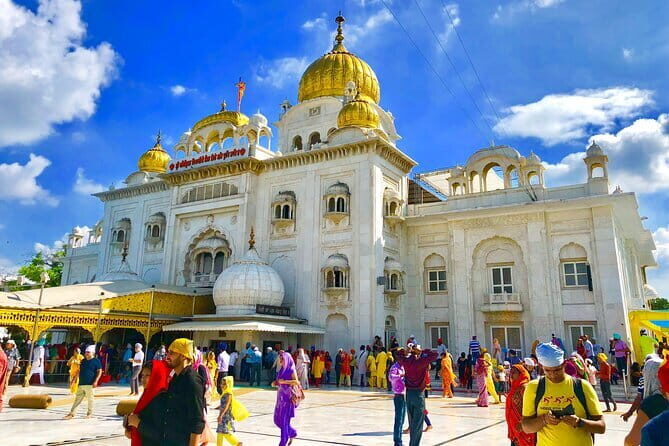
Chandni Chowk is Old Delhi’s classic food hub. Expect narrow lanes, busy market activity, and that nonstop push of smells and sounds that make you hungry even before you sit down.
You’ll spend about 1.5 hours here. Part of that time includes a rickshaw ride through Chandni Chowk, which is a fun way to view the street rhythm from inside the crowd.
What makes this stop valuable is the way it’s paired with guided food choices. You’re not guessing what’s worth trying. Your guide points you toward trusted vendors and keeps the order of tasting logical so you don’t end up eating the heaviest things back-to-back.
If you’re sensitive to crowds, start by going slowly. You’ll still get the experience, but don’t fight the flow—let it carry you.
You can also read our reviews of more tours and experiences in New Delhi



Khari Baoli: Asia’s largest spice market with real aroma power
Khari Baoli is where the tour turns into a sensory lesson. It’s described as Asia’s largest spice market, and walking the lanes feels like stepping into a color-and-smell warehouse.
You’ll spend about 1.5 hours here. The itinerary notes the spice market admission is included, so you’re not adding extra planning or paying another fee once you arrive.
What you can look for as you walk:
- how spice and dried goods stalls are organized
- the sheer range of powders, herbs, teas, and dried ingredients
- how vendors talk, measure, and package items right on the lane
This stop is great even if you don’t plan to buy much. You’ll understand why Delhi cooking tastes the way it does once you see the ingredients up close.
The street-food tasting: what to try, and how to pace yourself
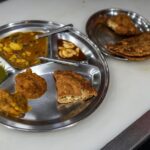
Food is the main event in Old Delhi, and this tour lays it out with specific favorites. You’ll taste local classics like chole bhature, dahi bhalla, aloo chaat, parathas, lassi, and jalebis. If you eat meat, there’s also a chance for chicken kebabs in the lanes near Jama Masjid.
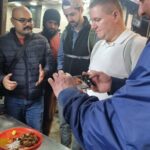
A guide is key here. In a place like this, it’s easy to focus on what looks good but miss what’s actually well-regarded and consistent. Having someone steer you to trusted vendors means you spend less time second-guessing and more time enjoying.
How I’d pace it (so the tour stays fun):
- start with something savory, then move to creamy or sweet
- keep water nearby but don’t overdo it right before jalebis
- save a little curiosity for the last stops, when you’re usually most relaxed
Also, this tour is built for variety, not for one huge meal. If you like small bites and trying multiple things, you’ll get more value per hour.
Chicken kebabs and dietary sanity checks
The tour explicitly mentions chicken kebabs for meat lovers. That’s useful because it tells you this isn’t a purely vegetarian day. At the same time, the listed favorites like chole, chaat, parathas, and lassi are the kinds of foods many people can enjoy even without eating meat.
If you have dietary limits, use your guide as your filter. The whole advantage of a guided tasting is that you can ask quick questions before you take a bite.
Price and value: is $67.94 worth it?
At $67.94 per person for roughly six hours, the value comes from the mix: a guided Sanjay Colony neighborhood walk plus guided Metro movement plus a structured Old Delhi food program, including Khari Baoli time.
You’re paying for:
- local guidance that gives context beyond the street-level view
- coordinated travel between New Delhi and Old Delhi zones
- multiple food tastings instead of one meal
- the spice market included component during the Khari Baoli segment
Where it can feel like extra value is if you’re the type who gets overwhelmed in markets. The “less planning, more eating and learning” factor is real here.
Where it might not be a perfect fit is if you only want sightseeing and no food component, or if you strongly dislike walking through crowded lanes. For the right traveler, though, it’s a good deal because you’re not buying these pieces separately.
What it’s like with a guide named Vijay (and why that matters)
The name that comes up in the guide experience is Vijay, often shortened to VJ. That’s not just trivia. The reviews emphasize how the guide handles variety well—staying flexible and tailoring the day to what you care about.
You can also take comfort from the fact that this kind of guiding style typically means fewer “hard sells.” One of the most common complaints about some tour operators in India is pushing you into shops. Here, the emphasis seems to stay on the experience and the local information, not on forcing extra purchases.
If you’re curious and like asking questions, this kind of guide can make the tour feel personal.
Weather and photo rules you should know before you go
This experience requires good weather. If weather is poor, you’ll be offered a different date or a full refund. That’s important because the Sanjay Colony portion is outdoors walking time, and Old Delhi depends on street access.
Photo rule: no photography inside the Sanjay Colony portion. Outside that, you’ll still be in a crowded market environment, where photography can be tricky, but the tour is clear about this one specific restriction.
Who should book this tour?
This one fits best if you want:
- a serious contrast between parts of Delhi in one day
- guided food tastings with classic dishes you’ll actually remember
- markets plus a spice-stop that teaches you what you’re eating
It’s also a good pick if you like smaller groups. With a max of 15 people, your guide can keep things moving without turning it into a churn machine.
I’d be more cautious if:
- you hate crowds and tight lanes
- you’re not comfortable with several hours of walking
- you need lots of photos during the main neighborhood segment
Should you book Sanjay Colony and Old Delhi street food?
If your goal is a Delhi day that feels real—people, work, places, and food—this tour is a strong choice. The biggest reason is the structure: you’re guided through Sanjay Colony with context, then guided through Old Delhi with tastings and market stops you can’t easily replicate on your own safely and smoothly.
Book it if you’re excited by street food and you want Old Delhi with training wheels. Skip it if you want a quiet, photo-heavy day with minimal walking or if you dislike guided food schedules.
If you’re deciding last-minute, pick it for two things: the Sanjay Colony neighborhood walk and the Old Delhi tastings packed into one efficient route.
FAQ
Where do I meet the tour guide?
You meet at Harkesh Nagar Okhla Metro Station, Gate no. 2 (listed address: Harkesh Nagar, Okhla, New Delhi).
How long is the tour?
It’s about 6 hours (approx.).
What is the price per person?
The price is $67.94 per person.
How big is the group?
The group size is limited to a maximum of 15 travelers.
What food will I taste in Old Delhi?
You’ll taste chole bhature, dahi bhalla, aloo chaat, parathas, lassi, jalebis, and more. Meat lovers can also try chicken kebabs near Jama Masjid.
Is Khari Baoli admission included?
Yes. Khari Baoli is listed as Admission Ticket Included.
Are there any admissions fees for Sanjay Colony or Chandni Chowk?
Sanjay Colony and Chandni Chowk are listed as Admission Ticket Free.
Is photography allowed in Sanjay Colony?
No. Photography is not allowed inside the Sanjay Colony portion of the tour.
What if the weather is bad?
The tour requires good weather. If canceled due to poor weather, you’ll be offered a different date or a full refund.
Can I cancel for free?
Yes. You can cancel up to 24 hours in advance for a full refund. Canceling less than 24 hours before start time is not refunded.