REVIEW · NEW DELHI
Private 4-Day Tiger Safari & Golden Triangle Tour from Delhi
Book on Viator →Operated by Golden Triangle Tours Of India · Bookable on Viator
Tigers and the Taj in four days. This private tour stitches together Delhi–Agra–Jaipur and a real wildlife morning in Ranthambore National Park, with licensed guiding at the key sites. You can also choose your comfort level with four booking options, from guide-only to adding a private car and hotel stays.
I like the balance here: you get big-name heritage stops (Qutub Minar, the Taj Mahal, Amber Fort) plus an early wildlife experience that starts before the heat. Two standout perks for me are the morning canter safari with a trained naturalist and the way the itinerary keeps you moving without locking you into one rigid schedule.
One thing to plan for: the headline sights have extra costs, and so do meals and drinks. Monument entry tickets and meals aren’t included, plus you’ll want cash in INR for ticket purchases at some sites.
In This Review
- Key things to notice before you go
- Golden Triangle + Ranthambore in One 4-Day Sprint
- Price and What You Actually Need to Budget
- Day 1 in Delhi: Qutub Minar, Humayun’s Tomb, and Chandni Chowk
- Day 2: Sunrise Taj Mahal (and Agra Fort) to Ranthambore
- Day 3: The Ranthambore Safari Morning and the Jaipur Switch
- Day 4 in Jaipur: Amber Fort, City Palace, and Hawa Mahal Photos
- How the Private Setup Works (and Where Shared Things Still Happen)
- Practical Tips: Tickets, Cash in INR, Photography, and Fog
- Who This Tour Fits Best
- Should You Book This Private 4-Day Safari + Golden Triangle Tour?
- FAQ
- Is pickup and drop-off included?
- How long is the tour?
- What hotel setup is included?
- Are meals included?
- Are monument entry tickets included?
- What’s included for the Ranthambore safari?
- Is the Ranthambore safari private?
- Is the Taj Mahal always open?
- Are drones allowed on this tour?
- What is the cancellation policy?
Key things to notice before you go
- Choose your option level: guide-only, guide + car, or guide + car + 4-star/5-star hotel
- Safari included, but shared: morning safaris are shared canter rides, not your own private jeep
- Taj timing can shift: winter fog may move the sunrise visit to daytime
- Credit cards aren’t always reliable: carry cash in INR for some monument ticket desks
- A lot of driving days: Delhi to Agra and Agra to Ranthambore, then onward to Jaipur and back
- Photography is allowed, drones are not: bring your camera, skip the drone
Golden Triangle + Ranthambore in One 4-Day Sprint
This tour is built for people who want two very different sides of India without adding extra days. You’ll start in Delhi’s heritage zone, roll into Agra for the Taj Mahal and Agra Fort, then switch gears to search for Bengal tigers in Ranthambore, and finally finish in Jaipur with major forts and palaces.
The value is in the sequencing. You’re not just ticking off landmarks—you’re also getting that early-activity energy of a safari, when animal sightings are most likely. Then you end each day with time to reset, especially in Agra and Jaipur where you have a full evening on your own.
Because it’s private, your group only shares the tour with itself. That helps when you want a guide who can answer questions in real time, and when you’re trying to manage photos, pace, and timing.
You can also read our reviews of more private tours in New Delhi



Price and What You Actually Need to Budget
You’ll see a price listed at about $62.33 per person, but it’s important to understand what’s included and what’s not. The tour includes pickup/drop-off, a private air-conditioned car with driver if you select that option, hotel accommodation for 3 nights if you choose the hotel packages, and the morning shared canter safaris.
What’s not included needs a line on your budget:
- Meals and drinks: $30.00 per person
- Monument entry tickets: $30.00 per person
- Tips for your guide and chauffeur (not optional in real life)
In practical terms, your likely total spends will depend on which option you pick and how much you want to eat out. Still, the structure can be a good deal because the route is efficient: you’re getting transportation between cities, guided time at major monuments, and the safari morning bundled in.
Day 1 in Delhi: Qutub Minar, Humayun’s Tomb, and Chandni Chowk
Day 1 is a classic Delhi sampler—big monuments in the morning, then Old Delhi markets afterward. You’ll get pickup from Delhi, Noida, or Gurugram and head into the heritage loop with a guide.
Qutub Minar is a great way to start. Even if you only glance up, you’ll notice why this site matters: the tower’s carvings and details are the kind you’ll miss if you rush. Plan to slow down for photos and a bit of reading time.
Next is the Lotus Temple, known for its calm atmosphere and inclusive design. It’s also one of those places where you can reset your mind after the busier streets.
You’ll also stop at India Gate, a war memorial built in 1931. From there, the tour includes a scenic drive past Rashtrapati Bhavan, so you see the grandeur without losing time on a long entry process.
Then comes Humayun’s Tomb, a major Mughal mausoleum. It’s one of the best stops for architecture lovers because it feels designed for lingering—symmetry, garden layout, and the story of the Mughal era.
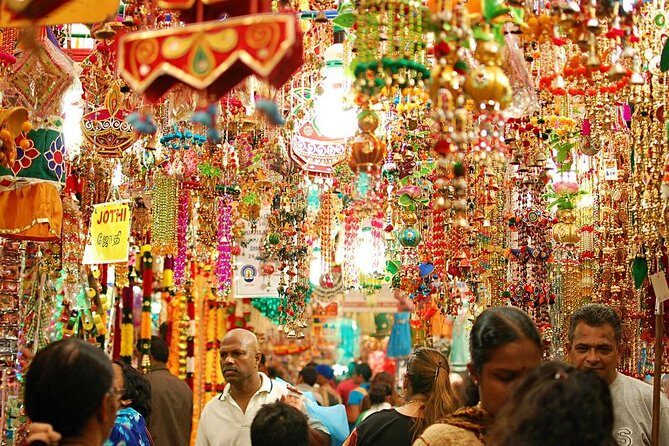
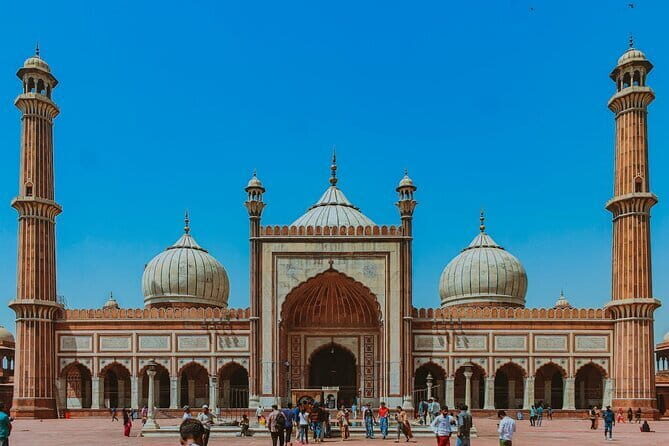
Old Delhi is the payoff. You’ll explore Chandni Chowk, a lane-and-market area where you can find spices, dried fruits, jewelry, and traditional clothing. This is also a good time to pick up small gifts and snacks for the road.
Lunch is included at a local restaurant, and you’ll continue onward to Agra after lunch via the expressway. You’ll check into your hotel and have the rest of the evening to yourself.
Day 2: Sunrise Taj Mahal (and Agra Fort) to Ranthambore
Day 2 is split between a world-famous morning and a big travel day.
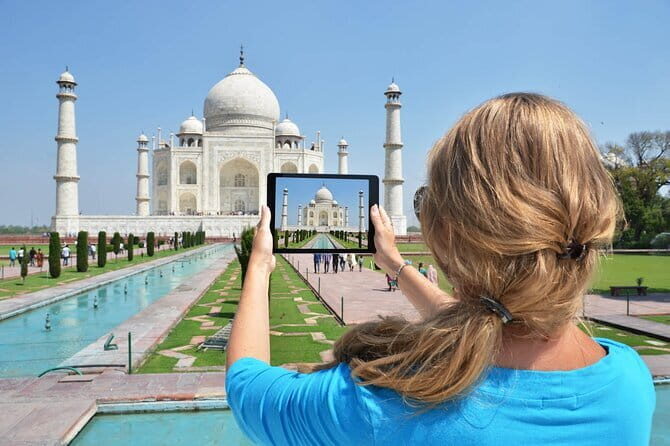
First, you’ll head to the Taj Mahal for a guided visit. The plan is a sunrise stop, and that’s smart because the light tends to look best early. Note the practical heads-up: the Taj Mahal is closed on Fridays, so your date matters.
Winter timing can also change. During December–January, sunrise visits may shift to daytime due to fog, which is outside anyone’s control. If you’re aiming for that soft early glow, build flexibility into your expectations.
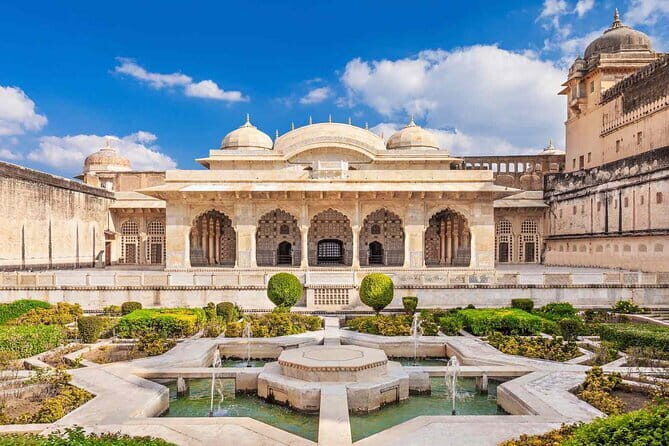
After the Taj, you’ll visit Agra Fort, another UNESCO World Heritage Site. This one is more about chambers, courtyards, and palace-like structure than pure postcard views. If you like history explained in a human way—who lived where and how the architecture worked—this is the stop that usually satisfies.
Then you transfer to Ranthambore. Expect a full day that starts with sightseeing and ends with checking into your hotel. The itinerary gives you downtime, and that matters because a safari day works best when you’re not exhausted.
Day 3: The Ranthambore Safari Morning and the Jaipur Switch
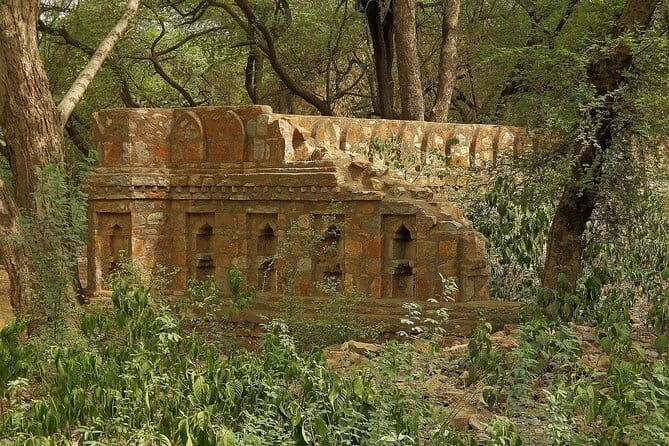
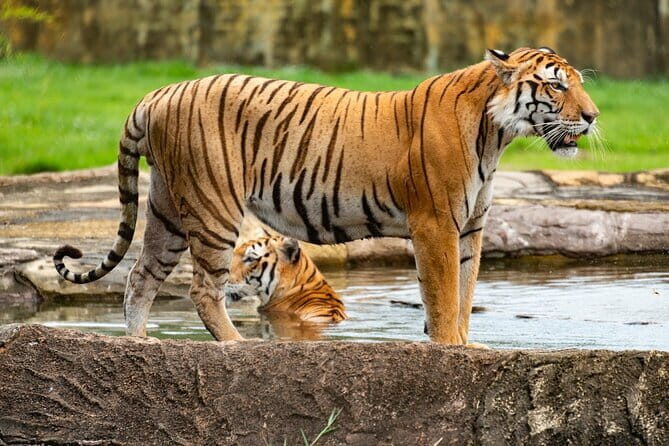
This is the day most people come for. You’ll start with an early Ranthambore National Park safari in the morning, guided by a trained naturalist guide. The safari admission is included, so you’re not worrying about ticket friction before you go.
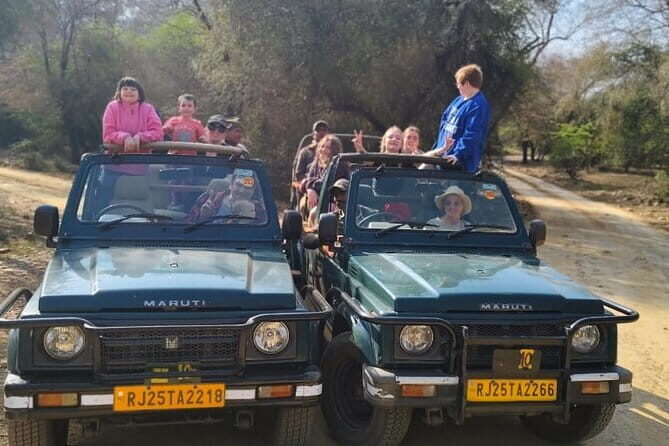
A key detail: it’s a morning shared canter safari. That means you’ll likely share the vehicle with other visitors, even though your tour is private otherwise. I see this as a normal trade-off—wildlife sightings are the goal, and your schedule is built around the park’s safari system.
The guide is English-speaking, which is a real advantage. When you’re scanning for tigers, you want clear help with where to look and what signs matter.
If you’re lucky, you’ll spot Bengal tigers. But even without a tiger, the park still tends to deliver plenty—different wildlife activity levels across the morning, plus the landscapes and tracks you only notice when someone points them out.
After the safari, you travel to Jaipur and check into your hotel. Then you explore the city at your own pace. That free time is useful because Jaipur evenings often feel more comfortable when you don’t have a tight schedule.
You can also read our reviews of more tours and experiences in New Delhi





Day 4 in Jaipur: Amber Fort, City Palace, and Hawa Mahal Photos
Day 4 runs through the main Jaipur highlights with a guided flow, then adds a few shorter stops so you don’t feel like you’re sprinting all day.
You start at Panna Meena ka Kund, a historic stepwell near Amber Fort. It’s quick, but it’s one of those sites that gives context for Jaipur’s water design and local architecture.
Next is Amber Fort. This is a big one—plan on spending real time inside. It’s UNESCO listed and known for its palaces and intricate artwork. If you want the “how it worked” view, ask your guide about the layout and the defensive logic behind what you see.
You’ll also visit Jal Mahal, the palace in the middle of Man Sagar Lake. Even if you just admire it from the viewpoint, it’s a memorable contrast to Amber Fort’s solid, fortified feeling.
Then it’s on to City Palace of Jaipur. This blends Mughal and Rajput architecture, and there’s a museum element with artifacts. It’s a good stop if you like learning what the objects meant, not just walking through rooms.
Jantar Mantar follows. These are ancient astronomical instruments, and you’ll get a guide-led explanation of how the structures worked. If you like science meets old engineering, this one usually lands well.
You’ll also stop at Gatore Ki Chhatriyan, a royal cremation site with beautifully crafted cenotaphs. It’s quieter than the major palaces, so it can feel like a breather.
Finally, you reach Hawa Mahal (Palace of Wind). Expect quick photo time—your guide will help with Instagram-worthy photos. The facade is the star here, and even if you don’t spend long inside, it’s a classic Jaipur moment.
The day ends with a 4–5 hour drive back to Delhi, or you can choose a drop-off at Jaipur Airport.
How the Private Setup Works (and Where Shared Things Still Happen)
Even with the private structure, you should know where sharing happens.
- Your tour is private: your group participates together.
- Transportation can be fully private: you’ll have a private air-conditioned car with driver if you choose the car option.
- Hotel stays can be part of the package: 3 nights are included only when you pick the hotel options.
- The safari is the only major “shared” element: it’s a shared canter ride, and you’ll also be following the park’s safari schedule.
That combination is pretty standard for tiger safaris. You get control with your guide and timing, while the wildlife experience follows the park’s logistics.
If you’re the kind of traveler who likes having someone manage transfers and interpretation, this tour structure is a good match. It keeps your energy for what you came for: monuments and tigers.
Practical Tips: Tickets, Cash in INR, Photography, and Fog
A few details can make your trip smoother.
Bring cash in INR. Your guide can help with monument ticket purchases, but some sites may not accept credit cards. Carrying cash saves time and stress when you’re standing at a ticket window.
Tickets are extra. Monument entry tickets and meals/drinks are not included in the base inclusions. If you don’t budget, you’ll feel it on the go—especially after a long safari morning.
Plan for the Taj timing note. Fridays are a closure day for the Taj Mahal. Winter fog can also shift the sunrise schedule to daytime. Your best strategy is to be flexible and rely on your guide’s timing adjustments.
Photography rules: photography is allowed at all sites, but drones aren’t permitted. If you bring a drone, leave it at home—this is not a small “maybe.”
Also keep an eye on seasonal hotel costs. New Year’s Eve and Christmas can trigger mandatory gala dinner charges at hotels (December 24 to January 5), per hotel policy. If your dates overlap, expect extra costs.
Who This Tour Fits Best
This tour is a strong fit if you want:
- A short, efficient route that hits Delhi, Agra, Jaipur, plus one Ranthambore safari morning
- A guide who handles interpretation at major monuments
- Private door-to-door pickup and transfers (especially helpful after a long day)
It also works for a wide range of travelers: families, couples, and solo visitors are all supported. If you’re traveling with kids, the pacing is designed for manageable blocks: guided sightseeing windows, then free time in the evenings.
For people who hate long drives, this may feel like a lot. You’re doing multiple segments—Delhi to Agra, Agra to Ranthambore, then onward to Jaipur, then back.
Should You Book This Private 4-Day Safari + Golden Triangle Tour?
I’d book it if you want a high-output India first trip: big monuments with guiding, plus an actual tiger safari morning in Ranthambore—without arranging everything separately.
You should think twice if your budget is tight for extras. Monument entry tickets, meals/drinks, and tips will add up. Also, accept that sunrise at the Taj can shift in winter fog and that the safari is shared (canter ride), even on a private tour.
One more confidence boost: the guiding quality can be excellent. In one named example, Saif was praised for guiding at the Agra sites—exactly the kind of thing that turns a quick stop into a meaningful one.
FAQ
Is pickup and drop-off included?
Yes. Hotel or airport pickup and drop-off in Delhi can be arranged, and it’s listed as included.
How long is the tour?
It’s a 4-day tour (approx.).
What hotel setup is included?
The tour includes hotel accommodation for 3 nights only if you select an option that includes a hotel. Daily breakfast is included in those hotel options.
Are meals included?
Meals and drinks are not included. The listing states $30.00 per person for meals and drinks.
Are monument entry tickets included?
No. Monument entry tickets are not included, listed at $30.00 per person.
What’s included for the Ranthambore safari?
You get a morning shared canter safari in Ranthambore, with a trained naturalist guide. Bottled drinking water is also included.
Is the Ranthambore safari private?
The safari is described as a morning shared canter safari, meaning it’s shared by design, even though the overall tour is private to your group.
Is the Taj Mahal always open?
No. The Taj Mahal is closed on Fridays.
Are drones allowed on this tour?
No. Drones are not permitted, but photography is allowed at all sites.
What is the cancellation policy?
The experience is non-refundable and cannot be changed for any reason. If you cancel or ask for an amendment, the amount you paid will not be refunded.