REVIEW · NEW DELHI
Old Delhi’s Belly
Book on Viator →Operated by Street Tours India · Bookable on Viator
Old Delhi’s noise has a way of grabbing you.
This tour turns the chaos into a readable route, with Chandni Chowk first and Khari Baoli spice market right after. I like the slow, safe pace and the fact you get real context for what you’re seeing, not just random photos. The best part for me is how the tour mixes walking with hop-on bicycle rickshaw rides so you’re not stuck overheating or lost in crowds. One drawback to plan around: it is street-heavy, so if you hate tight alleys, strong smells, or busy markets, you’ll need to mentally brace.
The group stays small (max 6), and that matters in Old Delhi. You’ll follow a guide named Santan, who knows how to guide your eyes through the lanes and explain what spice sellers and shoppers are actually doing. Expect a mobile ticket and a straightforward start-and-finish at the same meeting point.
In This Review
- Key Things to Know Before You Go
- Old Delhi’s Belly: Why This Route Works Better Than Wandering
- Starting Point and Timing: An Afternoon That Fits Real Plans
- The Temple Reset Before the Market Rush
- Chandni Chowk on Foot: Learning the Lane System
- Khari Baoli Spice Market: What You See, Plus What It Means
- Bicycle Rickshaw Hops: The Best Way to Cover Distance
- Chai Break and Rooftop Respite: Where You Reset Your Senses
- Snacks, Water, and Street Food: Budget Smart
- Price and Value: Is $50 Worth It?
- Who Should Book Old Delhi’s Belly, and Who Should Skip It
- Should You Book Old Delhi’s Belly?
- FAQ
- How long is the Old Delhi’s Belly tour?
- What does it cost?
- When does the tour start?
- Where do we meet, and where does the tour end?
- What are the main stops?
- Is admission included for the stops?
- What’s included in the price?
- Do I need to pay extra for street food?
- How big is the group?
- What is the cancellation policy?
Key Things to Know Before You Go
- Small-group flow (max 6): less waiting, more personal attention, and easier questions in the market crush.
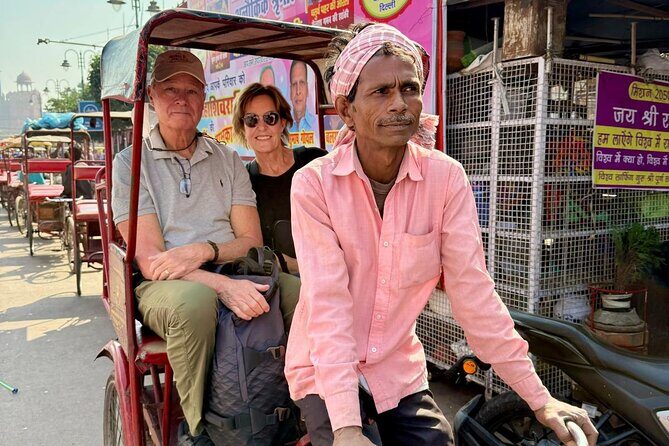
- Walk + bicycle rickshaw mix: you cover a lot without doing all 3.5 hours on foot.
- Start with a famous temple stop: a quick cultural reset before you hit the markets.
- Khari Baoli is Asia’s biggest spice market: you’ll learn how spices get used, not just see piles of them.
- Chai and rooftop breathing room: a practical pause before you keep moving.
Old Delhi’s Belly: Why This Route Works Better Than Wandering
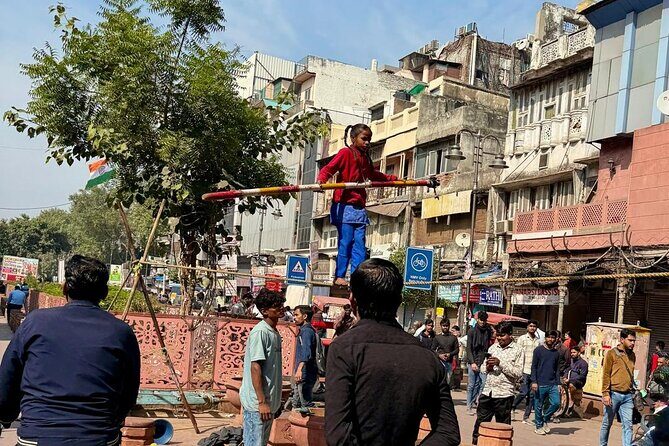
Old Delhi can feel like a living maze. One minute you’re trying to find a street name; the next minute you’re shoulder-to-shoulder with shoppers and surrounded by the smell of cardamom, cumin, and something you can’t name yet. If you go without structure, you can still have fun, but you’ll spend more time figuring out where to be than understanding what you’re seeing.
This tour gives you a route that makes sense for an afternoon. You start with Chandni Chowk, then shift to Khari Baoli for the spice market. That order is smart because it helps you calibrate your senses. First you take in the big-market energy and street life; then you move into the ingredient world, where the guide can point out details that are easy to miss when you’re just trying not to get lost.
I also like that it is described as safe and slow-paced. That is not just marketing language. In this part of Delhi, “slow” means you get time to look, ask questions, and move through lanes without rushing. And because the group is limited to 6 people, you’re not one more body in a long line blocking people’s paths.
You can also read our reviews of more tours and experiences in New Delhi.



Starting Point and Timing: An Afternoon That Fits Real Plans
The tour runs about 3 hours 30 minutes, starting at 1:00 pm. It ends back at the meeting point, so you don’t get stranded at the far end of the city with no obvious way to regroup.
You meet at RK Ashram, Block 42, DIZ Area, Gole Market, New Delhi, Delhi 110001. The good news is that it’s near public transportation, which matters because you don’t want to spend your short sightseeing window battling complicated logistics.
If you’re planning your day, this is a great slot for a second-half-of-the-day plan. It’s long enough to feel like you actually experienced Old Delhi, but short enough that you can still do other things afterward—dinner plans, a museum, or just decompressing in a quieter area.
The Temple Reset Before the Market Rush
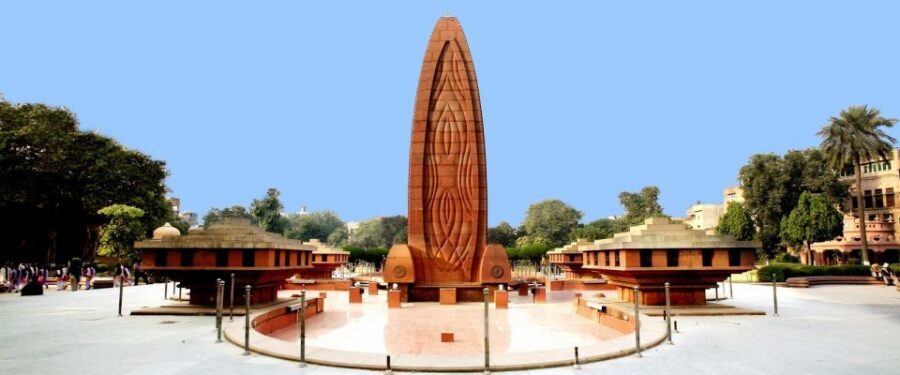
Before you go deep into the market streets, the tour begins with a stop at a very famous temple. One of the standout details from the experience is that you’re not thrown into the noise immediately. That temple stop acts like a reset button.
Here’s why that helps you as a visitor:
- You get a cultural anchor early, so the rest of the tour isn’t just sensory overload.
- It gives you a mental shift from navigating crowds to understanding why people are gathering in this area at all.
- It’s also a practical breather—important when the main sightseeing is in tight lanes.
And yes, you should expect to move after this quickly. The value is that the tour doesn’t treat the temple as a single checkbox. It sets the tone for what comes next.
Chandni Chowk on Foot: Learning the Lane System
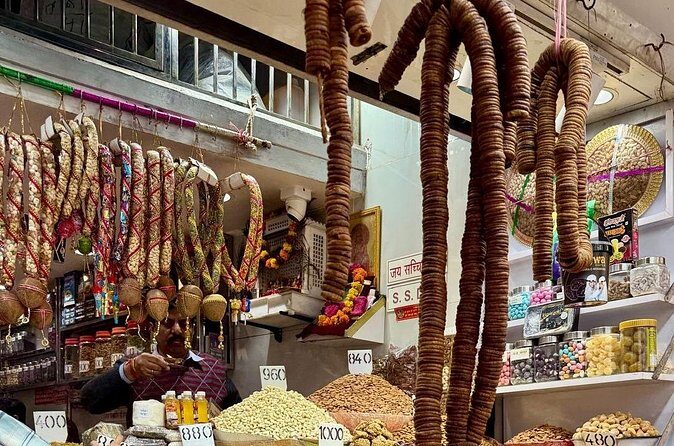
Chandni Chowk is the name people throw around when they talk about Old Delhi. But the real experience is the walking itself: lanes that funnel you forward, storefronts that compress space, and constant everyday activity happening around you.
On this part of the tour, you’ll be walking, talking, and sharing as you move through the market. That “talking” piece matters. Without guidance, you might notice the busy shops and street life but miss what’s special about the trade and the way people shop here. With a guide, you learn how to read the street—where people cluster, what kinds of goods are being handled, and what the atmosphere is like at different moments.
What I like most is that you get a chance to take it in without feeling you must sprint to keep up. The tour is described as slow-paced, and in a place like Chandni Chowk, that is exactly what you want. You’ll likely get better photos too, because you’re not constantly stepping backward in panic or waiting for someone to translate a sign you couldn’t even read.
Possible drawback: Chandni Chowk is intense. If you’re sensitive to crowds, smoke from food stalls, or strong scents, you may want to go with a clear mindset that this is a sensory market. Bring the attitude of a participant, not a spectator. It makes the experience easier.
Khari Baoli Spice Market: What You See, Plus What It Means
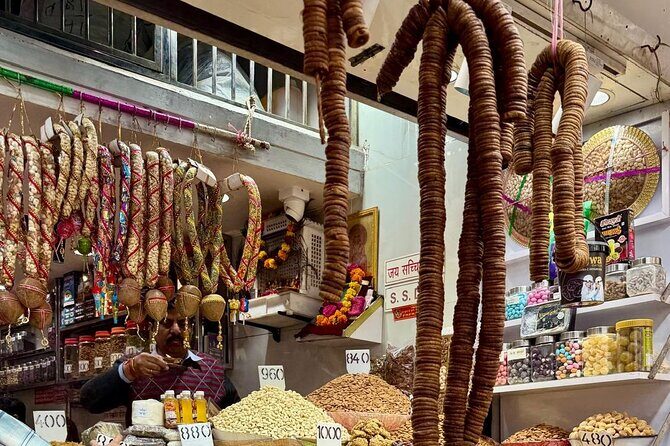
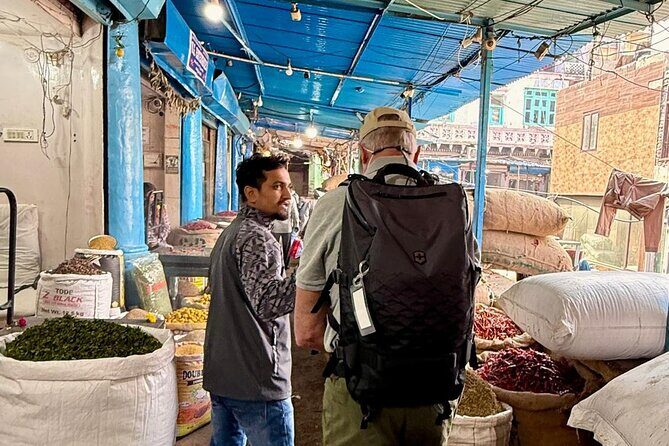
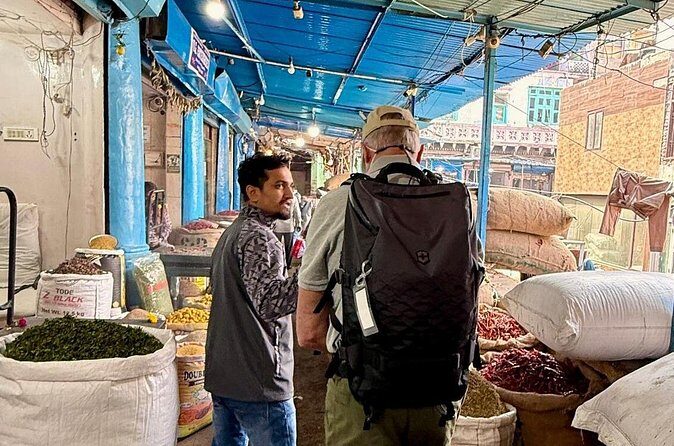
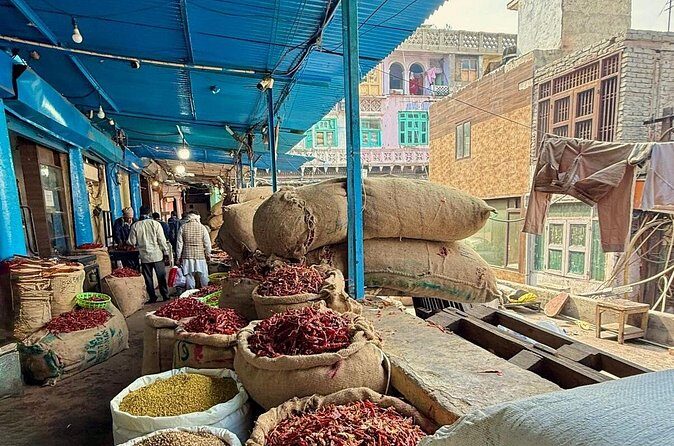
Then you shift from street life to ingredients. Khari Baoli is described as the largest spice market of Asia, and that scale changes how you experience it. It isn’t just one shop or one spice corner. It’s a place where spices are treated like working material—stacked, measured, traded, and sold in bulk.
The tour focuses on more than visuals. You’ll learn about the uses of spice in India. That turns your shopping instincts into understanding. Instead of buying a random bag because it looks interesting, you can think about what it actually does in cooking and how it fits into common flavors you might be trying back home.
This is also the part where a strong guide really pays off. The experience highlights Mr Santan for guiding people through the spice market with real insight. When someone knows how to explain what you’re looking at, you stop feeling like you’re just wandering among sacks and start feeling like you’re learning a system.
One practical tip: if you do plan to shop, give yourself mental boundaries. It’s easy to fall into the “wow, look at everything” zone. A good guide will help you shop with less confusion, but you still need to decide what you actually want to carry and cook with.



Bicycle Rickshaw Hops: The Best Way to Cover Distance
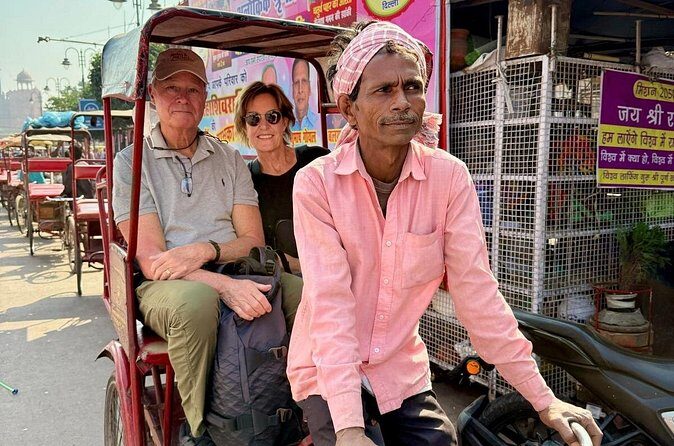
You’ll also get hop-on hop-off bicycle rickshaw rides during the tour. That’s a smart compromise for Old Delhi. Walking is essential for understanding the streets, but Old Delhi is also full of micro-detours. Getting around only by foot can mean spending more time solving the route than experiencing it.
The rickshaw part helps you:
- Cover more ground between key stops
- Recover from walking so you can enjoy the later market sections
- Keep the group together more easily in crowded areas
It’s also described as an environmentally friendly bicycle rickshaw option. Even if you don’t care about that detail, you should care about the practical effect: smaller vehicles and a guide who understands when to ride and when to walk.
The result is a tour that feels paced for humans. You don’t arrive exhausted at the spice market, which is where most people want their energy.
Chai Break and Rooftop Respite: Where You Reset Your Senses
Old Delhi has a way of pushing your senses nonstop. That’s where the chai break and the rooftop respite come in.
This is the portion of the experience that turns it from “I saw markets” into “I actually enjoyed markets.” Tea gives you a predictable rhythm: sit, drink something warm or comforting, and let your brain catch up. Rooftop time does the same physically. Even a short breath of height and open air can make the rest of the afternoon feel less like a sprint through noise.
If you’re planning your own day, treat this as the moment you slow down. After the rooftop pause, you’ll be better able to focus on spice details and shopping choices. It’s also a good time to ask questions while the group settles.
Snacks, Water, and Street Food: Budget Smart
The tour includes snacks and a water bottle. That’s a real help in Old Delhi because street markets can drain you fast. Even if you’re a seasoned traveler, water and a small snack keep you steady while walking and riding.
Street food is not included. The info notes that you may need to pay extra if you try food on the street. I think that’s the right approach. You don’t get forced into buying items you might not want, and you can choose based on your tastes and comfort level.
My advice: treat the included snacks as your safety net, not as your whole meal plan. If your appetite runs big, consider eating a proper lunch later. This keeps you from overspending at stalls because you’re hungry in the moment.
Price and Value: Is $50 Worth It?
At $50 per person, you’re paying for:
- A guided route through Old Delhi’s busiest market areas
- Time with a guide who can explain spice use and what you’re seeing
- Combination transport (walking and bicycle rickshaw rides)
- Included snacks and a water bottle
- Admission-free access at the main market stops mentioned during the experience
- A small group size (max 6), which makes the experience more flexible and personal
Is it cheap? No. But it also isn’t only paying for tickets to two places. You’re paying for interpretation, pacing, and the ability to move through complicated street areas without wasting your limited sightseeing hours.
If you’re doing Old Delhi on your own, you’d still spend time moving between Chandni Chowk and Khari Baoli, and you’d still likely buy something from a spice stall. The difference is that this tour adds structure and helps you avoid feeling lost or overwhelmed.
Given the group cap and the focus on spice knowledge, the value feels reasonable—especially if it’s your first time in Delhi and you want a guided “starter course” for the old city.
Who Should Book Old Delhi’s Belly, and Who Should Skip It
This is ideal if you want:
- A guided walk through Chandni Chowk
- A spice-market experience that includes practical explanation
- A small-group tour where questions feel normal
- A mix of walking and bicycle rickshaw rides
- A short afternoon plan that doesn’t eat your whole day
You might skip it if you strongly prefer quiet museums, wide streets, and controlled environments. Old Delhi is not that. It’s crowded, active, and full of smells and motion. Even with a slow pace, you’ll still be in the thick of daily life.
That said, if you can handle busy street scenes and you enjoy learning while you walk, you’ll probably find this tour hits the sweet spot.
Should You Book Old Delhi’s Belly?
If you only have a limited time window in Delhi and you want the classic Old Delhi experience without turning it into a chaotic scavenger hunt, I’d say book it. The combination of Chandni Chowk, Khari Baoli, a temple reset, rickshaw hops, and a chai-and-rooftop pause makes it feel designed for real visitors, not just photo stops.
Pick it especially if you like market travel with context. With a guide like Santan leading the way, you’re not just passing through spice stalls—you’re learning what the spices are for, which makes the whole afternoon more satisfying.
FAQ
How long is the Old Delhi’s Belly tour?
The tour lasts about 3 hours 30 minutes (approx.).
What does it cost?
It costs $50.00 per person.
When does the tour start?
The start time is 1:00 pm.
Where do we meet, and where does the tour end?
You meet at RK Ashram, Block 42, DIZ Area, Gole Market, New Delhi, Delhi 110001, India. The tour ends back at the meeting point.
What are the main stops?
The tour includes Chandni Chowk and Khari Baoli (a spice market).
Is admission included for the stops?
Admission tickets are free for the listed stops.
What’s included in the price?
Snacks and a water bottle are included.
Do I need to pay extra for street food?
Street food is not included. You may need to pay extra if you try food on the street.
How big is the group?
The maximum group size is 6 travelers.
What is the cancellation policy?
Free cancellation is available. You can cancel up to 24 hours in advance for a full refund.