Old Delhi can feel like a maze.
This tour helps you move through it with confidence: you ride a comfortable rickshaw and follow a guided route through Red Fort, Chandni Chowk lanes, mosques, and temples. I really like the audio headsets, because you hear the guide clearly even when the street is loud. I also like the included food tasting and bottled water, which keeps your energy up without stopping to hunt for snacks. One thing to consider: Jama Masjid’s admission isn’t included, so you’ll want a little extra cash or payment ready if you plan to go inside.
You’ll also get the kind of context that makes the sights click. Instead of memorizing landmarks, you learn why each place matters—who built it, what faiths shape the area, and how the city’s history overlaps in the same few blocks. The tour stays practical for short stays, with a route designed to reduce the stress of getting lost on your own.
The best part is that it feels like local momentum, not a rushed checklist. You’ll see several faiths side by side—Jain, Hindu, Sikh, and Muslim worship spaces—plus market life that’s pure Old Delhi. Just keep in mind the route involves walking short distances while the rickshaw carries you between stops.
In This Review
- Key things you’ll notice right away
- Luxury rickshaw rides with audio headsets that actually work
- Start point by Chandni Chowk: finding the tour fast
- Stop-by-stop: what you’ll see and why each one matters
- Red Fort: the Mughal power anchor
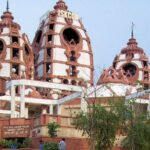
- Sri Digambar Jain Lal Mandir: Jain worship in the middle of Old Delhi
- Mirza Ghalib Ki Haveli: Mughal-era poetry you can almost feel
- Naughara (Row of Nine Houses): the street name tells a story
- Fatehpuri Mosque: Shah Jahan’s world, via a wife’s name
- Gadodia Market: spice warehouses and a former palace story
- Gauri Shankar Temple: a Shivism shrine with an 800-year-old lingam
- Gurudwara Sis Ganj Sahib: Sikh worship and the meaning of the gate
- Jama Masjid: biggest mosque energy, with admission not included
- Food tasting, snacks, and bottled water: small things that make the day easier
- Who this rickshaw tour is best for
- Price value: what $85 buys you in real terms
- Quick practical tips before you go
- Should you book this Old Delhi rickshaw tour?
- FAQ
- How long is the Old Delhi rickshaw tour?
- What’s included in the tour price?
- Is hotel pickup and drop-off included?
- Where do I meet the tour?
- Do I need to pay for admission to Jama Masjid?
- Is this tour private or group-based?
Key things you’ll notice right away
- Audio headsets for clear commentary so you don’t miss the story over street noise
- Rickshaw comfort as you glide through tight Chandni Chowk lanes
- Stop variety in a short window, from Red Fort to Jain, Sikh, and mosque landmarks
- Food tasting + snacks + bottled water built into the experience
- A guide-led route through lesser-known corners, not just the obvious photos
Luxury rickshaw rides with audio headsets that actually work
Old Delhi has two sounds: traffic and people. Without help, it’s hard to hear a guide and even harder to understand what you’re seeing. Here, you sit in a rickshaw and get live commentary through wireless headsets, so the explanation stays with you as you roll from place to place.
That matters more than it sounds. A mosque façade, a temple door, or a market street can look similar if you don’t know what you’re looking for. With the audio running, you start picking up details you’d otherwise skip—like the religious significance of a site or the story behind a street name.
I also appreciate the small comfort touches. The tour includes snacks and bottled water, plus food tasting, so you’re not stuck waiting until you find a café. This is the kind of setup that makes a half-day feel complete instead of patched together.
And yes, you’ll be sharing space. The experience is for your group, and it runs with a local guide and a driver. The driver helps keep things moving while your guide handles the walking and the story.
You can also read our reviews of more guided tours in New Delhi



Start point by Chandni Chowk: finding the tour fast
This tour begins near the Red Fort area, in the Chandni Chowk zone. Your meeting point is Charity Birds Hospital, next to Shri Digambar Jain Lal Mandir, opposite Red Fort, Delhi 110006.
Why I like this: it’s positioned in the exact neighborhood where you want to spend time anyway. You’re not starting far away and then commuting forever. You also end back at the same meeting point, which makes planning the rest of your day easier.
Plan your arrival like you would for any Old Delhi plan: give yourself buffer time. This area is active and streets can be unpredictable, even when you’re doing everything right.
Stop-by-stop: what you’ll see and why each one matters
Red Fort: the Mughal power anchor
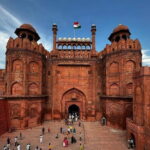
You kick off at Red Fort, a UNESCO World Heritage Site tied to Mughal Emperor Shah Jahan. Even if you only get a short look, it’s one of those places that instantly sets the tone for the rest of the route.
Look for the sense of scale and authority. Red Fort isn’t just a photo stop; it’s a historical anchor. The guide’s commentary helps you connect later places—mosques, markets, and courtyards—to the Mughal-era fabric of the neighborhood.
A practical plus: the tour notes that admission for this stop is free, which helps keep the day simple if you’re counting expenses.
Sri Digambar Jain Lal Mandir: Jain worship in the middle of Old Delhi
Next is Sri Digambar Jain Lal Mandir, a Jain temple known for its significance in the Chandni Chowk area. You’ll get context on how Indian religions shaped this region—specifically Jainism, and how it sits alongside faiths like Buddhism and Hindu traditions in terms of shared roots and similarities.
What I like about this stop is how it changes your view of the neighborhood. Old Delhi is often discussed as Muslim and Mughal history, but it’s also a living religious map. Seeing Jain worship nearby helps you understand why the street life feels multi-layered.
Admission here is listed as free, which is a nice budget win for a first temple stop.
You can also read our reviews of more tours and experiences in New Delhi
Mirza Ghalib Ki Haveli: Mughal-era poetry you can almost feel
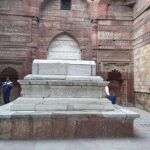
Then you step into a literary corner: Mirza Ghalib Ki Haveli. Mirza Ghalib is one of the most famous Mughal-era poets, and the tour takes you to a haveli where he spent many years.
This is a different kind of “history stop.” Instead of only architecture, you get a human story. You learn why Ghalib mattered and how his poetry shaped the cultural atmosphere of the time. It’s a good break from purely religious sights, and it keeps the tour from feeling like a single theme.
Again, admission is listed as free for this stop.
Naughara (Row of Nine Houses): the street name tells a story
You’ll visit Naughara, also described as the row of nine houses. The name refers to nine 18th-century mansions that retain their traditional appearance.
This stop is for people who like street-level history. It’s the kind of place where you start noticing patterns: the way buildings hold onto older styles, the way a street name becomes a tiny museum, and how the architecture supports the daily rhythm of the market area.
It’s short, but it’s memorable because it’s not the typical landmark you see on every Delhi postcard. Admission is free here too.
Fatehpuri Mosque: Shah Jahan’s world, via a wife’s name
At Fatehpuri Mosque, you get a Mughal-era link tied to Fatehpuri, described as one of Shahjahan’s wives. It sits on the western end of Chandni Chowk’s street.
Mosque stops are never only about the exterior. The guide’s audio helps you interpret what you’re seeing—why the mosque exists in this specific spot and how the Mughal story shows up in the everyday landscape.
Admission is listed as free for this stop, and you’ll spend enough time to absorb the setting without feeling rushed.
Gadodia Market: spice warehouses and a former palace story
Then comes Gadodia Market, a fascinating blend of past and present. The tour explains that the place used to be a palace. After the owner died and there was no legal heir, the area became spice warehouses, including open storage that you can walk through and observe.
This is one of those stops that makes the neighborhood make sense. You see how power and wealth stories can transform into trade and daily commerce. Instead of only grand monuments, you get a working history.
It’s listed at about 15 minutes, and admission is free. If you love markets, you’ll probably wish it lasted longer.
Gauri Shankar Temple: a Shivism shrine with an 800-year-old lingam
Next is Gauri Shankar Temple, described as an important place of Shivism. You’ll hear about Shiva as a major Hindu deity, and you’ll learn that the temple is associated with an 800-year-old brown lingam, plus bejeweled statues of Gauri and other figures.
This stop is powerful because it’s not just “a temple.” It’s a specific shrine with specific devotional details. The guide’s commentary helps you understand symbolism rather than just admiring carvings.
Admission is listed as free, and the stop timing is short—about 10 minutes—so it’s best to keep your attention tight and let the guide’s audio do the heavy lifting.
Gurudwara Sis Ganj Sahib: Sikh worship and the meaning of the gate
You’ll also stop at Gurudwara Sis Ganj Sahib, a Sikh place of worship. The tour explains that “gurudwara” relates to the idea of a gate leading to spiritual enlightenment, and it provides background on Sikhism’s development by ten Gurus between 1469 and 1708.
Sikh sites often reward respectful quiet. With the headset commentary, you’ll get the meaning behind what you’re seeing without needing to guess. This is a good stop if you want your Old Delhi history to include the full range of faith communities present today.
The tour doesn’t list an admission requirement for this stop, and it’s a free stop.
Jama Masjid: biggest mosque energy, with admission not included
You finish the faith-circuit with Jama Masjid, described as the largest mosque of India and one of the world’s largest, with a very tall brick minaret. It’s also described as a pilgrimage space for Muslims.
This is a big deal historically and visually. The guide’s narration helps connect it to the wider Mughal-era influence in the area and explains why people consider it more than a sightseeing stop.
One practical consideration: Jama Masjid admission isn’t included. You’ll want to plan for the possibility that you’ll pay to enter if you want the full experience rather than only viewing from outside. The tour timing lists this as about 15 minutes, so if the line situation is slower than expected, you might want to keep your priorities clear.
Food tasting, snacks, and bottled water: small things that make the day easier
A lot of Old Delhi tours forget one simple truth: your brain can’t process history when you’re hungry. Here, food tasting and snacks are included, along with bottled water.
This is value, not just convenience. When you’re sampling food during a street tour, you’re also learning what people actually eat as part of daily life around the markets. You’ll get little bites that help you keep going as you move from stop to stop.
If you’re sensitive to spice or unfamiliar flavors, go slow and take your time at the tasting moment. The included water helps you regulate.
Who this rickshaw tour is best for
This tour is built for people who want structure in Old Delhi without spending hours figuring out routes.
You’ll likely love it if:
- You have limited time in Delhi and want a guided path through the core sites
- You prefer hearing the story clearly through audio headsets
- You want a mix of temples, mosques, and market life rather than one neighborhood type
- You enjoy being guided past corners you might miss alone
It’s also a good fit if you want a calmer experience compared to self-guided wandering, because you’re not constantly reading maps while dodging crowds.
Price value: what $85 buys you in real terms
At $85 per person, this isn’t a “budget-only” option, but the price makes more sense when you itemize what’s included.
You’re paying for:
- A licensed-style guide experience with live commentary
- Audio headsets so the information stays clear
- Rickshaw transport through a tight, walk-heavy zone
- Food tasting, snacks, and bottled water
- A complimentary book on Indian history (a nice take-home for the next days)
If you’re the kind of traveler who ends up spending money on separate museum tickets, guide fees, and snack stops anyway, this can feel efficient. You also avoid the time cost of planning a route yourself through multiple faith spaces and markets.
Quick practical tips before you go
Bring a sense of humor. Old Delhi is not quiet, and it won’t pretend to be. With audio headsets, you’ll still hear your guide, but you’ll also feel the street.
Wear shoes that handle short walks and uneven surfaces. A rickshaw helps with travel, but you’ll still be on your feet for each stop.
If you’re planning to enter Jama Masjid, be ready to handle the extra admission since it’s not included.
And if you can, arrive a few minutes early at Charity Birds Hospital near Shri Digambar Jain Lal Mandir. Meeting points in this area can be easy to find if you’re patient.
Should you book this Old Delhi rickshaw tour?
I’d book it if you want Old Delhi in a half-day format with clear guidance, comfortable transport, and real-life stops that go beyond the obvious.
It’s especially smart if you don’t want to fight with maps, and if you care about hearing the context as you go. The included tasting and water are practical wins, and the mix of Jain, Hindu, Sikh, and Muslim sites gives you a fuller picture of how this neighborhood actually lives.
Skip it only if you’re the type who wants to roam fully on your own schedule with no structured route, or if you already have a specific priority list that requires a different order and longer time at just one place.
FAQ
How long is the Old Delhi rickshaw tour?
The tour runs for about 2 to 4 hours.
What’s included in the tour price?
It includes a local guide, live commentary via audio headsets, bottled water, snacks, and food tasting.
Is hotel pickup and drop-off included?
No, hotel pickup and drop-off are not included.
Where do I meet the tour?
You meet at Charity Birds Hospital, next to Shri Digambar Jain Lal Mandir, opposite Red Fort, in Chandni Chowk, Delhi 110006. The tour also ends back at the meeting point.
Do I need to pay for admission to Jama Masjid?
Jama Masjid admission is not included. Other listed stops in the route are marked free.
Is this tour private or group-based?
It’s private for your group, meaning only your group participates.